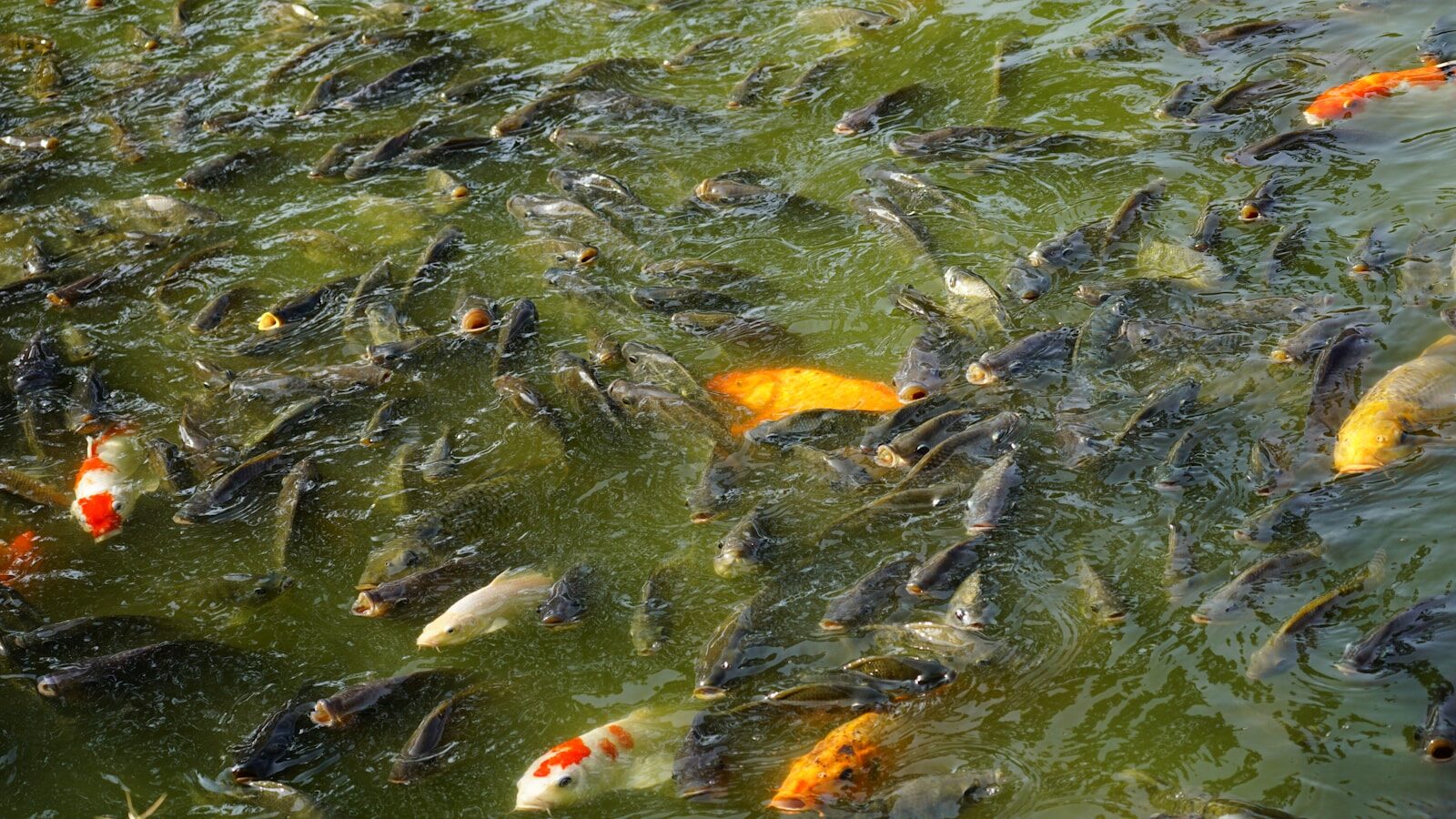
Migratory freshwater fishes—species that move between different habitats within river systems, between rivers and the ocean, or across vast stretches of freshwater to complete their life cycles—are among the most ecologically important and most threatened animals on Earth. They connect distant ecosystems, transport nutrients across landscapes, support food webs from headwater streams to ocean coasts, and sustain the livelihoods and cultures of communities that have depended on them for millennia. Yet migratory freshwater fish populations have declined by 81% globally since 1970, according to the World Fish Migration Foundation’s Living Planet Index for Migratory Freshwater Fish—a collapse more severe than any other vertebrate group tracked. Five urgent threats drive this catastrophe.
The Ecological Importance of Migratory Freshwater Fish
Before examining the threats, it is worth understanding what is at stake beyond biodiversity metrics. Migratory freshwater fish perform ecosystem functions that are irreplaceable by other species or technological substitutes. Pacific salmon, which migrate from the ocean to spawn in freshwater streams and then die, deliver enormous quantities of marine-derived nitrogen and phosphorus to river systems and surrounding forests—nutrients that fertilize riparian vegetation, feed scavengers from bears to eagles to insects, and support the very stream ecosystems their offspring will inhabit.
American shad, once so abundant in Eastern rivers that George Washington’s Mount Vernon fishery supplied food for surrounding communities, filter enormous quantities of phytoplankton during their coastal residence, influencing water quality across estuarine systems. Freshwater eels—critically endangered across their Atlantic range—serve as apex predators in stream systems, regulating fish and invertebrate communities in ways that maintain ecological balance. Losing these species is not merely an aesthetic or biodiversity loss; it is a functional impoverishment of entire river systems that ripples through terrestrial and coastal ecosystems far from the rivers themselves.
Threat 1: Dams and Barriers — Blocking the Way
The most direct and pervasive threat to migratory freshwater fishes is the physical blockage of their movement pathways by dams, weirs, culverts, and other in-stream barriers. There are approximately 84,000 dams in the United States alone, plus millions of culverts, low-head dams, and other passage barriers that interrupt the continuous river corridors that migratory species require to complete their life cycles.
The consequences are stark. Atlantic salmon once ran in virtually every major river system from Maine to Long Island Sound. Commercial and sportfishing harvests reached into the tens of millions of fish annually. Today, naturally reproducing Atlantic salmon populations survive in just 8 river systems in Maine, with total adult returns numbering in the low thousands. Dam construction on the Penobscot, Connecticut, Merrimack, and other major rivers cut off the vast majority of their historical spawning habitat.
Fish passage structures—fish ladders, bypass channels, and trap-and-haul programs—provide partial mitigation at some dams, but most barriers in the US lack any passage infrastructure. The American Rivers organization tracks dam removals, which have become one of the most effective conservation interventions available: over 1,900 dams have been removed in the US in the past several decades, often producing rapid, dramatic fisheries recoveries. The removal of the Elwha Dam in Washington state restored Chinook salmon to 70 miles of previously inaccessible habitat within years of removal.
Threat 2: Water Extraction and Dewatering — Not Enough Water to Migrate
Migratory fish need sufficient water volume and velocity to trigger migration, navigate upstream, spawn, and allow their offspring to emigrate downstream. Across the American West and in many Eastern watersheds, agricultural and municipal water diversions remove so much water from rivers that flows fall below levels necessary to support migration—sometimes reducing rivers to disconnected pools or dry channels entirely during critical migration periods.
The Sacramento River system in California illustrates this challenge acutely. Federal Central Valley Project and State Water Project diversions remove a substantial fraction of the Sacramento River’s historical flow, reducing the salmon-carrying capacity of the river system and altering the thermal and chemical conditions that juvenile fish require for rearing. During drought years, diversions combined with low natural inflows have driven salmon migration mortality to catastrophic levels and periodically caused total run failures for some salmon stocks.
Low flows also interact with temperature to create compound stressors. Reduced water volume means less thermal mass to buffer air temperature extremes, resulting in higher summer temperatures that exceed salmon’s thermal tolerance thresholds. The intersection of water scarcity and climate warming is among the most acute challenges facing Western freshwater fish conservation, requiring both water rights reform and aggressive management of thermal refugia to maintain viable populations.
Threat 3: Habitat Degradation — No Place to Spawn or Rear
Even when migratory fish can reach their historical spawning areas, they often find those habitats severely degraded. Salmon spawn in gravel beds where eggs can be buried and oxygenated by water flowing through the interstices between stones. Sediment pollution from logging, road construction, mining, and agriculture clogs these gravel beds, reducing dissolved oxygen levels in the egg pockets and smothering developing embryos and larvae.
Riparian deforestation removes the shade that moderates stream temperature, the large wood that creates pool and riffle habitat complexity, and the terrestrial insect inputs that subsidize the food available to juvenile fish. Agricultural drainage of wetlands eliminates the off-channel rearing areas where juvenile salmon and other migratory species grow and develop before migrating to sea.
Urban development creates “flashy” hydrographs—rapid rise and fall of river levels in response to rainfall, as impervious surfaces prevent infiltration and route stormwater directly to streams. These hydrological extremes—intense, brief flood pulses following storms, then rapid low-flow conditions—are ecologically destructive compared to the more gradual, sustained flows that historically characterized streams with forested, infiltration-rich watersheds. Migratory fish life histories evolved in response to historical flow regimes; urbanization creates novel conditions that their life cycles are not adapted to.
Threat 4: Overexploitation and Bycatch — Harvesting Faster Than Recovery
Unsustainable fishing pressure—both targeted harvest of migratory species and incidental bycatch in fisheries targeting other species—has contributed significantly to population declines of migratory freshwater fishes. The collapse of Atlantic bluefin tuna, now recovering after strict international management, illustrates how rapidly intensive commercial fishing can devastate populations that appeared inexhaustible.
Migratory freshwater fishes face particular vulnerability to overexploitation because their predictable migration patterns—aggregating in rivers to spawn, or concentrating in certain coastal areas—make them easy to harvest in large quantities at specific times and places. Historically, Pacific salmon runs in Pacific Northwest rivers were intercepted by a gauntlet of commercial fisheries from ocean trolling to river gill nets, with harvest rates that sometimes exceeded the capacity of populations to sustain themselves even before habitat impacts reduced productivity.
Management reforms—including science-based harvest limits, marine protected areas, bycatch reduction requirements in trawl fisheries, and tribal co-management in the Pacific Northwest—have improved the situation substantially in some fisheries. But globally, many migratory fish species remain subject to unmanaged or poorly managed harvest, particularly in international waters where governance is fragmented.
Threat 5: Climate Change — Altering the Rules of the Game
Climate change interacts with and amplifies every other threat facing migratory freshwater fishes, while also generating novel challenges that would threaten even well-protected, well-managed populations. Rising water temperatures are the most direct impact: as rivers warm beyond the thermal tolerances of cold-water species, the geographic range of suitable habitat shrinks and migrates upward in elevation and poleward in latitude, sometimes faster than fish populations can track.
Climate change also disrupts the seasonal timing cues that trigger migration. Salmon migrations are triggered partly by changes in day length and partly by water temperature and flow conditions. As temperature regimes shift, the historical alignment between migration timing and the availability of food resources, appropriate spawning conditions, and optimally sized offspring at the time of ocean entry may break down—a phenomenon researchers call “phenological mismatch.”
Ocean conditions critical for the marine phase of anadromous fishes’ life cycles are also changing. Pacific salmon spend 1–4 years at sea before returning to spawn; the productivity of their ocean feeding grounds, which depends on upwelling patterns, prey fish abundance, and water temperature, is being altered by climate change in ways that affect survival and growth during the ocean phase. Poor ocean conditions during 2022–2024 contributed to historically low adult returns of Sacramento River Chinook salmon.
The Path Forward: Urgent Action Required
The scale of migratory freshwater fish declines demands urgent, coordinated action across multiple fronts. Several high-priority interventions have strong evidence of effectiveness:
Accelerate dam removal on rivers where benefits to fish outweigh power generation and other dam functions. The infrastructure funding available through the Bipartisan Infrastructure Law includes provisions for dam removal that should be fully utilized. Dams on the Klamath River, whose removal began in 2023 in the largest dam removal project in US history, will restore over 400 miles of salmon habitat and represent a transformative conservation achievement.
Reform water rights and allocation in Western states to ensure minimum environmental flows during critical migration periods. In-stream flow water rights, voluntary water leasing programs, and expanded water efficiency investment can reduce the gap between agricultural water demand and ecological water needs.
Expand fish passage programs at existing barriers that cannot be removed. The National Fish Passage Program, administered by the US Fish and Wildlife Service, has improved passage at thousands of barriers; expanded funding would allow scaling to address the enormous remaining backlog.
Protect and restore riparian zones to rebuild thermal refugia, sediment filtration, and habitat complexity. The USDA’s conservation programs provide cost-sharing for riparian buffer restoration that should be fully funded and promoted to landowners across riparian zones.
The Global Declaration for Rivers, Fish and People—signed by governments, NGOs, and scientific organizations—commits signatories to reversing the decline of migratory freshwater fish by 2030. Translating this commitment into funded, implemented action in the United States and globally requires sustained political will and public support for one of the planet’s most ecologically essential and imperiled vertebrate groups.
Related reading: Freshwater Biodiversity | Climate and Ecosystems
Water Footprint Impact Calculator
Measure direct and virtual water consumption across household, agricultural, and industrial supply chains against regional watershed stress metrics.
Calculate Water Footprint →