The designation of “Our Power, Our Planet” for Earth Day 2026 marks a critical fracture point in global environmental discourse. For decades, multinational conglomerates and investor-owned utilities have successfully outsourced climate guilt to the consumer. We have been sold a narrative that substituting plastic straws and adopting zero-waste hobbies will stabilize the biosphere.
This is a statistically impossible premise.
When analyzing the thermodynamics of global emissions through the lens of ecological economics, individual consumptive adjustments barely register against the inertia of industrial-scale fossil infrastructure. If we are to honor the 2026 theme of “Our Power,” we must reclaim the word power in both its literal, electrical sense and its systemic, political reality. The era of the personal carbon footprint is over; the era of decentralized, democratic energy architecture has arrived.
Table of Contents
The Core of “Our Power, Our Planet”
Strip away the corporate social media campaigns, and this year’s Earth Day theme reveals a mandate for structural accountability. “Our Power” is not a plea to turn off the lights when leaving a room. It is a direct challenge to the centralized monopolies that control how electrons are generated, priced, and distributed.
When observing the world’s dismal performance in tackling climate change, a recurring failure point emerges: reliance on top-down, non-binding international treaties that lack localized enforcement mechanisms. To shift the paradigm, power must be localized. This requires transitioning from a centralized grid—dominated by massive, highly polluting power plants—to a cellular, interconnected web of resilient local ecosystems.
Systemic Shifts: Ecological Economics Over Individual Perfection
Ecological economics dictates that an economy is a wholly-owned subsidiary of the environment, not the reverse. Consequently, addressing climate destabilization requires rewiring the financial mechanisms that fund infrastructure.
Breaking the Utility Monopoly with Distributed Energy Resources (DERs)
Centralized utility models are fundamentally misaligned with rapid decarbonization. Investor-owned utilities (IOUs) generate profit through guaranteed returns on massive capital expenditures, such as building natural gas pipelines or monolithic substations. They have zero structural incentive to help consumers generate their own power.
This is where Distributed Energy Resources (DERs) enter the equation. DERs encompass rooftop photovoltaic (PV) arrays, localized battery storage, bidirectional EV chargers, and automated demand-response software. According to the Intergovernmental Panel on Climate Change, integrating decentralized energy resources is no longer merely a transition strategy but an absolute requirement for mitigating warming to within the 1.5°C threshold (IPCC, 2023). By scaling DERs, communities actively bleed capital away from fossil-heavy monopolies and keep energy expenditures circulating within the local economy.
The Financial Mechanics of Community Choice Aggregation (CCA)
Technological disruption is insufficient without financial restructuring. Community Choice Aggregation (CCA) allows local governments to pool the electricity load of their residents and purchase power on their behalf, entirely bypassing the procurement monopolies of traditional utilities.
CCAs fundamentally alter the demand side of the energy market. By leveraging bulk purchasing power, municipalities can demand 100% renewable portfolios, forcing grid operators to aggressively scale wind, solar, and geothermal baseloads to secure lucrative municipal contracts.
Predictive Insight: The Post-2026 Grid Evolution
Mainstream analysis consistently overestimates the impact of federal legislation while underestimating the velocity of localized technological adoption.
The Forecast: By 2030, the traditional unidirectional power grid will be obsolete in tier-one global markets. We project that up to 40% of grid resilience during peak demand will rely on consumer-side Virtual Power Plants (VPPs) rather than utility-scale peaker plants.
As communities navigate what’s next for U.S. climate policy after 2024, it is becoming evident that federal gridlock is a permanent feature, not a temporary bug. VPPs bypass this paralysis entirely. By networking thousands of decentralized residential batteries and EVs via smart software, communities can dispatch stored renewable energy back to the grid during shortages. The International Energy Agency indicates that unlocking demand-side flexibility through VPPs could reduce global grid investment requirements by hundreds of billions of dollars over the next decade (IEA, 2025).
The Contrarian Gap: The Illusion of the Personal Carbon Footprint
The mainstream environmental movement still suffers from a fatal blind spot: it treats the “personal carbon footprint” as a valid scientific metric. It is not. The concept was popularized by a BP public relations campaign in the early 2000s specifically to deflect regulatory scrutiny away from fossil fuel extraction and onto personal consumer choices.
Focusing on individual consumption while ignoring systemic extraction is mathematically futile. If you lived a perfectly zero-waste, off-grid lifestyle, your impact on global emissions would be negligible as long as the global shipping, agricultural, and industrial sectors remain tied to hydrocarbons.
This engineered deflection mirrors the broader backlash against ESG sustainability frameworks, where systemic corporate accountability is diluted into voluntary, unaudited metrics. True sustainability does not ask you to agonizingly calculate the emissions of your grocery trip; it asks you to dismantle the system that forces your groceries to be grown with synthetic fertilizers and transported via diesel freight.
Actionable Intelligence: The Power Playbook
Reclaiming “Our Power” requires abandoning the pursuit of individual eco-purity in favor of high-leverage, systemic disruption. Here are three systems-level actions to deploy immediately:
Divest and Democratize Capital: Personal banking choices hold immense systemic weight. Transfer capital from mega-banks that underwrite fossil fuel expansion to local credit unions or green banks that explicitly finance regional DER installations and community solar arrays.
Accelerate Microgrid Participation: If you have capital for home upgrades, shift focus from passive efficiency to active grid participation. Integrate bidirectional EV chargers and residential battery storage, and enroll in local Virtual Power Plant (VPP) aggregation programs to actively supply the grid during peak strain.
Lobby at the Public Utility Commission (PUC) Level: The most consequential climate decisions are not made in Washington or Paris; they are made in obscure state-level PUC boardrooms. Organize locally to attend PUC hearings and aggressively oppose rate hikes intended to fund new natural gas infrastructure, demanding those funds be diverted to grid modernization and DER incentives.
7 Critical Insights on the LINC Cornwall Carbon Offsetting Tool
The global imperative to mitigate atmospheric carbon has necessitated innovative financial and ecological mechanisms. At the forefront of this systemic transition is the LINC Cornwall carbon offsetting tool. By localizing environmental finance, this platform connects corporate sustainability goals directly with regional land management. It operates as a critical node in a much larger ecological network.
Understanding the mechanics of the LINC Cornwall carbon offsetting tool requires analyzing both market dynamics and earth systems. Traditional carbon offsets often suffer from opacity and spatial disconnect. By contrast, a regionally grounded model ensures that financial investments yield verifiable, immediate ecological improvements within a specific geographical catchment. This localized approach prevents the abstraction of environmental harm.
We must connect these local interventions to broader systemic climate patterns. When a local marsh is restored through this financial exchange, it does more than balance a corporate ledger. It alters the local hydrological cycle, sequesters atmospheric carbon into the soil biosphere, and stabilizes microclimates. This regional resilience acts as a buffer against the macro-level volatility of global climate change.
Table of Contents
Restored wetlands act as vital carbon sinks and natural flood management systems.
The Architecture of the LINC Cornwall Carbon Offsetting Tool
The fundamental premise of the LINC Cornwall carbon offsetting tool rests on the concept of natural capital valuation. Developed through a collaboration between Cornwall Council, EnTrade, and Arup, the platform operates as an online nature market. It translates complex ecological restoration into quantifiable environmental credits. This framework allows private entities to seamlessly fund verified, high-integrity projects.
Historically, environmental degradation has been treated as an economic externality. The LINC Cornwall carbon offsetting tool internalizes these costs by creating a legitimate marketplace for ecosystem services. Buyers purchase credits to offset their operational impacts, while suppliers—typically farmers and landowners—receive necessary funding to execute conservation efforts. This creates a circular, regenerative economic loop.
To ensure scientific integrity, the platform utilizes advanced allocation mechanisms to price environmental benefits accurately. By quantifying metrics such as soil carbon density and water nutrient loads, the system guarantees that corporate investments translate into real-world biophysical improvements..
Connecting this localized market to global climate systems reveals its true value. The biosphere functions as a series of interconnected carbon sinks and sources. When the LINC Cornwall carbon offsetting tool facilitates the planting of native woodlands, it actively manipulates the regional carbon cycle. This directly mitigates the thermodynamic imbalances driving global temperature anomalies.
How the LINC Cornwall Carbon Offsetting Tool Restores Habitats
The practical application of the LINC Cornwall carbon offsetting tool is evident in its diverse portfolio of nature recovery projects. These initiatives extend far beyond simple tree planting. They encompass complex ecological interventions designed to restore systemic balance. Some of the primary focus areas include:
Catchment Roughening: Introducing natural friction to slow water flow, thereby reducing flood risks and allowing for groundwater recharge.
Peatland Restoration: Re-wetting degraded bogs to prevent the oxidation of ancient organic matter, effectively halting mass carbon release.
Seagrass Meadow Recovery: Cultivating marine plants that capture carbon at rates significantly higher than terrestrial forests.
Regenerative Agriculture: Transitioning farming practices to enhance soil microbiome health and increase long-term crop resilience.
By funding these specific interventions, the LINC Cornwall carbon offsetting tool directly addresses both the climate and biodiversity crises simultaneously. We can view these projects as localized ecological medicine. They repair the fractured biological networks that regulate our planet’s baseline atmospheric chemistry.
This cluster of regional initiatives is setting the standard for future ecological governance. The success of Cornwall’s model provides a scalable blueprint for other regions facing similar environmental vulnerabilities.
The Financial Mechanics of Natural Capital
Transitioning from an extractive economy to a restorative one requires rigorous financial engineering. The LINC Cornwall carbon offsetting tool utilizes a unique matching system to pair buyers with the most appropriate local projects. This ensures that capital flows efficiently toward the areas of highest ecological need. The mechanism reduces transaction friction and maximizes the actual percentage of funds reaching the soil.
Unlike international, voluntary carbon markets that often rely on vague avoidance metrics, Cornwall’s Natural Capital Exchange emphasizes tangible, local additionality. Additionality means the ecological benefit would not have occurred without the specific financial intervention. This strict standard prevents greenwashing and ensures corporate accountability.
To illustrate the systemic advantages of this regional approach, consider the following data comparison. It highlights the structural differences between conventional offsets and localized natural capital exchanges.
Metric / Feature
Traditional Voluntary Offsets
LINC Cornwall carbon offsetting tool
Spatial Verification
Often remote, difficult to audit.
Hyper-local, physically verifiable by stakeholders.
Ecological Focus
Primarily singular (Carbon equivalence).
Multi-dimensional (Carbon, Water, Biodiversity).
Economic Beneficiary
International brokers and distant developers.
Local farmers, conservationists, and regional economies.
Systemic Impact
Abstract atmospheric mitigation.
Tangible climate resilience and local flood prevention.
This data table underscores why the LINC Cornwall carbon offsetting tool represents a paradigm shift. It moves the focus from mere carbon accounting to holistic ecosystem regeneration. By stacking multiple environmental benefits into a single funded project, the region maximizes its return on ecological investment. You can find further authoritative data on environmental economics via the University of Exeter’s Land, Environment, Economics and Policy Institute.
Engaging Landowners and Corporate Stakeholders
The ultimate success of the LINC Cornwall carbon offsetting tool hinges on its ability to incentivize local landowners. Farmers manage the vast majority of the UK’s physical landscape. Without their active participation, systemic ecological recovery is physically impossible. The platform provides them with a viable, long-term alternative revenue stream.
By treating ecosystem services as a legitimate cash crop, the LINC Cornwall carbon offsetting tool aligns agricultural economics with planetary boundaries. Landowners are financially rewarded for adopting sustainable land management practices. This economic security allows them to experiment with restorative techniques that might otherwise carry prohibitive short-term financial risks.
Corporate stakeholders benefit equally from this transparent arrangement. Businesses are facing increasing regulatory pressure to disclose and mitigate their environmental impacts. Participating in this localized market provides them with robust, defensible data for their Environmental, Social, and Governance (ESG) reporting. It also fosters goodwill within the communities where they operate.
Assessing the Viability of Regional Nature Markets
The deployment of the LINC Cornwall carbon offsetting tool is not without its systemic challenges. Establishing a highly functioning nature market requires robust baseline data, ongoing monitoring, and sophisticated legal frameworks. Ensuring that environmental credits represent permanent, irreversible improvements remains a complex scientific undertaking. The natural world is dynamic, and interventions carry inherent biological risks.
However, the Department for Environment, Food & Rural Affairs has recognized the necessity of these pilot programs. Their financial backing indicates a significant shift in national environmental strategy. The goal is to raise billions in private finance for nature recovery by 2030. The LINC Cornwall carbon offsetting tool is serving as a critical testing ground for this national ambition.
This framework provides the essential guardrails that maintain market integrity and prevent the financialization of nature from leading to adverse ecological outcomes.
When we zoom out, the necessity of the LINC Cornwall carbon offsetting tool becomes undeniably clear. Our current global economic model systematically undervalues the foundational earth systems that sustain human life. By creating a localized, highly regulated mechanism to price and protect these assets, Cornwall is addressing the root cause of the ecological crisis, not just its symptoms.
Conclusion: A Paradigm Shift in Ecological Economics
The emergence of the LINC Cornwall carbon offsetting tool signals a critical maturation in how we approach climate mitigation. It demonstrates that the path to global atmospheric stability runs directly through local ecological restoration. By bridging the gap between high-level green finance and grassroots conservation, this platform offers a deeply pragmatic solution to a complex systemic threat.
Ultimately, the true value of the LINC Cornwall carbon offsetting tool lies in its potential for replication. As the methodology for valuing natural capital becomes more refined, similar localized markets can be deployed globally. This decentralized approach to environmental repair may prove to be our most effective mechanism for securing long-term planetary resilience.
Sustainable Macroeconomics Frameworks: How Economics Evolves for a Climate-Changed Century
Overview
As climate risks reshape markets, supply chains, and national budgets, economists are rethinking the foundations of macroeconomic policy. Sustainable macroeconomics frameworks aim to integrate environmental limits, social resilience, and long-term resource security into the core structure of economic decision-making — not just as external “environmental concerns,” but as central macro forces.
This shift is accelerating across the U.S. policy space as climate shocks, infrastructure strains, and transition costs become macro-level challenges.
Table of Contents
What Are Sustainable Macroeconomics Frameworks?
Traditional macroeconomics assumed:
infinite resource availability
stable climate baselines
linear growth trajectories
externalized environmental costs
Sustainable macroeconomics frameworks update these assumptions by integrating:
energy systems as fundamental constraints
climate impacts as macro shocks
ecological thresholds as boundary conditions
distributional equity as economic stability
resilience as an economic asset
This creates an economic system that recognizes biophysical limits and actively manages long-term risks.
Why This Shift Is Happening Now
Three converging forces are reshaping macroeconomic thinking:
1. Climate Change Is Becoming a Macro Variable
Extreme weather, supply chain disruptions, infrastructure losses, rising insurance costs, and agricultural volatility all influence inflation, productivity, and GDP.
2. The Energy Transition Is Redefining Industrial Structure
Electrification, grid modernization, and clean-tech manufacturing are creating new macroeconomic drivers, with U.S. federal incentives accelerating the shift.
3. Markets Are Repricing Climate and Transition Risks
Capital is flowing toward resilient infrastructure, low-carbon technologies, and climate-aligned assets, shifting long-term investment dynamics.
Together, these forces require a new macroeconomic operating system.
Core Principles of Sustainable Macroeconomics Frameworks
1. Long-Term Stability Over Short-Term Cycles
Instead of prioritizing immediate growth, sustainable macroeconomics emphasizes:
intergenerational resource security
stable supply chains
long-term infrastructure resiliency
This aligns with both ecological limits and economic stability.
2. Climate-Adjusted Productivity Models
Traditional productivity metrics ignore:
ecological degradation
disaster losses
ecosystem service decline
New frameworks integrate environmental inputs as critical components of productivity.
3. Risk-Integrated Fiscal Policy
Sustainable macroeconomics redefines fiscal planning to account for:
climate adaptation needs
disaster recovery costs
resilient infrastructure investments
decarbonization incentives
This reduces future liabilities and stabilizes government budgets.
4. Energy-Systems-Based Growth Models
Energy is not just a sector — it is the foundation of economic productivity.
These frameworks model growth using:
net energy availability
grid reliability
renewable capacity expansion
physical energy constraints
This creates more realistic growth projections.
5. Inclusive and Equitable Economic Design
Sustainable macroeconomics integrates social stability by considering:
climate-driven inequality
regional economic disparities
workforce transitions
affordability in energy and housing
Equity becomes a macro stabilizer, not a separate social issue.
How the U.S. Is Beginning to Adopt These Ideas
Inflation Reduction Act (IRA)
Functions as a macro-level industrial policy shaping energy, manufacturing, and regional development.
Federal Reserve Climate Risk Assessments
Integrate climate shocks into financial stability analyses.
State-Level Resilience Budgets
Florida, California, New York, and others now treat resilience spending as long-term economic safeguards.
USDA & DOE Research Integration
Agricultural resilience and clean energy capacity are now central to economic modeling.
While still early, these steps signal a structural shift toward sustainable macroeconomic thinking.
Impacts on Key Economic Sectors
Agriculture
Climate volatility changes yield patterns, commodity prices, insurance costs, and land values.
Infrastructure
Billion-dollar weather disasters influence federal and state spending priorities.
Energy
Decarbonization alters inflation dynamics, investment flows, and grid planning.
Real Estate & Insurance
Rising climate risk exposure forces new valuation models.
Labor
Heat stress, climate migration, and green-economy jobs reshape workforce dynamics.
Framework Variants Emerging Globally
1. Doughnut Economics
Integrates social foundations and ecological ceilings.
2. Ecological Macroeconomics
Focuses on biophysical resource constraints.
3. Mission-Oriented Industrial Policy
Public investment aimed at climate and societal challenges.
4. Post-Growth Macro Frameworks
Centers stability and well-being over GDP expansion.
5. Resilience Economics
Models system durability as a growth asset.
The U.S. typically adapts concepts rather than adopting them wholesale, creating hybrid models.
How Sustainable Macroeconomics Supports Long-Term Prosperity
These frameworks strengthen:
economic resilience
climate adaptation capacity
national competitiveness
supply chain reliability
community stability
public sector financial health
Instead of ignoring environmental boundaries, they convert them into strategic planning tools.
FAQs
What is the main goal of sustainable macroeconomics frameworks?
To align economic policy with climate reality, resource limits, and long-term resilience.
How are they different from traditional macroeconomics?
They treat environmental systems as integral to economic stability — not externalities.
Why do these frameworks matter for the USA?
Climate disruptions and energy transition costs are increasingly shaping inflation, productivity, and fiscal policy.
Are they anti-growth?
Not necessarily — they aim for stable, resilient, long-term prosperity rather than short-term expansion.
Understanding ESG Benchmarking: A Complete Guide for Environmental Enthusiasts
Corporate accountability requires precise measurement. Investors and policymakers increasingly demand transparency regarding environmental impacts. Consequently, tools to evaluate corporate sustainability performance are now essential.
ESG benchmarking provides the quantitative framework needed for this evaluation. It compares a company’s environmental, social, and governance metrics against industry peers or established standards. Therefore, stakeholders can identify leaders and laggards in sustainability.
This process matters because it redirects capital toward sustainable enterprises. Furthermore, it exposes greenwashing and forces systemic operational changes. This guide explores the scientific foundation, ecological impacts, and strategic pathways of ESG benchmarking.
Table of Contents
Key Concepts and Scientific Foundation
Understanding corporate sustainability requires a clear grasp of foundational metrics. The scientific community and financial sector rely on standardized criteria. Together, they quantify previously qualitative environmental claims.
Definitions of the Criteria
The environmental component focuses on ecological stewardship. It measures greenhouse gas emissions, water usage, waste management, and biodiversity impacts. Therefore, this pillar relies heavily on climate science and life cycle assessments.
The social component evaluates stakeholder relationships. It examines labor practices, community impact, and human rights across the supply chain. Consequently, it draws from sociology and public policy metrics.
The governance component assesses corporate leadership structure. It scrutinizes executive pay, board diversity, and anti-corruption policies. Ultimately, strong governance ensures the accurate reporting of the other two pillars.
Mechanisms of Comparison
ESG benchmarking operates through standardized data collection. Companies report their metrics using established frameworks. Subsequently, rating agencies aggregate this data into comparable scores.
Analysts use these scores to rank companies within specific sectors. For example, a fossil fuel company is compared directly to other energy providers. This sector-specific approach ensures fair and relevant evaluations.
Systems and Frameworks Involved
Several dominant systems guide corporate sustainability reporting. The Global Reporting Initiative (GRI) provides comprehensive standards for broad stakeholder impact. Meanwhile, the Sustainability Accounting Standards Board (SASB) focuses on financial materiality.
The Task Force on Climate-related Financial Disclosures (TCFD) requires specific climate risk assessments. Recently, the International Sustainability Standards Board (ISSB) emerged to consolidate these varied frameworks. As a result, the global system is moving toward unified reporting standards.
Environmental and Economic Impacts
The implementation of rigorous evaluation frameworks generates tangible real-world outcomes. These outcomes span both ecological preservation and global financial markets. Indeed, the two are deeply interconnected.
Ecological Consequences
Without ESG benchmarking, companies often externalize environmental costs. Unregulated industries contribute disproportionately to habitat destruction and pollution. Conversely, standardized benchmarking forces companies to measure and reduce their Scope 3 emissions.
Scope 3 emissions include all indirect emissions within a value chain. Tracking these emissions is crucial for meeting the Paris Agreement targets. Therefore, accurate benchmarking directly supports global climate mitigation efforts.
Furthermore, new metrics now evaluate corporate impacts on biodiversity. Deforestation and water contamination are quantified and penalized in sustainability scores. Consequently, highly rated companies are statistically less likely to cause severe ecological damage.
Financial Implications
Sustainability performance directly influences capital allocation. Investors funnel trillions of dollars into highly rated ESG funds. As a result, companies with strong ESG benchmarking scores often enjoy a lower cost of capital.
Conversely, poor sustainability performance introduces severe financial risks. Companies ignoring climate science face stranded assets and regulatory fines. Furthermore, they risk massive reputational damage in a highly conscious consumer market.
Global and Regional Data
European markets currently lead in sustainability integration. The European Union mandates strict reporting for large corporations. Consequently, European companies generally score higher in global evaluations.
Emerging markets face a different reality. Many lack the infrastructure for rigorous data collection. However, international supply chain requirements are forcing rapid improvements in these regions. Ultimately, global trade dependencies are standardizing environmental expectations.
Real World Case Studies and Applications
Theoretical frameworks only matter when applied in real-world scenarios. Governments and corporations are utilizing these metrics to drive actual change. Therefore, examining practical applications reveals the true utility of these systems.
Policy Examples
The European Union Corporate Sustainability Reporting Directive (CSRD) represents a massive policy shift. It requires thousands of companies to disclose their environmental impacts comprehensively. Furthermore, it mandates independent auditing of this data.
Similarly, the United States Securities and Exchange Commission (SEC) is developing climate disclosure rules. These rules aim to standardize how public companies report climate-related financial risks. Consequently, ESG benchmarking is shifting from voluntary practice to strict legal compliance.
Technology and Innovation
Technology plays a critical role in data accuracy. Artificial intelligence now analyzes vast amounts of corporate documentation to verify sustainability claims. Additionally, natural language processing identifies discrepancies in public reports.
Satellite imagery provides another innovative application. Analysts use satellites to monitor deforestation linked to agricultural supply chains. Therefore, technology bypasses corporate self-reporting and provides objective ecological data.
Geographic Examples
In Brazil, agricultural benchmarking is crucial for protecting the Amazon rainforest. Investors use specific metrics to avoid funding companies involved in illegal logging. Consequently, financial pressure aids regional conservation efforts.
In Japan, corporate governance reform has improved sustainability transparency. The government actively encourages companies to align with international climate standards. As a result, Japanese manufacturing is rapidly adopting greener supply chain practices.
Challenges and Barriers in ESG Benchmarking
Despite its benefits, the evaluation of corporate sustainability faces significant hurdles. Flawed data and political pushback threaten the credibility of the entire system. Addressing these barriers is essential for future progress.
Political Obstacles
A vocal anti-ESG movement has emerged in certain political jurisdictions. Critics argue that environmental criteria prioritize ideology over financial returns. Consequently, several states have attempted to ban sustainable investing practices for public pension funds.
This political polarization creates a fractured regulatory landscape. Companies operating globally must navigate conflicting legal requirements. Therefore, political instability complicates the widespread adoption of universal standards.
Economic Barriers
Implementing rigorous reporting structures requires significant financial investment. Small and medium-sized enterprises (SMEs) often lack the resources to hire sustainability consultants. Furthermore, auditing fees place an unequal burden on smaller businesses.
Technical Challenges and Greenwashing
Data fragmentation remains a severe technical challenge. Rating agencies often use different methodologies to evaluate the same company. As a result, a single corporation might receive vastly different scores from different analysts.
This inconsistency creates opportunities for greenwashing. Companies may selectively report favorable data while hiding negative environmental impacts. Therefore, without standardized verification, ESG benchmarking can mislead well-intentioned investors.
Social Resistance
Internal corporate culture often resists the changes required by sustainability metrics. Middle management may prioritize short-term profits over long-term environmental goals. Consequently, successful implementation requires a fundamental shift in corporate values.
Solutions and Strategic Pathways
Overcoming current barriers requires coordinated action across multiple sectors. Policymakers, technologists, and individuals must collaborate to refine these systems. Fortunately, evidence-based solutions are already emerging.
Policy Reform Ideas
Governments must prioritize the standardization of reporting frameworks. The adoption of the ISSB standards globally would eliminate data fragmentation. Furthermore, mandatory third-party auditing is necessary to eliminate corporate greenwashing.
Regulators should also create tiered reporting requirements. This approach would reduce the financial burden on smaller enterprises. Consequently, SMEs could participate in the green economy without facing bankruptcy.
Evidence-Based Solutions
The industry must shift from self-reported data to objective scientific measurement. Incorporating direct emission tracking into ESG benchmarking improves accuracy significantly. Additionally, supply chain transparency must be enforced through blockchain or similar immutable ledgers.
Industry Level Transformation
Financial rating agencies need to increase the transparency of their methodologies. Open-source evaluation models would allow the scientific community to peer-review the scoring process. Therefore, public scrutiny would drive higher quality data analysis.
Individual Action Steps
Review the sustainability ratings of your personal investment portfolios.
Shift retirement funds into verified sustainable investing vehicles.
Demand transparency from the consumer brands you purchase regularly.
Support policymakers who advocate for strict corporate environmental disclosures.
Frequently Asked Questions
What is ESG benchmarking?
It is the process of evaluating a company’s environmental, social, and governance performance against industry peers. It uses standardized data to determine how well a company manages its sustainability risks and opportunities.
Why is it important for preventing greenwashing?
Standardized evaluation requires quantifiable, auditable data rather than vague marketing claims. By comparing actual metrics like carbon output, it exposes companies that make false or exaggerated environmental promises.
How do ratings impact a company’s financial standing?
High scores often attract sustainable investment capital and lower the cost of borrowing. Conversely, poor scores indicate high operational or regulatory risks, which can deter investors and negatively impact stock prices.
What is the biggest flaw in current sustainability metrics?
The biggest flaw is the lack of standardized methodologies among rating agencies. Because different agencies weigh criteria differently, a company can score highly on one index while failing on another.
Conclusion
The transition to a sustainable global economy requires accurate measurement and strict accountability. Evaluating corporate practices through rigorous data analysis is no longer optional. It is a fundamental requirement for ecological preservation and market stability.
ESG benchmarking serves as the critical bridge between climate science and financial markets. While challenges like data fragmentation and greenwashing persist, standardizing these frameworks offers a clear pathway forward. By demanding transparent metrics, we can force industries to internalize their environmental costs.
As standards evolve, educated stakeholders must continue to scrutinize corporate claims. Check your investment portfolios today and align your capital with evidence-based sustainability practices.
Scope 3 Emissions Explained: Tracking the Hidden Carbon in Global Supply Chains
Introduction
Corporate climate pledges frequently obscure a massive environmental reality. Most of a company’s carbon footprint originates far outside its direct physical control. These indirect climate impacts are known as scope 3 emissions, and they represent the vast majority of corporate greenhouse gas pollution. Tracking this hidden carbon is absolutely essential for calculating true environmental impact and preventing deceptive corporate greenwashing.
Failing to measure value chain pollution renders any net-zero climate commitment fundamentally meaningless. As global sustainability standards mature, investors and regulators demand absolute transparency regarding these hidden supply chain impacts. Understanding this complex accounting framework is critical for driving authentic, systemic climate action. The following analysis explores the scientific foundation, economic impacts, and strategic solutions for tracking value chain pollution effectively.
Table of Contents
Key Concepts and Scientific Foundation
Carbon accounting relies on strict standardized frameworks to ensure global accuracy. The Greenhouse Gas Protocol established the definitive scientific methodology for categorizing corporate climate pollution.
Defining the Three Scopes
Environmental scientists divide corporate carbon into three distinct categories to avoid double counting. Scope 1 covers direct greenhouse gas releases from owned or controlled sources, such as company vehicles or factory furnaces. Scope 2 accounts for indirect pollution from the generation of purchased electricity, steam, heating, and cooling. Finally, scope 3 emissions encompass all other indirect pollution occurring within the corporate value chain, including both upstream and downstream activities.
Upstream and Downstream Mechanisms
The Greenhouse Gas Protocol divides these indirect impacts into fifteen specific categories. Upstream categories include the extraction of purchased raw materials, capital goods manufacturing, and employee commuting. Downstream categories track the pollution generated when consumers actively use the sold products and the environmental cost of final waste disposal. Consequently, this comprehensive mechanism forces companies to take responsibility for the entire lifespan of their commodities.
Systems and Data Complexity
Calculating value chain pollution requires incredibly complex data integration. Environmental engineers must analyze global shipping logistics, agricultural practices, and regional electricity grids simultaneously. Therefore, tracking these data points demands advanced scientific modeling and close collaboration with international suppliers.
Environmental and Economic Impacts
Ignoring value chain carbon generates profound ecological damage and severe financial risks. Accurate measurement fundamentally alters global market dynamics.
Ecological Consequences
When corporations ignore scope 3 emissions, global carbon accounting becomes dangerously inaccurate. A company might claim to operate a carbon-neutral headquarters while simultaneously contracting highly polluting overseas factories. This accounting loophole accelerates atmospheric temperature rise and localized ecological degradation. Measuring value chain carbon forces heavy industries to actively optimize their logistics and material sourcing.
Financial Implications and Climate Risk
Hidden carbon represents a massive, unpriced financial liability. As international governments implement aggressive carbon pricing mechanisms, supply chain pollution will dramatically increase manufacturing costs. Investors now view high value chain pollution as a severe risk indicator. Consequently, companies failing to address these hidden impacts will face higher interest rates and significant capital flight.
Global Market Transformation
Mandatory supply chain tracking actively eliminates market distortion. Historically, companies successfully outsourced their pollution to unregulated regions to maintain low prices. Standardized carbon accounting destroys this unfair competitive advantage. Companies investing in localized, low-carbon supply chains are finally securing the economic rewards they deserve.
Real World Case Studies and Applications
Examining practical industry applications reveals the massive scale of value chain pollution. Empirical data highlights the urgent need for supply chain transparency.
The Consumer Electronics Sector
Technology hardware companies face massive value chain challenges. For a leading smartphone manufacturer, actual facility operations generate less than five percent of total carbon pollution. The vast majority of their scope 3 emissions originate from third-party microchip fabrication and the electricity consumers use to charge the devices. To mitigate this, industry leaders now heavily subsidize renewable energy infrastructure for their overseas manufacturing partners.
Agricultural Supply Chains
The food and beverage industry relies almost entirely on indirect carbon impacts. A global dairy corporation generates massive value chain pollution through agricultural methane releases and deforestation tied to cattle feed. Accurately measuring these impacts forces corporations to directly fund regenerative agriculture practices among their independent farming suppliers.
Fast Fashion and Textiles
The global textile industry is notorious for hidden environmental damage. Fast fashion brands typically own very few actual garment factories. Therefore, nearly their entire environmental footprint qualifies as scope 3 emissions. This includes raw cotton cultivation, synthetic fabric production, and international freight shipping. Recognizing this reality has sparked urgent investments in textile recycling technologies and circular economy logistics.
Challenges and Barriers
Tracking hidden carbon presents immense structural and technical difficulties. Organizations must overcome entrenched data barriers to achieve accurate environmental accounting.
Opaque Supplier Data
The primary technical challenge is securing primary data from independent suppliers. Multinational corporations often source materials from thousands of localized vendors. Many of these small suppliers lack the technical expertise to calculate their own carbon footprints. Consequently, parent companies frequently rely on generic industry averages, which introduces significant margins of error into their final sustainability reports.
Jurisdictional and Regulatory Obstacles
Different countries enforce vastly different environmental reporting laws. A multinational corporation must navigate a fragmented regulatory landscape when collecting international supply chain data. This lack of global standardization allows highly polluting vendors to easily obscure their true ecological impacts behind weak regional regulations.
Economic Costs of Auditing
Implementing comprehensive supply chain tracking requires massive financial investment. Companies must purchase specialized software, hire environmental scientists, and conduct frequent on-site supplier audits. These high compliance costs represent a major economic barrier, particularly for small and medium-sized enterprises attempting to transition toward sustainable operations.
Solutions and Strategic Pathways
Achieving full value chain transparency requires aggressive technological integration and strict regulatory enforcement.
Technological Tracking and AI Integration
Artificial intelligence is completely revolutionizing carbon accounting. Advanced software platforms can now actively ingest millions of supply chain data points, from individual utility bills to global shipping manifests. These machine learning tools instantly identify data gaps and automatically calculate value chain pollution with unprecedented accuracy. Corporations must mandate the use of these transparent data platforms across their entire vendor networks.
Regulatory Mandates and Standardization
Governments must legally mandate comprehensive supply chain carbon reporting. The European Union has established a powerful precedent through the Corporate Sustainability Reporting Directive. This legislation legally requires large companies to publicly disclose their value chain pollution using standardized metrics. Global adoption of similar legislative mandates is absolutely essential to eliminate corporate greenwashing permanently.
Supplier Engagement and Financial Incentives
Corporations must actively partner with their suppliers rather than simply demanding compliance. Leading organizations now provide direct financial grants and technical training to help their vendors transition to renewable energy. By tying lucrative long-term purchasing contracts directly to verified carbon reduction targets, parent companies can rapidly decarbonize their entire global networks.
Frequently Asked Questions
What exactly are scope 3 emissions?
They encompass all indirect greenhouse gas pollution that occurs in a company’s value chain, excluding purchased electricity. This includes upstream activities like raw material extraction and downstream activities like consumer product use and end-of-life disposal.
Why are scope 3 emissions so difficult to calculate?
They are highly difficult to calculate because the pollution occurs outside the company’s direct control. Organizations must rely on thousands of independent suppliers across different countries to accurately report their individual energy usage and manufacturing data.
How do value chain emissions differ from Scope 1 and Scope 2?
Scope 1 involves direct pollution from owned assets, such as burning fuel in a company factory. Scope 2 covers indirect pollution from the purchased electricity used to power that factory. Value chain emissions cover everything else, representing the entire environmental lifecycle of a product.
Can a company claim to be net-zero without tracking supply chain carbon?
No, a net-zero claim is scientifically invalid if it ignores the supply chain. Because these indirect impacts often account for over eighty percent of a company’s total footprint, ignoring them constitutes severe corporate greenwashing.
Conclusion
Tracking scope 3 emissions is the definitive frontier of corporate climate action. By mathematically exposing the hidden carbon deeply embedded in global supply chains, this scientific framework forces heavy industries to acknowledge their true ecological footprint. Measuring these complex impacts prevents deceptive marketing and actively redirects corporate capital toward genuine environmental restoration.
Transitioning to a transparent, low-carbon global economy requires immediate, coordinated action. Policymakers must enforce strict reporting legislation, and financial institutions must aggressively penalize supply chain opacity. Ultimately, accurate value chain accounting empowers environmentally conscious consumers and investors to reward authentic sustainability. The global community must prioritize absolute supply chain transparency to ensure a resilient planetary future.
Life Cycle Assessment: The Scientific Method for Measuring True Sustainability
Introduction
Evaluating the actual environmental impact of a product or service requires rigorous scientific methodology rather than marketing assumptions. Without standardized empirical measurement, corporate sustainability claims inevitably default to deceptive greenwashing. A life cycle assessment provides the necessary scientific framework to quantify ecological footprints accurately. This rigorous methodology tracks all material inputs, energy consumption, and environmental emissions from initial resource extraction through to final disposal.
Understanding this empirical process is absolutely critical for policymakers, responsible investors, and environmentally conscious consumers. Evaluating single environmental attributes, such as basic plastic recyclability, often ignores the massive energy consumption required during the manufacturing phase. Implementing a comprehensive life cycle assessment prevents these blind spots and drives authentic ecological innovation. The following analysis explores the scientific foundation, complex economic impacts, and practical applications of this indispensable sustainability tool.
Table of Contents
Key Concepts and Scientific Foundation
A comprehensive life cycle assessment operates on the foundational principle of complete environmental accounting. This scientific method explicitly prevents organizations from shifting environmental burdens from one stage of production to another phase.
Defining the Methodology and ISO 14040
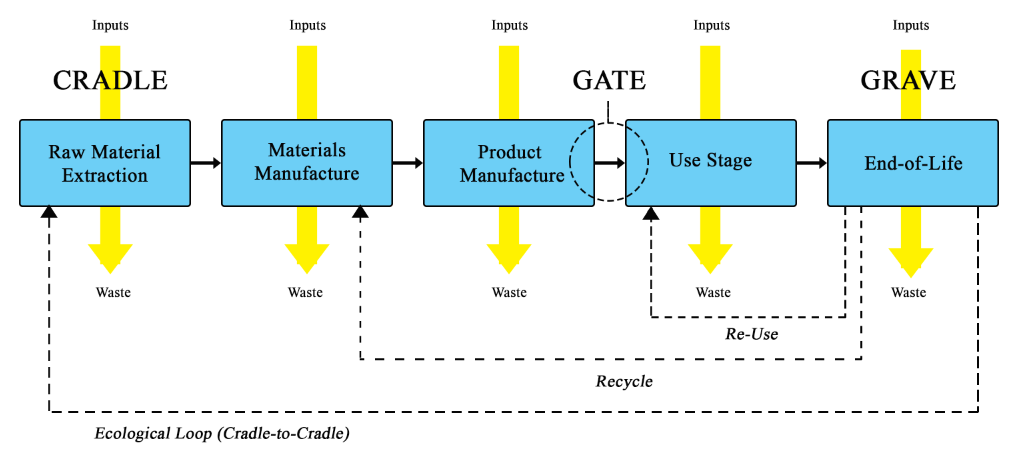
The International Organization for Standardization strictly outlines the specific framework for these evaluations under the ISO 14040 series. The assessment process requires defining highly precise system boundaries. These boundaries mathematically determine which specific industrial processes are included in the final analysis. A standard cradle to grave analysis encompasses raw material extraction, factory manufacturing, global distribution, consumer use, and end of life disposal. Alternatively, a cradle to cradle approach specifically models circular economy systems where waste materials perfectly become raw inputs for new products.
The Four Mechanisms of Evaluation
The methodology relies on four distinct, interconnected mechanisms. First, the goal and scope definition establishes the boundaries and the functional unit of the study. Second, the inventory analysis quantifies all energy inputs, freshwater usage, and chemical emissions released into the biosphere. Third, the impact assessment translates these raw data points into specific ecological consequences, such as global warming potential, stratospheric ozone depletion, or ocean acidification. Finally, the interpretation phase involves analyzing the resulting data to make informed, highly strategic design decisions.
Systems and Supply Chain Intersections
Executing a highly accurate life cycle assessment requires parsing complex global supply chain data. Analysts must track the specific electrical grids powering individual factories in different geopolitical regions. Furthermore, environmental engineers must calculate the precise fuel consumption of international maritime shipping routes. Consequently, this scientific method directly connects industrial engineering metrics to atmospheric and marine science data.
Environmental and Economic Impacts
Implementing rigorous environmental accounting generates profound ecological and financial consequences. The resulting data fundamentally alters how governments regulate heavy industries and how financial institutions allocate global capital.
Measurable Ecological Consequences
Accurate ecological accounting actively prevents well intentioned but ultimately destructive industrial design choices. Replacing lightweight plastic packaging with heavy glass containers can drastically increase greenhouse gas emissions due to transportation weight. A life cycle assessment immediately identifies these hidden ecological trade offs. Consequently, product designers can precisely target the specific supply chain stages responsible for the highest emissions and localized resource depletion.
Corporate Financial Implications
Optimizing product life cycles delivers substantial long term economic benefits. Identifying hidden energy inefficiencies directly reduces manufacturing overhead and transportation costs. Moreover, companies utilizing verified assessment data can easily comply with emerging carbon taxation policies. Institutional investors also heavily rely on this standardized data to accurately price climate risk within their massive global portfolios.
Global Market Standardization
Standardized environmental metrics actively create fair market competition. When government regulations mandate transparent reporting, companies can no longer compete using cheap, deceptive marketing tactics. Genuine sustainability leaders gain an immediate competitive advantage. Furthermore, regional governments use this precise data to establish baseline criteria for highly lucrative green public procurement contracts.
Real World Case Studies and Applications
Practical applications of this scientific method consistently reveal surprising insights across major global industries. Evidence based analysis frequently contradicts popular consumer assumptions regarding true sustainability.
Electric Vehicle Battery Production
The transition to global electrification heavily relies on life cycle assessment data. Critics frequently argue that electric vehicle manufacturing generates more initial carbon pollution than producing standard internal combustion engine vehicles. Rigorous assessments confirm that lithium ion battery manufacturing is indeed highly energy intensive. However, the exact data proves that over the total operational lifespan of the vehicle, electric cars generate significantly fewer absolute emissions, especially when charged via renewable energy grids.
Modern Agricultural Systems
Global food production systems are prime candidates for this type of rigorous evaluation. Assessments comparing industrial beef production to plant based protein alternatives reveal massive, systemic disparities. The data highlights extreme differences in land use footprint, freshwater consumption, and atmospheric methane emissions. Policymakers directly use this data to design national agricultural subsidies that financially incentivize lower impact farming techniques.
Sustainable Packaging Innovations
The fast moving consumer goods sector actively applies this methodology to packaging design. A prominent global beverage company recently utilized a life cycle assessment to compare aluminum cans, glass bottles, and recycled plastics. The scientific data revealed that transportation distances and regional recycling infrastructure drastically altered the most sustainable choice. As a result, the corporation optimized its packaging materials based on specific geographic markets rather than forcing a universal standard.
Challenges and Barriers
Despite its absolute scientific rigor, the widespread global adoption of comprehensive environmental accounting faces several significant structural and technical hurdles.
Technical Data Gaps
The primary technical challenge involves securing highly accurate primary data. Opaque global supply chains constantly obscure the exact geographical origin of raw materials. Consequently, analysts often must rely on secondary industry averages. This heavy reliance on proxy data can introduce significant margins of error into the final impact assessment.
System Boundary Manipulation
Organizations can subtly exploit system boundaries to artificially improve their environmental results. A manufacturing company might completely exclude the consumer use phase of a high energy appliance to present a vastly lower overall carbon footprint. This specific manipulation represents a highly sophisticated form of corporate greenwashing that requires expert third party auditing to detect and penalize.
Economic and Resource Barriers
Conducting a thoroughly verified life cycle assessment is highly expensive and tremendously time consuming. Small and medium enterprises frequently lack the required financial resources or specialized scientific personnel needed to execute these complex studies. Therefore, high cost barriers actively prevent widespread data standardization across smaller manufacturing sectors.
Solutions and Strategic Pathways
Accelerating the global adoption of rigorous environmental measurement requires heavily coordinated action to improve data access and strictly enforce corporate transparency.
Strict Policy Reform and Mandates
Governments must legally mandate Environmental Product Declarations for all heavy industries, including construction and textile manufacturing. These declarations are standardized public documents based directly on life cycle assessment data. The European Union is currently leading this critical transition by actively integrating these requirements into the sweeping Ecodesign for Sustainable Products Regulation.
Open Source Data Integration
Democratizing immediate access to complex supply chain data is totally essential for widespread corporate adoption. Scientific communities and federal governments should rapidly fund robust, open source environmental databases. Providing free, highly accurate inventory data drastically lowers the financial barrier for smaller companies attempting to evaluate their own physical products.
Industry Transformation via Artificial Intelligence
The rapid integration of artificial intelligence is completely transforming the assessment process. Machine learning algorithms can rapidly process massive global supply chain datasets to identify missing variables and optimize raw material choices in real time. Industry leaders must aggressively invest in these advanced technologies to transition from static annual reports to dynamic, continuous environmental monitoring.
Frequently Asked Questions
What is the main purpose of a life cycle assessment?
The primary purpose is to scientifically quantify the total environmental impacts of a product or service across its entire lifespan. This ensures that organizations make data driven decisions to actively reduce resource consumption without simply shifting the ecological damage to another stage of production.
What are the main phases of a life cycle assessment?
The standard phases outlined by ISO 14040 include goal and scope definition, inventory analysis, impact assessment, and final interpretation. These distinct phases provide a highly consistent scientific framework for measuring extremely complex environmental interactions.
How does a life cycle assessment prevent greenwashing?
It actively prevents greenwashing by requiring comprehensive supply chain data rather than isolated marketing claims. If a company claims a product is sustainable simply because it uses recycled plastic, the assessment will strictly verify if the energy used to recycle that plastic actually offsets the claimed environmental benefits.
Why is cradle to grave different from cradle to cradle?
A cradle to grave analysis evaluates a product from raw material extraction straight through to final disposal in a landfill. A cradle to cradle analysis focuses strictly on circular economy principles, ensuring products are designed so their end of life materials perfectly become raw inputs for new manufacturing cycles.
Conclusion
Transitioning to a truly resilient global economy unequivocally requires replacing vague marketing narratives with rigorous scientific measurement. A comprehensive life cycle assessment provides the definitive analytical framework for understanding exactly how human production systems interact with the natural world. By systematically tracking resource extraction, atmospheric emissions, and physical waste, this standardized methodology exposes hidden inefficiencies and highlights genuine pathways for planetary ecological restoration.
Overcoming the existing technical and economic barriers to widespread adoption requires decisive regulatory mandates and heavy investments in open source data infrastructure. Policymakers, industry leaders, and educated consumers must universally demand empirical evidence over superficial environmental claims. Ultimately, mandating transparent environmental accounting via life cycle assessment is an absolutely essential step toward preserving planetary boundaries and ensuring highly sustainable industrial design.