Recycling, Waste & Water Conservation for Kids: The 3 Rs, Composting & Eco-Hero Games (2026 Guide)
60-Second Kid-Friendly Definition: Every toy, notebook, snack wrapper, and glass of tap water comes from nature. Waste conservation means following the 3 Rs in order — Reduce, Reuse, and Recycle — plus composting food scraps so valuable materials stay out of landfills. Water conservation means protecting Earth’s tiny supply of fresh water (less than 1% of all water on Earth is liquid freshwater ready for people and wildlife to drink and use).
Below you can play two free classroom and family games: our 8-Item 3 Rs & Composting Speed Sorter and our 5-Day Water & Waste Eco-Hero Streak Tracker (which remembers your daily progress right in your browser!).
Why the 3 Rs Work Best in Order: Reduce → Reuse → Recycle
Many students learn the phrase “Reduce, Reuse, Recycle” as a song, but scientists and engineers call it the Waste Hierarchy because the three steps are ranked from the most helpful choice to the least helpful:
1. Reduce (Best Choice)
Reduce means using fewer resources in the first place. When you buy snacks with less plastic packaging, borrow a library book, or print on both sides of paper, no factory energy or garbage truck fuel is needed at all.
2. Reuse (Second Choice)
Reuse means using an item again and again instead of throwing it away after one trip. Carrying a refillable stainless-steel water bottle, using cloth lunch bags, and donating outgrown clothes keeps items working for years.
3. Recycle (Third Choice)
Recycle means sorting clean paper, cardboard, metal cans, and certain plastics so recycling plants can melt or pulp them into brand-new products. Recycling an aluminum can saves about 95% of the energy needed to make a new can from raw bauxite ore (US EPA).
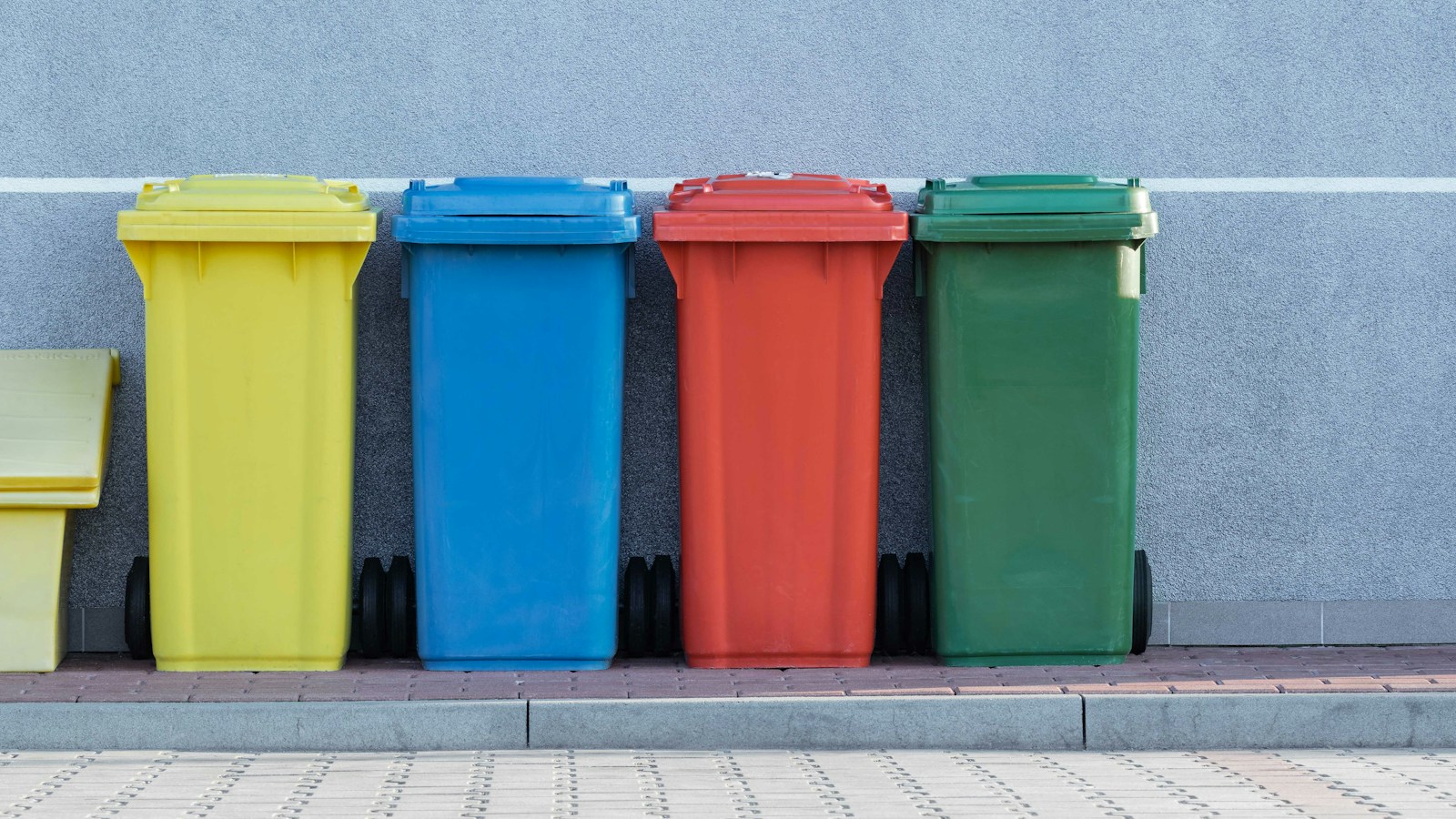
♻️ Recycle, Compost, Reuse or Special Drop-Off? 8-Item Speed Sorter Game
Look at each everyday school or home item below and tap the best bin! Learn why greasy pizza boxes, banana peels, aluminum cans, and leaky faucets need different solutions.
How Composting Turns Food Scraps into Garden Soil
When apple cores, banana peels, and autumn leaves get buried deep inside a sealed landfill without fresh air (oxygen), anaerobic bacteria break them down and release methane (CH4), a powerful greenhouse gas. In a backyard or school compost bin, plenty of air, moisture, beneficial microbes, and earthworms turn those exact same scraps into dark, nutrient-rich humus that helps gardens hold water and grow healthy vegetables.
| Everyday Material | Best Eco-Hero Action | Real Science & Energy Fact (EPA / USGS) |
|---|---|---|
| Aluminum Drink Cans | ♻️ Rinse & Recycle | Saves ~95% of the energy compared to refining virgin aluminum from bauxite ore, and can return to store shelves in about 60 days. |
| Clean Cardboard & School Paper | ♻️ Use Both Sides, Then Recycle | Paper fibers can be recycled 5 to 7 times before they become too short, saving trees and pulping water. |
| Greasy Pizza Box Bottoms & Fruit Peels | 🪱 Compost Bin | Food oil ruins paper recycling batches, so tear off the clean lid to recycle and compost the greasy bottom with food scraps. |
| Plastic & Steel Water Bottles | 🎒 Refill a Reusable Bottle | One reusable bottle replaces 150+ single-use plastic bottles per school year. |
| Used AA/AAA & Toy Batteries | 🔋 Special E-Waste Drop-Off | Never put batteries in household trash or curbside recycling bins; take them to a battery collection point to recover metals safely. |
Water Conservation for Kids: Why Saving Tap Water Matters
From space, Earth looks like a blue ocean planet — but 97% of Earth’s water is salty ocean water. Out of the remaining 3% freshwater, more than two-thirds is frozen in glaciers and polar ice caps, and much of the rest is deep underground. That leaves less than 1% of Earth’s total water easily available in rivers, lakes, and shallow aquifers for 8 billion people, farms, and freshwater ecosystems (USGS Water Science School).
Even more surprising: cleaning, pumping, and heating tap water in your water heater uses electricity or natural gas. So every gallon of hot water you save in the shower also cuts your family’s household carbon footprint!
💧 My 5-Day Water & Waste Eco-Hero Streak Calculator
Tap the daily Eco-Hero habits you practice at home or school, and choose how many days (1 to 7 days) you keep your streak going! Your browser remembers your checklist so you can come back tomorrow and build your streak.
Educational note: Water savings are illustrative household estimates based on US EPA WaterSense averages (standard faucet flow ~1.5–2.2 gallons per minute; standard showerhead ~2.0–2.5 gpm).
Explore More Sustainability Calculators & Kids Guides
- 🌍 Start at the Main Hub: What Is Sustainability for Kids? Simple Definition, 15 Fun Facts & Eco-Hero Games
- ☀️ Clean Power Game: What Is Sustainable Energy for Kids? Solar, Wind & Clean Grid Simulator
- 🐾 Climate & Daily CO2 Game: Carbon Footprint for Kids: Simple Climate Change Guide & Kid Carbon & Tree Calculator
- 🧮 Family & Classroom Calculator: Free Personal, Home & Business Carbon Footprint Calculator
🧠 5-Question 3 Rs, Composting & Water Quiz (KS2 & Grades 3–6)
Score: 0 / 5 correctFrequently Asked Questions (Teachers, Parents & Students)
What are the 3 Rs of sustainability for kids?
The 3 Rs stand for Reduce, Reuse, and Recycle. Reduce means choosing less stuff and less packaging from the start; Reuse means refilling bottles, repairing toys, and donating clothes so items last longer; and Recycle means sorting clean cans, paper, cardboard, and bottles so factories can turn them into new products.
Why can’t greasy pizza boxes go in the paper recycling bin?
Paper recycling mills mix paper with water to make slurry pulp. Because oil and water do not mix, soaked-in cheese and grease ruin the paper fibers. You can tear off the clean top lid of a pizza box for paper recycling and place the greasy bottom cardboard into a food-scrap compost bin.
How does saving water at home help reduce carbon emissions?
Utilities use electricity to pump, filter, and treat drinking water, and homes use natural gas or electricity to heat water for showers, dishes, and laundry. Conserving water — especially hot water — directly cuts the energy burned at power plants and inside home water heaters.
Water Footprint Impact Calculator
Measure direct and virtual water consumption across household, agricultural, and industrial supply chains against regional watershed stress metrics.
Calculate Water Footprint →