What Is Sustainable Energy for Kids? (60-Second Meaning)
Sustainable energy (also called renewable clean energy) is electricity and heat made from natural sources that never run out and do not pollute the Earth — like sunshine (solar power), moving air (wind power), flowing rivers (hydropower), and underground warmth (geothermal energy).
Unlike coal, oil, and gas (which burn only once and wrap the planet in a heat-trapping blanket of carbon dioxide), sustainable energy keeps our lights, schools, and electric buses running today while protecting clean air and nature for kids in the future!
⚡ Power Your Eco-Town! (Reach 1,000 Homes on 100% Clean Energy)
Tap the renewable energy stations below to switch off smoky coal power and light up all 1,000 homes in Green Valley!
The 5 Main Types of Sustainable Energy Explained for Kids
Where does clean energy actually come from? Scientists and engineers group sustainable energy into five big natural superpowers:
1. ☀️ Solar Energy (Power from Sunlight)
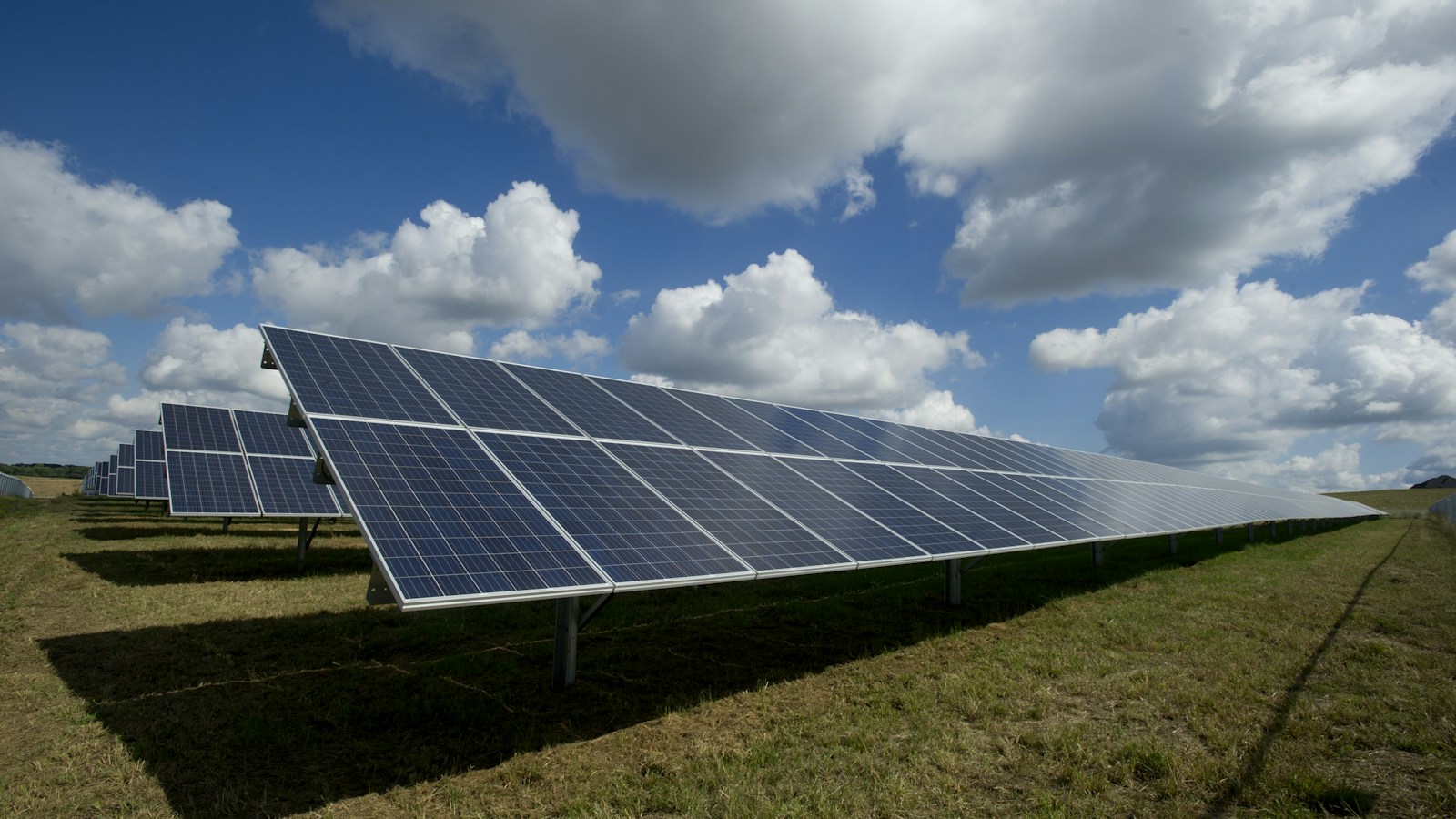
How it works: Dark blue solar panels are made of silicon crystals (from sand!). When photons of sunlight hit a solar cell, they knock tiny electrons loose, creating an electric current called photovoltaic (PV) power.
Kid Fact: In about 90 minutes, enough sunlight hits Earth to power the whole world for a year (US Department of Energy)!
2. 🌬️ Wind Energy (Power from Moving Air)
How it works: Warm air rises and cool air rushes in, creating wind. Giant wind turbine blades catch the breeze like airplane wings and spin a generator inside the top box (called a nacelle).
2026 Kid Fact: Just one modern offshore wind turbine can power 1,500 to 3,000 homes!
3. 💧 Hydropower & Tidal Energy (Moving Water)
How it works: Gravity pulls river water downhill or ocean tides in and out. When flowing water pushes underwater turbine blades, it generates steady electricity day and night.
2026 Kid Fact: Hydropower is the world’s oldest clean electricity source and helps balance solar and wind grids.
4. 🌋 Geothermal Energy (Earth’s Underground Heat)
How it works: Deep beneath our feet, Earth’s rock layers are super hot. Pipes carry water underground where natural heat turns it into steam to spin turbines or warm up schools and homes.
2026 Kid Fact: In Iceland, nearly 9 out of 10 homes are heated with underground geothermal water!
5. 🔋 Green Batteries & Clean Bioenergy
How it works: Because the sun goes to sleep at night and the wind sometimes rests, giant rechargeable batteries (and pumped hydro reservoirs) store extra afternoon solar power so your reading lamp works at 9 PM.
Kid Fact: In 2024, clean low-carbon sources (renewables plus nuclear) made over 40% of the world’s electricity for the first time (Ember)!
Comparison Table: Sustainable Energy vs. Fossil Fuels (KS2 & Grades 3–6)
| Energy Source | Where It Comes From | Does It Run Out? | Carbon Smoke (CO2) | Best Superpower |
|---|---|---|---|---|
| ☀️ Solar Power | Sunlight hitting photovoltaic (PV) panels | Never (5 billion years left!) | Zero smoke while running | Works on school roofs, homes & deserts |
| 🌬️ Wind Power | Breezes spinning tall turbine blades | Never | Zero smoke while running | Farms can grow crops right underneath |
| 💧 Hydropower | Flowing rivers & ocean tides | Refilled by the rain cycle | Very low | Runs 24 hours a day, rain or shine |
| 🌋 Geothermal | Hot rocks deep underground | Never | Near zero | Heats buildings even in freezing snow |
| 🪨 Coal, Oil & Gas | Buried ancient plants & sea creatures | Yes (takes millions of years) | High (warms the planet) | Being replaced by clean renewables |
🧠 5-Question Sustainable Energy Speed Quiz!
Test your brain! Tap the right answer on each question below:
Frequently Asked Questions (Kids, Parents & KS2 Teachers)
What is the difference between renewable energy and sustainable energy for kids?
Renewable energy comes from natural sources that refill themselves quickly (like sunshine, wind, and rain). Sustainable energy means energy that is BOTH renewable AND gentle on nature, wildlife, and rivers so future generations can thrive.
How can kids save energy at home and school?
You can be an Energy Detective: turn off lights and gaming consoles when leaving a room, use natural daylight for homework, walk or bike for short trips, and play our 4 Free Eco-Hero Academy Games!
How do trees and forests help clean energy stop climate change?
While solar and wind stop new carbon dioxide from entering the sky, forests and healthy soils pull existing carbon out of the air! Explore our Forest & Soil Carbon Stock Calculator to see how much carbon a single tree holds.
Water Footprint Impact Calculator
Measure direct and virtual water consumption across household, agricultural, and industrial supply chains against regional watershed stress metrics.
Calculate Water Footprint →