The Escalating Threat of Screwworm Climate Migration
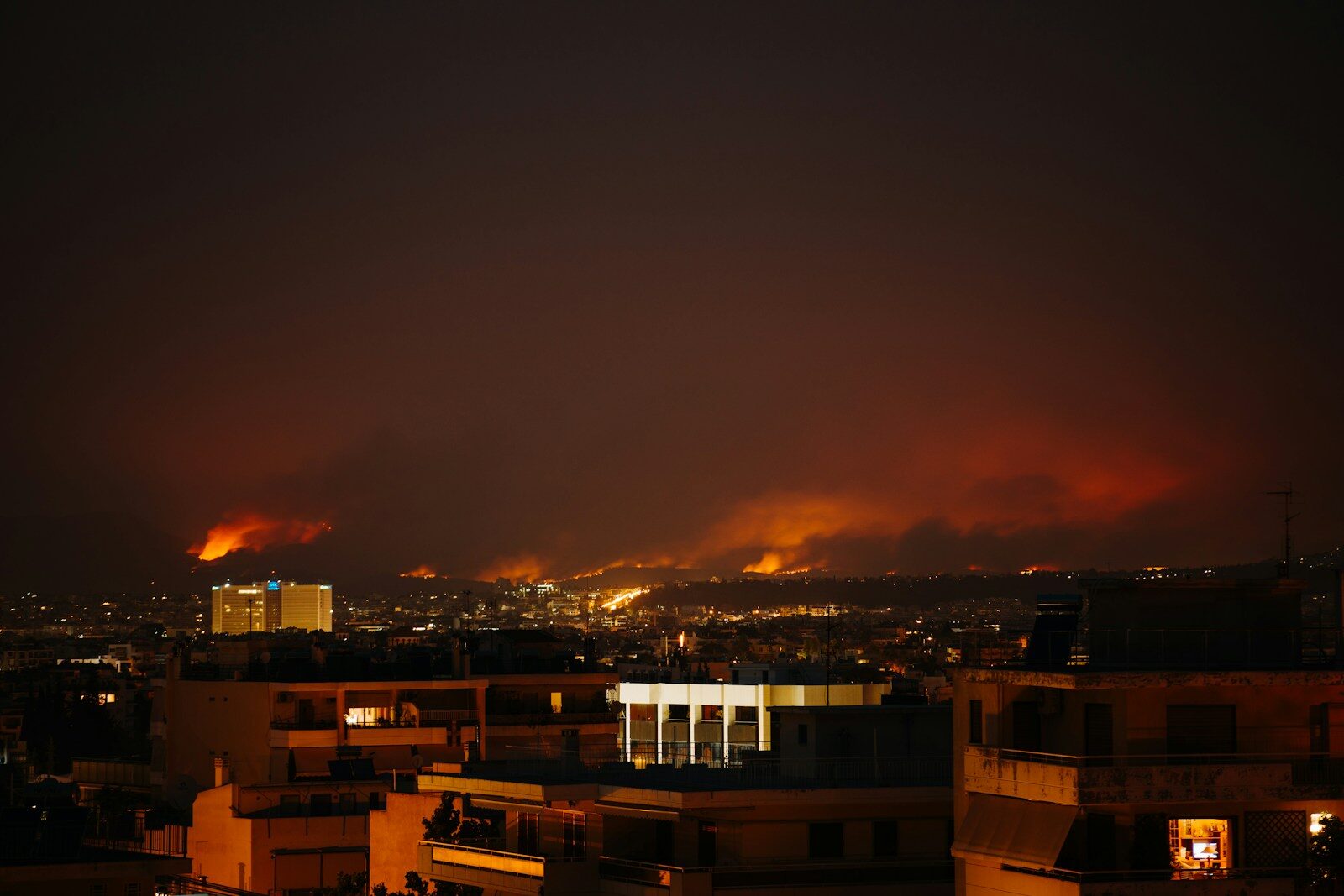
In April 2026, federal health officials confirmed a terrifying reality: the New World screwworm (NWS) has rapidly advanced to within 60 miles of the U.S. border in Nuevo León, Mexico. This is not merely an isolated agricultural crisis. It represents a textbook case of screwworm climate migration, wherein warming global temperatures actively erode the natural thermal barriers that once confined vector-borne parasites to the deep tropics.
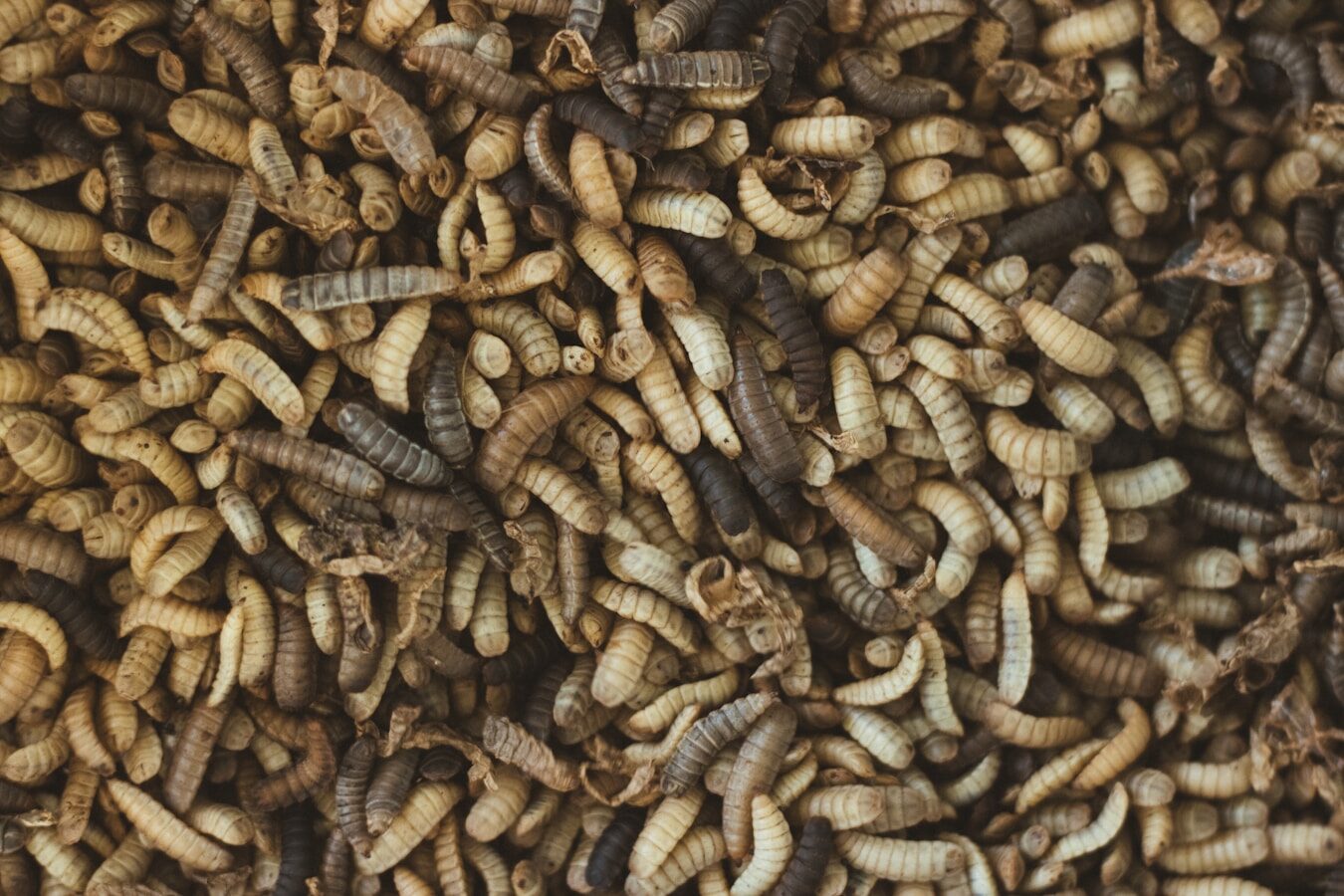
The NWS, scientifically known as Cochliomyia hominivorax, is an aggressive parasitic fly whose larvae consume the living tissue of warm-blooded hosts. As hotter, moister conditions push northward, the growing impact of climate change on agriculture becomes undeniably clear, reshaping the very geography of invasive threats.
Table of Contents
How Warming Temperatures Erase Natural Borders
Historically eradicated from the United States in 1966 via intensive biological intervention, the screwworm thrives in humid, elevated temperature zones. According to recent health advisories, outbreaks in Mexico have resulted in fatal human cases when parasitic infestations are left untreated. The geographical shift of this parasite perfectly mirrors broader atmospheric warming trends. The continuous expansion of such pests highlights the devastating impact of invasive pests, which currently represent a multi-billion dollar threat to global economic stability.
Agricultural Supply Chains and the Economic Stakes
The economic stakes of screwworm climate migration are astronomical. Female NWS flies target open wounds on livestock—even those as minor as a tick bite—depositing up to 300 eggs that hatch into flesh-eating maggots. If the parasite establishes a foothold within U.S. borders, the immediate quarantines and massive livestock mortalities could trigger an overnight collapse in regional meat and dairy production.
Protecting these highly vulnerable networks requires an intense focus on agricultural supply chain resilience. Mainstream media often frames this purely as a border management issue, but ecological economists view it as a systemic vulnerability born from ecological overshoot.
Human Health and Systemic Vulnerability
While livestock bears the immediate brunt, human infections are a terrifying reality. In regions actively experiencing outbreaks, medical providers are urgently instructed to look for visible larvae and extensive tissue destruction. Because there is no drug-based cure for NWS, surgical extraction remains the sole treatment. This mirrors the broader shifting landscape of vector-borne diseases, exposing public health infrastructure to novel, climate-driven pressures.
The $600 Million Biological Firewall
To combat this unprecedented northward push, an enormous biological counter-offensive is underway. A massive sterile fly dispersal facility recently opened in Edinburg, Texas. This infrastructure aims to produce up to 300 million sterile male flies weekly by 2028.
The Contrarian Gap: While many view this $600 million project merely as an expensive agricultural defense mechanism, it is actually a monumental triumph for ecological economics. By utilizing the Sterile Insect Technique (SIT), agencies avoid dumping millions of gallons of toxic chemical pesticides into fragile border ecosystems. It proves that massive bio-infrastructure is a viable, non-chemical substitute for traditional pest control in the climate change era.
| Eradication Strategy | Ecological Impact | Systemic Climate Resilience |
|---|---|---|
| Traditional Chemical Pesticides | High toxicity to non-target wildlife and soil microbiomes. | Highly vulnerable to rapidly evolving chemical resistance. |
| Sterile Insect Technique (SIT) | Zero off-target ecological damage. | Highly adaptive biological control that scales with the threat. |
Actionable Intelligence: Navigating the Screwworm Threat
Monitor Vector Expansion: Agricultural stakeholders must integrate climate-predictive modeling to anticipate future screwworm climate migration routes before outbreaks breach defensive perimeters.
Implement Biosecurity Protocols: Ranchers and border-adjacent landowners must strengthen on-site wound inspections for livestock, particularly in southern states experiencing abnormal moisture and temperature spikes.
Support Biological Interventions: Policymakers should aggressively fund and scale ecological pest control methods—like the SIT facility in Texas—prioritizing biological firewalls over environmentally destructive chemical alternatives.
🎬 Watch our Web Story: The Flesh-Eating Screwworm’s Northward March
Understanding the New World Screwworm: Biology of a Cattle Killer
The New World screwworm (Cochliomyia hominivorax) is one of the most destructive agricultural pests in history — a fly whose larvae feed on the living flesh of warm-blooded animals, including livestock and, in severe cases, humans. The female fly lays eggs at the edges of wounds, birth canals, or any opening in the skin of a living host. The larvae hatch within hours and burrow into living tissue, releasing enzymes that liquefy the flesh and attracting more females to lay additional eggs. Without treatment, a screwworm infestation can kill a full-grown cow within days. The name is not metaphorical — the larvae physically screw themselves into tissue using tiny hooks.
The species was once endemic throughout the American South, causing losses of hundreds of millions of dollars annually to the U.S. livestock industry. A landmark eradication program launched in the 1950s, based on the Sterile Insect Technique (SIT) developed by USDA scientists Edward Knipling and Raymond Bushland, eliminated the screwworm from the United States by 1966 and from all of Central America and Mexico through successive southward pushes of the sterile insect barrier. The eradication campaign is considered one of the greatest achievements in agricultural pest management — and is estimated to have saved the U.S. livestock industry tens of billions of dollars over the decades since. USDA APHIS maintains the screwworm barrier at the Darien Gap in Panama, a continuous release zone that prevents reinfestation from South America.
How Climate Change Is Reshaping Screwworm Risk
The screwworm’s geographic range is constrained by temperature. The fly cannot survive hard freezes, and populations in subtropical environments are decimated by cold winters. The United States’ northern position and historically cold winter temperatures in screwworm’s former range have been important biological barriers preventing natural reinfestation from Central America. As climate change raises average temperatures and reduces the frequency and severity of winter freezes across the American South and Southwest, those thermal barriers are weakening.
Climate modeling studies have analyzed how screwworm’s potential habitat range in North America changes under warming scenarios. The results are concerning: under a 2°C global warming scenario, the area of the continental United States with climate conditions suitable for screwworm establishment expands significantly, with the Gulf Coast, Florida, the Rio Grande Valley, and parts of the Southwest becoming progressively more hospitable to year-round fly populations. The concern is not merely academic — the 2023 USDA assessment of climate change impacts on agricultural pests identified screwworm northward range expansion as a significant risk scenario for U.S. livestock producers.
The threat is compounded by the breakdown in biosecurity at the U.S.-Mexico border region. A series of cattle cases detected in Mexico in 2024-2025 — some alarmingly close to the U.S. border — raised concerns that the sterile insect barrier in Panama might not be providing adequate protection against strains or populations circulating in South America that are migrating northward through Central America faster than historical patterns. The discovery of screwworm cases in Florida in deer populations in 2016 demonstrated that establishment events can occur even with the barrier in place, requiring immediate response to prevent spread. Agricultural pest expansion driven by climate change represents a growing economic and food security threat.
Economic Stakes: What a Screwworm Reinfestation Would Cost American Agriculture
The livestock industry in states at highest risk from screwworm reinfestation represents enormous economic value. Texas alone has approximately 12 million head of cattle — more than any other state — concentrated in the southern and western regions that would be first affected by screwworm establishment. Florida’s cattle industry, the largest east of the Mississippi, would be particularly vulnerable given its subtropical climate and large deer population that could serve as a wildlife reservoir. The economic analysis is stark: before eradication, screwworm cost the U.S. livestock industry (in 2020 dollars) an estimated $800 million annually. A reinfestation today, with higher livestock populations and values, could cost multiple billions annually.
Beyond direct livestock mortality and treatment costs, a screwworm reinfestation would trigger trade restrictions. Many U.S. cattle export markets — including Mexico, Japan, South Korea, and others — would likely halt imports of U.S. beef from affected states upon confirmation of screwworm establishment, triggering economic losses that cascade well beyond the immediate veterinary emergency. The beef export market represents approximately $10 billion annually, and even temporary market closures would deliver severe financial shocks to producers, processors, and rural economies.
Wildlife populations present a particular complication. The 2016 Florida event spread through the Florida Keys deer population with alarming speed, killing hundreds of Key deer — a federally endangered species — before containment. Unlike managed livestock operations, which can be treated and monitored systematically, wildlife populations serve as a mobile reservoir that is extremely difficult to control. A screwworm establishment in deer or other wildlife in the Southeast would create a persistent reservoir that could continuously reinfest livestock operations, making eradication far more difficult and costly than preventing entry in the first place.
The Sterile Insect Technique: Scaling Up Defense
The primary weapon against screwworm is the Sterile Insect Technique that eradicated it in the first place — mass-rearing of flies, sterilization by radiation, and aerial release at rates that overwhelm wild populations with sterile males. When screwworm females mate with sterile males, they produce no viable offspring, and with sufficient release rates the wild population collapses. The USDA operates a screwworm rearing facility in Panama City, Panama, that produces hundreds of millions of sterile flies per week for the Darien Gap barrier.
The question being actively debated by USDA, state agriculture officials, and industry groups is whether the existing program is appropriately scaled for a world in which climate change is reducing the thermal barrier that natural Florida winters previously provided, and in which cattle movement across a porous southern border creates vectors for introduction that didn’t exist when the eradication program was designed. Expanding sterile fly production capacity, developing contingency plans for rapid deployment in response to detection, and investing in improved surveillance to detect early establishment events are all elements of a more robust preparedness posture.
What Livestock Producers Should Know Now
For cattle, sheep, goat, and horse producers in the American South, Southwest, and Florida, screwworm awareness is a practical matter of herd management. The most important preventive measure is wound management: screwworms require an entry wound to establish. Routine wound treatment with approved wound sprays, prompt care of injuries from fencing, tagging, dehorning, branding, or birthing, and minimizing the time that open wounds go unattended significantly reduces establishment risk.
The USDA Animal and Plant Health Inspection Service maintains a screwworm hotline and surveillance program, and producers should know how to recognize the signs of infestation — strike wounds that worsen rapidly, unusual wound depth with visible maggots, and attracted flies — and how to report suspect cases immediately. Early detection is the difference between containment and outbreak. Sustainable agriculture depends on robust biosecurity systems, and screwworm preparedness is a direct expression of that principle in the context of climate-driven pest range expansion.
The screwworm story is a testament to what sustained scientific investment and international cooperation can achieve in agricultural pest control. Preserving that achievement against the headwinds of climate change will require equal commitment to vigilance, investment in contingency preparedness, and the political will to maintain a program that has been so successful for so long that its necessity is easy to forget.
EU CBAM Duty & Tariff Calculator
Model European Carbon Border Adjustment Mechanism liability, embedded specific emissions, and weekly EU ETS certificate pricing for regulated goods.
Model CBAM Duty →