7 Shocking Realities of Screwworm Climate Migration (2026)
The Escalating Threat of Screwworm Climate Migration
In April 2026, federal health officials confirmed a terrifying reality: the New World screwworm (NWS) has rapidly advanced to within 60 miles of the U.S. border in Nuevo León, Mexico. This is not merely an isolated agricultural crisis. It represents a textbook case of screwworm climate migration, wherein warming global temperatures actively erode the natural thermal barriers that once confined vector-borne parasites to the deep tropics.
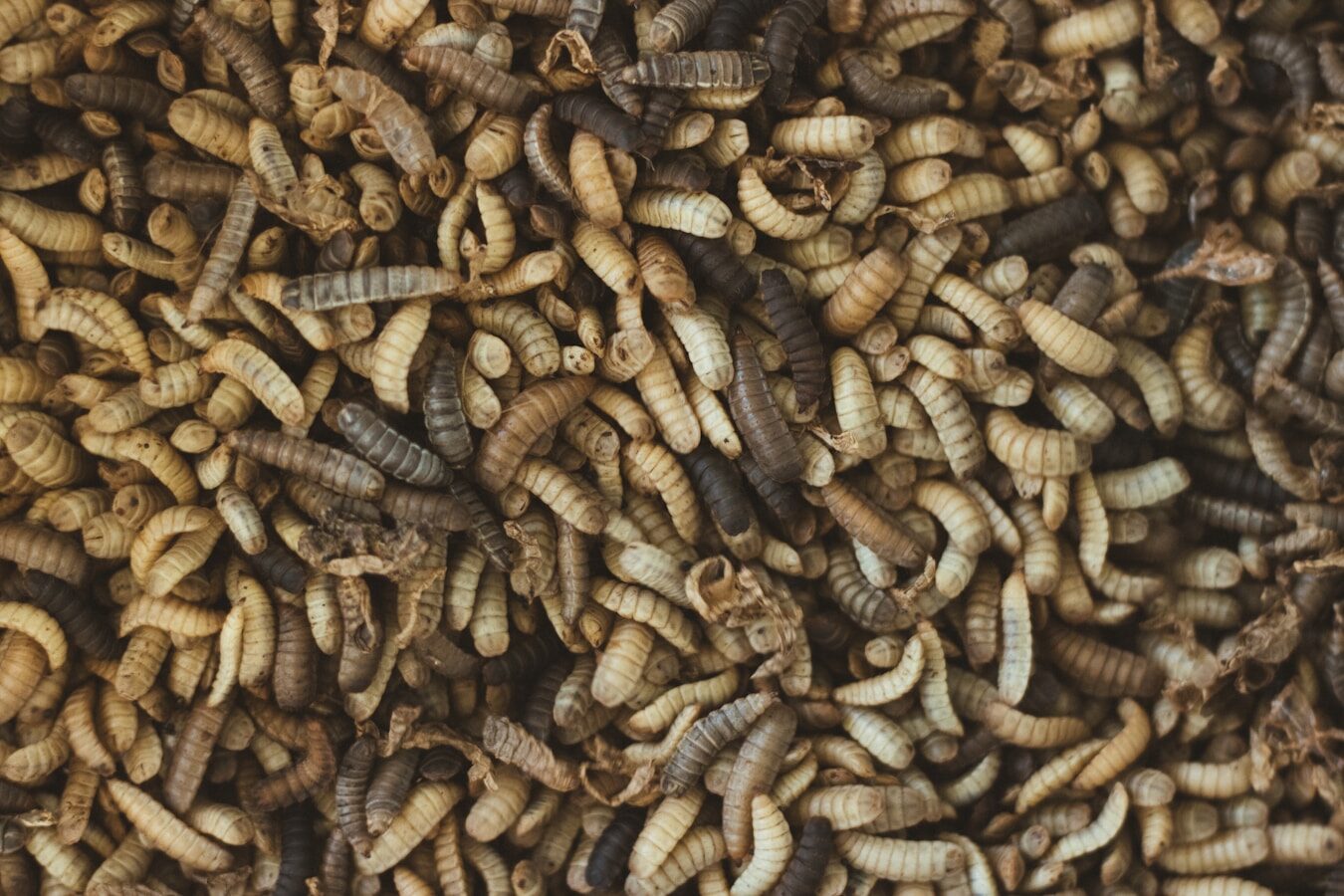
The NWS, scientifically known as Cochliomyia hominivorax, is an aggressive parasitic fly whose larvae consume the living tissue of warm-blooded hosts. As hotter, moister conditions push northward, the growing impact of climate change on agriculture becomes undeniably clear, reshaping the very geography of invasive threats.
Table of Contents
How Warming Temperatures Erase Natural Borders
Historically eradicated from the United States in 1966 via intensive biological intervention, the screwworm thrives in humid, elevated temperature zones. According to recent health advisories, outbreaks in Mexico have resulted in fatal human cases when parasitic infestations are left untreated. The geographical shift of this parasite perfectly mirrors broader atmospheric warming trends. The continuous expansion of such pests highlights the devastating impact of invasive pests, which currently represent a multi-billion dollar threat to global economic stability.
Agricultural Supply Chains and the Economic Stakes
The economic stakes of screwworm climate migration are astronomical. Female NWS flies target open wounds on livestock—even those as minor as a tick bite—depositing up to 300 eggs that hatch into flesh-eating maggots. If the parasite establishes a foothold within U.S. borders, the immediate quarantines and massive livestock mortalities could trigger an overnight collapse in regional meat and dairy production.
Protecting these highly vulnerable networks requires an intense focus on agricultural supply chain resilience. Mainstream media often frames this purely as a border management issue, but ecological economists view it as a systemic vulnerability born from ecological overshoot.
Human Health and Systemic Vulnerability
While livestock bears the immediate brunt, human infections are a terrifying reality. In regions actively experiencing outbreaks, medical providers are urgently instructed to look for visible larvae and extensive tissue destruction. Because there is no drug-based cure for NWS, surgical extraction remains the sole treatment. This mirrors the broader shifting landscape of vector-borne diseases, exposing public health infrastructure to novel, climate-driven pressures.
The $600 Million Biological Firewall
To combat this unprecedented northward push, an enormous biological counter-offensive is underway. A massive sterile fly dispersal facility recently opened in Edinburg, Texas. This infrastructure aims to produce up to 300 million sterile male flies weekly by 2028.
The Contrarian Gap: While many view this $600 million project merely as an expensive agricultural defense mechanism, it is actually a monumental triumph for ecological economics. By utilizing the Sterile Insect Technique (SIT), agencies avoid dumping millions of gallons of toxic chemical pesticides into fragile border ecosystems. It proves that massive bio-infrastructure is a viable, non-chemical substitute for traditional pest control in the climate change era.
| Eradication Strategy | Ecological Impact | Systemic Climate Resilience |
|---|---|---|
| Traditional Chemical Pesticides | High toxicity to non-target wildlife and soil microbiomes. | Highly vulnerable to rapidly evolving chemical resistance. |
| Sterile Insect Technique (SIT) | Zero off-target ecological damage. | Highly adaptive biological control that scales with the threat. |
Actionable Intelligence: Navigating the Screwworm Threat
Monitor Vector Expansion: Agricultural stakeholders must integrate climate-predictive modeling to anticipate future screwworm climate migration routes before outbreaks breach defensive perimeters.
Implement Biosecurity Protocols: Ranchers and border-adjacent landowners must strengthen on-site wound inspections for livestock, particularly in southern states experiencing abnormal moisture and temperature spikes.
Support Biological Interventions: Policymakers should aggressively fund and scale ecological pest control methods—like the SIT facility in Texas—prioritizing biological firewalls over environmentally destructive chemical alternatives.