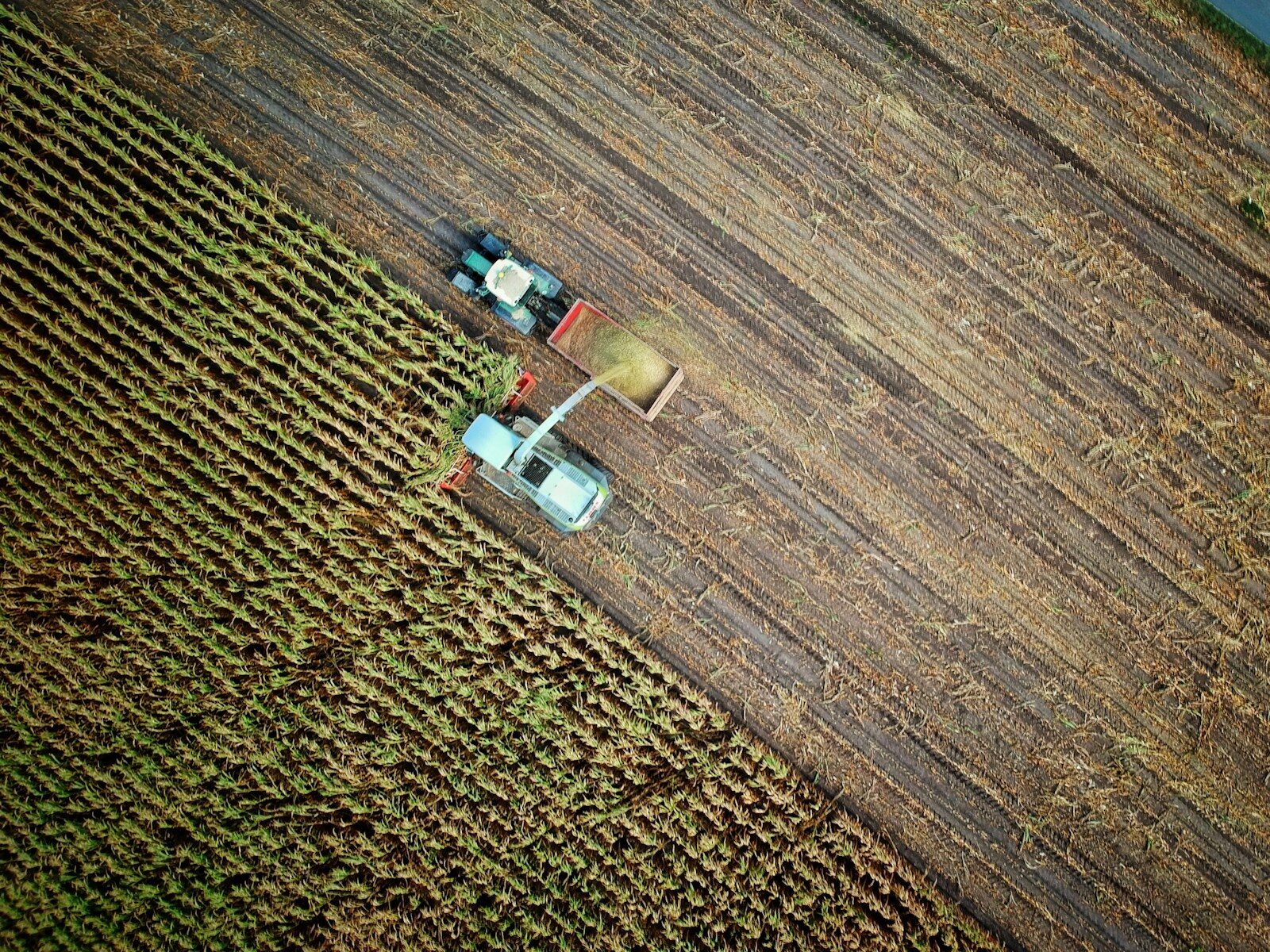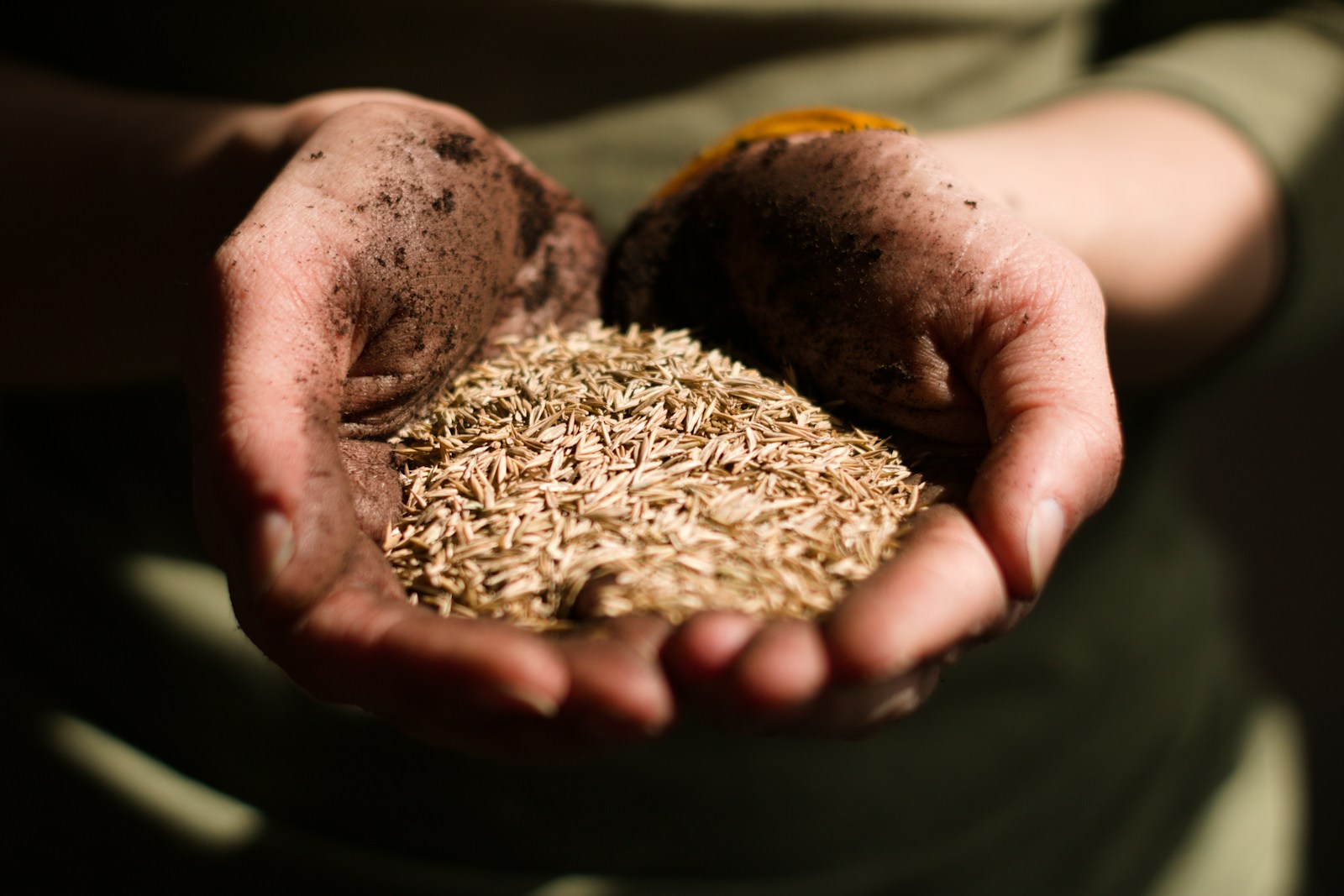
The crisis of pesticide-coated seeds is not an inevitability of modern science. Instead, it is the result of specific policy choices. While the United States continues to rely on a “prophylactic” model, other nations have proven that productive agriculture can thrive without systemic seed saturation.
1. The Atlantic Divide: Precaution vs. Permissiveness
The European Union (EU) and the United States take fundamentally different approaches to chemical safety. In 2018, the EU implemented a total ban on the outdoor use of the three main neonicotinoids: imidacloprid, clothianidin, and thiamethoxam.
Consequently, European farmers have successfully transitioned back to monitoring-based pest control. In contrast, the US EPA operates under a “treated article” exemption. This loophole allows coated seeds to bypass the rigorous environmental tracking required for liquid sprays. Therefore, the US continues to plant millions of “toxic acres” that would be illegal in France or Germany.
2. The Failure of the “Treated Article” Loophole
Under the Federal Insecticide, Fungicide, and Rodenticide Act (FIFRA), the EPA treats a coated seed like a piece of pressure-treated lumber. This classification assumes the pesticide stays “attached” to the seed.
However, as we have seen, 95% of the chemical leaches into the environment. Because of this loophole, the EPA does not require farmers to report where or how much of these chemicals are buried. This lack of transparency prevents scientists from accurately measuring the correlation between seed planting and the mass die-offs of aquatic insects.
3. The Case for the “Saving America’s Pollinators Act”
Legislative solutions are currently on the table. The Saving America’s Pollinators Act aims to create an independent board to review the impact of neonicotinoids.
If passed, this law would force the EPA to cancel the registration of any pesticide found to be significantly harming bees or birds. Furthermore, it would require the agency to treat coated seeds as “pesticide applications.” This change would finally give the public a clear picture of the chemical load in American soil.
4. Scalable Alternatives: Integrated Pest Management (IPM)
Critics often claim that banning seed coatings would lead to crop failure. However, Integrated Pest Management (IPM) offers a proven alternative.
IPM is a strategy that uses “economic thresholds.” Farmers scout their fields to see if pests are actually present. If the pest count is low, they do nothing. If it is high, they apply a targeted spray. This method is far more precise than “pre-poisoning” every single seed. In fact, many farmers find that IPM increases their profits by eliminating the cost of unnecessary chemicals.
5. Technological Innovations in Seed Planting
While policy shifts, technology can also reduce immediate harm. In Canada and parts of the EU, “deflector” kits are becoming mandatory on pneumatic planters.
These kits redirect the toxic “talc dust” downward into the soil rather than venting it into the air. While this does not stop soil leaching, it significantly reduces the instant kill of bees during the planting season. However, most experts agree that better hardware is only a “band-aid” for a fundamentally broken chemical system.
6. A Roadmap for Systematic Change
To protect our biodiversity, we must move beyond the “treated article” era. This requires a three-pronged approach:
- Regulatory Reform: Closing the FIFRA loophole to track seed-coating volume.
- Farmer Rights: Mandating that seed companies offer “naked” (untreated) versions of all high-performing hybrids.
- Financial Incentives: Providing federal crop insurance discounts to farmers who adopt IPM and reduce their use of systemic seeds.
Comparison Table: US vs. EU Regulatory Models
| Feature | United States (EPA) | European Union (EFSA) |
| Regulatory Philosophy | “Risk-Based” (Action after harm) | “Precautionary” (Action to prevent harm) |
| Seed Coating Status | Exempt “Treated Article” | Regulated Pesticide Application |
| Neonicotinoid Status | Widely used on 100M+ acres | Banned for all outdoor use |
| Environmental Monitoring | Minimal/Voluntary | Rigorous/Mandatory |
Summary of the Series:
Over these three articles, we have explored the biological devastation, the corporate economic traps, and the policy failures surrounding pesticide-coated seeds. The “silent collapse” of our wildlife is not an accident; it is a systemic flaw. By returning to data-driven farming and closing legal loopholes, we can restore the health of the American landscape.
Authoritative Source: U.S. Energy Information Administration
How Seed Patents Became a Cornerstone of Modern Agriculture
The idea that seeds — nature’s most elemental technology — could be owned and controlled by corporations would have struck earlier generations of farmers as absurd. For most of human history, seeds were saved, shared, and improved collectively, a commons that no single party could claim. The transformation of seeds into intellectual property happened gradually, driven by advances in plant breeding, lobbying by agrochemical companies, and a series of landmark legal decisions that fundamentally altered agriculture’s relationship with biodiversity.
In the United States, the Plant Patent Act of 1930 first opened the door, allowing breeders to patent asexually reproduced plants. The Plant Variety Protection Act of 1970 extended protection to sexually reproduced varieties. But the watershed moment came in 1980, when the U.S. Supreme Court’s decision in Diamond v. Chakrabarty allowed patents on living organisms — a ruling originally about genetically modified bacteria that soon transformed the seed industry. By the 1990s, utility patents on seeds were routine, giving corporations broad rights to prevent farmers from saving seed, restricting independent research, and collecting royalties across global supply chains.
Today, three companies — Bayer (which acquired Monsanto), Corteva (formerly DuPont), and Syngenta (now owned by ChemChina) — control roughly 60 percent of the global seed market. The neonicotinoid pesticide debate intersects with this consolidation because many patented seed varieties come pre-treated with neonicotinoids as a standard commercial offering — a bundling of seed and chemical that makes it difficult for farmers to choose one without the other. Environmental policy advocates argue this vertical integration systematically obstructs any meaningful reform of agricultural chemical use.
The Neonicotinoid Problem: Why a Ban Alone Isn’t Enough
Neonicotinoids — a class of systemic insecticides including imidacloprid, clothianidin, and thiamethoxam — became the world’s most widely used insecticides by the early 2000s. Their appeal was obvious: applied as seed coatings, they protected young plants from pests without requiring repeated spray applications. Their problem was equally clear once researchers began documenting effects: these chemicals persist in soil, leach into waterways, and appear in pollen and nectar at concentrations lethal or sublethal to bees, butterflies, and other pollinators.
The European Union enacted its outdoor ban on three key neonicotinoids in 2018, but subsequent years revealed a frustrating pattern. Member states routinely granted emergency derogations — temporary exemptions — allowing treated seeds to be planted anyway. Between 2018 and 2023, EU countries granted over 200 emergency authorizations for banned neonicotinoids. The loophole was, in effect, swallowing the regulation.
The connection to seed patents lies in the commercial structure. When neonicotinoid-treated varieties are patented and sold as bundled seed-chemical packages, the economic incentive to maintain derogation pathways is enormous. Closing the regulatory loophole requires not just stronger ban enforcement but rethinking how patented seed varieties interact with pesticide law.
International Policy Divergence: A Patchwork of Protection
Global seed protection law remains deeply fragmented. The International Union for the Protection of New Varieties of Plants (UPOV), established in 1961, provides a multilateral framework for plant variety protection — but one that many critics argue is structurally biased toward commercial breeders over farmers and public-sector innovators.
UPOV 1991, the most recent revision, significantly curtailed the traditional farmer’s privilege of saving and replanting protected seed. Many development economists and food sovereignty advocates argue that mandatory UPOV 1991 compliance, pushed through free trade agreements with developing nations, erodes traditional agricultural knowledge and increases smallholder farmers’ dependency on purchased seed year after year.
Contrast this with the International Treaty on Plant Genetic Resources for Food and Agriculture (ITPGRFA), negotiated under the UN Food and Agriculture Organization, which recognizes farmers’ rights to save, use, exchange, and sell farm-saved seed. These two international frameworks exist in increasing tension as countries navigate competing treaty obligations.
The Agrobiodiversity Argument: Seeds as a Global Commons
Beyond the legal and economic arguments lies a deeper ecological concern: the accelerating loss of crop genetic diversity. The FAO estimates that since 1900, roughly 75 percent of plant genetic diversity has been lost as farmers worldwide moved from locally adapted varieties to commercially uniform improved varieties.
Neonicotinoid-coated patented seeds accelerate this dynamic in two ways. First, the commercial incentive structure promotes adoption of a narrow range of high-yield patented varieties at the expense of biodiversity. Second, neonicotinoids themselves suppress the pollinator populations essential for maintaining wild plant genetic diversity in surrounding ecosystems. Biodiversity conservation is directly intertwined with reform of both seed patents and neonicotinoid policy.
International initiatives like the Genesys global genetic resources portal and the Svalbard Global Seed Vault represent efforts to preserve crop diversity outside the commercial system. But conservation banking cannot substitute for the living diversity maintained by millions of smallholder farmers actively selecting and adapting seed to local conditions.
What Meaningful Reform Would Look Like
Advocates for a more equitable seed-and-pesticide regulatory framework have articulated a set of interconnected reforms that go beyond simply banning neonicotinoids or tightening patent law in isolation.
Strengthen derogation transparency and accountability. EU member states granting emergency authorizations for banned substances should face binding timelines for transition and escalating penalties for repeated derogations. PAN Europe has called for automatic sunset clauses on any derogation after a single growing season.
Decouple pesticide applications from seed patents. Regulatory frameworks should explicitly prohibit the commercial bundling of patented seeds with mandatory chemical treatments as a condition of sale. Farmers should retain the right to purchase patented seed varieties without pre-applied neonicotinoid treatments.
Restore and protect farmers’ seed-saving rights. Revisions to UPOV-based domestic laws to restore meaningful farmers’ privilege provisions would reduce smallholder dependency on commercial seed purchases and support the informal seed systems that maintain agricultural biodiversity.
Invest in public plant breeding. Restoring investment in publicly funded, openly licensed plant breeding would generate improved varieties accessible to farmers without patent encumbrances — varieties that could be freely seed-saved and adapted.
The U.S. Regulatory Landscape: Catching Up or Falling Behind?
In the United States, neonicotinoid regulation has lagged significantly behind the European Union. The EPA has repeatedly extended registration reviews for key neonicotinoids amid industry legal challenges and agency resource constraints. Meanwhile, the American seed industry operates under a patent regime that the USDA’s own research has linked to reduced crop genetic diversity and increasing farmer input costs.
States including California, Maryland, and Connecticut have enacted their own restrictions on neonicotinoid availability to homeowners, representing a fragmented subnational response to a federal regulatory gap. U.S. agricultural policy is caught between competing pressures: the economic weight of the agrochemical and seed industry lobby on one side, and the documented ecological costs of pollinator decline on the other. The USDA estimates that bees pollinate roughly $15 billion worth of crops annually. Policy analysis suggests that connecting neonicotinoid reform to the broader agricultural input cost crisis facing American farmers — who face record seed prices driven partly by patent royalties — could create new coalition possibilities for change.
A Path Forward: Integrated Policy for Seeds and Pesticides
The neonicotinoid loophole and the seed patent system are not separate problems. They are two facets of the same underlying dynamic: the commodification of agricultural inputs in ways that externalize environmental costs onto public goods — pollinator health, water quality, biodiversity — while concentrating economic returns in a small number of corporate actors.
Meaningful reform requires integrated policy thinking that addresses both simultaneously. That means strengthening pesticide bans without exploitable derogation pathways, revisiting patent law to restore ecological balancing provisions, expanding public investment in open-access breeding, and supporting the international frameworks that affirm farmers’ rights as a foundation of global food security. The seeds we plant — and the legal systems that govern who owns them — will shape the food landscapes of the next century. Getting those choices right is one of the defining sustainability challenges of our time.
Water Footprint Impact Calculator
Measure direct and virtual water consumption across household, agricultural, and industrial supply chains against regional watershed stress metrics.
Calculate Water Footprint →