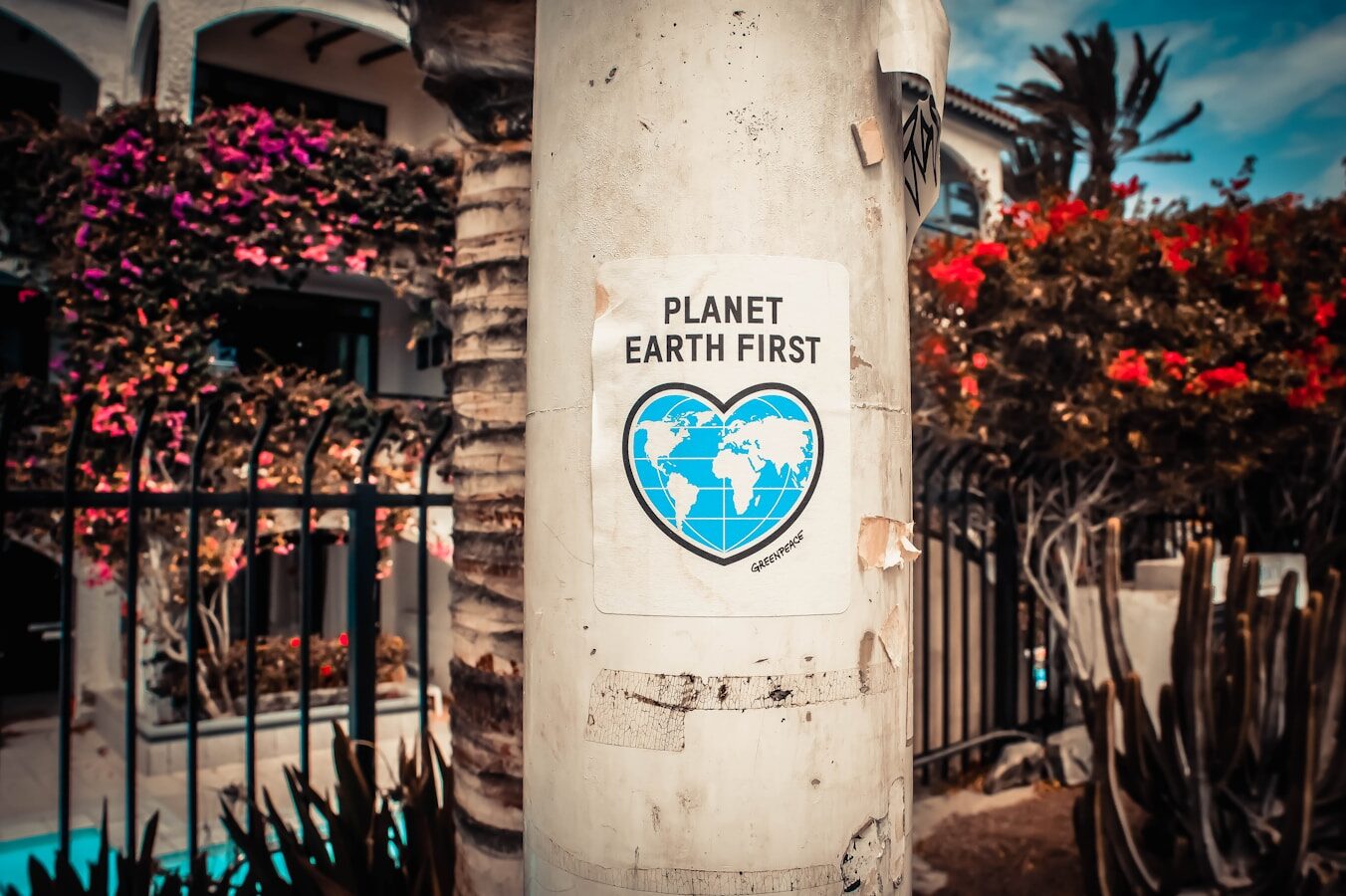
In an era when environmental credentials have become powerful marketing assets, a troubling phenomenon has flourished: greenwashing—the practice of making products, companies, or policies appear more environmentally responsible than they actually are. From fossil fuel companies claiming to be climate leaders to fast fashion brands selling “conscious collections” made from marginally better materials, greenwashing has become sophisticated, pervasive, and increasingly consequential for our ability to address genuine environmental crises.
What Is Greenwashing—And Why Does It Matter?
Greenwashing encompasses a spectrum of misleading environmental claims, from outright false statements to subtle framing that distorts reality. The term was coined by environmentalist Jay Westerveld in 1986 after observing hotels that promoted towel reuse programs as environmental gestures while rapidly expanding their facilities. Today, greenwashing has evolved from crude, easily-debunked claims into sophisticated marketing strategies that exploit genuine consumer confusion about complex sustainability issues.
The harm is not merely consumer deception. When greenwashing succeeds, it redirects purchasing power and investment toward businesses that have not made genuine environmental improvements, while genuine sustainability innovators struggle to compete. Worse, it creates cynicism and confusion that can undermine the credibility of authentic environmental messaging—a phenomenon researchers call “greenwash fatigue.”
A 2023 survey by the European Commission found that 53% of green claims examined were vague, misleading, or unsubstantiated, and 40% were completely unfounded. In the US, the Federal Trade Commission’s Green Guides—which govern environmental marketing claims—have been under review since 2022 as regulators struggle to keep pace with the sophistication of modern greenwashing practices.
The Seven Faces of Greenwashing
1. The Hidden Trade-Off
A product is called “green” based on one environmental attribute while ignoring other significant environmental impacts. Paper products marketed as “sustainable” or “eco-friendly” may be sourced from certified forests, but the energy-intensive manufacturing process, bleaching chemicals, and transportation emissions may negate or exceed the forestry improvement.
Electric vehicles offer a more complex example. While they eliminate tailpipe emissions and are genuinely lower-carbon over their lifetime in most US electricity markets, some EV marketing obscures the significant environmental costs of battery production—particularly cobalt and lithium mining—and the fact that in coal-heavy electricity grids, EVs may offer only modest emissions benefits initially. The truth is nuanced; greenwashing simplifies to the point of deception.
2. No Proof
Environmental claims without accessible, credible supporting information or third-party certification. The FTC’s Green Guides require that environmental claims be substantiated, but enforcement is limited and many companies rely on consumers’ inability or unwillingness to verify claims. “Made with recycled materials” without specification of what percentage or what materials; “reduces carbon footprint” without baseline measurement or methodology—these claims proliferate precisely because they are difficult to disprove without detailed investigation.
3. Vagueness
Claims so broad or poorly defined that consumers cannot meaningfully evaluate them. “All-natural,” “eco-friendly,” “green,” “planet-conscious,” “earth-positive”—these terms have no legal definition or regulatory standard in the US. They convey positive environmental association without any specific commitment or verifiable performance standard. Research consistently shows that consumers interpret these vague terms as meaningful certifications when they carry no specific obligation.
4. Worshipping False Labels
Creating the impression of third-party endorsement through fictitious logos, self-designed “certifications,” or imagery that suggests independent verification that does not exist. Some companies design certification-looking badges that suggest external validation of environmental claims when the “certification” is entirely self-awarded. The proliferation of legitimate certifications—Energy Star, USDA Organic, B Corp, LEED, FSC, Rainforest Alliance, Fair Trade—creates cover for lookalike frauds.
5. Irrelevance
Making accurate but unimportant or legally mandated environmental claims that provide no meaningful differentiation. “CFC-free” on aerosol cans is accurate—but CFCs were banned in aerosols decades ago, so the claim is trivially true for all competing products. “No added formaldehyde” on wood products where formaldehyde is not used in the manufacturing process. These claims are not false, but they are designed to create a false impression of environmental superiority.
6. The Lesser of Two Evils
A claim that may be true within the product category but distracts consumers from the greater environmental impact of the category as a whole. “The greenest cigarettes” or “the most fuel-efficient pickup truck in its class”—these claims may be accurate, but they invite consumers to feel good about choices that remain environmentally damaging in absolute terms. The fossil fuel industry’s promotion of natural gas as a “clean” or “transition” fuel follows this pattern, highlighting its lower CO₂ emissions versus coal while downplaying the significant methane leakage that may largely offset that climate advantage.
7. Fibbing
Environmental claims that are simply false. This is the most straightforward category but also increasingly detectable as environmental data and third-party verification have improved. Volkswagen’s “Clean Diesel” scandal—in which defeat devices made cars appear emissions-compliant during testing while emitting 40 times legal limits in real-world driving—is the most prominent recent example, resulting in over $33 billion in fines, settlements, and vehicle buybacks.
Greenwashing in Finance: The ESG Crisis of Credibility
The explosion of Environmental, Social, and Governance (ESG) investing has created fertile ground for financial greenwashing. Assets labeled as ESG or sustainable grew from $12 trillion in 2012 to over $41 trillion in 2022—but the consistency and integrity of ESG ratings and fund composition has been repeatedly questioned by researchers and regulators.
A 2023 investigation by researchers at MIT found that ESG funds frequently held substantial positions in fossil fuel companies, weapons manufacturers, and other businesses that most consumers would not associate with environmental or social responsibility. ESG rating agencies—including MSCI, Sustainalytics, and ISS—use proprietary methodologies that sometimes weight “managing environmental risks to the company” more heavily than “managing the company’s environmental impacts,” creating the perverse situation where a major polluter can receive a high ESG score if it effectively manages litigation and regulatory risk from its pollution.
Regulators are responding. The SEC’s 2024 climate disclosure rules require public companies to disclose material climate risks and, for larger companies, Scope 1 and 2 greenhouse gas emissions. The EU’s Sustainable Finance Disclosure Regulation (SFDR) imposes detailed reporting requirements on financial products marketed as sustainable. These regulations represent important steps toward accountability, though industry lobbying has weakened several provisions.
Carbon Offset Greenwashing: The $2 Billion Question
The voluntary carbon market, in which companies purchase credits representing emissions reductions elsewhere to offset their own emissions, has grown explosively as corporate net-zero commitments proliferated. But investigative journalism and independent research have uncovered widespread problems with carbon credit quality.
A 2023 investigation by The Guardian, Die Zeit, and SourceMaterial found that over 90% of Verra-certified rainforest carbon offsets from REDD+ projects had not delivered the emissions reductions they claimed. Verra, the world’s largest carbon credit certifier, disputed the methodology but subsequently implemented reforms. The scandal affected hundreds of corporate net-zero claims built on these credits, including programs marketed by major airlines, consumer goods companies, and financial institutions.
The fundamental problem is additionality: did the credit actually prevent emissions that would otherwise have occurred? If a forest was not under genuine deforestation threat, a credit claiming to protect it creates a fiction—a “avoided emissions” that were never actually at risk. Without rigorous, independently verified additionality assessment, the carbon offset market can facilitate precisely the outcome it claims to prevent: companies maintaining or growing emissions while purchasing the social license to call themselves climate-responsible.
How Consumers and Investors Can Protect Themselves
Navigating greenwashing requires a degree of skepticism and a willingness to look beyond marketing claims to underlying data. Several practical strategies can help:
Look for specific, measurable commitments rather than vague aspirations. “Net zero by 2050” means little without interim targets, scope definitions (Scope 1, 2, and 3 emissions), and independent verification mechanisms. Science-Based Targets initiative (SBTi) certification provides meaningful assurance that a company’s climate commitments are aligned with 1.5°C warming pathways.
Seek third-party certification from credible, independent organizations. B Corp, FSC, Rainforest Alliance, USDA Organic, Energy Star, and LEED represent certifications with genuine standards and third-party verification. Be skeptical of certification-looking logos you cannot independently verify.
Use reporting frameworks when evaluating corporate environmental claims. The Carbon Disclosure Project (CDP) and the Global Reporting Initiative (GRI) provide standardized frameworks for corporate environmental disclosure. Companies that report through these frameworks provide far more verifiable information than those relying solely on marketing materials.
Read ESG fund prospectuses carefully. What does the fund actually hold? Most fund companies are required to provide quarterly portfolio disclosures. Tools like the nonprofit organization Fossil Free Funds make it easy to check whether ESG funds hold fossil fuel investments.
The Regulatory Frontier
Regulators in the US and EU are escalating action against greenwashing. The FTC has signaled intent to strengthen its Green Guides, potentially requiring that claims like “carbon neutral” and “net zero” meet specific standards including transparent accounting methodologies and independent verification. The SEC’s enhanced climate disclosure rules create legal accountability for material misrepresentations about climate risk and performance.
In Europe, the Green Claims Directive—proposed by the European Commission in 2023 and advancing through EU legislative processes—would require companies to substantiate environmental claims before making them public, with independent verification required for specific environmental claims. This represents a fundamentally different regulatory approach than US post-hoc enforcement, placing the burden of proof on companies rather than on regulators to identify violations.
Litigation is also increasing. Environmental organizations and government attorneys general are filing suits against companies whose advertising claims they allege constitute consumer fraud or unfair business practices. Shell, Delta, Kohl’s, and Volkswagen are among companies that have faced legal action over environmental marketing claims in recent years.
Beyond Skepticism: The Path to Authentic Sustainability
The fight against greenwashing is ultimately about creating market conditions where authentic environmental improvement is valued and rewarded. This requires both better regulation to establish clear standards and accountability, and more sophisticated consumer and investor demand that looks beyond surface-level green marketing to underlying performance.
Companies that have made genuine sustainability commitments—with measurable targets, transparent reporting, and independent verification—deserve to be distinguished from those that merely exploit green aesthetics. That distinction requires engagement and discernment from all market participants: consumers who ask hard questions, investors who demand credible data, and regulators who ensure that environmental claims carry genuine accountability.
The planet does not benefit from the appearance of environmental responsibility. Only genuine systemic change—in energy systems, production processes, consumption patterns, and land use—can actually address the environmental crises we face. Exposing and resisting greenwashing is not cynicism; it is a necessary condition for creating the accountability that genuine sustainability requires.
Related reading: Sustainability | Environmental Policy
EU CBAM Duty & Tariff Calculator
Model European Carbon Border Adjustment Mechanism liability, embedded specific emissions, and weekly EU ETS certificate pricing for regulated goods.
Model CBAM Duty →