Insecticides and Male Fertility: A Looming Threat to Reproductive Health
Introduction
Insecticides and male fertility are increasingly connected in peer-reviewed scientific literature. Over the past three decades, researchers have documented declining sperm counts, altered hormone levels, and rising male infertility rates across multiple regions. At the same time, global insecticide use has expanded significantly in both conventional agriculture and household pest control.
This overlap is not coincidental. Many insecticides contain biologically active compounds that interfere with endocrine signaling, induce oxidative stress, and damage reproductive tissues. As a result, concerns about insecticides and male fertility now extend beyond occupational exposure to the broader population.
Understanding the science behind this issue is essential for policymakers, farmers, investors, and health professionals. This article explains the biological mechanisms, environmental impacts, economic consequences, and evidence based solutions to reduce risk.
Key Concepts and Scientific Foundation
What Are Insecticides?
Insecticides are chemical agents designed to kill or repel insects. The most widely used classes include:
Organophosphates
Pyrethroids
Neonicotinoids
Carbamates
Although they target insect nervous systems, many share biochemical pathways that are also present in mammals.
How Insecticides Affect Male Reproductive Biology
Research in toxicology and reproductive endocrinology shows several mechanisms linking insecticides and male fertility decline.
1. Endocrine Disruption
Certain insecticides act as endocrine disrupting chemicals. They can:
Mimic or block testosterone
Alter luteinizing hormone regulation
Disrupt the hypothalamic pituitary gonadal axis
Even low dose chronic exposure may impair hormone balance over time.
2. Oxidative Stress
Oxidative stress damages sperm membranes and DNA. Many insecticides increase reactive oxygen species in testicular tissue. This reduces:
Sperm count
Sperm motility
Morphological integrity
Because sperm cells are highly sensitive to oxidative damage, this mechanism is particularly concerning.
3. DNA Fragmentation and Epigenetic Effects
Studies suggest that exposure may increase sperm DNA fragmentation. Additionally, some compounds may induce epigenetic modifications that influence offspring health.
Exposure Pathways
Exposure occurs through:
Agricultural spraying and pesticide drift
Contaminated food and water
Occupational contact among farmworkers
Indoor pest control products
Therefore, insecticides and male fertility risks extend beyond agricultural settings.
These disruptions weaken ecosystem resilience and reduce long term agricultural productivity.
Public Health and Demographic Trends
Meta analyses show significant declines in sperm concentration in several regions over recent decades. While multiple factors contribute, environmental toxicants are considered a major driver.
Male infertility has broader consequences:
Increased demand for assisted reproductive technologies
Psychological stress
Delayed parenthood
Lower birth rates in aging economies
Economic Costs
Fertility treatments such as IVF are expensive and often not fully covered by insurance. In addition:
Healthcare systems face rising costs
Workforce productivity may decline
Demographic shifts affect pension and social systems
Thus, insecticides and male fertility concerns intersect with macroeconomic stability.
Real World Case Studies and Applications
Agricultural Worker Studies
Epidemiological research among farmworkers shows higher rates of:
Reduced sperm motility
Abnormal morphology
Hormonal imbalance
These findings are consistent across regions including North America, Europe, and parts of Asia.
Regulatory Responses
Some jurisdictions have restricted high risk insecticides linked to endocrine disruption. For example:
Phased bans of specific organophosphates
Tighter residue limits in food
Improved labeling requirements
However, regulatory approaches remain uneven globally.
Sustainable Farming Innovations
Integrated Pest Management systems reduce chemical dependence by combining:
Biological pest control
Crop rotation
Targeted application
Resistant crop varieties
Organic farming systems also demonstrate reduced synthetic pesticide exposure.
Farmers may rely on insecticides for yield stability. Transitioning to alternative systems requires:
Technical knowledge
Financial support
Market incentives
Public Awareness Gaps
Many consumers remain unaware of the connection between insecticides and male fertility. As a result, demand for reform can be limited.
Solutions and Strategic Pathways
Addressing insecticides and male fertility risks requires coordinated action.
Policy Reform
Governments can:
Strengthen endocrine disruption testing protocols
Apply the precautionary principle
Increase funding for longitudinal reproductive health studies
Harmonize international safety standards
Agricultural Transition
Support should focus on:
Scaling Integrated Pest Management
Expanding regenerative agriculture
Subsidizing biological pest control alternatives
These approaches reduce exposure while maintaining productivity.
Occupational Protections
Farmworkers need:
Personal protective equipment
Exposure monitoring
Training programs
Medical screening access
Individual Action Steps
Consumers can reduce exposure by:
Washing produce thoroughly
Choosing organic options when feasible
Minimizing indoor insecticide use
Supporting policy reform initiatives
Collectively, these measures reduce cumulative risk.
Frequently Asked Questions
Can insecticides reduce sperm count?
Yes. Multiple studies associate certain insecticides with reduced sperm concentration, motility, and morphology.
Are low levels of pesticide exposure harmful?
Chronic low dose exposure may still disrupt endocrine function. Effects often accumulate over time.
Are organic foods safer for fertility?
Organic systems generally avoid synthetic insecticides. While not completely risk free, they reduce exposure to many compounds linked to reproductive toxicity.
Is male infertility only caused by environmental chemicals?
No. Genetics, lifestyle, obesity, smoking, and age also contribute. However, environmental exposure is a significant and modifiable risk factor.
Conclusion
The evidence linking insecticides and male fertility continues to grow. Mechanistic studies, epidemiological data, and occupational research consistently indicate reproductive risks associated with certain chemical exposures.
While agriculture must remain productive, it must also protect human health. Policymakers, industry leaders, and consumers all play a role in accelerating safer alternatives. Strengthening regulation, investing in sustainable farming systems, and increasing public awareness can significantly reduce exposure.
Addressing insecticides and male fertility is not only a reproductive health issue. It is a public health, economic, and sustainability imperative.
If you found this analysis valuable, explore related topics such as endocrine disrupting chemicals, regenerative agriculture systems, and chemical policy reform to deepen your understanding.
How Groundwater Pumping Is Tilting Earth’s Axis: What You Need to Know
Groundwater pumping tilting Earth’s axis is no longer a theoretical concept. It is a measurable geophysical phenomenon supported by satellite data and climate research. When humans extract massive volumes of groundwater, we redistribute weight across the planet. That redistribution slightly shifts Earth’s rotation axis.
While the shift is small in physical distance, the implications are scientifically significant. It reflects the scale of global groundwater depletion and its role in sea level rise, climate risk, and planetary stability.
This article explains the science behind groundwater pumping tilting Earth’s axis, its environmental and economic impacts, and the solutions needed to reduce long term risk.
Key Concepts and Scientific Foundation
What Is Groundwater Pumping?
Groundwater pumping refers to extracting water from underground aquifers for agriculture, industry, and urban use. Globally, irrigation accounts for nearly 70 percent of freshwater withdrawals. Many regions rely heavily on aquifers because surface water is unreliable or seasonal.
However, when extraction exceeds natural recharge rates, groundwater depletion occurs.
How Mass Redistribution Affects Earth’s Rotation
Earth rotates around an axis that passes through the North and South Poles. This axis is not fixed. It shifts due to changes in mass distribution on the planet.
When large amounts of groundwater are pumped and eventually flow into oceans through rivers and runoff, mass moves from land to sea. That change alters Earth’s moment of inertia. As a result, the rotation axis shifts slightly, a phenomenon known as polar motion.
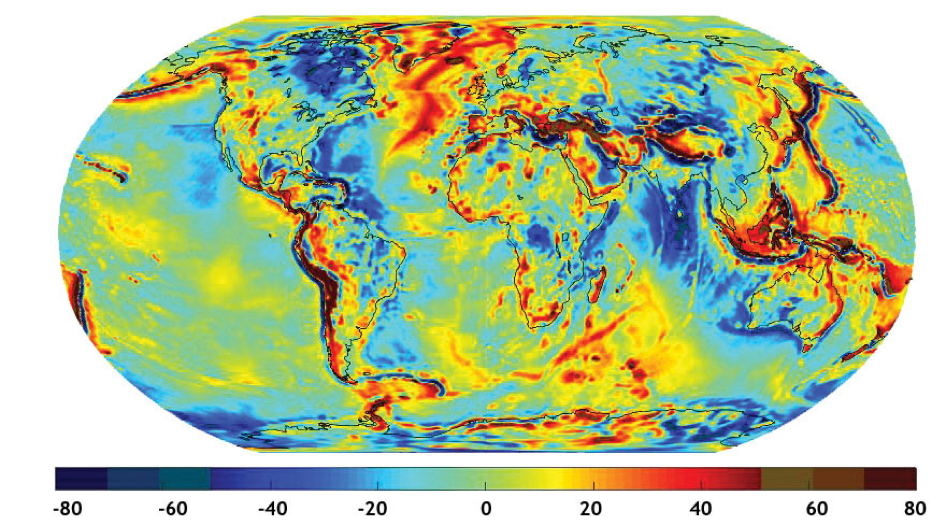
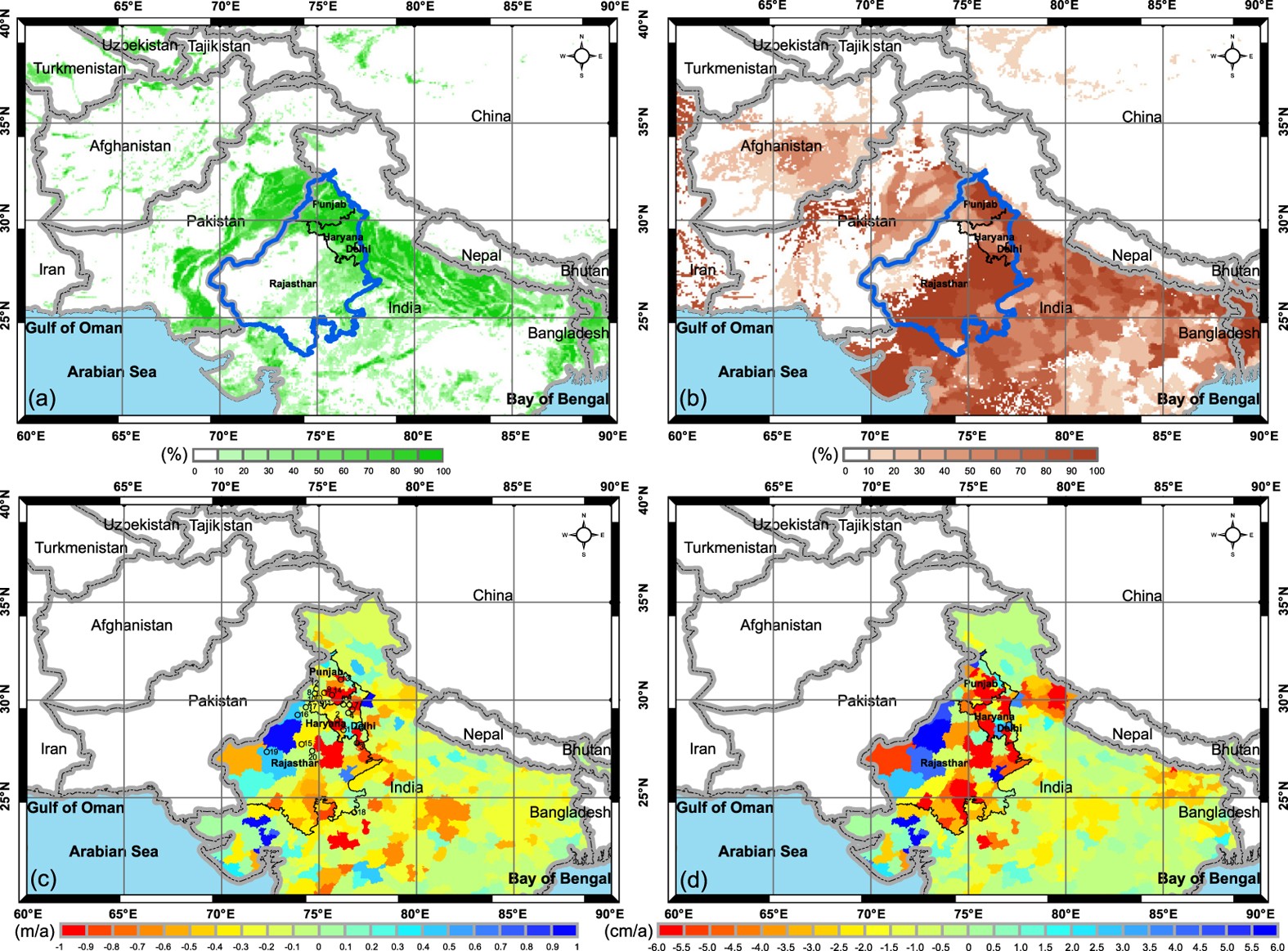
Satellite gravity missions such as NASA’s GRACE program have confirmed large scale groundwater loss in regions including northern India, western United States, and parts of the Middle East.
What Research Shows
A 2023 study published in the journal Geophysical Research Letters estimated that from 1993 to 2010, humans pumped approximately 2,150 gigatons of groundwater. This redistribution contributed to a pole shift of about 4.3 centimeters per year.
Importantly, groundwater depletion also contributed roughly 6 millimeters to global sea level rise during that period.
These numbers may appear small. However, in planetary physics, such changes are measurable and meaningful.
Environmental and Economic Impacts
Contribution to Sea Level Rise
Groundwater pumping tilting Earth’s axis is directly linked to sea level rise. Once groundwater is extracted and enters oceans, it becomes part of the global water cycle.
Sea level rise increases:
Coastal flooding frequency
Saltwater intrusion into freshwater systems
Infrastructure damage
Insurance and property risk
Low lying coastal cities such as Miami and Jakarta are already experiencing compounded risk from subsidence and rising seas.
Aquifer Depletion and Land Subsidence
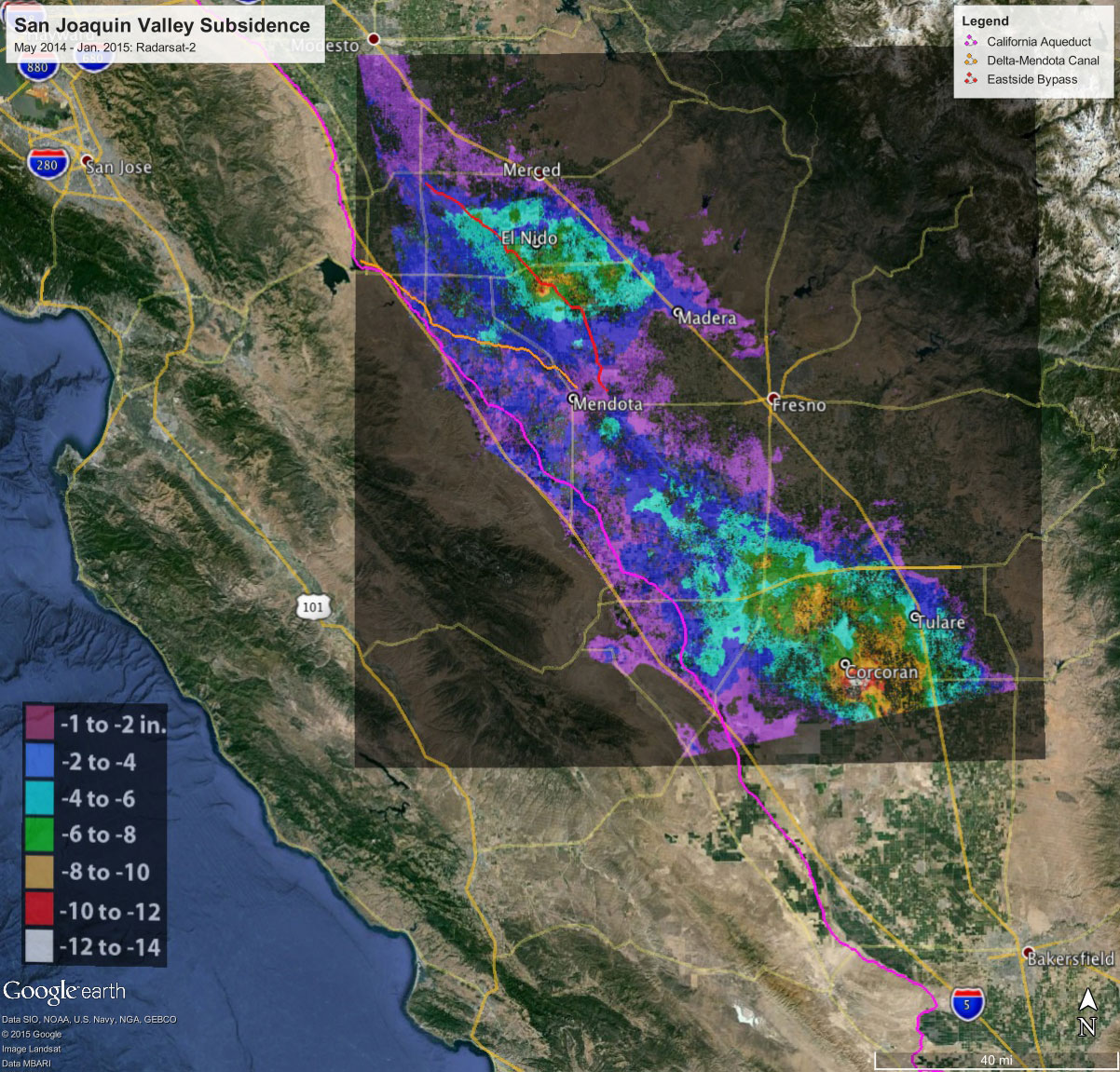
Excessive pumping causes land to sink. This process, known as land subsidence, damages infrastructure and reduces aquifer storage capacity.
In California’s Central Valley, parts of agricultural land have subsided by several meters over decades due to over extraction. Once aquifers compact, their storage potential permanently declines.
Agricultural and Food Security Risks
Regions that depend on groundwater irrigation face long term productivity risks. Countries such as India and United States rely heavily on groundwater for staple crops.
Declining aquifers can lead to:
Reduced crop yields
Increased energy costs for deeper pumping
Water conflicts
Rural economic instability
For investors and policymakers, groundwater depletion represents a climate risk multiplier.
Real World Case Studies and Applications
Northern India
Northern India has experienced some of the fastest groundwater depletion rates globally. Satellite data from NASA show significant mass loss in the Indo Gangetic Basin.
Intensive rice and wheat cultivation, combined with subsidized electricity for pumping, has accelerated depletion. Consequently, groundwater pumping tilting Earth’s axis includes measurable contributions from this region.
Western United States
In California, the Sustainable Groundwater Management Act was passed in 2014 to regulate aquifer use. The policy requires local groundwater sustainability agencies to balance extraction with recharge by 2040.
This is an example of policy intervention aimed at reversing depletion trends.
Middle East and North Africa
Arid countries such as Saudi Arabia have historically used fossil groundwater for agriculture. However, recognizing depletion risks, Saudi Arabia reduced domestic wheat production to conserve water.
This shift illustrates how water scarcity can reshape national agricultural strategy.
Challenges and Barriers
Weak Governance
Many countries lack robust groundwater monitoring systems. Aquifers often cross political boundaries, which complicates regulation.
Without clear data and enforcement, over pumping continues unchecked.
Energy Subsidies
Cheap electricity or diesel subsidies lower pumping costs. While politically popular, these incentives accelerate depletion.
Reforming subsidies is politically sensitive but necessary.
Climate Change Interactions
Climate change reduces snowpack and alters rainfall patterns. As surface water becomes less reliable, groundwater extraction increases.
This feedback loop intensifies groundwater pumping tilting Earth’s axis.
Data Gaps
While satellite data provide global insights, local aquifer monitoring remains uneven. Developing countries often lack detailed hydrogeological mapping.
Solutions and Strategic Pathways
Addressing groundwater pumping tilting Earth’s axis requires systemic reform across agriculture, policy, and technology.
1. Sustainable Groundwater Management
Governments must:
Establish extraction caps
Implement aquifer recharge programs
Use real time monitoring systems
Enforce penalties for over extraction
Water accounting frameworks improve transparency and long term planning.
2. Agricultural Transition
Shifting from water intensive crops to drought resistant varieties reduces demand.
Drip irrigation can cut water use by 30 to 50 percent compared to flood irrigation.
Precision agriculture technologies optimize water delivery and reduce waste.
3. Managed Aquifer Recharge
Capturing stormwater and directing it into aquifers helps restore groundwater levels.
Urban green infrastructure and restored wetlands support recharge.
4. Pricing Reform
Water pricing that reflects scarcity encourages efficiency.
Gradual removal of harmful energy subsidies reduces unsustainable pumping incentives.
5. Consumer and Investor Action
Consumers can:
Reduce food waste
Support sustainable agriculture
Choose products with lower water footprints
Investors can integrate groundwater risk into environmental, social, and governance assessments.
Frequently Asked Questions
Is groundwater pumping really tilting Earth’s axis?
Yes. Peer reviewed research confirms that large scale groundwater depletion redistributes mass enough to shift Earth’s rotational pole slightly.
How much has Earth’s axis shifted?
Between 1993 and 2010, groundwater redistribution contributed to a pole shift of approximately 4.3 centimeters per year.
Does this affect daily life?
The direct tilt does not change day length in noticeable ways. However, the underlying groundwater depletion contributes to sea level rise and water scarcity, which have major societal impacts.
Can the tilt be reversed?
Reducing groundwater extraction and restoring aquifers can slow further shifts. However, full reversal depends on long term hydrological balance.
Visualizing Groundwater Depletion
Image Description: Satellite-based gravity and land subsidence maps showing groundwater depletion patterns.
Conclusion
Groundwater pumping tilting Earth’s axis highlights the scale of human impact on planetary systems. Although the axial shift is small, it reflects massive groundwater depletion and its contribution to sea level rise.
More importantly, this phenomenon underscores the urgent need for sustainable water governance. By reforming agricultural practices, implementing groundwater regulation, investing in recharge systems, and aligning financial incentives, societies can reduce long term hydrological risk.
Groundwater is a strategic resource. Protecting it is not only about local water security. It is about planetary stability.
The science is clear. The policy tools exist. What remains is coordinated implementation.
Potassium Bromate Ban in the US: What It Means for Food Safety
The potassium bromate ban in the US marks a significant shift in American food safety regulation. Potassium bromate, a dough conditioner long banned in many countries, has faced increasing scrutiny due to carcinogenicity concerns. Now, regulatory action signals stronger alignment with global food safety standards.
This decision matters for consumers, manufacturers, and policymakers. It reflects evolving toxicology science, public pressure for safer ingredients, and a broader reassessment of legacy food additives. In this article, we examine the science behind potassium bromate, the environmental and economic implications of the ban, and what it means for the future of U.S. food policy.
Key Concepts and Scientific Foundation
What Is Potassium Bromate?
Potassium bromate is a chemical oxidizing agent historically used in commercial baking. It strengthens dough, improves elasticity, and enhances loaf volume.
Chemically, it is classified as a bromate salt. During baking, it is supposed to convert into bromide, which is considered less harmful. However, incomplete conversion can leave residues in finished products.
The additive has been classified as possibly carcinogenic to humans by international health authorities. Animal studies have demonstrated kidney and thyroid tumor formation at high exposure levels.
The U.S. Food and Drug Administration historically permitted its use under specific limits. However, the precautionary principle adopted in other jurisdictions led to earlier bans.
Why Many Countries Banned It
Potassium bromate has already been prohibited in:
The European Union
Canada
China
India
These bans reflect a hazard based regulatory model. In contrast, the United States traditionally used a risk based approach, evaluating acceptable exposure thresholds.
The potassium bromate ban in the US signals a shift toward stricter precautionary evaluation.
Environmental and Economic Impacts
Public Health Implications
Although exposure levels were generally low, removing a probable carcinogen reduces cumulative risk. Even minimal carcinogenic exposures can become significant across large populations.
Regulatory updates also improve consumer confidence in the food supply chain. Transparency strengthens trust, particularly as ingredient literacy increases among eco conscious consumers.
Industry Reformulation Costs
The economic impact varies by manufacturer:
Large industrial bakeries largely phased out potassium bromate years ago due to export market requirements.
Small producers may incur reformulation costs.
Supply chains must adjust ingredient sourcing.
However, alternative dough conditioners such as ascorbic acid are widely available and cost effective.
International Trade Alignment
Aligning with international bans reduces regulatory friction in global markets. Food exporters benefit from standardized compliance frameworks.
Over time, harmonization lowers compliance complexity and improves cross border competitiveness.
Real World Policy Context
Image Description: Industrial bread production and food safety laboratory testing
Regulatory Momentum
The potassium bromate ban in the US follows broader reevaluations of legacy additives. Consumer advocacy groups and state level regulators increased scrutiny of older chemical approvals.
Several U.S. states introduced legislation targeting controversial additives, accelerating federal review.
Comparison With Other Additives
Public confusion sometimes associates potassium bromate with beverage additives such as brominated vegetable oil. While chemically distinct, both fall under the broader discussion of bromine containing compounds in food.
In recent years, regulatory agencies have intensified additive reviews based on updated toxicological evidence and cumulative exposure modeling.
Challenges and Barriers
Regulatory Lag
Food additives approved decades ago remain on the market due to slow reevaluation cycles. Scientific reassessment requires extensive data review and stakeholder consultation.
Industry Resistance
Some producers argue that existing exposure levels were already safe under risk assessment models. Reformulation also requires product stability testing and quality control validation.
Scientific Uncertainty
While animal studies demonstrate carcinogenicity, human epidemiological data remain limited. Regulators must balance precaution with evidence thresholds.
Solutions and Strategic Pathways
The potassium bromate ban in the US highlights broader reform needs.
1. Modernize Food Additive Review
Regular reevaluation cycles should be mandatory for all legacy additives. Toxicological methods now include improved carcinogenicity modeling and cumulative exposure assessment.
2. Strengthen Transparency
Clear labeling and publicly accessible safety reviews increase accountability.
3. Encourage Safer Substitutes
Industry transition toward safer oxidizing agents demonstrates that reformulation is technically feasible.
4. Consumer Action
Consumers can:
Choose products labeled bromate free
Support brands committed to clean ingredient lists
Monitor regulatory updates
Market demand influences policy reform.
Frequently Asked Questions
Is potassium bromate still used in the United States?
The potassium bromate ban in the US significantly restricts or eliminates its use in food production, aligning with international standards.
Is potassium bromate used in soda?
No. Potassium bromate is primarily a dough conditioner used in baking. It is not typically found in carbonated beverages.
Why was potassium bromate allowed for so long?
It was approved decades ago under older safety standards. Risk based models considered exposure levels acceptable, although newer data prompted reassessment.
Are there safe alternatives?
Yes. Ascorbic acid and other oxidizing agents provide similar baking performance without carcinogenic classification.
Conclusion
The potassium bromate ban in the US represents a meaningful advancement in food safety modernization. Although exposure risks were considered low, eliminating a probable carcinogen strengthens precautionary regulation and aligns U.S. policy with international standards.
For manufacturers, the transition reinforces the importance of safer ingredient sourcing. For consumers, it offers increased confidence in the integrity of the food system.
As scientific understanding evolves, regulatory frameworks must adapt accordingly. The potassium bromate ban in the US may serve as a model for reviewing other legacy food additives.
Staying informed and supporting transparent food systems remains essential for long term public health protection.
Sustainable Food Systems: Cultivating a Future Where Food Meets Responsibility
Introduction
Sustainable food systems are essential for feeding a growing global population without degrading ecosystems, accelerating climate change, or deepening inequality. Today’s food production accounts for roughly one-third of global greenhouse gas emissions while also driving biodiversity loss and water stress. Therefore, building sustainable food systems is no longer optional—it is a scientific, economic, and ethical necessity.
This comprehensive guide explains what sustainable food systems are, how they work, why they matter, and what actions can move us toward a more responsible food future.
What Are Sustainable Food Systems?
Defining Sustainable Food Systems
Sustainable food systems are food production, processing, distribution, and consumption models that:
Protect ecosystems
Reduce greenhouse gas emissions
Preserve soil and water resources
Ensure fair labor practices
Improve nutrition and public health
Importantly, sustainable food systems balance environmental integrity, economic viability, and social equity.
Unlike industrial systems focused solely on yield and profit, sustainable food systems prioritize long-term resilience.
Key Components of Sustainable Food Systems
1. Climate-Smart Agriculture
Agriculture contributes significantly to methane and nitrous oxide emissions. Sustainable food systems promote:
Regenerative farming practices
Reduced synthetic fertilizer use
Crop diversification
Agroforestry
These approaches improve soil carbon storage while reducing emissions.
2. Soil Health and Biodiversity
Healthy soils are foundational to sustainable food systems. Practices such as:
Cover cropping
Reduced tillage
Organic amendments
enhance microbial life and improve water retention. Consequently, farms become more resilient to drought and extreme weather.
Biodiversity also strengthens pest resistance and stabilizes ecosystems.
3. Water Stewardship
Agriculture accounts for about 70% of global freshwater withdrawals. Sustainable food systems aim to:
Increase irrigation efficiency
Restore watersheds
Reduce runoff pollution
Efficient water management reduces pressure on rivers, aquifers, and wetlands.
4. Local and Regional Food Networks
Shorter supply chains reduce transportation emissions and strengthen local economies. Sustainable food systems encourage:
Farmers’ markets
Community-supported agriculture (CSA)
Urban agriculture initiatives
These models reconnect consumers to producers.
Environmental Benefits of Sustainable Food Systems
Lower Greenhouse Gas Emissions
Sustainable food systems reduce emissions through:
Reduced livestock intensity
Improved manure management
Precision agriculture technologies
Plant-forward dietary patterns further decrease climate impact.
Reduced Deforestation and Habitat Loss
Expansion of farmland drives forest clearing in many regions. Sustainable food systems prioritize:
Yield efficiency on existing land
Agroecological intensification
Protection of high-carbon ecosystems
As a result, natural habitats are preserved.
Improved Carbon Sequestration
Regenerative practices within sustainable food systems enhance carbon storage in soils. This helps mitigate climate change while improving productivity.
Social and Economic Benefits
Food Security and Nutrition
Sustainable food systems improve access to diverse, nutrient-dense foods. Diversified crops enhance dietary quality and reduce reliance on monocultures.
Fair Labor and Equity
Responsible food systems address:
Fair wages
Safe working conditions
Gender equity in agriculture
Social justice is a core pillar of sustainability.
Economic Resilience
Diversified farms and local markets reduce vulnerability to global supply chain disruptions. Therefore, sustainable food systems strengthen rural economies.
Challenges Facing Sustainable Food Systems
Despite clear benefits, sustainable food systems face barriers:
Precision agriculture, digital monitoring, and improved crop breeding enhance resource efficiency. When used responsibly, technology strengthens sustainable food systems.
Consumer Behavior Shifts
Consumers influence food systems through purchasing decisions. Actions include:
Reducing food waste
Choosing seasonal produce
Supporting sustainable producers
Moderating meat consumption
Demand drives supply.
Sustainable Food Systems and Climate Change
Sustainable food systems are central to climate mitigation strategies. Food production interacts with:
Methane emissions from livestock
Nitrous oxide from fertilizers
Carbon loss from land conversion
Therefore, transforming food systems is one of the most powerful climate actions available.
Frequently Asked Questions
Why are sustainable food systems important?
Sustainable food systems protect ecosystems, reduce emissions, and improve food security while ensuring social equity.
Can sustainable food systems feed a growing population?
Yes. Research suggests diversified, regenerative systems can maintain productivity while improving resilience and reducing environmental harm.
Is organic farming the same as sustainable food systems?
Not exactly. Organic farming is one approach within sustainable food systems, but sustainability also includes social and economic dimensions.
Conclusion
Sustainable food systems represent a comprehensive solution to interconnected environmental, social, and economic challenges. By aligning agriculture with ecological principles and human well-being, sustainable food systems cultivate a future where food meets responsibility.
Transforming food systems requires coordinated action from policymakers, farmers, businesses, and consumers. However, the scientific evidence is clear: resilient, climate-smart food systems are essential for long-term planetary stability.
Call to Action: Support sustainable food systems by reducing food waste, choosing responsibly produced foods, and advocating for policies that prioritize environmental stewardship and food equity.
Closing the Loophole: Global Policy and the Future of Seed Protection
The crisis of pesticide-coated seeds is not an inevitability of modern science. Instead, it is the result of specific policy choices. While the United States continues to rely on a “prophylactic” model, other nations have proven that productive agriculture can thrive without systemic seed saturation.
1. The Atlantic Divide: Precaution vs. Permissiveness
The European Union (EU) and the United States take fundamentally different approaches to chemical safety. In 2018, the EU implemented a total ban on the outdoor use of the three main neonicotinoids: imidacloprid, clothianidin, and thiamethoxam.
Consequently, European farmers have successfully transitioned back to monitoring-based pest control. In contrast, the US EPA operates under a “treated article” exemption. This loophole allows coated seeds to bypass the rigorous environmental tracking required for liquid sprays. Therefore, the US continues to plant millions of “toxic acres” that would be illegal in France or Germany.
2. The Failure of the “Treated Article” Loophole
Under the Federal Insecticide, Fungicide, and Rodenticide Act (FIFRA), the EPA treats a coated seed like a piece of pressure-treated lumber. This classification assumes the pesticide stays “attached” to the seed.
However, as we have seen, 95% of the chemical leaches into the environment. Because of this loophole, the EPA does not require farmers to report where or how much of these chemicals are buried. This lack of transparency prevents scientists from accurately measuring the correlation between seed planting and the mass die-offs of aquatic insects.
3. The Case for the “Saving America’s Pollinators Act”
Legislative solutions are currently on the table. The Saving America’s Pollinators Act aims to create an independent board to review the impact of neonicotinoids.
If passed, this law would force the EPA to cancel the registration of any pesticide found to be significantly harming bees or birds. Furthermore, it would require the agency to treat coated seeds as “pesticide applications.” This change would finally give the public a clear picture of the chemical load in American soil.
4. Scalable Alternatives: Integrated Pest Management (IPM)
Critics often claim that banning seed coatings would lead to crop failure. However, Integrated Pest Management (IPM) offers a proven alternative.
IPM is a strategy that uses “economic thresholds.” Farmers scout their fields to see if pests are actually present. If the pest count is low, they do nothing. If it is high, they apply a targeted spray. This method is far more precise than “pre-poisoning” every single seed. In fact, many farmers find that IPM increases their profits by eliminating the cost of unnecessary chemicals.
5. Technological Innovations in Seed Planting
While policy shifts, technology can also reduce immediate harm. In Canada and parts of the EU, “deflector” kits are becoming mandatory on pneumatic planters.
These kits redirect the toxic “talc dust” downward into the soil rather than venting it into the air. While this does not stop soil leaching, it significantly reduces the instant kill of bees during the planting season. However, most experts agree that better hardware is only a “band-aid” for a fundamentally broken chemical system.
6. A Roadmap for Systematic Change
To protect our biodiversity, we must move beyond the “treated article” era. This requires a three-pronged approach:
Regulatory Reform: Closing the FIFRA loophole to track seed-coating volume.
Farmer Rights: Mandating that seed companies offer “naked” (untreated) versions of all high-performing hybrids.
Financial Incentives: Providing federal crop insurance discounts to farmers who adopt IPM and reduce their use of systemic seeds.
Comparison Table: US vs. EU Regulatory Models
Feature
United States (EPA)
European Union (EFSA)
Regulatory Philosophy
“Risk-Based” (Action after harm)
“Precautionary” (Action to prevent harm)
Seed Coating Status
Exempt “Treated Article”
Regulated Pesticide Application
Neonicotinoid Status
Widely used on 100M+ acres
Banned for all outdoor use
Environmental Monitoring
Minimal/Voluntary
Rigorous/Mandatory
Summary of the Series:
Over these three articles, we have explored the biological devastation, the corporate economic traps, and the policy failures surrounding pesticide-coated seeds. The “silent collapse” of our wildlife is not an accident; it is a systemic flaw. By returning to data-driven farming and closing legal loopholes, we can restore the health of the American landscape.
The Corporate Grip: Why US Farmers Can’t Escape Pesticide-Coated Seeds
For decades, the American farmer stood as a symbol of independence. Today, however, that independence is fading under the weight of a highly consolidated seed industry. While the environmental toll of pesticide-coated seeds is well-documented, the economic “lock-in” of the farmers themselves is often overlooked.
1. The Illusion of Choice in the Seed Market
At first glance, seed catalogs seem to offer endless varieties. However, four massive global corporations now control over 60% of the world’s proprietary seeds. Because these companies also manufacture the pesticides used for coatings, they have a financial incentive to bundle them together.
Consequently, a farmer in the Midwest often finds it impossible to buy high-yielding corn or soybean seeds without a “pre-applied” chemical treatment. Therefore, the choice isn’t between treated or untreated; it is between using treated seeds or switching to lower-quality, older genetics.
2. The “Insurance” Marketing Trap
Chemical companies market seed coatings as a low-cost insurance policy. They tell farmers that these coatings protect against early-season pests that might appear in the soil.
However, independent research from universities like Penn State shows that these pests are rarely a threat in many regions. Despite this, the industry continues to sell the “insurance” as a standard requirement. Because the cost is bundled into the seed price, many farmers do not even realize how much they are paying for chemicals they may not need.
3. The Death of “Naked” Seeds
In the agricultural world, an untreated seed is known as a “naked seed.” Decades ago, these were the standard. Today, they are nearly extinct in commercial supply chains.
If a farmer wants to order untreated seeds to protect local bee populations, they often face significant hurdles. They might have to order months in advance, pay a premium, or sign waivers. In many cases, the local seed dealer simply does not stock them. This lack of availability forces even environmentally-conscious farmers to participate in the chemical cycle.
4. Patent Laws and Saving Seeds
Transitioning away from this system is made harder by strict patent laws. Most modern seeds are “utility patented,” which means farmers cannot save seeds from one harvest to plant the next year.
Since they must buy new seeds every year, they are permanently tethered to the corporate “technology packages.” These packages almost always include the latest neonicotinoid coatings. This legal framework ensures that the chemical application happens every single spring, regardless of the actual pest pressure on the farm.
5. The Hidden Economic Costs
While coatings are sold as “efficiency tools,” they can actually hurt a farmer’s bottom line. When seed treatments kill beneficial insects like ground beetles, the “bad” pests—like slugs—actually increase.
Since the natural predators are gone, the farmer must then spend more money on additional slug pellets or sprays. Therefore, the “low-cost insurance” of the seed coating often leads to a more expensive, high-input farming model that reduces the farmer’s final profit margin.
6. Moving Toward Integrated Pest Management (IPM)
The solution lies in returning to Integrated Pest Management (IPM). This system teaches farmers to scout their fields for bugs first. They only apply chemicals if a real threat exists.
However, IPM is difficult to practice when the pesticide is already on the seed before it even touches the dirt. To fix the system, we must decouple the seed from the chemical. We need policies that require companies to offer untreated versions of their best-performing seeds.