Metabolic Collapse: The FAO’s 2026 Warning on Thermal Stress and Global Food Security
The threshold for global food security is not a geopolitical border; it is a thermal limit. According to the landmark joint report released on Earth Day 2026 by the Food and Agriculture Organization (FAO) and the World Meteorological Organization (WMO), extreme heat is no longer an isolated climatic hazard. It has weaponized into a systemic risk multiplier.
We are moving past localized crop failures and entering an era of biological supply chain disruption. As WMO Secretary-General Celeste Saulo notes, extreme heat is increasingly defining the foundational conditions under which agrifood systems operate (FAO & WMO, 2026). To secure the future of global calories, we must move beyond tracking surface temperatures and understand the compounding mechanics of metabolic collapse.
Table of Contents
The Physics of Thermal Stress on Global Calories
Heat does not simply dehydrate an ecosystem; it fundamentally alters the cellular machinery of the organisms within it. The 2026 FAO/WMO data reveals stark biological tipping points that threaten the bedrock of global caloric and protein production.
The 30°C Tipping Point for Crop Yields
For the majority of the world’s major agricultural crops, the onset of yield decline is triggered at precisely 30°C. For cooler-climate staples like potatoes and barley, this threshold is even lower. Why does this exact temperature matter? At these thermal extremes, plants prioritize survival over reproduction.
High temperatures induce an exponential increase in the vapor pressure deficit (VPD) between the plant’s leaves and the atmosphere. To prevent total desiccation, plants close their stomata, halting carbon dioxide intake. Photosynthesis plummets, cellular proteins begin to denature, and the plant essentially starves itself to avoid dying of thirst. The result is a sharp, non-linear collapse in harvestable yield.
Metabolic Collapse in Livestock and Aquaculture
The thermal equation for animal protein is equally precarious. Mammalian and avian agrifood species face critical physiological limits when ambient heat exceeds their capacity to dissipate it. For most common livestock species, biological stress initiates at 25°C. For pigs and poultry—species lacking efficient thermoregulatory sweating mechanisms—the threshold is lower. As internal temperatures rise, feed intake drops precipitously, immune function degrades, and mortality rates spike.
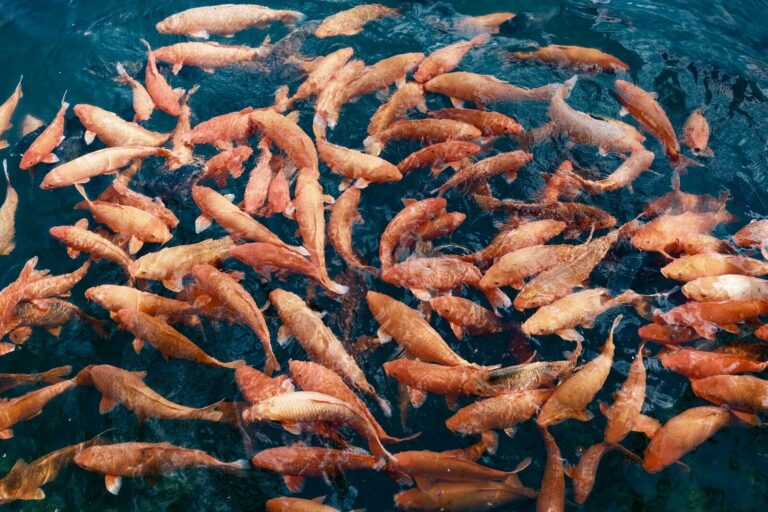
Aquaculture faces a parallel, albeit suffocating, crisis. As water temperatures rise, the solubility of oxygen decreases while the metabolic demand of fish simultaneously increases. This thermodynamic trap leads to mass cardiac failure. With the WMO’s State of the Global Climate 2025 report confirming that over 90 percent of the global ocean experienced at least one marine heatwave, we are witnessing aquatic hypoxic environments that mirror the devastating, systemic impacts of marine heatwaves on a localized, hyper-lethal scale.
The Compound Effect: Heat as a Systemic Risk Multiplier
Mainstream environmental reporting frequently treats heatwaves as linear events: temperatures rise, and crops wither. The true danger, however, lies in the contrarian gap—the secondary, compounding shocks that heat sets into motion. Heat is the ultimate catalyst for cascading ecosystem failure.
Flash Droughts and the Desiccation Feedback Loop
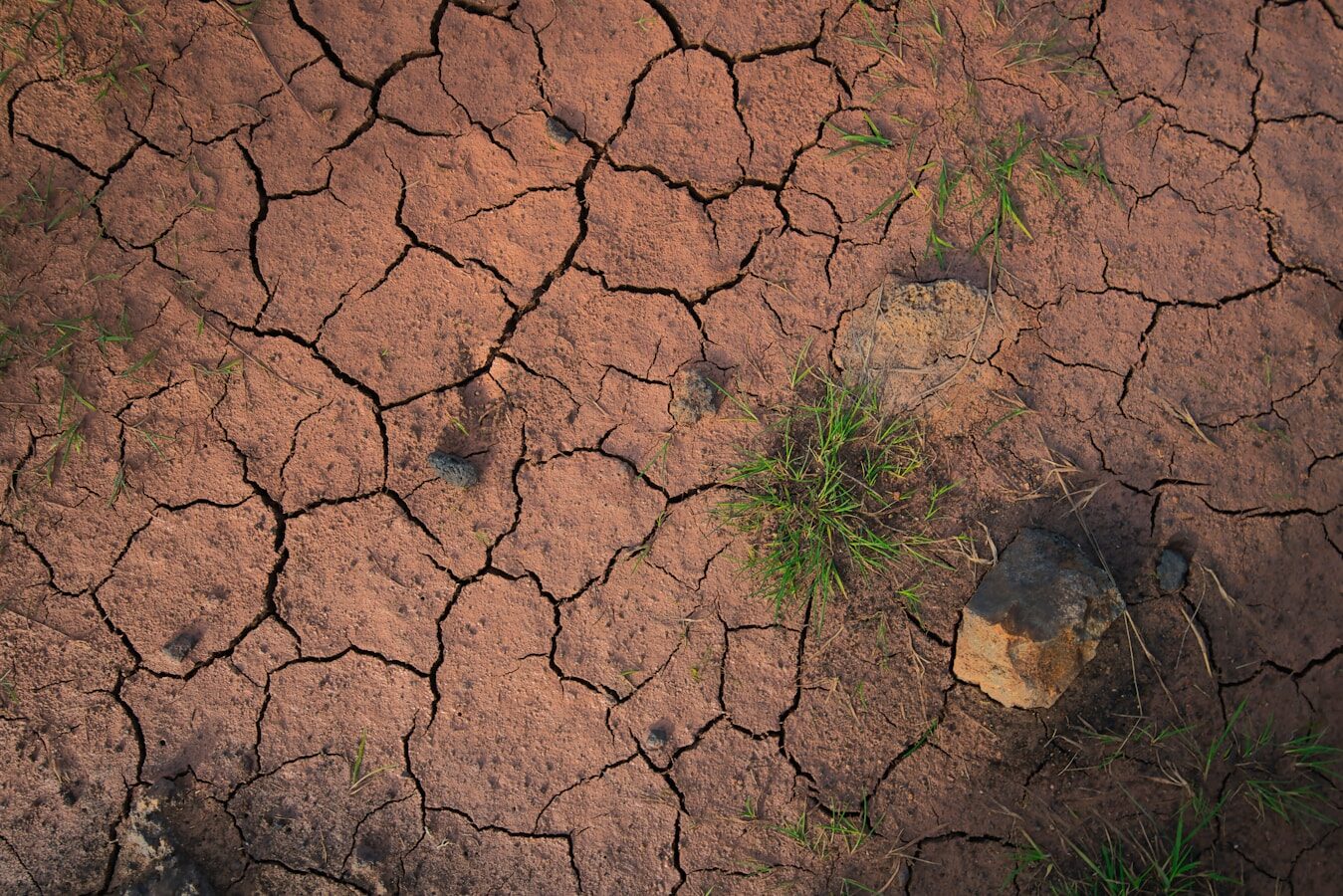
Traditional droughts develop over seasons, driven by prolonged precipitation deficits. Extreme heat, however, spawns flash droughts. Driven by rapid temperature spikes and plummeting humidity, flash droughts can drain soil moisture in a matter of weeks. This rapid desiccation bypasses standard agricultural contingency plans, aggressively accelerating the invisible crisis of America’s vanishing groundwater as farmers pump aquifers dry in a desperate bid to save failing crops.
The Wildfire-Pest Nexus
Thermal stress also fundamentally weakens plant defenses. Trees and crops compromised by heat emit distress signals in the form of volatile organic compounds, attracting invasive pests whose own reproductive cycles are accelerated by warmer weather. Furthermore, the desiccated biomass left behind creates a massive fuel load. The strong correlation between heat waves and extended, intense fire seasons means that agriculture is increasingly operating in the crosshairs of infernos. Securing the food supply now intrinsically requires a strategy for sustainable rebuilding after wildfires within rural farming communities.
The Human Infrastructure: Labor Capacity in the Danger Zone
Who harvests the crops when the air itself becomes lethal?
The most alarming metric in the 2026 FAO/WMO report is not biological, but human: the projection that the number of days each year when it is simply too hot to safely work outdoors may rise to 250 in regions across South Asia, tropical Sub-Saharan Africa, and parts of Central and South America.
Agrifood systems remain heavily dependent on manual labor. When wet-bulb temperatures exceed human physiological limits, labor productivity does not just decline; it stops. A 250-day window of extreme heat effectively erases the harvest season in the global south, creating an economic void that automated farming in higher latitudes cannot immediately fill.
Systemic Adaptation: Engineering Resilience in the Agrifood Matrix
If extreme heat is the new baseline condition, adaptation cannot be reactive; it must be structurally embedded into the agrifood economy. As FAO Director-General Qu Dongyu emphasizes, mitigating this risk multiplier requires comprehensive innovation.
- Climate Services and Predictive Agriculture: We must transition from short-term weather forecasting to long-term climate services. Early Warning Systems (EWS) integrated with seasonal outlooks allow farmers to adjust planting windows dynamically or pivot to drought-resistant selective breeds before a thermal anomaly strikes.
- Shock-Responsive Financial Architecture: Biological adaptation is expensive. Access to advanced financial services—specifically parametric insurance that pays out automatically when temperature thresholds are breached, alongside shock-responsive cash transfers—is now the backbone of agricultural survival. If the farmer goes bankrupt, the crop choice does not matter.
Actionable Intelligence: The Next Step
Building resilience against the 30°C tipping point requires immediate, systemic intervention. For supply chain managers, agricultural ministries, and eco-investors, the transition away from a high-emissions future demands three specific steps:
- Audit Supply Chains for Thermal Vulnerability: Map your tier-1 and tier-2 agricultural suppliers against projected 250-day extreme heat zones. If your raw commodities rely on manual labor in South Asia or Sub-Saharan Africa, begin investing heavily in localized mechanization or shifting sourcing to more thermally stable latitudes.
- Invest in Genomic and Phenotypic Crop Resilience: Shift R&D capital away from yield-maximization under perfect conditions and toward thermal tolerance. Prioritize funding for selective breeding programs focused on stomatal efficiency and heat-shock protein activation in staple crops.
- Implement Parametric Heat Insurance: For large-scale agricultural operations, traditional loss-assessed insurance is too slow. Transition to parametric insurance models triggered strictly by WMO thermal and hydrological data to ensure immediate liquidity during flash drought events, allowing operations to survive compound climate shocks.