
2026 Super El Niño Forecast: 5 Devastating Impacts of a 3°C Anomaly
The climate community is bracing for an unprecedented thermal shock. According to recent meteorological data, one of the strongest El Niño events on record may form this year. The impending 2026 Super El Niño is not merely a seasonal weather pattern; it represents a fundamental disruption of Earth’s thermodynamic equilibrium. As ocean heat content surges past historical planetary boundaries, the systemic risks to global agriculture, hydrology, and sociopolitical stability are escalating rapidly.
Table of Contents
The ECMWF Data: Inside the 2026 Super El Niño Anomaly
To understand the severity of this forecast, we must look at the data driving the alarm. The latest outlook from the European Center for Medium-Range Weather Forecasts (ECMWF) shows water temperatures in a key region of the central equatorial Pacific Ocean potentially reaching 3 degrees Celsius (5.4 degrees Fahrenheit) above average late in the year. For context, this magnitude of warming would exceed the threshold for a super El Niño.
If these projections materialize, the thermal expansion and atmospheric displacement will surpass standard climatological baselines, triggering a domino effect of extreme weather events globally.
Historical Comparisons: 1877, 2015, and 2026
We are not just looking at a warm year; we are looking at a potential ceiling-shattering event. The anticipated 3°C rise could approach or even surpass the current records set in 1877 and 2015.
| El Niño Event Year | Peak Temperature Anomaly | Primary Global Impact Focus |
|---|---|---|
| 1877-1878 | ~2.1°C (Estimated) | Historic global droughts and famines |
| 2015-2016 | ~2.6°C | Mass coral bleaching, severe Atlantic disruption |
| 2026 (Forecast) | Up to 3.0°C | Systemic agricultural failure and grid paralysis |
Cascading Global Impacts: Food, Water, and Conflict
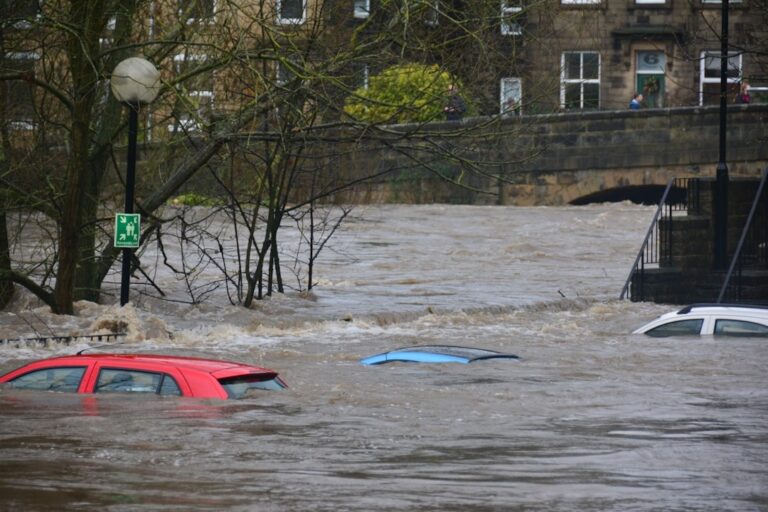
The ramifications of a hyper-warmed equatorial Pacific extend far beyond coastal climates. El Niño patterns are correlated with food shortages, water impacts and even civil conflict in tropical countries. The transmission mechanism is clear: altered atmospheric circulation suppresses rainfall over critical agricultural basins while inducing catastrophic flooding in others.
As we have explored in our analyses of climate-induced food shortages, the modern agrifood supply chain is highly brittle. The compounding pressure of a 3°C anomaly threatens to initiate multiple simultaneous crop failures across the Global South. Furthermore, as the FAO has warned regarding thermal stress and global food security, the reduction in caloric output inherently drives geopolitical instability and mass climate migration.
The Contrarian Gap: The Velocity of Warming
Mainstream media often fixates on the absolute peak temperature of El Niño events. However, the true predictive insight lies in the velocity of the temperature change. A rapid spike to 3°C leaves ecosystems with zero adaptive runway. Marine biomes, particularly coral reefs and migratory fish habitats, cannot migrate or acclimate fast enough to survive a rapid-onset thermal ceiling. This accelerated velocity also confounds traditional agricultural planting schedules, rendering historical yield models entirely obsolete.
Actionable Intelligence: Next Steps for Systemic Resilience
Understanding the threat of the 2026 Super El Niño requires moving beyond observation into immediate mitigation and adaptation strategies.
- Supply Chain Auditing: Corporations must immediately audit their Tier 1 and Tier 2 agricultural suppliers located in high-risk tropical and subtropical zones, diversifying procurement away from historically vulnerable equatorial bands.
- Hydrological Hedging: Municipalities must implement Managed Aquifer Recharge (MAR) protocols before the onset of the expected hydrological shocks, capturing any anomalous rainfall to buffer against the inevitable subsequent droughts.
- Predictive Policy Frameworks: International NGOs and geopolitical bodies must pre-deploy humanitarian aid and conflict-resolution resources to tropical regions where water stress is highly correlated with civil unrest.