5 Major Cities Sinking Fast: The Hidden Cost of Groundwater Depletion
We often perceive the ground beneath our feet as the ultimate symbol of stability. However, for millions living in burgeoning metropolises, this stability is a geological illusion. The phenomenon of Groundwater Depletion Sinking Cities is no longer a fringe scientific concern; it is an active structural crisis threatening the survival of major global hubs.
While atmospheric climate change and rising sea levels dominate international headlines, a more immediate “quiet crisis” is unfolding in the lithosphere. Land subsidence—the gradual settling or sudden sinking of the Earth’s surface—is fundamentally altering the topography of our world. This occurs when we extract groundwater from underground aquifers at rates that far outpace natural recharge.
As the water is removed, the structural integrity of the soil’s pore spaces collapses, leading to a permanent “deflation” of the land. This is not merely an engineering inconvenience; it is a systemic failure of our relationship with the hydrological cycle. To understand the gravity of this situation, we must examine the specific regions where the earth is literally giving way.
Table of Contents
Table of Contents
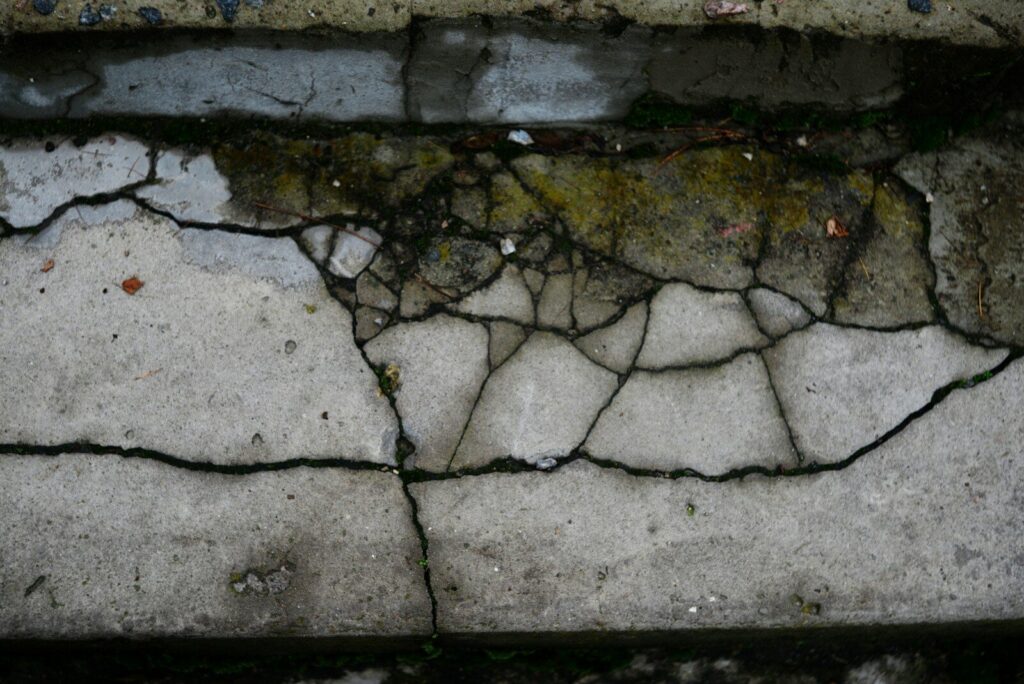
Structural damage from subsidence costs billions annually in infrastructure repairs and lost productivity.
The Geo-Economics of a Sinking World
The crisis of land subsidence is inextricably linked to the “Invisible Crisis Beneath Our Feet” (America’s Vanishing Groundwater: The Invisible Crisis Beneath Our Feet). When we analyze why cities sink, we find a common denominator: the prioritization of short-term economic expansion over long-term geological stability.
Aquifers act as a hydraulic support system for the layers of earth above them. When the water is pumped out, primarily for industrial agriculture or megacity consumption, the pressure drops. This reduction in “pore pressure” causes the sediment to compact. Once this compaction occurs, the storage capacity of the aquifer is often lost forever.
This is a classic example of ecological debt. We are borrowing water from the past (ancient aquifers) to fuel a present that the future cannot sustain. The following five regions represent the “canaries in the coal mine” for this global hydrological mismanagement.
1. Jakarta, Indonesia: The World’s Fastest Sinking Capital
Jakarta stands as the definitive warning for coastal urban centers. Parts of this megacity are submerging by as much as 25 centimeters per year. This rate is so aggressive that the Indonesian government has officially commenced the transition of its national capital to “Nusantara” on the island of Borneo.
- The Systemic Cause: A lack of piped water infrastructure forces millions of residents and commercial developers to rely on illegal, deep-well groundwater extraction.
- The Ecological Consequence: Roughly 40% of the city now sits below sea level. This creates a “bathtub effect” where monsoon rains cannot drain into the sea, leading to perpetual, catastrophic flooding.
The collapse of Jakarta is a direct result of failing to bridge the gap between urban density and resource limits. It is a stark reminder that when Groundwater Depletion Sinking Cities occurs at this scale, the only remaining policy option may be total abandonment.
2. Mexico City: A Legacy of Ancient Hydrology
Built upon the soft, clay-rich sediments of a former lakebed (Lake Texcoco), Mexico City is a case study in geological vulnerability. Over the last century, some sections of the city have subsided by more than 10 meters.
Unlike Jakarta, which faces the sea, Mexico City’s struggle is internal. The city relies on the underlying aquifer for approximately 70% of its water needs. As the clay dries and shrinks, the very foundations of the city’s history—its colonial cathedrals and ancient ruins—are tilting and cracking.
The uneven nature of this sinking creates “differential subsidence.” This exerts massive mechanical stress on subway lines, sewage pipes, and electrical grids. Furthermore, researchers are investigating how this crustal deformation relates to seismic vulnerability, a topic explored in depth in our report on how removing water triggers earthquakes (Does Groundwater Extraction Cause Earthquakes? The Science Explained).
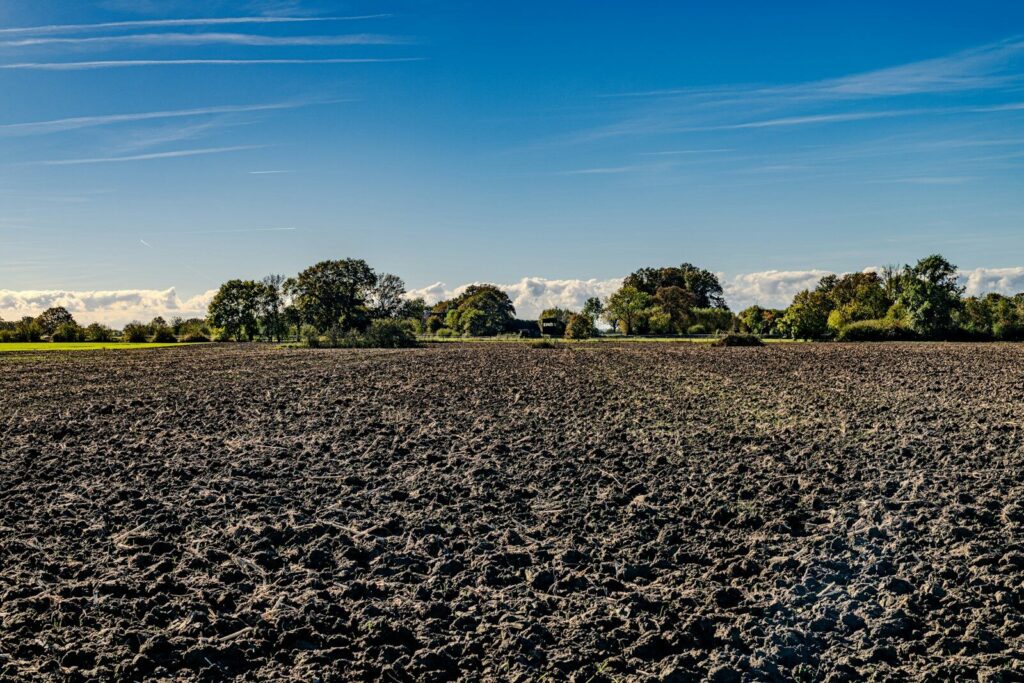
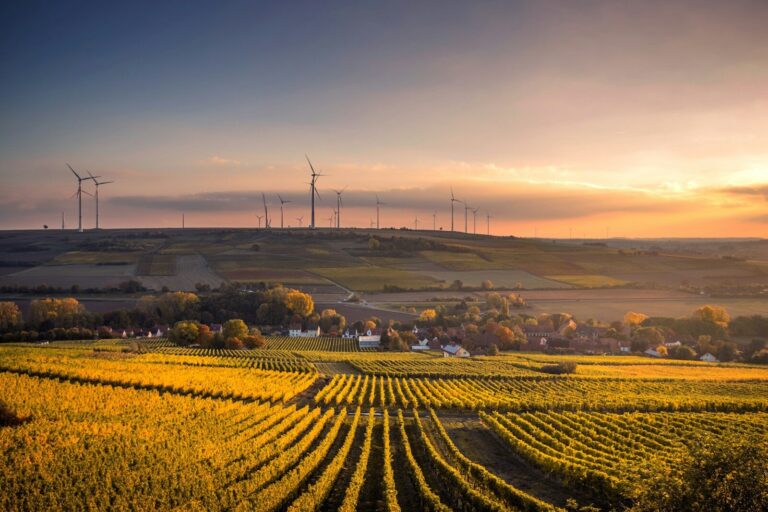
In agricultural heartlands, the sinking land is a permanent scar of over-irrigation.
3. San Joaquin Valley, California: The High Cost of Food Security
Subsidence is not exclusively an urban nightmare. In California’s San Joaquin Valley, the earth is sinking due to the demands of global food systems. This region produces a significant portion of the United States’ produce, but the cost is etched into the very elevation of the valley floor.
Since the 1920s, some areas have dropped by nearly 9 meters (28 feet). During periods of extreme drought, farmers are forced to pump groundwater to keep high-value crops like almonds and grapes alive. This creates a vicious cycle: the more the land sinks, the less water the underground “bank” can hold for the next drought.
This regional collapse has reached a critical mass, prompting the state to implement the Sustainable Groundwater Management Act (SGMA). For more on the political hurdles facing these regulations, see our analysis on “Powerful Players Block Change“.
Comparative Subsidence Rates and Primary Drivers
| Region | Peak Subsidence Rate (cm/year) | Primary Driver | Major Infrastructure Risk |
| Jakarta | 25 cm | Domestic/Commercial Wells | Sea Wall Failure |
| Mexico City | 40 cm | Aquifer Over-extraction | Sewer/Water Line Ruptures |
| San Joaquin Valley | 15-20 cm | Industrial Agriculture | Aqueduct Damage |
| Beijing | 11 cm | Industrial/Urban Demand | High-Speed Rail Alignment |
| Tehran | 25 cm | Illegal Agriculture Wells | Giant Fissures/Sinkholes |
4. Beijing, China: Thirst of the Megacity
Beijing’s rapid ascent as a global economic powerhouse has come at a steep hydrological price. The city’s Chaoyang district, home to skyscrapers and international business hubs, is sinking at a rate of 11 centimeters per year.
The “Why” here is a combination of massive population growth and the heavy water requirements of industrial cooling and manufacturing. The Chinese government has attempted to mitigate this through the South-to-North Water Diversion Project—one of the largest engineering feats in human history. However, even this massive influx of surface water has not yet fully halted the subsidence, as the deep aquifers take decades, or even centuries, to stabilize.
5. Tehran, Iran: A Landscape of Fissures
Tehran is currently experiencing some of the highest subsidence rates on the planet. This is not just a gradual lowering of the land; it is a violent fracturing of the landscape. In the plains surrounding the city, massive fissures—some several kilometers long and meters wide—are opening up.
- Agricultural Mismanagement: Rapid population growth and a lack of modern irrigation technology have led to thousands of illegal wells.
- Structural Threats: These fissures now threaten to swallow power lines, rail tracks, and small villages, creating a “disappearing earth” scenario that is almost impossible to reverse.
The Geophysical Ripple Effect: Beyond Sinking
The crisis of Groundwater Depletion Sinking Cities extends beyond the elevation of our streets. When we remove billions of tons of water from the crust, we are literally altering the physics of the planet.
As detailed in recent geophysical studies by organizations like the American Geophysical Union, the massive redistribution of mass from underground aquifers to the oceans is contributing to polar drift. This is a profound example of how localized water management decisions can scale up to global geophysical consequences.
H3: The Hidden Link to Induced Seismicity
One of the most alarming aspects of land subsidence is its potential to trigger seismic activity. When the land settles unevenly, it changes the stress loads on local fault lines. The removal of water weight—and the subsequent compaction of the soil—can “unclamp” faults or increase the pressure in ways that lead to man-made earthquakes.
This connection is explored comprehensively in our foundational report, “The Unseen Link” (The Unseen Link: A Comprehensive Report on Climate Change, Groundwater, and Induced Seismicity). Understanding that our water consumption can move the very tectonic plates beneath us is essential for future urban planning.
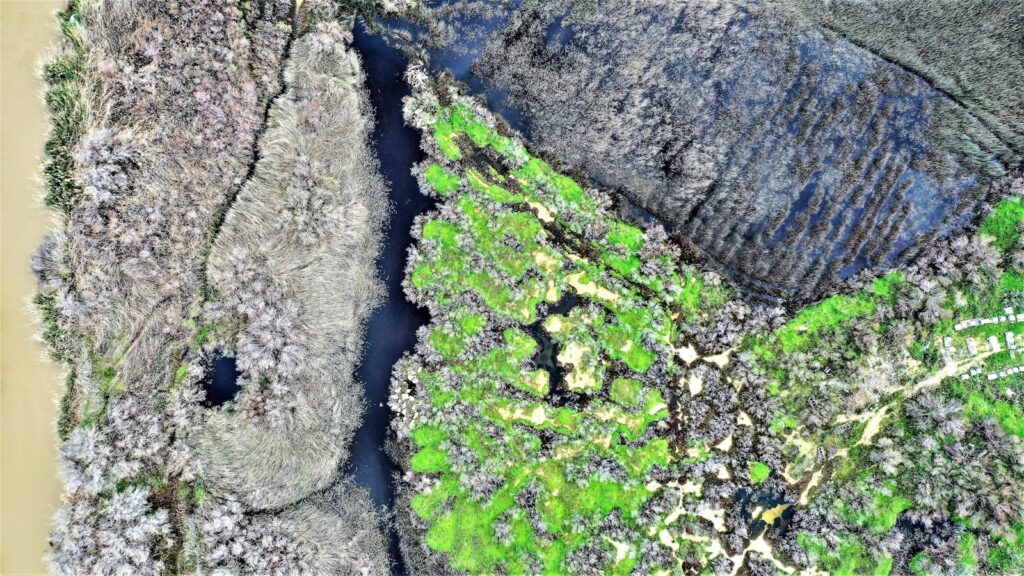
Understanding the mechanics of pore pressure is key to solving the global subsidence crisis.
Moving Toward Hydrological Equilibrium
To solve the crisis of Groundwater Depletion Sinking Cities, we must shift from a “mining” mindset to a “management” mindset. This requires a multi-pronged approach:
- Managed Aquifer Recharge (MAR): Actively pumping treated wastewater or storm runoff back into the ground to maintain pressure.
- Circular Water Economies: Implementing “sponge city” concepts where every drop of rain is captured and utilized, reducing the need for deep-well pumping.
- Strict Regulatory Oversight: Ending the era of “wild west” groundwater pumping where whoever has the deepest well wins.
The science is clear: the ground is not as stable as we once thought. However, by acknowledging the systemic link between our water use and geological stability, we can begin to rebuild our cities on a foundation that will actually hold. For further reading on the global implications of these shifts, refer to the United Nations World Water Development Report.
As we have seen, the redistribution of water weight is even “Tilting Earth’s Axis“, proving that our footprint on this planet is deeper—and more fragile—than we ever imagined.