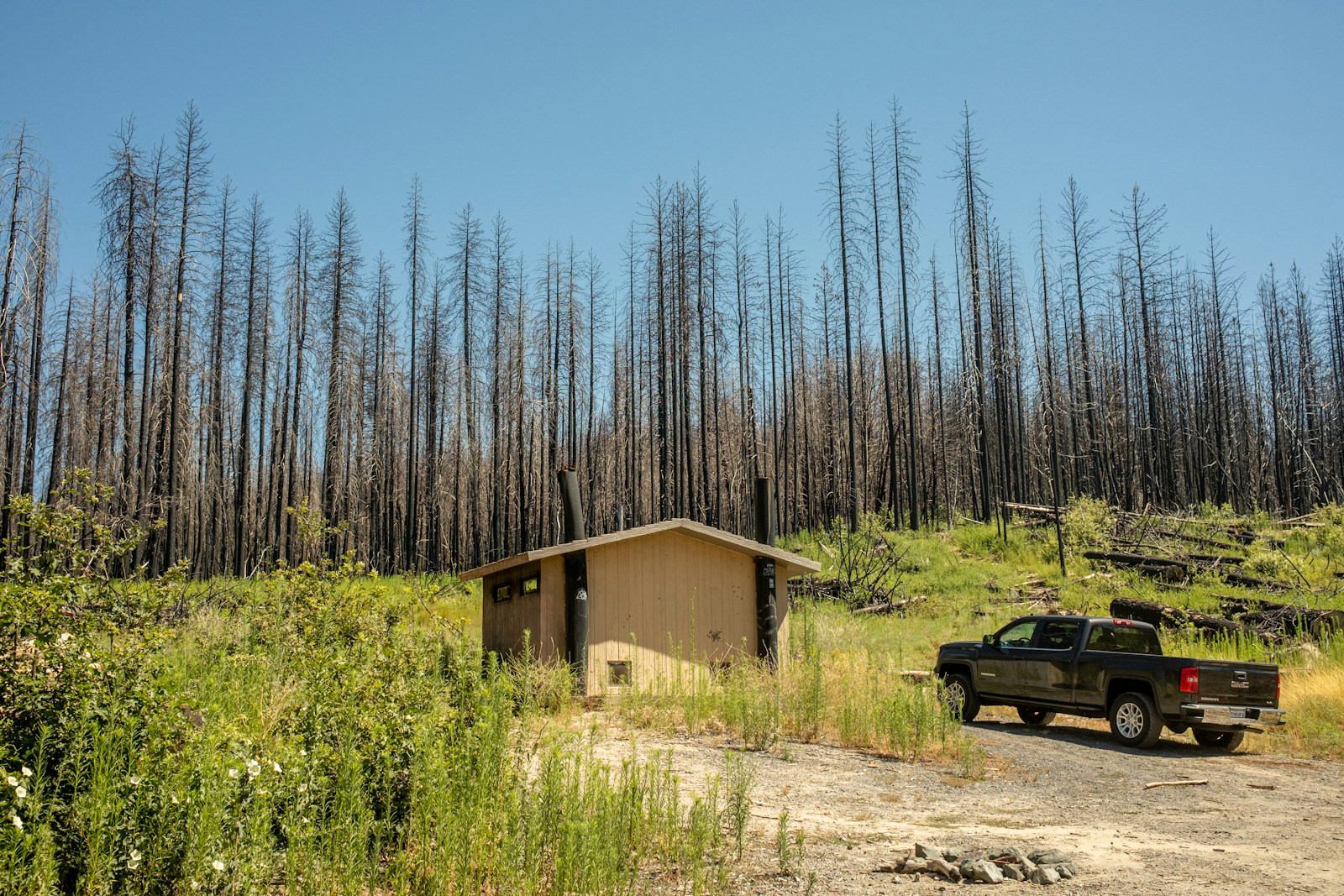
The Voluntary Carbon Market Credibility Crisis
The voluntary carbon market (VCM) faced a severe credibility reckoning beginning in 2023. Investigative reporting by The Guardian, Zeit Online, and SourceMaterial found that a significant portion of rainforest REDD+ credits certified by Verra (the world’s largest carbon standard) appeared to significantly overestimate their climate benefit—with some analyses suggesting 90%+ of forest protection credits may not represent genuine additional emissions reductions. This triggered a market collapse: voluntary carbon credit prices fell 50–70% in 2023, with trading volumes declining sharply. The crisis created urgent pressure for integrity reforms.
The ICVCM Core Carbon Principles: A New Quality Floor
The Integrity Council for the Voluntary Carbon Market (ICVCM)—an independent governance body launched in 2021—published its Core Carbon Principles (CCPs) in March 2023 as the global threshold standard for high-quality carbon credits. The CCPs establish 10 principles organized under three pillars:
- Governance Pillar: Effective governance of the crediting program; transparency and traceability of credits; robust independent third-party validation and verification; registries with strong safeguards.
- Emissions Impact Pillar: Additionality (emissions reductions would not have occurred without carbon finance); permanence (risks of reversal addressed through buffer pools or insurance); no significant net harm (projects do not create negative environmental or social externalities); conservative quantification of emission reductions; no double counting.
- Sustainable Development Pillar: Sustainable development co-benefits; addressing local environmental and social risks; effective host country authorization under Paris Agreement Article 6 (where applicable).
CCP Assessment Process: Which Programs Qualify?
The ICVCM applies the CCPs to entire crediting programs (Verra VCS, Gold Standard, ACR, CAR, Plan Vivo, etc.) rather than individual projects, creating a two-tier assessment: Program-level assessment (does the standard have adequate rules?) and Category-level assessment (do specific methodologies produce high-quality credits?). As of mid-2024, the ICVCM had assessed several programs and methodologies, with some achieving full CCP approval, others pending additional evidence, and some failing specific CCP requirements. CCP-approved credits carry an ICVCM label (“CCP-Approved”) that commands market premium.
The VCMI Claims Code: What Companies Can Say
The Voluntary Carbon Markets Integrity Initiative (VCMI) published its Claims Code of Practice in 2023 to govern what companies can legitimately claim when purchasing carbon credits. The Claims Code establishes three tiers of corporate claims:
- VCMI Gold Claim: Company has a validated SBTi net-zero target, reduced absolute Scope 1+2 emissions by 90%+ and Scope 3 by 90%+, and retires CCP-approved credits for the residual.
- VCMI Silver Claim: Company has a validated SBTi near-term target, reduced emissions consistent with 1.5°C pathways, and retires CCP-approved credits equivalent to residual emissions.
- VCMI Bronze Claim: Company is on a validated SBTi near-term pathway and retires CCP-approved credits in alignment with a specified portfolio.
Critically, the VCMI Claims Code explicitly prohibits claiming carbon credits as compensation for emissions that should be reduced—reinforcing that credits supplement, not substitute, deep decarbonization action. Companies that purchase credits without SBTi-validated reduction targets face reputational and legal risk under FTC Green Guides and emerging EU green claims regulations.
Credit Quality: Nature-Based vs. Technology-Based Credits
The quality crisis primarily affected nature-based carbon credits—REDD+ avoided deforestation, improved forest management (IFM), and afforestation/reforestation—due to challenges in baseline setting, leakage (emissions shifting to adjacent areas), non-permanence risk (forests burn or are cleared), and attribution. Technology-based credits—direct air capture (DAC), enhanced rock weathering, biochar, and improved cookstoves—generally command higher prices and face fewer integrity concerns due to more measurable, permanent, and additional removal claims. The voluntary carbon market is increasingly bifurcating between lower-quality, lower-priced nature credits and higher-quality, higher-priced engineered removal credits.
The Oxford Principles for Net Zero Aligned Carbon Offsetting
Oxford University’s Smith School published the Oxford Principles for Net Zero Aligned Carbon Offsetting (updated 2024), providing an authoritative framework for responsible offset use that complements the ICVCM and VCMI standards. Key Oxford Principles: (1) Cut emissions first—offsets should fund residual emissions, not substitute for reductions; (2) Shift to carbon removal—prioritize removals over avoided emissions over time; (3) Shift to long-lived storage—transition from nature-based to durable geological and mineral storage; (4) Support development of net-zero aligned offsetting by contributing to transparent reporting and improving offset quality.
Where the VCM Goes from Here: 2025–2030 Outlook
The voluntary carbon market is projected to grow from ~$2 billion (2022 peak) to $50–250 billion by 2030 under optimistic scenarios (MSCI, McKinsey), but only if integrity reforms successfully restore corporate buyer confidence. Key catalysts: ICVCM CCP-approval of major registries, convergence of national Article 6 accounting rules post-COP29, growth of high-quality CDR credit supply (DAC, biochar, enhanced weathering), and continued ESG regulatory pressure mandating credible climate claims. The market is also seeing emergence of secondary market infrastructure—exchanges, registries, derivatives—that will improve price discovery and liquidity.
🇪🇺 EU CBAM Duty & Tariff Calculator
Model European Carbon Border Adjustment Mechanism liability, embedded specific emissions, and weekly EU ETS certificate pricing for regulated goods.
Model CBAM Duty →