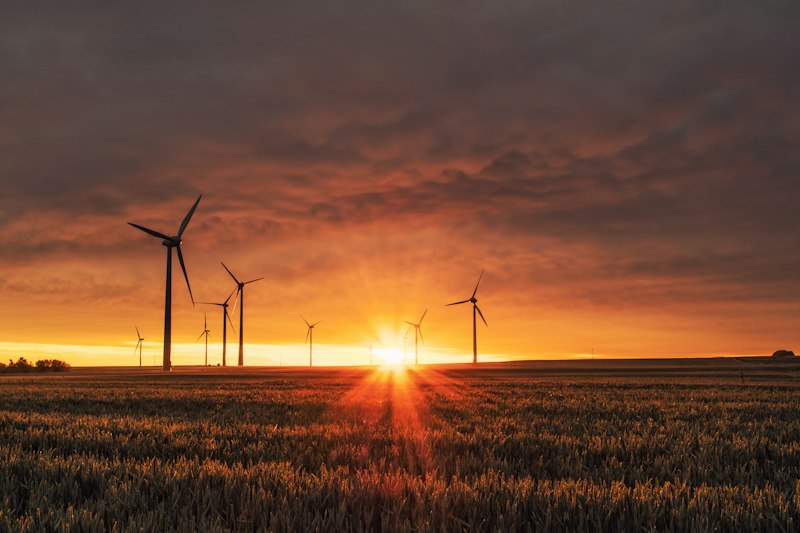
As extreme weather events, transmission congestion, and utility interconnection queues threaten commercial grid reliability, enterprise facilities—including healthcare campuses, semiconductor fabs, and data centers—are adopting mission-critical microgrids. Combining on-site renewable generation, battery storage, and advanced controls, microgrids deliver seamless continuity during broader grid outages while generating daily energy revenue.
Critical Interconnection Standard: IEEE 1547-2018
Modern microgrid operation requires full compliance with IEEE 1547-2018 (Standard for Interconnection and Interoperability of Distributed Energy Resources with Associated Electric Power Systems Interfaces). The standard mandates smart inverter functions including voltage ride-through, frequency ride-through, active anti-islanding detection, and dynamic reactive power support (Volt-VAR and Volt-Watt controls) to stabilize local distribution feeders.
1. Islanding Dynamics: Seamless Grid-to-Island Transition
The hallmark of a resilient microgrid is its ability to disconnect from a destabilized macrogrid without interrupting sensitive industrial loads:
- Grid-Forming (GFM) Inverters: Unlike traditional grid-following inverters that require an external voltage and frequency signal from the utility, GFM inverters act as independent voltage sources, establishing internal system frequency and providing instantaneous synthetic inertia.
- Static Transfer Switches (STS): Solid-state thyristor switches that execute galvanic disconnection in less than 4 milliseconds (sub-cycle transfer), satisfying IEEE 446 (Orange Book) power quality standards for sensitive IT infrastructure.
- Black Start Capability: The automated sequencing protocol that re-energizes local distribution transformers, inverters, and generation sources from cold shutdown without drawing external grid power.
Calculate Diesel Backup Displacement Carbon Savings
Model Scope 1 avoided emissions by replacing legacy emergency diesel generators with microgrid battery storage.
2. Decarbonizing the Backup Tier: BESS vs. Fuel Cells
Corporate sustainability mandates require replacing carbon-intensive diesel generators (EPA Tier 2/4) with zero-emission standby assets:
- Long-Duration BESS (4–12 Hours): High-capacity LFP systems handle 98% of typical grid outage durations.
- Green Hydrogen Fuel Cells (PEM): Zero-emission chemical energy storage for multi-day resilient autonomy during catastrophic grid blackout events.
- Renewable Natural Gas (RNG) Microturbines: Continuous ultra-low carbon combined heat and power (CHP) delivering firm thermal and electric baseload.
3. Standards & Engineering References
- Institute of Electrical and Electronics Engineers: IEEE 1547-2018: Standard for Interconnection and Interoperability of Distributed Energy Resources.
- Electric Power Research Institute (EPRI): Microgrid Controller Testing & DERMS Integration Framework (2023).
- National Renewable Energy Laboratory (NREL): REopt Energy Optimization Integration Model for Microgrid Sizing.
STAY CONNECTED TO SUSTAINABILITY AWAKENING:
Explore All Enterprise ESG Tools → | Discover Clean Energy Funding & Fellowships →
EU CBAM Duty & Tariff Calculator
Model European Carbon Border Adjustment Mechanism liability, embedded specific emissions, and weekly EU ETS certificate pricing for regulated goods.
Model CBAM Duty →