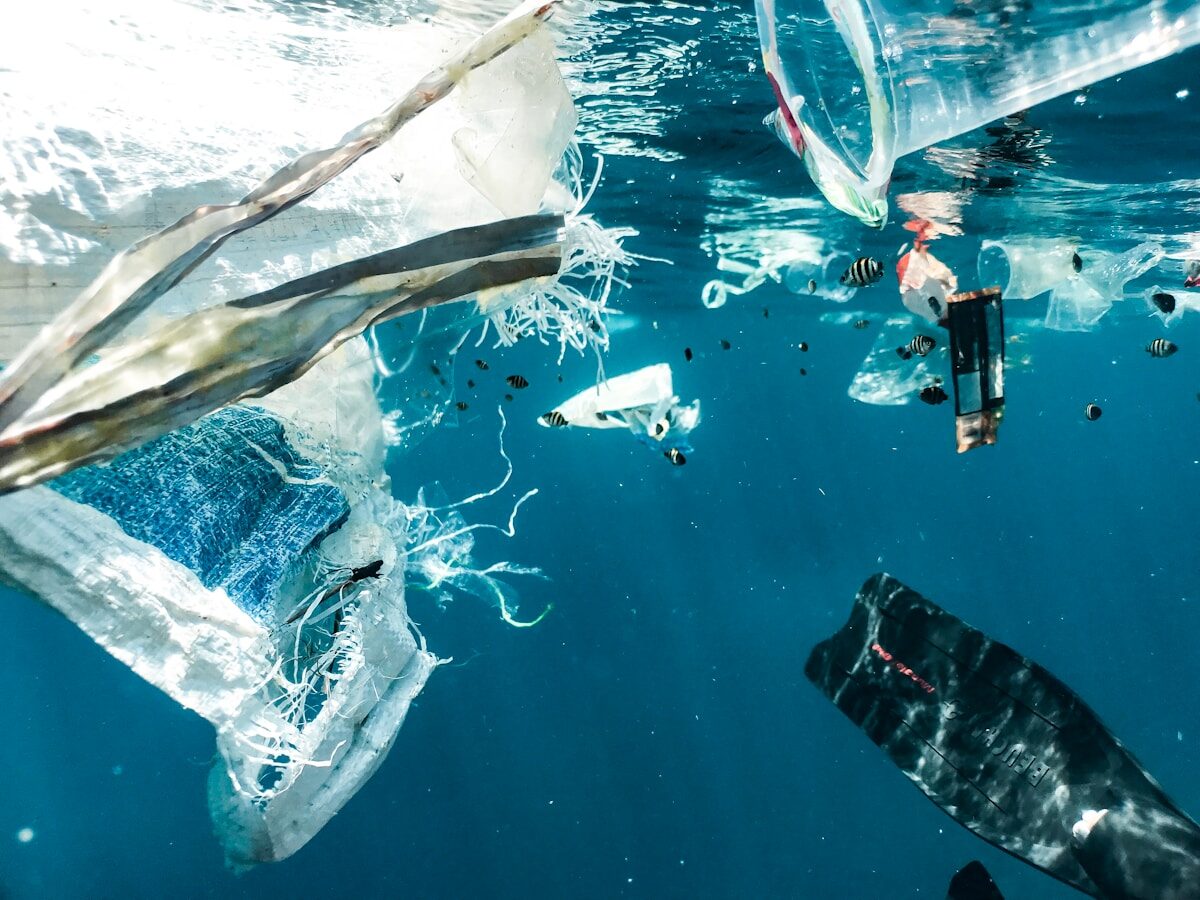
Freshwater microplastic pollution has emerged as one of the most pervasive and least-understood environmental crises of our time. Rivers, lakes, and aquifers that billions of people depend on for drinking water are increasingly contaminated with tiny plastic particles — and the science reveals a picture that is more alarming than most people realize.
1. Microplastics Are Now in Almost Every Water Source
Studies from 2024 and 2025 confirmed microplastic contamination in 83% of global tap water samples. In the US, the EPA’s own monitoring data shows microplastic particles in rivers from the Mississippi to the Colorado — ecosystems that supply drinking water to tens of millions of Americans. Even remote mountain streams in Wyoming and Colorado test positive for synthetic fibers.
2. The Sources Are Everywhere — And Growing
Microplastics enter freshwater systems through multiple pathways: runoff from urban surfaces where tire rubber breaks down, washing machine effluent carrying synthetic fibers, plastic waste degrading in landfills adjacent to waterways, and agricultural plastic film fragmenting in fields. A single laundry cycle releases up to 700,000 synthetic fibers, most of which pass through wastewater treatment plants untouched.
3. Treatment Plants Cannot Filter Them Out
Standard municipal water treatment was designed for bacteria, sediment, and chemical contaminants — not plastic particles measured in micrometers. While advanced filtration can remove larger particles, nanoplastics (particles below 1 micrometer) pass through entirely. The EPA’s 2026 National Microplastics in Drinking Water Assessment found that even advanced treatment facilities only remove 60–70% of detectable microplastics.
4. Fish and Wildlife Are Ingesting Plastics at Alarming Rates
Freshwater fish in the Great Lakes, Missouri River, and Chesapeake Bay tributaries have been found with microplastics in their digestive tracts at rates approaching 90% in some species. These particles carry absorbed chemical pollutants — PCBs, pesticides, flame retardants — which accumulate in tissue and move up the food chain. The implications for commercial fisheries and human health are still being quantified.
5. Human Health Risks Are Being Actively Researched
Emerging research links microplastic ingestion to inflammatory responses, hormonal disruption, and potential carcinogenic effects from the chemical additives plastics carry. A 2025 study found microplastics in human blood, lung tissue, and placental samples. While definitive dose-response data is still developing, the precautionary principle supports urgent regulatory action — which has been slow to arrive in the US.
6. Agricultural Irrigation Is Spreading Contamination to Soil
When microplastic-contaminated surface water is used for irrigation, particles deposit in agricultural soil. Studies in California’s Central Valley and the Midwest corn belt show microplastic accumulation in cropland irrigated with river water. These particles can affect soil microbial communities, alter nutrient cycling, and potentially enter crops — creating a new pathway for plastic contamination in food.
7. Policy Lags Far Behind the Science
Despite mounting evidence, the US has no federal microplastic standard for drinking water. The EPA has initiated monitoring programs, and California became the first state to mandate microplastic testing in 2021. But enforceable limits — the kind that require utilities to act — remain years away. Meanwhile, plastic production continues to grow globally, with microplastic loads in rivers projected to increase 50% by 2030 under current trends.
What You Can Do
Reducing personal plastic use — particularly single-use packaging, synthetic clothing purchases, and plastic water bottles — lowers the load entering the system. Using water filters certified for microplastic removal (reverse osmosis or hollow fiber) provides individual protection. Advocating for extended producer responsibility legislation puts pressure on plastic manufacturers to fund cleanup and redesign products for end-of-life.
The freshwater microplastic crisis is solvable, but it requires treating plastic as infrastructure pollution — not just a consumer annoyance. Explore our sustainability tools and resources to understand your own footprint.
Related Story: Discover how PFAS ‘Forever Chemicals’ contaminate US drinking water — a visual explainer on chemical pollutants threatening American communities.
📱 Visual Web Story on This Topic
Explore the visual story: The Myth of Pristine Rivers: Freshwater Microplastic Pollution — a mobile-first, swipeable summary of this issue.
The Sources: Where Freshwater Microplastics Come From
Microplastics enter freshwater systems through multiple pathways, each reflecting a different failure in how society manages plastic materials. Understanding the source mix is essential for designing effective interventions.
Synthetic textile washing is one of the largest sources of microplastics to freshwater systems globally. Every time a garment made from polyester, nylon, or acrylic is washed, it sheds thousands to hundreds of thousands of microscopic fibers that pass through washing machine filters and municipal wastewater treatment. Studies have found that a single polyester fleece jacket can shed over a million microfibers per wash. Wastewater treatment plants capture 70-99% of incoming microplastics through various treatment stages — but the volume of untreated fibers reaching receiving waters is still enormous, and the captured microplastics in sewage sludge (biosolids) that is applied to agricultural land represents a second contamination pathway to soil and, eventually, runoff to waterways.
Tire wear particles — fragments of rubber that abrade from vehicle tires during driving — are now recognized as among the most abundant microplastic sources in urban stormwater. A 2020 report from the Pew Charitable Trusts and SYSTEMIQ estimated that tire wear particles account for approximately 28% of global ocean plastic pollution, a figure that flows primarily through stormwater systems draining urban roads. In the United States, where vehicle miles traveled number in the trillions annually, tire wear is a massive and largely unregulated source of freshwater microplastic contamination. The chemical 6PPD-quinone, a tire rubber transformation product, has been identified as a potent toxin to coho salmon, causing pre-spawn mortality in Pacific Northwest streams — demonstrating that tire-derived microplastics carry lethal chemical payloads, not just physical particles.
Plastic pellets (nurdles) — the raw material of plastic manufacturing — are spilled during industrial transport and processing operations and find their way into waterways globally. Operation Clean Sweep, a voluntary industry program, attempts to reduce nurdle spills, but enforcement is largely absent and industrial spill events continue. The 2021 MV X-Press Pearl container ship disaster off Sri Lanka, which released approximately 1,700 metric tons of plastic pellets, is the most dramatic example of industrial plastic contamination — but chronic low-level pellet losses from industrial facilities are a persistent source. USGS research on microplastics in U.S. waterways has documented pellet contamination across major American river systems.
Detection and Measurement: The Science of Counting What You Can’t See
One of the fundamental challenges in freshwater microplastic research is measurement. Microplastics range in size from 5 millimeters down to 1 micrometer or smaller (at which point they are classified as nanoplastics), and the analytical methods required to detect and characterize particles across this size range are technically demanding and not yet standardized across laboratories. This has made it difficult to compare results across studies, establish robust baseline concentrations, and track changes over time with confidence.
The most common methods involve filtering water samples, examining the retained material under microscopes, and using spectroscopic techniques (Fourier-transform infrared spectroscopy, Raman spectroscopy) to identify the polymer type of individual particles. For the smallest particles, methods are less developed and less consistent. The emergence of nanoplastics as a research focus — prompted by evidence that nanoparticles can cross biological barriers and reach tissues that microplastics cannot — has pushed the field toward more sensitive detection methods, but standardized protocols for nanoplastic sampling and quantification in environmental matrices remain unavailable.
Despite these methodological challenges, the evidence for widespread freshwater microplastic contamination in the United States is overwhelming. Studies have found microplastics in every major river basin sampled — the Mississippi, Colorado, Missouri, Columbia, Hudson, Chesapeake Bay tributaries, and the Great Lakes system. They are present in tap water, in rain falling on remote wilderness areas, in Arctic ice, and in the deepest ocean trenches. The ubiquity of microplastics in the global environment means that they have become a permanent feature of the water cycle — a contaminant that future generations will inherit regardless of what pollution control actions are taken today. Water pollution research and environmental monitoring has made microplastics one of the defining environmental challenges of the 21st century.
Ecological Impacts: From Invertebrates to Fish to Food Webs
The ecological impacts of microplastics in freshwater systems are actively being researched, and the picture emerging from laboratory and field studies is concerning. At the individual organism level, studies have documented that microplastics cause physical blockage of digestive systems in invertebrates, reduced feeding due to false satiation, impaired reproduction, and toxic effects from chemical additives leaching from plastic particles or from persistent organic pollutants that adsorb to microplastic surfaces and are released upon ingestion.
For fish — the keystone organisms of freshwater food webs and a critical source of protein for human populations — microplastic effects include reduced growth, impaired reproductive success, liver damage from chemical additives, and behavioral changes. Studies of wild fish populations in microplastic-contaminated systems have found widespread tissue-level contamination and associations between plastic exposure and health markers. The trophic cascade effects — where microplastic impacts on invertebrates reduce food availability for fish, which reduces food availability for birds and mammals — are less well characterized at the ecosystem level but are a plausible pathway for system-level degradation.
The 6PPD-quinone example — where a specific chemical derived from tire rubber particles kills coho salmon — demonstrates that the chemical toxicity of microplastic-associated compounds can be severe enough to have population-level consequences for sensitive species. The coho salmon finding, documented by USGS scientists, has prompted California and Washington to develop stormwater quality standards targeting tire-derived chemicals in stormwater discharge, representing the first regulatory response specifically targeting microplastic toxicants in U.S. freshwater systems. Freshwater biodiversity and microplastic contamination are increasingly understood as linked crises requiring integrated policy responses.
What Can Be Done: Filtration, Policy, and Source Reduction
The good news about freshwater microplastic contamination is that the primary sources — synthetic textiles, tire wear, single-use plastics, and industrial pellet losses — are addressable through targeted technology and policy interventions. Washing machine filters that capture microfibers before they enter municipal wastewater systems are now commercially available and have been mandated by legislation in France (since 2025, all new washing machines sold must include microfiber filters) and proposed in California and other U.S. states. Research suggests that a well-designed filter can capture 90% or more of microfibers released during washing.
For tire wear, the challenge is larger because abrasion is fundamental to how pneumatic tires function. Stormwater treatment infrastructure — particularly constructed wetlands, bioswales, and manufactured treatment devices — can capture tire wear particles before they reach receiving waters. Some research groups are developing tire rubber formulations that generate fewer or less-toxic particles, but this remains in early stages. Regulatory limits on tire chemical additives, including 6PPD, are under active discussion in California and the EU.
The broader policy context — reducing overall plastic production, improving plastic waste management, and designing products for material recovery rather than disposal — remains the most impactful long-term intervention. A world that produces less plastic will eventually have lower microplastic concentrations in its waterways, but the persistence of plastic already in the environment means that current contamination levels will not decline quickly regardless of source reduction measures taken today. Plastic pollution policy and freshwater protection require both urgent action and realistic expectations about the timeframes for environmental recovery.
Freshwater Science & Resource Data: The USGS Water Science School is the authoritative U.S. government source for freshwater data, watershed monitoring, and contaminant tracking — including microplastic studies in rivers, lakes, and groundwater systems. At the global scale, UNESCO’s Freshwater Program coordinates international research on freshwater security and publishes the World Water Development Report, which quantifies microplastic contamination pathways across the global water cycle.
Your Water Footprint Matters: Plastic production and disposal is deeply intertwined with water consumption at every stage of the supply chain. Understanding your personal or household water impact is the first step toward reducing it — use our Water Footprint & Consumption Calculator to measure direct and indirect water usage across food, goods, and services, and identify the highest-impact areas for reduction.
Water Footprint Impact Calculator
Measure direct and virtual water consumption across household, agricultural, and industrial supply chains against regional watershed stress metrics.
Calculate Water Footprint →