North American Bird Decline Is Accelerating in Agricultural Hotspots
Introduction
The North American bird decline is no longer a slow, linear trend. New continental scale research shows that bird losses are accelerating in key regions, particularly where agriculture is most intensive.
Between 1987 and 2021, nearly half of 261 monitored bird species experienced significant population declines. More concerning, a quarter of these species are declining at an increasing rate. This shift from steady loss to accelerating loss signals deeper ecological stress.
Understanding the North American bird decline matters because birds regulate insects, disperse seeds, pollinate plants, and support ecosystem stability. When bird populations fall, ecosystem services weaken.
This article explains the science behind accelerating declines, identifies agricultural drivers, examines regional hotspots, and outlines evidence-based strategies to reverse the trend.
Scientific Foundation of North American Bird Decline
What Is Population Acceleration?
Most biodiversity reports measure change in abundance over time. However, recent research published in the journal Science introduced a critical second layer of analysis: acceleration.
There are three key ecological metrics:
- Change in abundance over time
- Change in annual growth rate
- Change in per capita growth rate
If abundance is declining and the rate of decline increases each year, that represents accelerating decline. This second order change reveals whether conservation conditions are stabilizing or worsening.
In the case of the North American bird decline, researchers analyzed:
- 1,033 survey routes
- 261 species
- 54 bird families
- 10 habitat categories
- 35 years of data from the North American Breeding Bird Survey
The findings show widespread abundance declines across the continent. More importantly, many populations are losing birds faster each year.
The Great Acceleration Context
Human activity has intensified dramatically since the mid 20th century. Land conversion, fertilizer application, pesticide use, and infrastructure expansion have increased in scale and intensity.
This phenomenon, often described as the Great Acceleration, aligns with the timing of accelerating ecological stressors. The North American bird decline reflects this broader environmental shift.
Environmental and Economic Impacts
Continental Scale Declines
On average, local bird abundance per survey route declined by approximately 15 percent over the study period. Seventy percent of routes showed significant decreases.
Regions with the strongest overall losses include:
- Southern United States
- Warmer climate zones
- Rapidly warming areas
These patterns suggest a combined climate and land use signal.
Acceleration Hotspots
Acceleration of the North American bird decline is concentrated in:
- Mid Atlantic states
- Midwest agricultural belt
- California’s high intensity farming regions
These areas share common characteristics:
- High cropland coverage
- Intensive fertilizer application
- Significant pesticide use
The coincidence between accelerating declines and agricultural intensity raises serious concerns for long term biodiversity stability.
Ecosystem Service Loss
Birds provide measurable economic benefits:
- Natural pest control
- Crop pollination
- Seed dispersal
- Nutrient cycling
As bird abundance declines, farmers may face higher pest pressures, which can increase reliance on chemical inputs. This creates a reinforcing feedback loop of ecological degradation.
Climate Interaction Effects
The North American bird decline is also strongly linked to warming temperatures. Research shows:
- Stronger declines in warmer regions
- Amplified impacts where agricultural intensity and warming overlap
Agricultural landscapes often experience higher surface temperatures due to reduced vegetation cover. This magnifies heat stress and reduces insect availability, further harming birds.
Real World Case Studies
Midwest Agricultural Belt

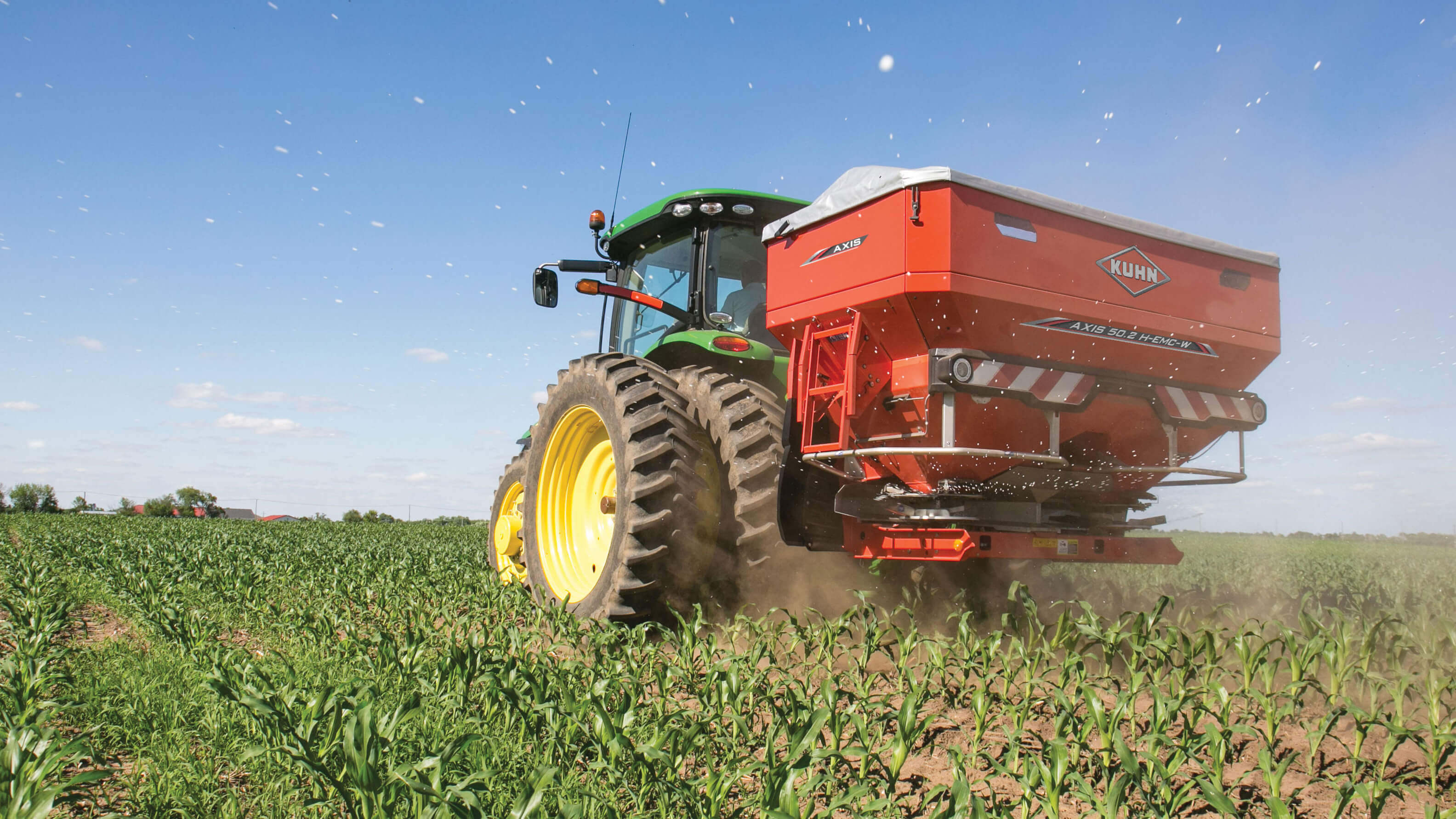

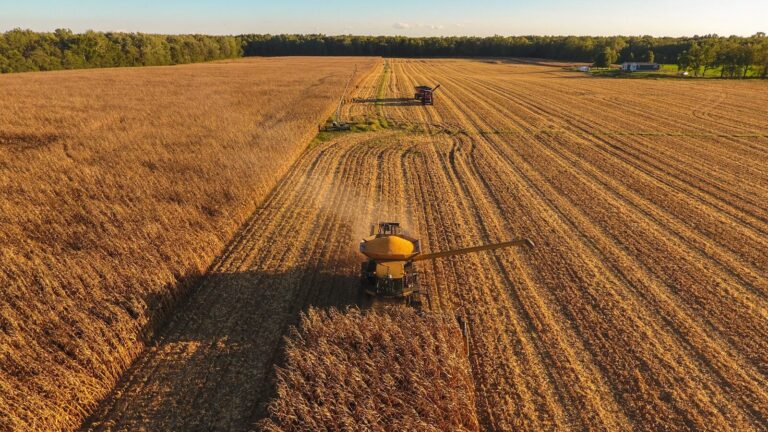
Image description: Intensive row crop agriculture in the Midwest United States.
The Midwest represents one of the strongest acceleration hotspots. Large scale monocultures, heavy fertilizer inputs, and pesticide applications dominate this region.
Bird species dependent on grasslands and open habitats show particularly sharp declines. Habitat simplification reduces nesting sites and food sources. Chemical exposure further compounds stress.
California’s Central Valley
High value specialty crops require intensive chemical management and irrigation. This region shows strong acceleration patterns.
Water diversion and habitat fragmentation have reduced wetland and riparian zones, affecting marsh and open woodland species.
Forest Specialists
Interestingly, some forest dwelling species have shown stable or slightly increasing trends. However, these gains are decelerating, suggesting limits to continued growth.
This variation highlights that the North American bird decline is not uniform. It depends on habitat type and land use intensity.
Challenges and Barriers
Agricultural Intensification
Modern agriculture prioritizes yield maximization. Barriers to biodiversity friendly reform include:
- Economic pressure on farmers
- Commodity market volatility
- Dependence on chemical inputs
- Consolidation into larger farms
Reducing pesticide or fertilizer use without compensation may reduce short term profitability.
Climate Change
Warming temperatures shift species ranges northward. However, habitat fragmentation limits migration corridors. Birds may not move fast enough to track suitable climates.
Policy Fragmentation
Agricultural, environmental, and climate policies often operate independently. Without integration, conservation measures lack scale and consistency.
Data Gaps
Although monitoring has improved, causal mechanisms remain partially unresolved. Correlative studies cannot fully isolate individual drivers.
Solutions and Strategic Pathways
Reversing the North American bird decline requires systemic intervention across policy, farming, and conservation sectors.
1. Reduce Agricultural Intensity Impacts
Evidence based actions include:
- Integrated pest management
- Precision fertilizer application
- Reduced pesticide dependency
- Crop diversification
- Agroecological transition models
These approaches can maintain yields while reducing ecological harm.
2. Incentivize Conservation Practices
Governments can:
- Expand conservation reserve programs
- Subsidize habitat restoration
- Support regenerative agriculture certification
- Tie subsidies to biodiversity metrics
Market incentives can shift production systems without destabilizing farm income.
3. Restore Habitat Connectivity
Strategic restoration of:
- Grasslands
- Wetlands
- Riparian buffers
- Hedgerows
Connectivity improves resilience to climate change and supports species range shifts.
4. Monitor Acceleration Metrics
Conservation assessments should include acceleration indicators, not just linear trends. Early detection of accelerating decline allows proactive intervention.
5. Consumer and Investor Action
Individuals and institutional investors can:
- Support biodiversity friendly agriculture
- Invest in sustainable food systems
- Reduce food waste
- Encourage supply chain transparency
Financial markets increasingly recognize biodiversity as a material risk factor.
Frequently Asked Questions
Why is North American bird decline accelerating?
Acceleration is linked primarily to high intensity agriculture and warming temperatures. Regions with heavy fertilizer and pesticide use show the strongest increases in decline rates.
Are all bird species declining?
No. About 47 percent of studied species show significant declines. However, more than half of declining species are experiencing accelerating losses.
How does agriculture affect bird populations?
Agriculture impacts birds through habitat loss, chemical exposure, reduced insect prey, and landscape simplification.
Can regenerative agriculture reverse North American bird decline?
Research suggests that diversified farming systems, reduced chemical inputs, and restored habitat buffers can significantly improve bird abundance trends.
Conclusion
The North American bird decline is not only widespread but accelerating in agricultural hotspots. While warming temperatures drive broad regional declines, high intensity farming practices amplify and accelerate these losses.
This pattern signals a systemic environmental imbalance. If acceleration continues, recovery becomes increasingly difficult.
However, solutions exist. Reducing chemical inputs, restoring habitat, integrating climate adaptation, and reforming agricultural incentives can slow and eventually reverse the North American bird decline.
The next decade is critical. Monitoring acceleration metrics alongside abundance trends can guide smarter conservation investment and policy reform.
Sustainable agriculture and biodiversity protection must become aligned priorities. Long term ecosystem stability depends on it.