Floating Wildflower Islands Bring Nature Back to Copenhagen
Cities are often described as places where nature disappears — replaced by concrete, traffic, and dense infrastructure. But in Copenhagen, an unusual experiment in the harbor is challenging that assumption.
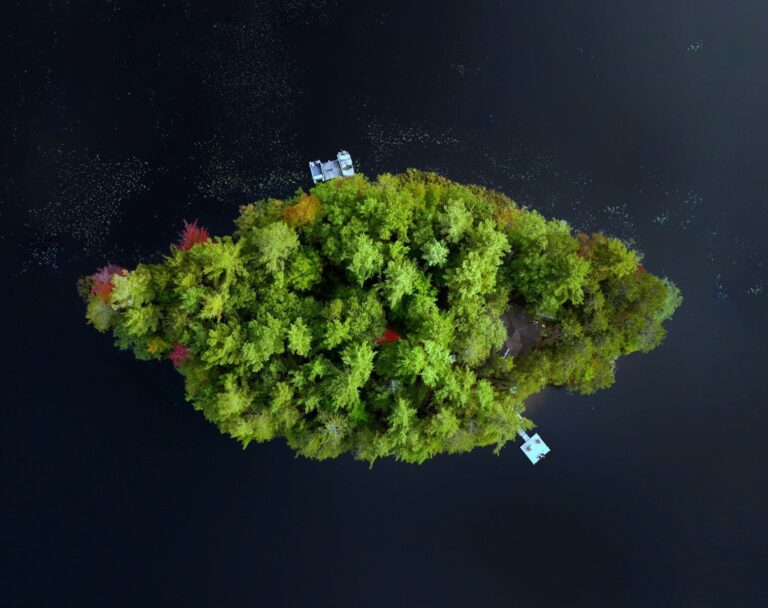
Floating islands filled with wildflowers, grasses, and small trees now drift quietly in the city’s waterways. Rather than being decorative installations, these islands are designed to bring wildlife back into an urban ecosystem that had largely lost it.
The project offers a glimpse of how cities might reintroduce biodiversity without needing more land.
Table of Contents
A Harbor Reimagined for Nature
The floating habitats are part of a project known as Copenhagen Islands, sometimes referred to as Parkipelago.
Developed by Australian architect and artist Marshall Blecher together with Danish design studio Fokstrot, the initiative transforms small floating platforms into miniature ecosystems.
Each island is built using recycled and repurposed materials and planted with a mixture of:
- native wildflowers
- grasses
- shrubs
- small trees
These plantings create a layered habitat capable of supporting pollinators, birds, and aquatic life.
The islands drift within Copenhagen’s harbor, a waterway that has undergone decades of environmental cleanup. What was once an industrial shipping zone is now increasingly used for recreation — swimming, kayaking, and waterfront parks.
The floating ecosystems add another dimension: urban biodiversity.
How Floating Islands Support Wildlife
Although small in size, the islands perform several ecological roles.
Pollinator Habitat
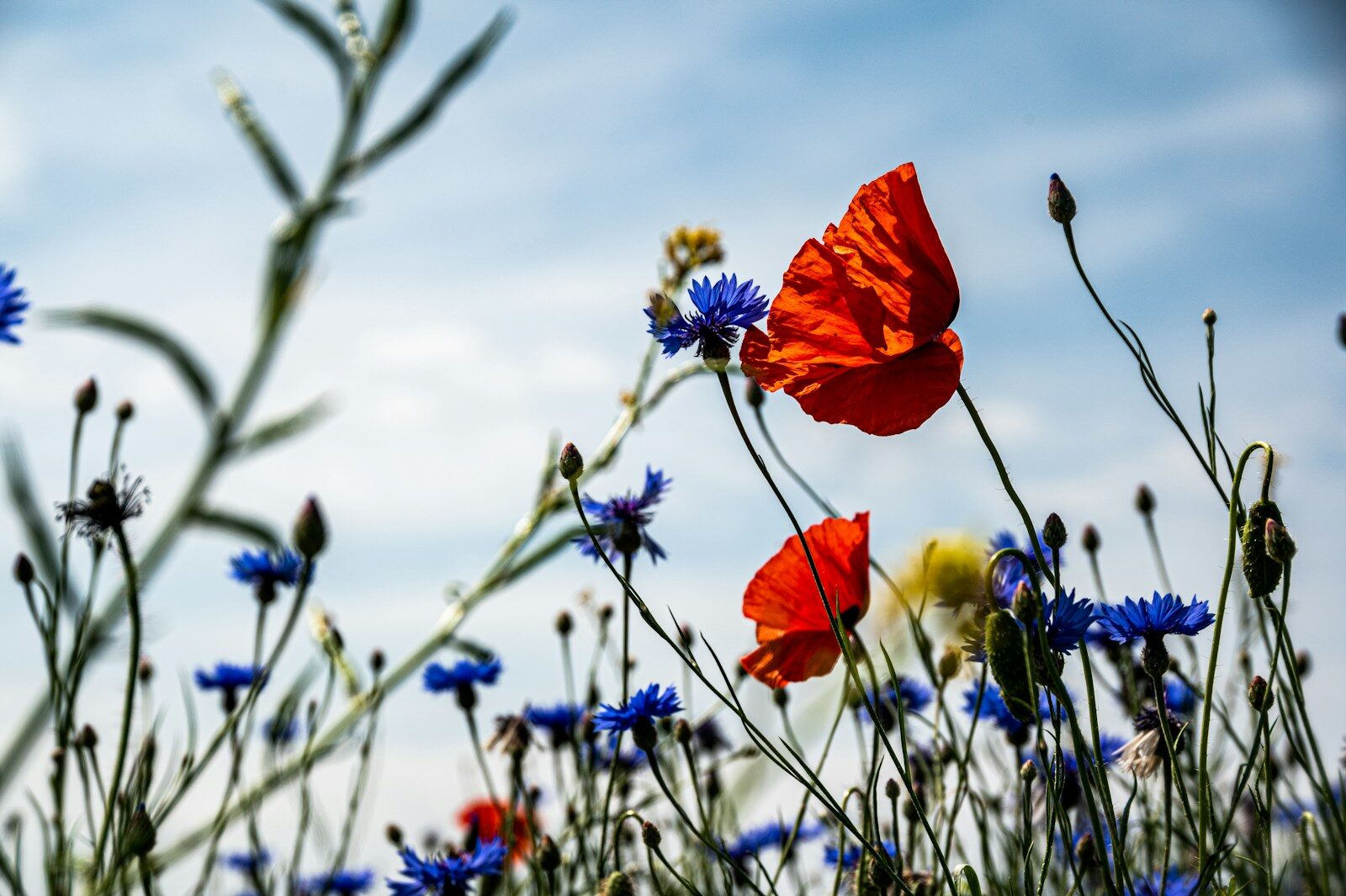
Wildflowers attract bees, butterflies, and other pollinating insects that often struggle to find food sources in dense cities.
Urban areas typically lack continuous flowering landscapes, so even small patches of habitat can significantly improve pollinator survival.
Bird Nesting Sites
Some of the islands provide quiet refuge for birds to rest or nest. A few of the early platforms have already attracted nesting species, demonstrating how quickly wildlife can respond when habitat appears.
Marine Ecosystem Benefits
Because the islands float directly in the harbor, they also influence the water below. Their structures create shaded areas and small underwater refuges that can support fish and marine organisms.
Over time, the submerged surfaces may host algae and marine invertebrates, gradually forming micro-reefs within the urban harbor.
Public Spaces and Wildlife Sanctuaries
One unusual aspect of the Copenhagen Islands project is that not every island serves the same purpose.
Some are open to people.
Kayakers can paddle up to them, swimmers can rest there, and locals occasionally use them for small picnics. These platforms function as tiny floating parks within the harbor.
Others are intentionally left off-limits to humans, allowing them to serve purely as wildlife habitats.
This mixed approach reflects a broader philosophy in urban ecology: cities do not have to separate people and nature entirely. Instead, carefully designed spaces can support both.
Why Cities Are Exploring Floating Ecosystems
Projects like Copenhagen’s islands represent a growing interest in nature-based urban solutions.
Many cities face the same challenge:
Urban land is limited, yet biodiversity loss is accelerating.
Floating ecological structures offer several advantages:
They require no new land
Cities can place them directly in waterways, harbors, canals, or reservoirs.
They restore ecological complexity
Even small habitats can provide food, nesting areas, and ecological stepping stones for species moving through cities.
They improve water systems
Vegetation and structural habitat can help support aquatic biodiversity and improve environmental conditions in urban waterways.
Because of these benefits, floating ecological platforms are beginning to appear in projects from New York to Singapore.
Small Interventions, Visible Impact
The Copenhagen Islands project demonstrates something important about urban ecosystems.
Large-scale conservation projects often dominate environmental conversations, but small interventions can still matter.
A few floating islands cannot restore an entire ecosystem. But they can:
- reintroduce habitat where none existed
- create biodiversity stepping stones across cities
- inspire new approaches to urban design
In Copenhagen’s harbor, early signs suggest the concept works. Pollinators have begun visiting the flowers, and birds have started using the platforms.
Nature, when given even a small opportunity, often returns faster than expected.
A Model for Climate-Resilient Cities
Urban planners increasingly recognize that cities must adapt not only to climate change, but also to biodiversity decline.
Projects like Copenhagen’s floating wildflower islands represent a new kind of infrastructure — one that blends design, ecology, and public space.
Rather than replacing nature, the goal is to invite it back into the built environment.
As coastal and riverfront cities around the world rethink how their waterways function, Copenhagen’s harbor experiment offers a simple but powerful lesson:
Even in the middle of a dense city, ecosystems can begin again.
FAQ
What are Copenhagen’s floating wildflower islands?
They are small floating platforms planted with wildflowers, grasses, and trees that create habitats for birds, bees, and marine life in Copenhagen’s harbor.
Who created the Copenhagen Islands project?
The project was designed by Australian architect and artist Marshall Blecher in collaboration with Danish design studio Fokstrot.
Why are floating islands useful for cities?
They allow cities to add biodiversity habitats without using valuable land, helping support pollinators, birds, and aquatic ecosystems.
Are the islands open to the public?
Some islands are accessible for recreation such as kayaking and swimming, while others are protected as wildlife sanctuaries.