Fighting Wildfires in Canada: A French Firefighters Perspective
Published on February 26, 2026 by Dr. A. M.
Introduction
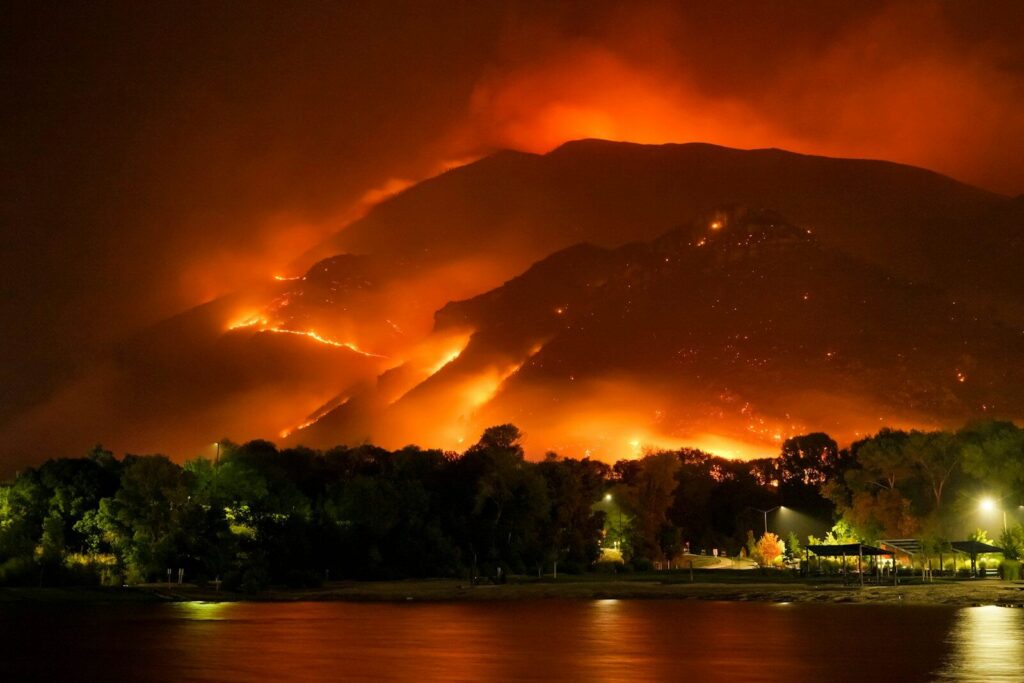
Fighting wildfires in Canada has become one of the most complex emergency response challenges of the 21st century. In recent years, record breaking fire seasons have stretched national resources and required international collaboration. Among those answering the call were French wildfire crews, bringing Mediterranean experience to North American boreal forests.
This article revisits the realities of fighting wildfires in Canada from a French operational perspective. It explains how fire behavior differs across ecosystems, why climate change is intensifying risks, and what global fire management systems can learn from cross border cooperation.
Understanding these lessons is essential for policymakers, investors assessing climate risk, and sustainability professionals shaping future land management strategies.
Key Concepts and Scientific Foundation
Why Fighting Wildfires in Canada Is Increasingly Complex
Canada’s wildfire regime is shaped by three interacting systems:
- Boreal forest ecology
- Continental climate patterns
- Human land use expansion
The boreal forest stores vast amounts of carbon in vegetation and peat soils. When fires burn at high intensity, they release decades of accumulated carbon in days.
French firefighters, many trained in Mediterranean fuel systems, quickly noticed fundamental differences:
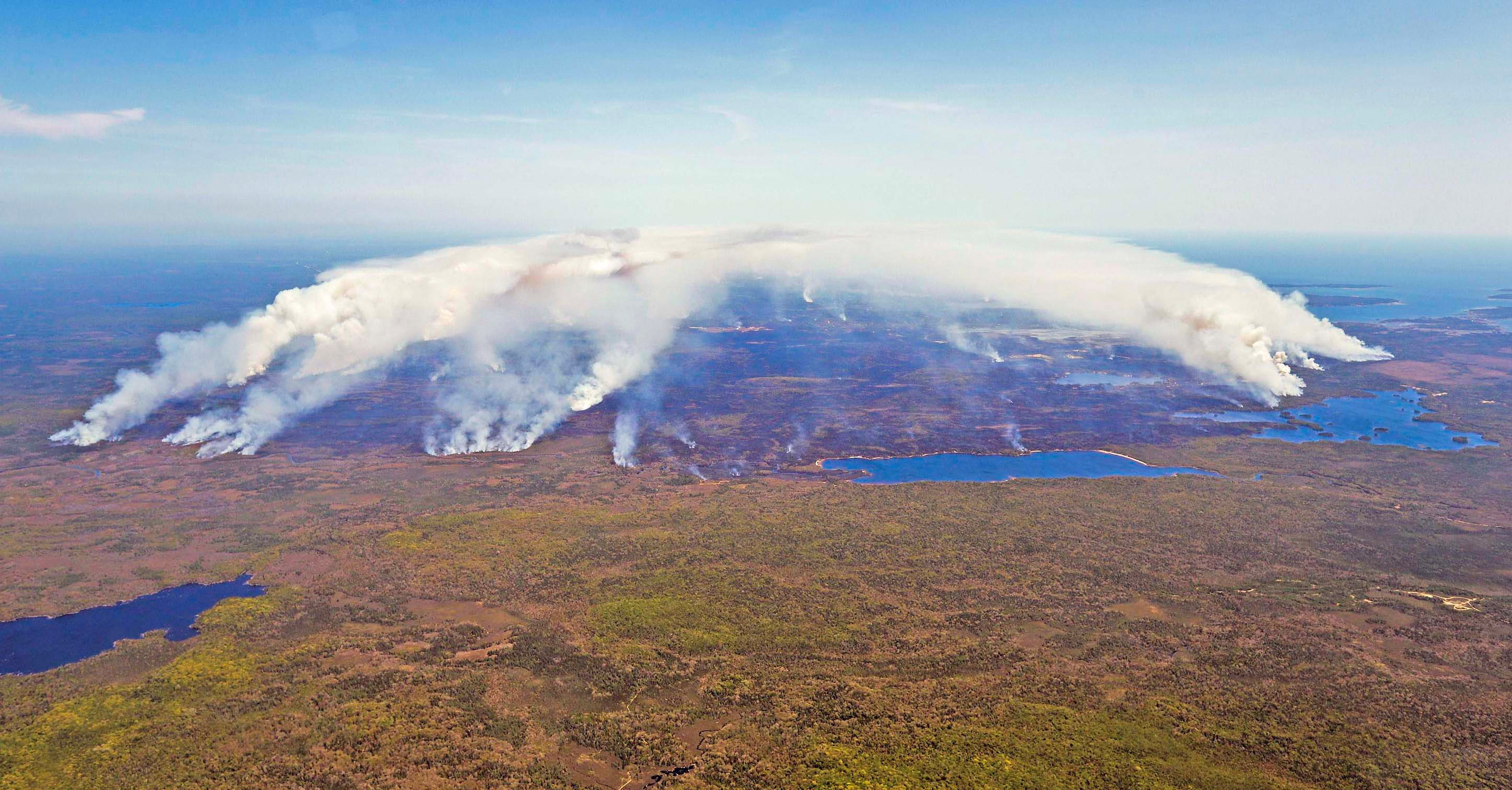
- Canadian fires often cover hundreds of thousands of hectares
- Fire fronts can stretch for kilometers
- Suppression strategies prioritize containment over immediate extinguishment
Fire Behavior in Boreal Forests
In southern Europe, wildfires often involve shrublands and pine forests under drought conditions. In contrast, Canada’s boreal forests contain:
- Dense conifer stands
- Deep organic soil layers
- Lightning driven ignition patterns
Crown fires move rapidly through tree canopies. Ground fires can smolder in peat for weeks. These characteristics change how crews approach fighting wildfires in Canada.
Moreover, long daylight hours during northern summers extend operational windows. However, they also increase firefighter fatigue and logistical strain.
Climate Change as a Risk Multiplier
Rising temperatures across Canada are lengthening fire seasons. Warmer springs dry vegetation earlier. Reduced snowpack accelerates seasonal drying.
Research shows that extreme fire weather days have increased significantly over the last decades. Consequently, fighting wildfires in Canada now requires anticipating larger, faster, and more unpredictable events.
Environmental and Economic Impacts
Carbon Emissions and Global Feedback Loops
Large Canadian wildfire seasons have emitted hundreds of millions of tonnes of carbon dioxide. In severe years, emissions from fires rival those of major industrialized nations.
When boreal peatlands burn, they release long stored carbon. This creates a feedback loop:
- Climate warming increases fire frequency
- Fires release greenhouse gases
- Additional warming follows
Therefore, fighting wildfires in Canada is not only a national emergency issue. It is a global climate stability concern.
Public Health and Air Quality
Smoke from Canadian wildfires regularly travels thousands of kilometers. Major cities in North America and Europe have recorded hazardous air quality due to transported smoke.
Fine particulate matter increases:
- Respiratory illness
- Cardiovascular stress
- Premature mortality
French crews reported that smoke density in remote Canadian zones often exceeded typical Mediterranean wildfire conditions.
Economic Losses
Wildfires affect:
- Timber industries
- Energy infrastructure
- Insurance markets
- Tourism economies
Evacuations and infrastructure damage create billions in direct and indirect costs. As fire intensity increases, insurance premiums rise and climate risk assessments become more stringent.
Real World Case Studies and Applications
International Deployment to Quebec

In 2023, French civil protection units deployed to assist authorities in Quebec during an extreme wildfire season.
French teams integrated with the SOPFEU, Quebec’s wildfire management agency. Coordination focused on:
- Remote forest containment lines
- Aerial water bomber support
- Strategic backburn operations
French crews adapted quickly to the scale of Canadian landscapes. However, they noted that logistics differed significantly from operations in southern France.
Lessons from Mediterranean Fire Management
France has invested heavily in rapid attack strategies, surveillance aircraft, and fuel break planning. These methods work effectively in smaller, fragmented landscapes.
In Canada, where fires often burn in remote regions, suppression priorities differ. Authorities sometimes allow fires to burn under controlled conditions to protect populated zones.
This contrast highlights a critical insight: fighting wildfires in Canada requires landscape level strategy rather than site specific suppression alone.
Challenges and Barriers
Geographic Scale
Canada’s vast wilderness creates access barriers. Many fire zones are reachable only by helicopter or long ground transport. Equipment deployment takes time.
For European crews accustomed to denser road networks, this scale presents operational adjustment challenges.
Climate Volatility
Extreme heat events combined with lightning storms create simultaneous ignitions across provinces. Resource allocation becomes complex.
As climate change accelerates, fighting wildfires in Canada will demand predictive modeling and dynamic deployment systems.
Political and Funding Constraints
Wildfire management competes with other public budget priorities. Yet insufficient investment in:
- Prevention
- Indigenous land stewardship
- Fuel management
can increase long term suppression costs.
Solutions and Strategic Pathways
Strengthening International Cooperation
The deployment of French firefighters demonstrates the importance of transnational solidarity. As wildfire seasons increasingly overlap across continents, shared response frameworks will become essential.
Joint training exercises and shared technology platforms can improve readiness.
Expanding Prescribed Burning
Indigenous fire stewardship has long used controlled burns to reduce fuel loads. Scaling prescribed burning programs can lower fire intensity.
However, implementation requires:
- Public acceptance
- Regulatory reform
- Skilled personnel
Investing in Climate Adaptation
Fighting wildfires in Canada must align with broader climate policy. This includes:
- Reducing national greenhouse gas emissions
- Protecting peatlands
- Expanding fire resilient infrastructure
Private sector investors should integrate wildfire risk into environmental, social, and governance metrics.
Supporting Firefighter Health and Safety
Longer fire seasons demand improved:
- Mental health support
- Rotational staffing
- Protective equipment innovation
Operational sustainability is as important as ecological resilience.
Frequently Asked Questions
Why are wildfires in Canada getting worse?
Rising temperatures, prolonged drought, and increased lightning activity are intensifying fire conditions. Climate change significantly increases fire weather risk.
How do French firefighters contribute in Canada?
French crews bring expertise in rapid response, aerial coordination, and structured incident command systems. Their experience complements Canadian large scale containment strategies.
Are Canadian wildfires mostly human caused?
Many boreal fires are started by lightning. However, human activities increase ignition risk near populated areas.
Can better forest management reduce wildfire intensity?
Yes. Fuel reduction, prescribed burning, and Indigenous stewardship practices can lower fire severity and protect communities.
Conclusion
Fighting wildfires in Canada has evolved into a global climate resilience challenge. The experience of French firefighters demonstrates both the value of international cooperation and the need for ecosystem specific strategies.
As fire seasons intensify, governments must prioritize prevention, climate mitigation, and adaptive land management. Investors and policymakers should treat wildfire risk as a structural climate issue rather than a temporary emergency.
Ultimately, fighting wildfires in Canada requires coordinated action across science, policy, and community engagement. The lessons learned from international collaboration can strengthen wildfire response systems worldwide.