What’s Next for U.S. Climate Policy After 2024? Uncertainty, Rollbacks, and a Fragmented Path Forward
Published on February 7, 2026 by Dr. A. M.

Introduction: A Climate Crossroads After 2024
The question “what’s next for U.S. climate policy after 2024?” has become one of the most pressing—and uncertain—issues in American governance. As of February 2026, the answer is no longer theoretical. The return of a Trump-led administration has already reshaped federal climate priorities, sending shockwaves through regulatory agencies, global climate diplomacy, and clean energy markets.
Yet despite political turbulence, U.S. climate action has not collapsed. Instead, it has fractured—splintering across federal, state, legal, and market-driven pathways.
The Federal Climate Shift Under Trump

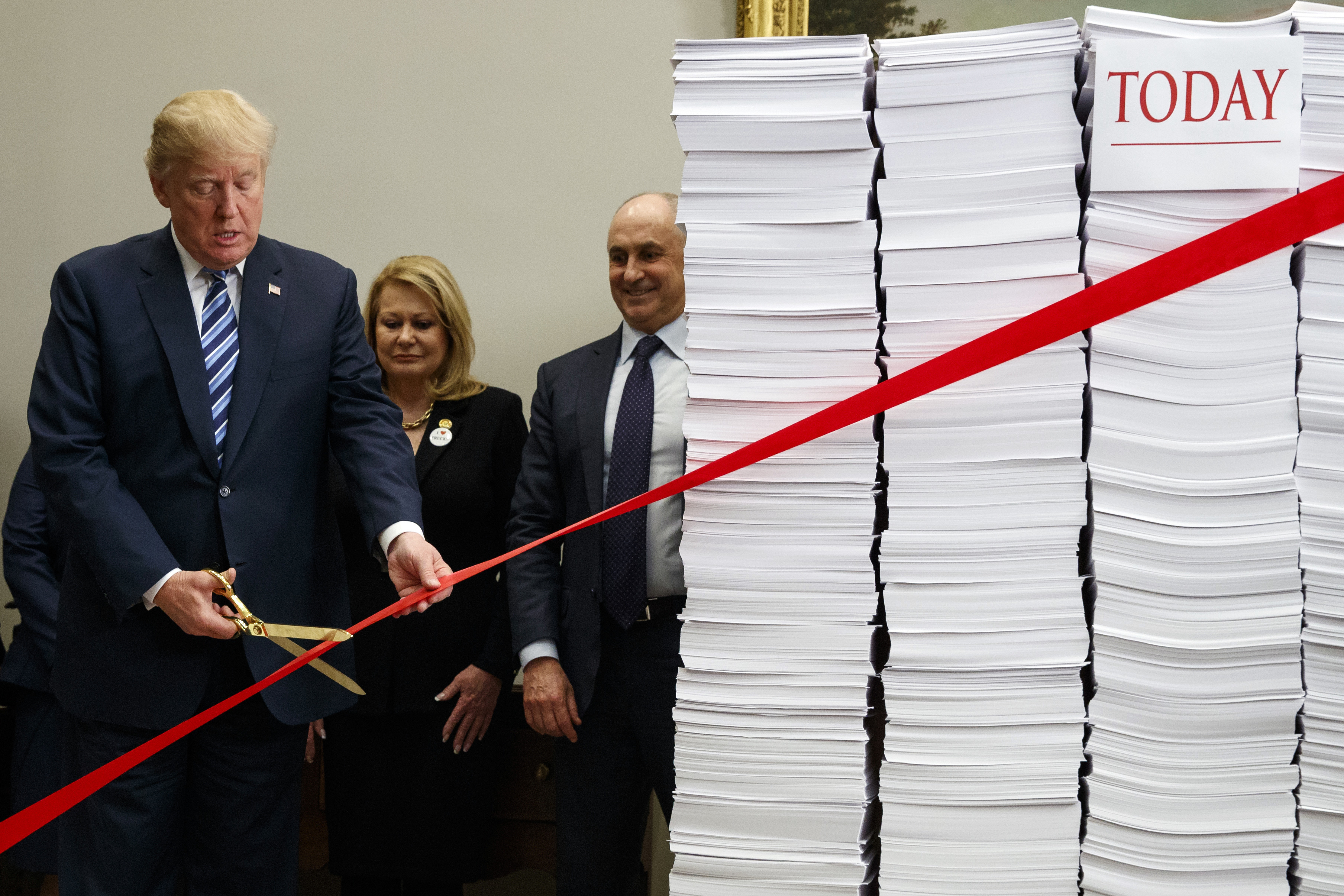
President Donald Trump entered office with a clear mandate from his political base: reverse what he characterizes as “anti-growth” climate regulations.
Key federal trends since 2025 include:
- Slowing or halting new emissions rules
- Reduced enforcement authority for environmental agencies
- Expanded fossil fuel leasing and exports
- Skepticism toward climate science in executive messaging
This marks a sharp break from the climate-forward posture of the early 2020s.
The Inflation Reduction Act: Still Law, Less Momentum
Despite political shifts, the Inflation Reduction Act (IRA) remains intact. Its clean energy tax credits, manufacturing incentives, and consumer rebates are still driving investment.
However, implementation has changed:
- Slower rulemaking
- Reduced agency staffing
- Greater discretion at the state level
The result is uneven deployment, not repeal.
States Become the Center of Climate Action
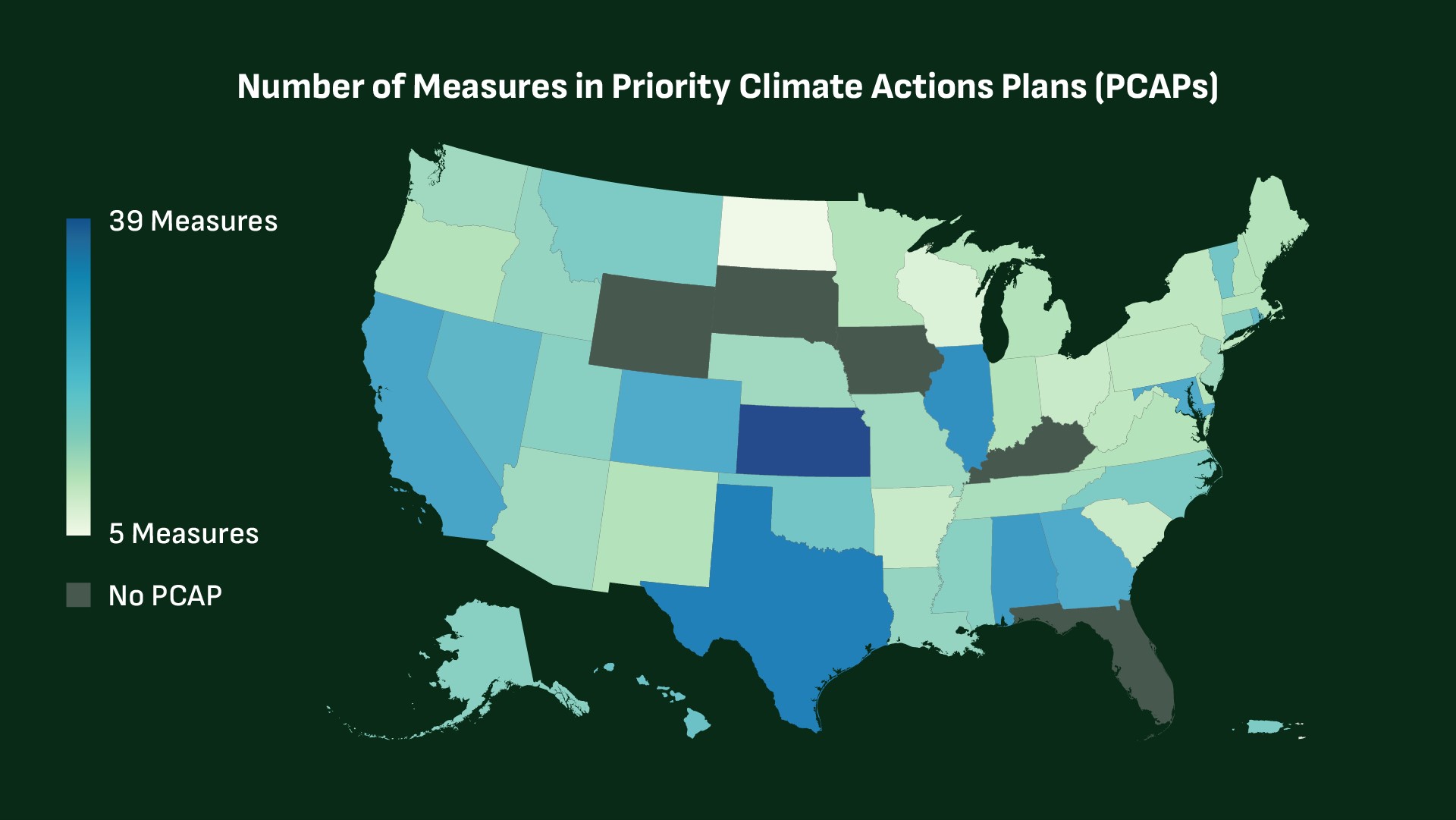
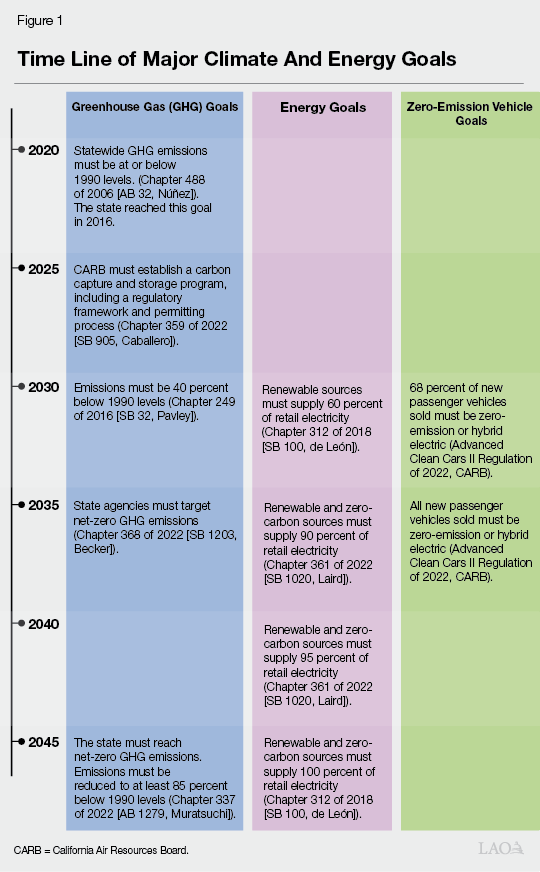
With federal leadership weakened, states have stepped into the void. California, New York, Washington, and others continue to:
- Enforce emissions standards
- Mandate clean electricity targets
- Invest in climate resilience
This has created a patchwork climate system—aggressive in some regions, minimal in others.
Courts Replace Congress as Climate Arbiters
U.S. climate policy is now heavily shaped by litigation. Environmental rules, agency authority, and state mandates increasingly hinge on court decisions.
Legal uncertainty means:
- Delayed infrastructure projects
- Investor hesitation
- Regulatory instability
Climate governance has shifted from legislation to interpretation.
Fossil Fuels Regain Federal Support

Oil, gas, and LNG exports have expanded under federal backing. Supporters argue this boosts energy security and jobs. Critics warn it locks in emissions for decades.
This contradiction—climate risk versus energy dominance—defines current U.S. policy.
Markets Keep Driving Clean Energy Growth
Despite political shifts, clean energy continues to expand because:
- Solar and wind are cheaper than fossil fuels
- EV adoption is driven by consumer demand
- Corporate climate commitments remain
The clean energy transition is now economically self-propelled, even when politically resisted.
Global Climate Leadership Slips
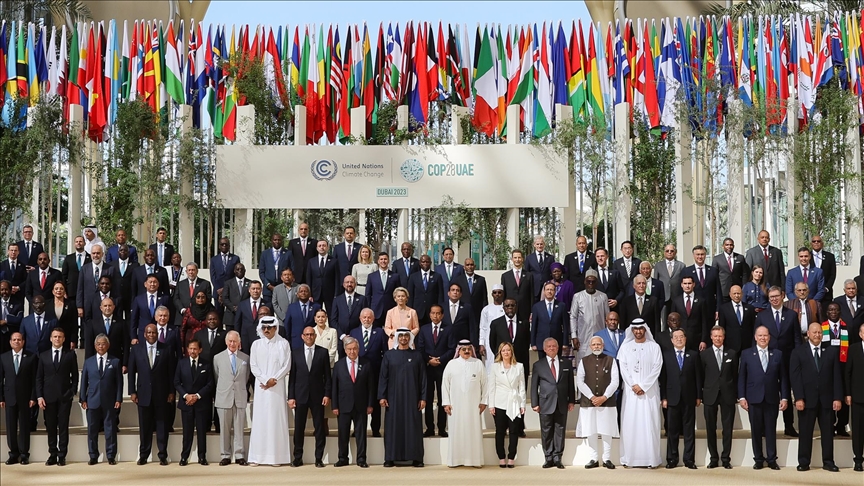

The U.S. plays a diminished role in global climate negotiations. The European Union and China increasingly set standards on:
- Carbon markets
- Clean manufacturing
- Climate finance
America’s retreat has geopolitical consequences beyond emissions alone.
What This Means for Emissions and Climate Risk
Current trajectories suggest:
- U.S. emissions will decline more slowly
- Adaptation costs will rise
- Climate-related disasters will strain budgets
The long-term cost of delay continues to grow.
Possible Paths Forward
U.S. climate policy after 2024 is likely to remain:
- Fragmented (state vs federal)
- Litigated (courts vs agencies)
- Market-driven (economics over politics)
True alignment may not return until political consensus changes.
Frequently Asked Questions
Did the U.S. abandon climate action after 2024?
No—but federal leadership weakened significantly.
Can Trump repeal climate laws outright?
Not easily. Many laws require Congress or survive through markets.
Are clean energy investments still growing?
Yes, driven largely by economics and state policy.
Who leads global climate efforts now?
The EU and China have gained influence.
Is U.S. climate policy predictable in 2026?
No—uncertainty is a defining feature.
What matters most going forward?
State action, court rulings, and market forces.
Conclusion: A Fragmented Climate Future
What’s next for U.S. climate policy after 2024 is neither full retreat nor steady progress—it is fragmentation. Federal rollbacks coexist with state ambition, legal battles, and unstoppable market trends.
Climate action in America has become less centralized, less predictable, and more contested. Whether that fragmentation slows or ultimately reshapes progress will define the nation’s climate legacy well beyond this decade.