
Potassium Bromate Ban in the US: What It Means for Food Safety
The potassium bromate ban in the US marks a significant shift in American food safety regulation. Potassium bromate, a dough conditioner long banned in many countries, has faced increasing scrutiny due to carcinogenicity concerns. Now, regulatory action signals stronger alignment with global food safety standards.
This decision matters for consumers, manufacturers, and policymakers. It reflects evolving toxicology science, public pressure for safer ingredients, and a broader reassessment of legacy food additives. In this article, we examine the science behind potassium bromate, the environmental and economic implications of the ban, and what it means for the future of U.S. food policy.
Key Concepts and Scientific Foundation
What Is Potassium Bromate?
Potassium bromate is a chemical oxidizing agent historically used in commercial baking. It strengthens dough, improves elasticity, and enhances loaf volume.
Chemically, it is classified as a bromate salt. During baking, it is supposed to convert into bromide, which is considered less harmful. However, incomplete conversion can leave residues in finished products.
The additive has been classified as possibly carcinogenic to humans by international health authorities. Animal studies have demonstrated kidney and thyroid tumor formation at high exposure levels.
The U.S. Food and Drug Administration historically permitted its use under specific limits. However, the precautionary principle adopted in other jurisdictions led to earlier bans.
Why Many Countries Banned It
Potassium bromate has already been prohibited in:
- The European Union
- Canada
- China
- India
These bans reflect a hazard based regulatory model. In contrast, the United States traditionally used a risk based approach, evaluating acceptable exposure thresholds.
The potassium bromate ban in the US signals a shift toward stricter precautionary evaluation.
Environmental and Economic Impacts
Public Health Implications
Although exposure levels were generally low, removing a probable carcinogen reduces cumulative risk. Even minimal carcinogenic exposures can become significant across large populations.
Regulatory updates also improve consumer confidence in the food supply chain. Transparency strengthens trust, particularly as ingredient literacy increases among eco conscious consumers.
Industry Reformulation Costs
The economic impact varies by manufacturer:
- Large industrial bakeries largely phased out potassium bromate years ago due to export market requirements.
- Small producers may incur reformulation costs.
- Supply chains must adjust ingredient sourcing.
However, alternative dough conditioners such as ascorbic acid are widely available and cost effective.
International Trade Alignment
Aligning with international bans reduces regulatory friction in global markets. Food exporters benefit from standardized compliance frameworks.
Over time, harmonization lowers compliance complexity and improves cross border competitiveness.
Real World Policy Context


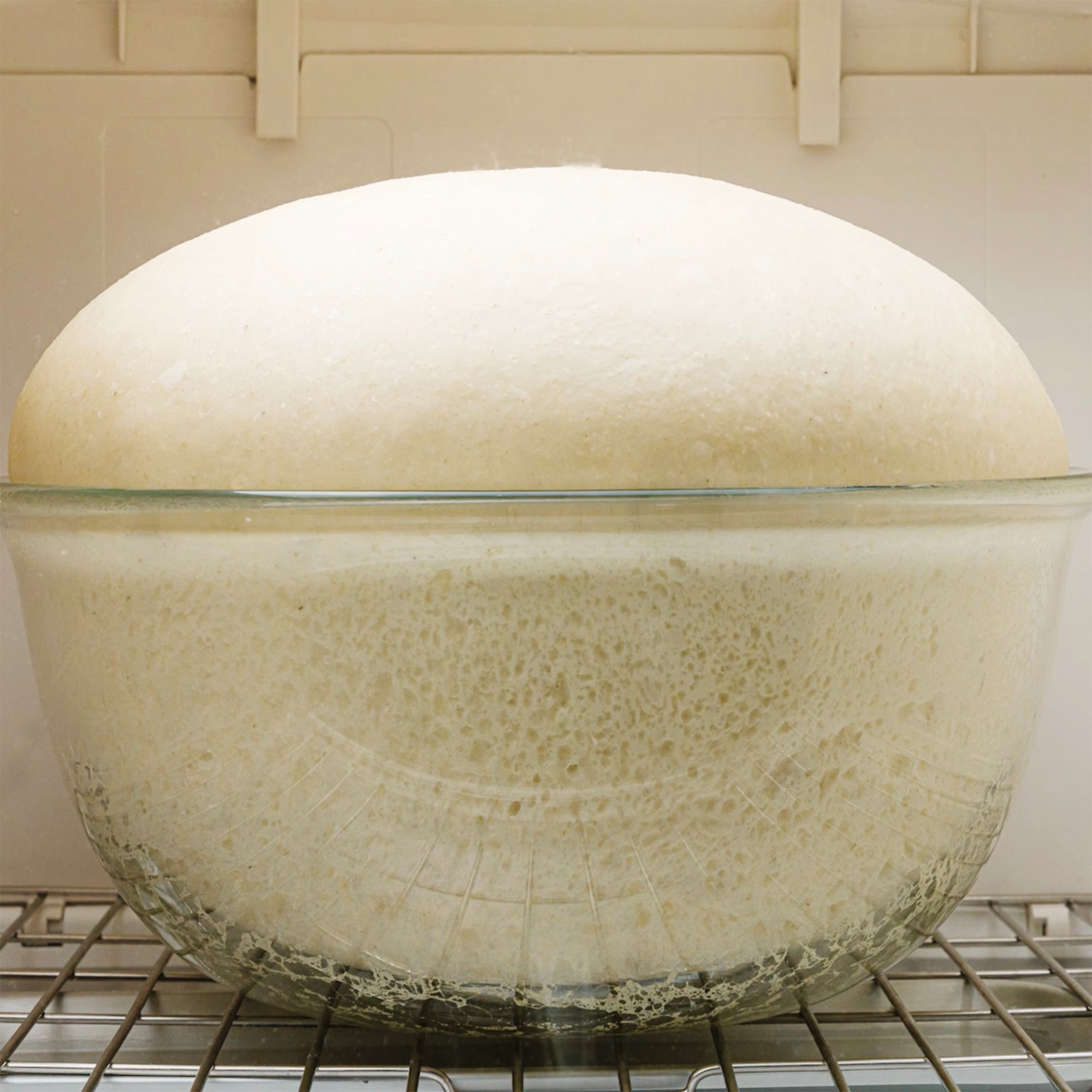
Image Description: Industrial bread production and food safety laboratory testing
Regulatory Momentum
The potassium bromate ban in the US follows broader reevaluations of legacy additives. Consumer advocacy groups and state level regulators increased scrutiny of older chemical approvals.
Several U.S. states introduced legislation targeting controversial additives, accelerating federal review.
Comparison With Other Additives
Public confusion sometimes associates potassium bromate with beverage additives such as brominated vegetable oil. While chemically distinct, both fall under the broader discussion of bromine containing compounds in food.
In recent years, regulatory agencies have intensified additive reviews based on updated toxicological evidence and cumulative exposure modeling.
Challenges and Barriers
Regulatory Lag
Food additives approved decades ago remain on the market due to slow reevaluation cycles. Scientific reassessment requires extensive data review and stakeholder consultation.
Industry Resistance
Some producers argue that existing exposure levels were already safe under risk assessment models. Reformulation also requires product stability testing and quality control validation.
Scientific Uncertainty
While animal studies demonstrate carcinogenicity, human epidemiological data remain limited. Regulators must balance precaution with evidence thresholds.
Solutions and Strategic Pathways
The potassium bromate ban in the US highlights broader reform needs.
1. Modernize Food Additive Review
Regular reevaluation cycles should be mandatory for all legacy additives. Toxicological methods now include improved carcinogenicity modeling and cumulative exposure assessment.
2. Strengthen Transparency
Clear labeling and publicly accessible safety reviews increase accountability.
3. Encourage Safer Substitutes
Industry transition toward safer oxidizing agents demonstrates that reformulation is technically feasible.
4. Consumer Action
Consumers can:
- Choose products labeled bromate free
- Support brands committed to clean ingredient lists
- Monitor regulatory updates
Market demand influences policy reform.
Frequently Asked Questions
Is potassium bromate still used in the United States?
The potassium bromate ban in the US significantly restricts or eliminates its use in food production, aligning with international standards.
Is potassium bromate used in soda?
No. Potassium bromate is primarily a dough conditioner used in baking. It is not typically found in carbonated beverages.
Why was potassium bromate allowed for so long?
It was approved decades ago under older safety standards. Risk based models considered exposure levels acceptable, although newer data prompted reassessment.
Are there safe alternatives?
Yes. Ascorbic acid and other oxidizing agents provide similar baking performance without carcinogenic classification.
Conclusion
The potassium bromate ban in the US represents a meaningful advancement in food safety modernization. Although exposure risks were considered low, eliminating a probable carcinogen strengthens precautionary regulation and aligns U.S. policy with international standards.
For manufacturers, the transition reinforces the importance of safer ingredient sourcing. For consumers, it offers increased confidence in the integrity of the food system.
As scientific understanding evolves, regulatory frameworks must adapt accordingly. The potassium bromate ban in the US may serve as a model for reviewing other legacy food additives.
Staying informed and supporting transparent food systems remains essential for long term public health protection.