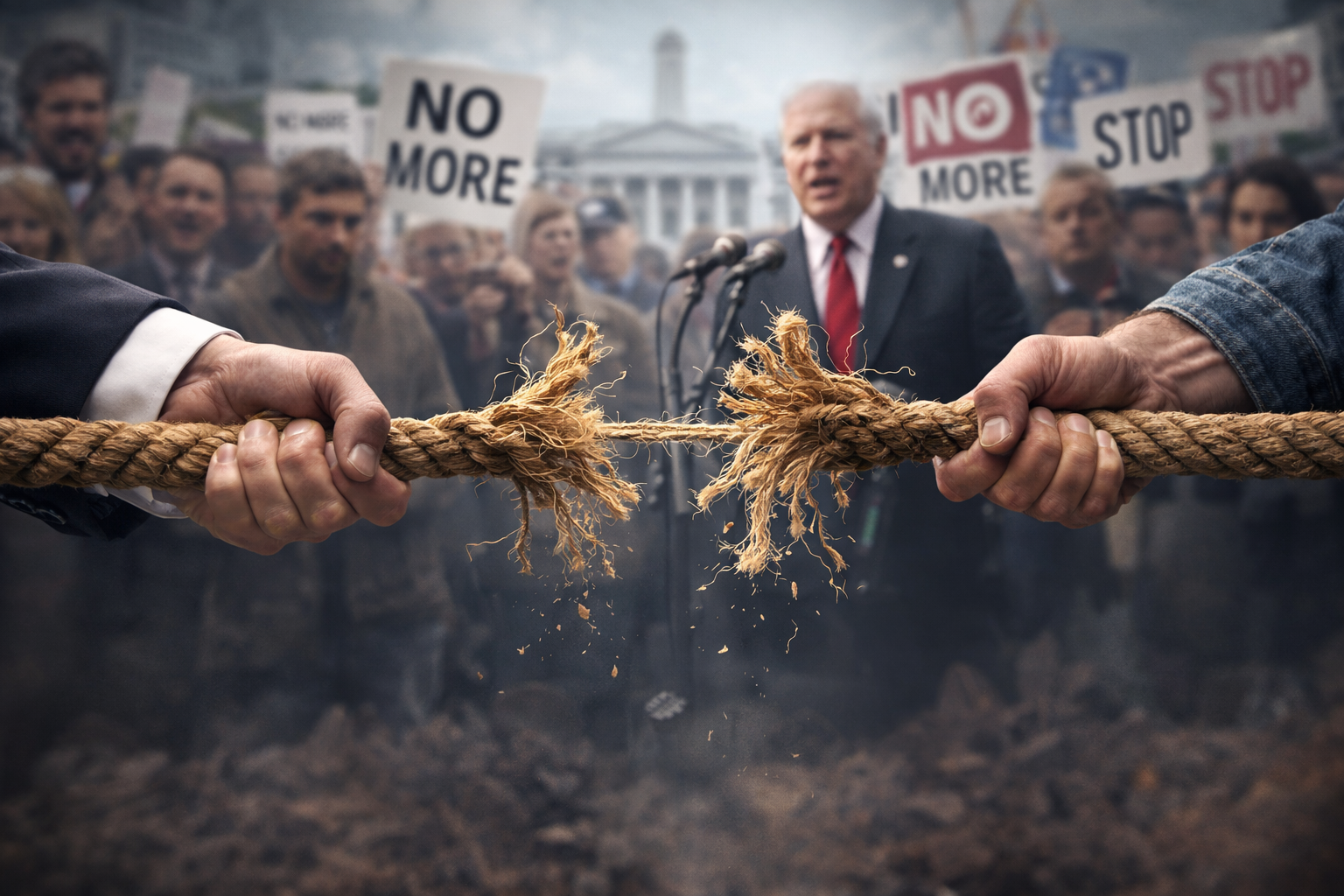
The Backlash Against ESG: Why the World Turned on Sustainability’s Favorite Acronym
Only a few years ago, ESG (Environmental, Social, and Governance) was the darling of the financial world. CEOs raced to pledge net-zero targets, and trillions of dollars poured into sustainable funds. It was viewed as the future of capitalism.
Then, the tide turned.
Today, ESG is under siege. In the United States, it has been branded “woke capitalism” by politicians. In Europe, it faces regulatory scrutiny for “greenwashing.” And in boardrooms, executives have stopped talking about it altogether—a phenomenon known as “Greenhushing.”
Is the sustainability movement collapsing, or is it simply growing pains? To understand the future of green business, we must dissect the backlash.
1. The Political Firestorm: “Woke Capitalism”
The loudest backlash comes from the political arena, particularly in the United States.
What started as a risk management framework (tracking carbon footprints and board diversity) was politicized into a culture war. Critics argue that ESG forces companies to prioritize progressive social agendas over their legal duty to maximize profits for shareholders.
- The “Anti-ESG” Laws: States like Florida and Texas have passed legislation barring state pension funds from considering ESG factors, arguing that it boycotts fossil fuel industries.
- The BlackRock Effect: Larry Fink, CEO of BlackRock (the world’s largest asset manager), was once the face of ESG. By 2024, he publicly stated he had stopped using the term because it had become too “weaponized.”
2. The Performance Problem
Politics aside, the financial argument against ESG gained ground in 2022 and 2023.
- The Energy Crisis: When Russia invaded Ukraine, oil and gas stocks skyrocketed. ESG funds, which were underweight in fossil fuels, underperformed.
- The Tech Bubble: Many ESG funds were heavily invested in tech stocks (because tech has low direct emissions). When tech slumped, ESG slumped. Critics asked a simple question: Does sustainable investing actually generate higher returns, or does it just cost more? The answer has proven more complex than early proponents promised.
3. The Trust Deficit: Greenwashing
The backlash isn’t just from skeptics; it is also from advocates. For years, companies slapped “Eco-Friendly” labels on everything without changing their business models. This Greenwashing eroded trust.
- Regulatory Crackdowns: The EU and the US SEC have introduced strict disclosure rules. Companies can no longer vaguely claim to be “sustainable” without data.
- The Result: Fearing lawsuits and accusations of lying, companies have gone silent.
The New Trend: “Greenhushing”
The most immediate consequence of the backlash is Greenhushing. Companies are still doing the sustainability work—investing in solar, reducing waste, and improving labor standards—but they are terrified to talk about it.
- Why? If they talk about it, they get attacked by the Right for being “woke” and by the Left for “not doing enough.”
- The Danger: Silence stalls progress. If companies stop sharing their innovations and targets, the global momentum for climate action slows down.
4. Is ESG Dead? (The Rebranding)
The acronym “ESG” might be dying, but the core concept is not. In fact, it is becoming more embedded in business than ever—it just has a new name.
Companies are pivoting to boring, practical terms:
- “Transition Finance”
- “Supply Chain Resilience”
- “Energy Efficiency“
- “Responsible Business”
This rebranding strips away the political baggage. When a company says, “We are installing solar panels to lower energy costs,” it is harder to attack than saying, “We are pursuing an ESG agenda.”
Conclusion: A Necessary Correction
The backlash against ESG is painful, but perhaps necessary. It has exposed the lazy “greenwashing” of the past and forced a harder look at the data.
Sustainability is no longer a marketing trend; it is a matter of survival. Whether we call it ESG, risk management, or common sense, the reality remains: companies that ignore climate change and resource scarcity will eventually go bankrupt—financially and ecologically.