7 Alarming Realities: The New Iceland Volcanic Cycle Explained
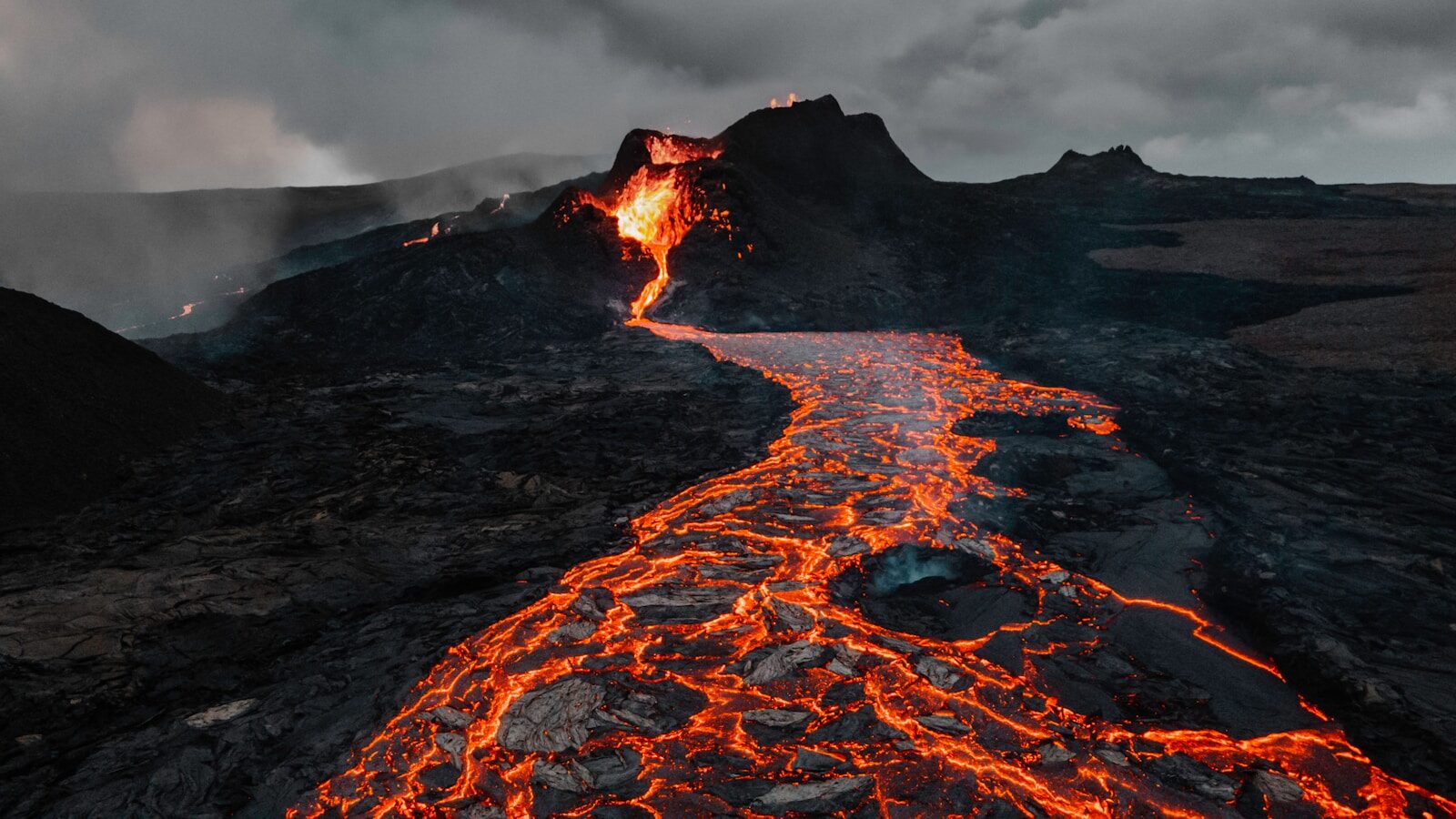
The awakening of the Iceland volcanic cycle is no longer a geological theory; it is a current, unfolding reality. After eight centuries of eerie dormancy, the Reykjanes Peninsula has violently roared back to life, initiating a period of unrest that experts predict will last for centuries. This is not just a localized natural disaster. It is a fundamental shift in Earth’s tectonic baseline.
When we observe these massive lava fountains and deep fissures tearing through the Icelandic crust, we are watching a domino effect in motion. The interconnected nature of our planet means that local eruptions have sweeping, global consequences. From atmospheric disruptions to severe supply chain choke points, understanding this geological awakening is crucial.
We must move beyond merely watching the fiery spectacle. It is time to analyze how the Iceland volcanic cycle will fundamentally reshape our climate systems and ecological economics in the decades to come.
Table of Contents
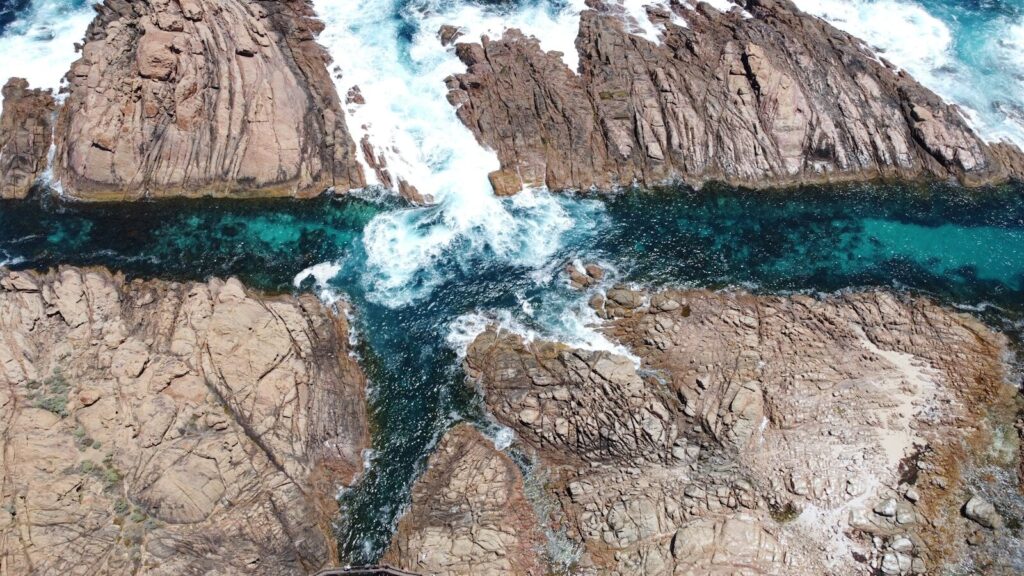
A geographical map showing the Mid-Atlantic Ridge separating the Eurasian and North American tectonic plates. This boundary drives the underlying forces of the Iceland volcanic cycle.
Unveiling the 500-Year Volcanic Countdown
To comprehend the sheer scale of the current geological unrest, we must first look backward. The last time the Reykjanes Peninsula experienced this level of sustained activity was during the “Reykjanes Fires” between 1210 and 1240 AD. Historical records from that era describe terrifying “sand winters” and skies completely darkened by ash.
This region is uniquely positioned directly atop the Mid-Atlantic Ridge. It is the only place on Earth where the violent boundary between the North American and Eurasian tectonic plates rises above the ocean surface. As these massive continental plates slowly drift apart, deep underground voids are created.
Magma forcefully upwells from the Earth’s mantle to fill these tectonic gaps. When the pressure becomes too immense to contain, the crust fractures. This predictable but devastating rhythm forms the baseline of the Iceland volcanic cycle, which operates on a roughly 500 to 800-year timeline of quiet followed by intense eruptive phases.
Magma Intrusions and Tectonic Tension in the Iceland Volcanic Cycle
The modern awakening of the Iceland volcanic cycle began in March 2021 at the Fagradalsfjall volcano. Initially deemed a “tourist eruption” due to its remote, slow-flowing nature, it was merely the opening act. By late 2023 and continuing through 2026, the eruptions became dramatically more violent and structurally threatening.
The formation of a massive subterranean magma dike under the Svartsengi volcanic system changed everything. Sudden, massive ground subsidence tore the town of Grindavík apart, forcing a complete evacuation. Infrastructure, including critical hot water pipelines and protective barriers, was repeatedly breached by fast-moving lava flows.
Scientists continuously track these underground magma chambers, noting that millions of cubic meters of molten rock accumulate before each new fissure opens. This rapid accumulation and release mechanism confirms that we are firmly entrenched in a high-activity phase of the Iceland volcanic cycle.
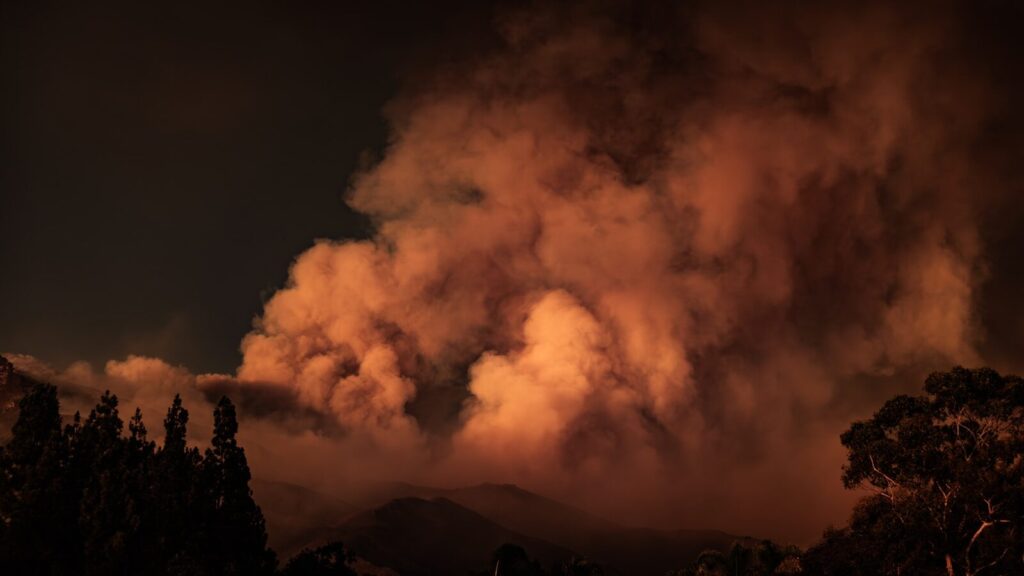
A dense volcanic ash cloud billowing into the upper atmosphere, blocking sunlight. Such atmospheric injections are a major climate concern within the Iceland volcanic cycle.
How the Iceland Volcanic Cycle Alters Global Climate
It is a common misconception that volcanic eruptions only cause local devastation. In reality, large-scale tectonic events are powerful climate drivers. When analyzing the Iceland volcanic cycle, we must bridge the gap between regional lava flows and global atmospheric patterns.
Volcanoes inject massive quantities of gases, particularly sulfur dioxide (SO2), into the atmosphere. When SO2 reaches the stratosphere, it reacts with water vapor to form sulfate aerosols. These microscopic droplets act as millions of tiny mirrors suspended high above the Earth.
This aerosol layer reflects incoming solar radiation back into space, creating a temporary but significant cooling effect on the global climate. While this might sound like a solution to global warming, volcanic cooling is chaotic, abrupt, and highly disruptive to established weather patterns.
Atmospheric Ash and Solar Radiation Deflection
The continuous emissions generated by the Iceland volcanic cycle have the potential to destabilize regional jet streams. When atmospheric circulation patterns shift, precipitation systems are violently relocated. Areas accustomed to heavy rainfall may experience sudden droughts, while arid regions might face catastrophic flooding.
These rapid shifts in weather are devastating to global agriculture. Crops require predictable, stable climates to yield adequate harvests. If the Iceland volcanic cycle produces an eruption powerful enough to heavily seed the stratosphere, the resulting “volcanic winter” effect could slash crop yields globally.
For a deeper understanding of how these ecological shifts impact food security, reviewing resources on How Tectonic Shifts Impact Agricultural Yields provides vital context. The interconnectedness of Earth’s crust and its atmosphere means that geology directly dictates agricultural viability.
Ecological Economics: Preparing for Disruption
The intersection of geological events and financial stability is known as ecological economics. The Iceland volcanic cycle is not just a scientific phenomenon; it is a profound economic variable. We must account for the financial toll of infrastructure destruction, aviation groundings, and supply chain interruptions.
When the Eyjafjallajökull volcano erupted in 2010, the resulting ash cloud grounded global aviation for weeks, costing the airline industry billions. While the current fissure eruptions on the Reykjanes Peninsula produce less ash and more lava, the long-term threat to the Keflavík International Airport remains a major economic concern.
Furthermore, Iceland is a global hub for geothermal energy and data centers. The disruption of the Svartsengi power station during the early 2024 eruptions highlighted the fragility of this infrastructure. A prolonged shutdown of these facilities sends shockwaves through the global tech and energy sectors.
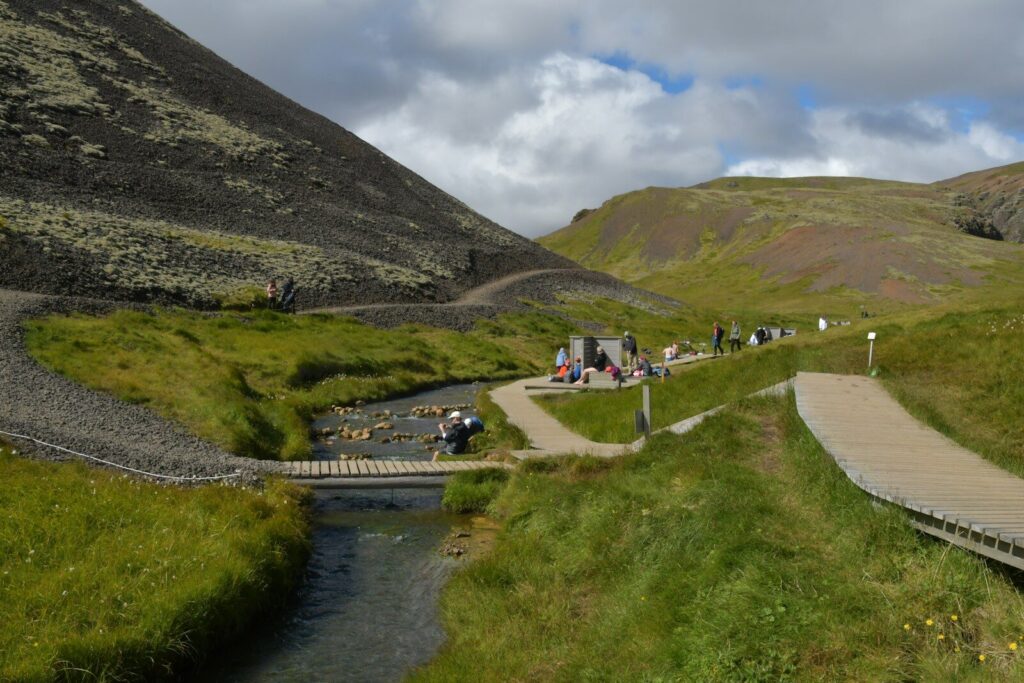
The Svartsengi geothermal power plant surrounded by rugged volcanic terrain. Infrastructure resilience is a key factor in navigating the current Iceland volcanic cycle.
Evaluating the Financial Toll of Tectonic Shifts
To truly grasp the economic weight of the Iceland volcanic cycle, we must look at historical precedents and project them onto modern financial systems. Global supply chains operate on extremely thin margins, and natural disruptions act as severe stress tests.
For further reading on this cluster, refer to our comprehensive guide on The Interconnected Architecture of Global Climate Systems. Understanding these macro-level connections helps businesses and governments build resilient frameworks against unpredictable geological risks.
You can also explore how international bodies assess these risks by consulting the open-source data provided by the United States Geological Survey. These institutions offer critical mapping and hazard assessments necessary for economic forecasting.
Historical Eruptions vs. Modern Economic Impacts
To conceptualize the potential trajectory of the current Iceland volcanic cycle, it is helpful to compare past eruptive phases with modern ecological and economic realities. The table below outlines these stark differences.
| Eruption Era | Geological Phase | Climate Impact | Economic & Ecological Consequence |
| 1210 – 1240 AD | Reykjanes Fires | Significant regional cooling, “sand winters.” | Devastated local livestock; mass famine and migration within Iceland. |
| 1783 – 1784 AD | Laki Eruption | Severe Northern Hemisphere cooling; altered monsoons. | Global crop failures; massive atmospheric sulfur poisoning; widespread famine. |
| 2010 AD | Eyjafjallajökull | Minor global temperature change; severe local ash. | Grounded transatlantic aviation; estimated $5 billion loss to global economy. |
| 2021 – 2026+ | New Iceland Volcanic Cycle | Currently localized; potential for future aerosol cooling. | Destruction of Grindavík; threats to geothermal grids and Atlantic air corridors. |
The Future of the Reykjanes Peninsula
The most alarming reality of the new Iceland volcanic cycle is its open-ended timeline. Geologists and volcanologists from leading institutions, including researchers published in Nature, agree that this phase could easily persist for the next several hundred years. The people of Iceland are now forced to adapt to a permanently altered landscape.
Massive earth-moving equipment is constantly deployed to build protective berms around critical infrastructure like the Blue Lagoon and local power grids. However, these are temporary fixes against an unrelenting tectonic force. The magma will continue to rise, and the earth will continue to fracture.
From a broader perspective, the rest of the world must watch and learn. The resilience demonstrated by Icelandic authorities offers a blueprint for disaster management. However, we must also proactively prepare our own global supply chains and agricultural safety nets for the inevitable climate disruptions that will follow.
Ultimately, the Iceland volcanic cycle serves as a humbling reminder of our planet’s immense power. We are passengers on an active, volatile sphere. By understanding the deep connections between magma, climate, and economics—such as those detailed in our article on Understanding Global Supply Chain Resilience in Climate Crises—we can better navigate the uncertain geological future.