Eta Aquariid Meteor Shower 2024: Halley’s Comet Lights Up the Night Sky
Every year in early May, Earth passes through a stream of cosmic debris left behind by one of the most famous comets in history. The result is the Eta Aquariid meteor shower, a fast and dramatic display of streaking meteors that can light up the pre-dawn sky.
In 2024, the Eta Aquariids offered skywatchers a spectacular opportunity to witness fragments of Halley’s Comet burning through Earth’s atmosphere at extraordinary speeds.
For stargazers across the United States and around the world, the event served as a reminder that the night sky is shaped by deep cosmic cycles — some stretching back thousands of years.
Table of Contents
What Is the Eta Aquariid Meteor Shower?
The Eta Aquariids are caused by debris from Halley’s Comet, one of the most famous periodic comets in our solar system.
When Earth crosses the comet’s ancient orbital path each year, tiny particles of dust and rock enter our atmosphere at speeds of around 66 kilometers per second (41 miles per second).
As these fragments hit the upper atmosphere, they heat up and vaporize, producing the bright streaks of light we call meteors.
The meteor shower is named after the constellation Aquarius, near the star Eta Aquarii, where the meteors appear to originate.
When Did the 2024 Eta Aquariid Meteor Shower Peak?
The Eta Aquariid meteor shower typically occurs between April 19 and May 28 each year.
In 2024, the peak occurred around May 5–6, when meteor activity was at its highest.
During peak activity:
- Observers in ideal conditions could see up to 40 meteors per hour
- The best viewing time was between 3:00 a.m. and sunrise
- Dark skies away from city lights significantly improved visibility
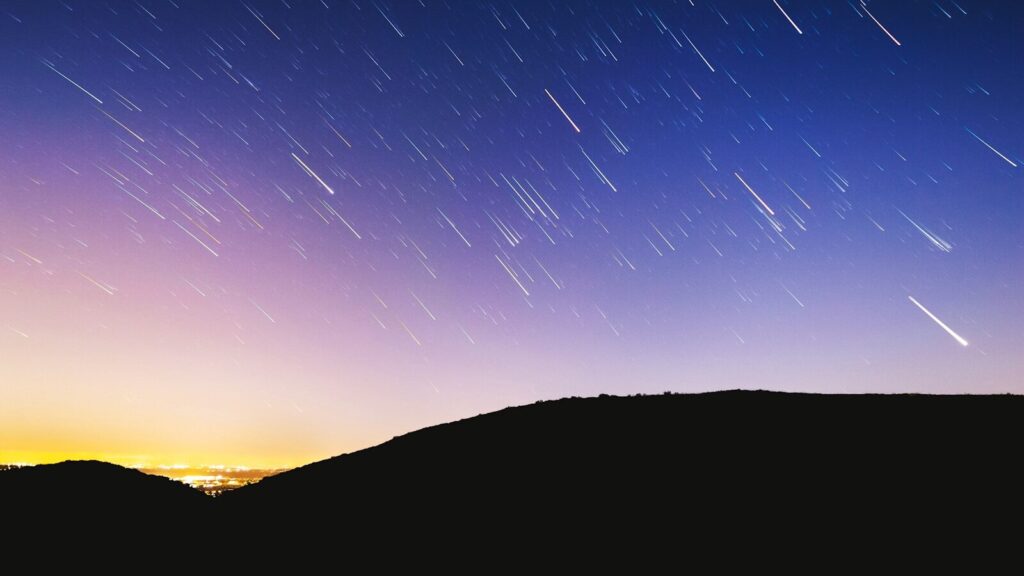
Unlike some meteor showers, Eta Aquariids are known for long glowing trails, sometimes lingering in the sky for several seconds.
Why Are Eta Aquariid Meteors So Fast?
Eta Aquariids are among the fastest meteors of any annual shower.
Because the debris from Halley’s Comet meets Earth’s orbit almost head-on, particles slam into the atmosphere at extremely high velocities.
This speed produces:
- bright streaks
- long luminous trails
- occasional glowing “earthgrazers” that skim across the atmosphere
These characteristics make the Eta Aquariids particularly dramatic when conditions are right.
Best Places to See the Meteor Shower in the United States
The Eta Aquariids favor observers in the Southern Hemisphere, but they are still visible across much of the United States.
The best locations include:
- Southern states such as Texas, Florida, and Arizona
- Rural areas with low light pollution
- Elevated areas with clear eastern horizons
Even in northern states, patient observers can still see multiple meteors during the peak hours before sunrise.
How to Watch the Eta Aquariid Meteor Shower
Watching a meteor shower requires no telescope or special equipment. In fact, the naked eye works best.
For the best viewing experience:
1. Choose a dark location
Move away from city lights and artificial illumination.
2. Allow your eyes to adjust
Give your eyes about 20–30 minutes to adapt to the darkness.
3. Look toward the eastern sky
The constellation Aquarius rises before dawn.
4. Be patient
Meteor showers come in bursts. Quiet watching often reveals more meteors than expected.
Lying on a reclining chair or blanket helps expand your field of view across the sky.
Halley’s Comet: The Ancient Source of the Eta Aquariids
The debris creating the Eta Aquariids originates from Halley’s Comet, which completes an orbit around the Sun every 76 years.
Although the comet itself last passed Earth in 1986 and will not return until 2061, its dust trail remains scattered throughout its orbit.
Each year, Earth crosses two major parts of this trail:
- Eta Aquariids (May)
- Orionids (October)
Both meteor showers are direct reminders of Halley’s long journey through the solar system.
Why Meteor Showers Still Fascinate Scientists
Meteor showers are not just beautiful sky events. They also offer insights into the history of our solar system.
Studying meteor particles helps scientists understand:
- the composition of ancient comets
- how dust moves through the solar system
- how Earth interacts with cosmic debris streams
These interactions have been happening for millions of years and will continue far into the future.
In this sense, meteor showers are not only visual spectacles — they are part of the ongoing story of planetary motion.
The Deeper Value of Dark Skies
Events like the Eta Aquariid meteor shower also highlight an often overlooked environmental issue: light pollution.
Artificial lighting from cities can wash out faint meteors and obscure much of the natural night sky.
Across the world, astronomers and environmental advocates are working to preserve dark-sky areas, where people can still experience celestial events clearly.
Protecting dark skies benefits:
- astronomy research
- wildlife ecosystems
- human sleep cycles
- cultural connections to the cosmos
Meteor showers remind us that the night sky is part of Earth’s natural environment.
Looking Ahead: Future Meteor Showers to Watch
If you missed the Eta Aquariids this year, several major meteor showers occur annually:
- Perseids (August) – one of the brightest meteor showers
- Geminids (December) – often producing over 100 meteors per hour
- Orionids (October) – also linked to Halley’s Comet
Each event offers another chance to witness cosmic dust turning into brief flashes of light above our planet.
Conclusion
The Eta Aquariid meteor shower of 2024 once again transformed fragments of an ancient comet into a dazzling celestial show.
While the meteors themselves last only seconds, they are reminders of something much larger: Earth moving through a vast and dynamic solar system shaped by comets, planets, and ancient cosmic debris.
For those willing to wake before dawn and look up, the sky still holds moments of wonder — written in streaks of light that began their journey long before human history.
FAQ
What causes the Eta Aquariid meteor shower?
The Eta Aquariids are caused by dust and debris left behind by Halley’s Comet as Earth passes through its orbital path.
When is the best time to see Eta Aquariids?
The best viewing time is typically between 3 a.m. and sunrise during the peak nights in early May.
How many meteors can be seen during the peak?
Under ideal dark-sky conditions, observers may see 30–40 meteors per hour.
Do you need a telescope to see the meteor shower?
No. Meteor showers are best viewed with the naked eye because they streak across large areas of the sky.