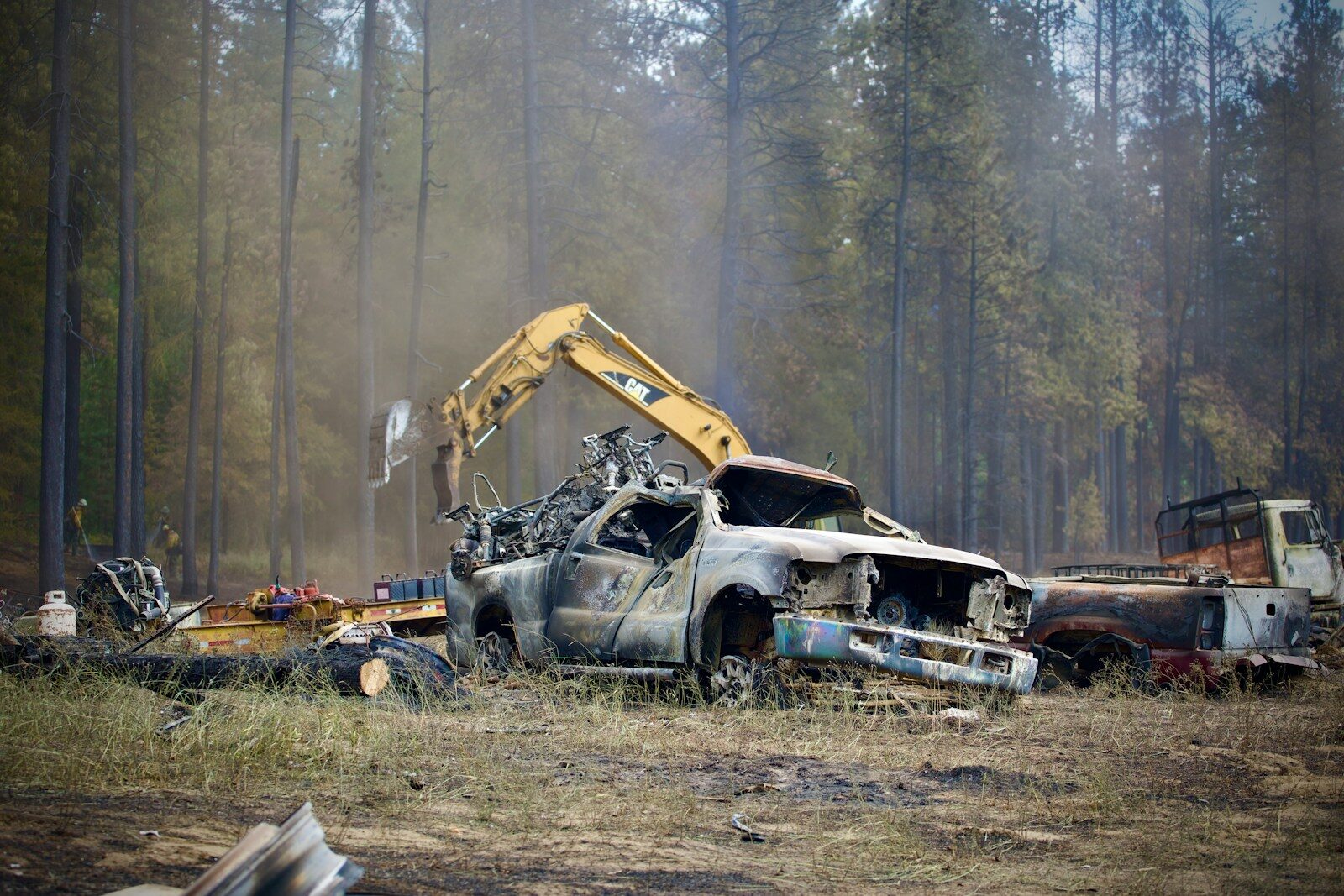
Rebuilding After Wildfires: 6 Sustainable Strategies for American Communities
Build Fire-Resistant Homes with Non-Combustible Materials
Concrete, metal roofing, and fiber-cement siding dramatically reduce wildfire ignition. Fire-resistant landscaping creates defensible space around every home.
Create 100-Foot Defensible Space Around All Structures
Cal Fire and USFS guidelines call for Zone 1 (0–30 ft) and Zone 2 (30–100 ft) landscaping strategies. Removing ladder fuels is the single most effective protection measure.
Native Plant Restoration Reduces Erosion and Future Fuel Load
After wildfire, bare slopes are vulnerable to catastrophic mudslides. Planting native grasses and drought-tolerant shrubs rebuilds ecosystems while reducing erosion risk.
Community Microgrids Keep Power On During Evacuations
Solar + battery microgrids that automatically island from the main grid keep emergency power flowing when utility lines are destroyed or de-energized during fire conditions.
Update Building Codes to WUI Standards Before Rebuilding
The WUI — where neighborhoods meet wildlands — is America's fastest-growing and most dangerous fire zone. Rebuilding to modern WUI codes can prevent the next disaster.
Rebuild Smarter. Wildfires Will Come Again — Be Ready.
From fire-resistant materials to native landscaping and community energy resilience, sustainable rebuilding reduces risk and strengthens the entire community. Read Full Guide →
Why This Matters for America
Data from federal agencies shows this issue directly affects millions of Americans. Understanding the scope is the first step toward meaningful action and lasting solutions.
Communities on the Front Lines
Across the United States, communities are experiencing the real-world consequences. Local economies, public health, and ecosystems are all interconnected—solutions must address all three.
What Researchers Are Finding
Leading scientists from NOAA, NASA, EPA, and universities nationwide are documenting alarming trends. The evidence is clear: urgent action is needed to protect America's future.