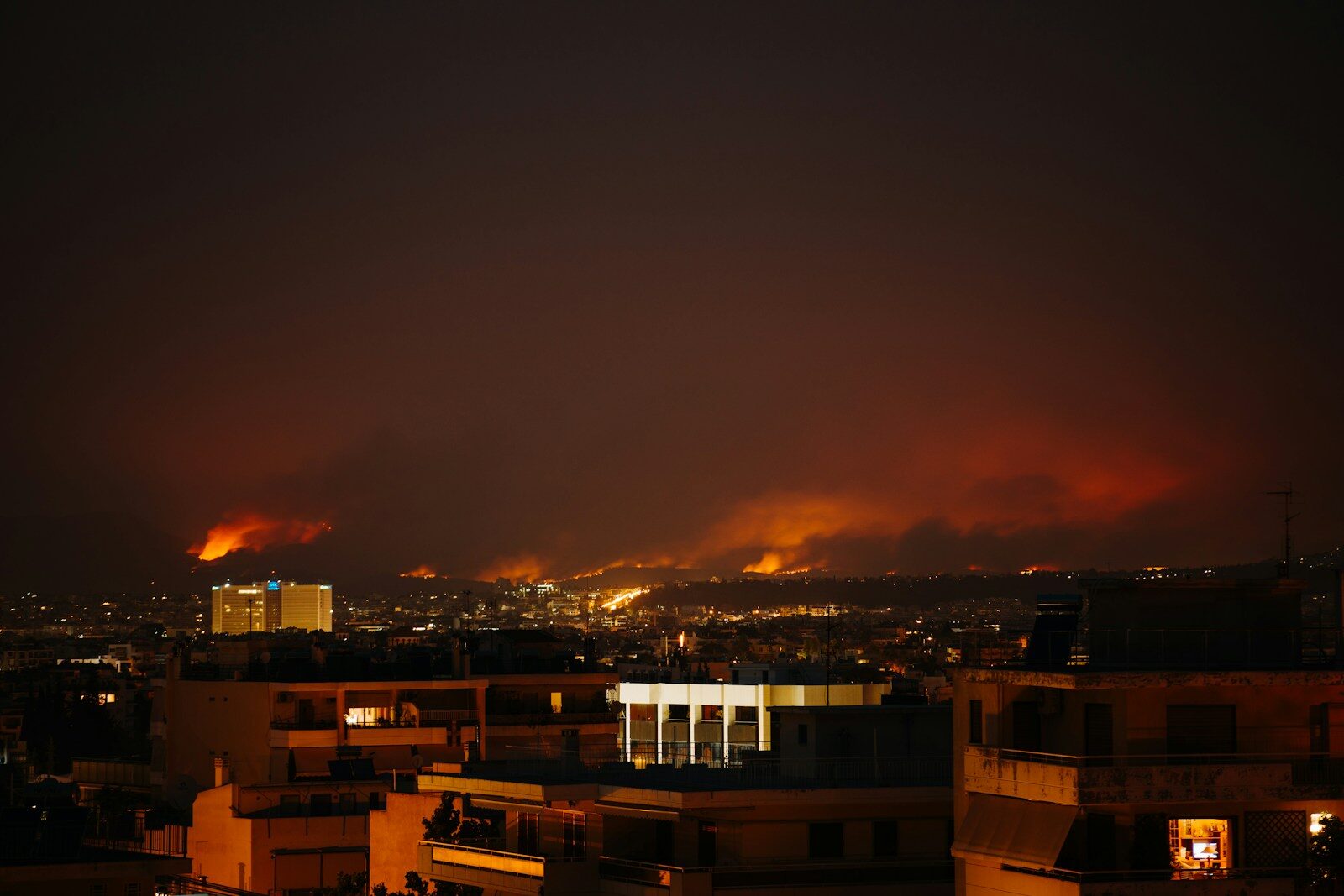
Louisiana on Fire: Unprecedented Wildfires Hit the Bayou State
When most Americans think wildfires, they picture California. But unprecedented drought and heat have turned Louisiana into an active fire zone — a climate warning sign the entire South must heed.
Extreme Drought Turned Louisiana Into a Tinderbox
Louisiana's typically humid landscape dried to dangerous levels. Months without significant rainfall, combined with record heat, turned swamps and forests into fuel — igniting fires that shocked even veteran firefighters.
Mass Evacuations & Statewide Burn Bans
Louisiana's governor issued an emergency declaration as fires forced thousands from their homes. All 64 parishes faced burn restrictions — a climate emergency that would have been unthinkable in the bayou state just a decade ago.
Wildfire Risk Is Expanding East and South
Climate models show wildfire risk expanding dramatically beyond the traditional West. Texas, Florida, Georgia, and now Louisiana face a future where "wildfire country" is everywhere — not just the West.
The South Must Prepare for Fire Season
Southern communities need wildfire education, preparedness plans, and early warning systems that Western states took decades to develop. Louisiana's fires are the South's climate call to action. Read the Full Report →
Why This Matters for America
Data from federal agencies shows this issue directly affects millions of Americans. Understanding the scope is the first step toward meaningful action and lasting solutions.
Communities on the Front Lines
Across the United States, communities are experiencing the real-world consequences. Local economies, public health, and ecosystems are all interconnected—solutions must address all three.
What Researchers Are Finding
Leading scientists from NOAA, NASA, EPA, and universities nationwide are documenting alarming trends. The evidence is clear: urgent action is needed to protect America's future.
Driving Forces Behind the Crisis
Climate change, industrial activity, policy gaps, and resource mismanagement combine to accelerate this crisis. Addressing root causes—not just symptoms—is essential for lasting change.
Progress When We Act Together
Success stories from across America show that informed policy, community action, and scientific innovation can reverse damage and restore resilience. The path forward exists.