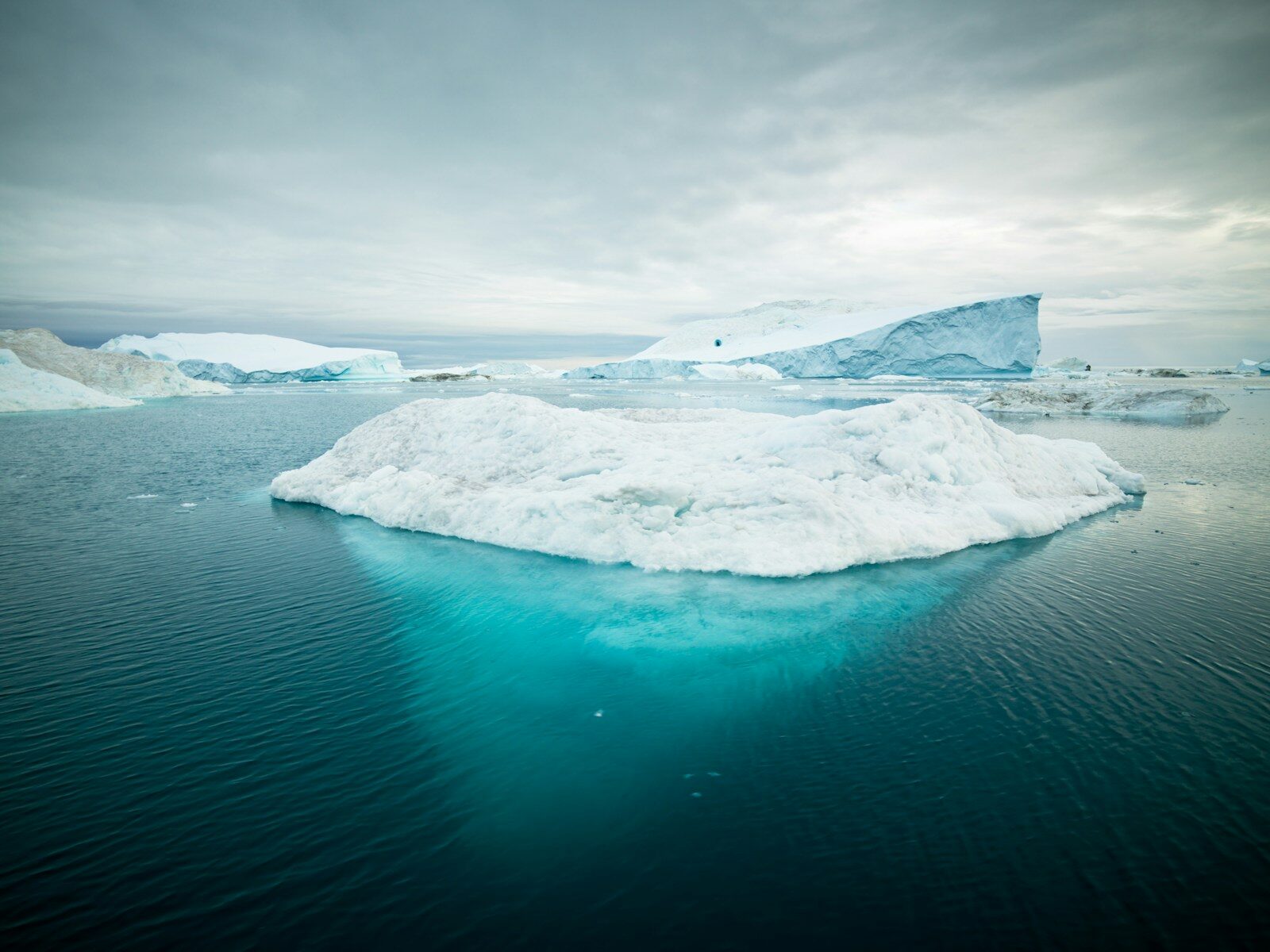
Arctic Sea Ice Is Collapsing: 6 Alarming Consequences for the United States
Loss of Sea Ice Accelerates Global Warming via Albedo Feedback
Ice reflects 80% of sunlight; open ocean absorbs 94%. As ice disappears, the Arctic absorbs far more heat, creating a self-reinforcing feedback loop that accelerates warming everywhere.
Polar Vortex Disruption Sends Arctic Air Deep into the US
A weakened polar vortex — linked to Arctic sea ice loss — allows frigid air to escape southward, causing extreme winter events like Winter Storm Uri that killed 246 Americans and cost $130B.
Sea Level Rise from Greenland Ice Melt Threatens US Coastlines
Greenland's ice sheet is melting faster than any model predicted. Even partial melting threatens Florida, Louisiana, and every US coastal city with catastrophic permanent flooding.
Alaska's Permafrost Thaw Releases Methane — a Runaway Climate Risk
As Arctic permafrost thaws, it releases methane — a greenhouse gas 80× more potent than CO2 over 20 years. Alaska's infrastructure is already sinking as the frozen ground collapses.
An Ice-Free Arctic Summer Could Arrive Before 2040
Scientists now project the first ice-free Arctic summer could occur as early as the 2030s — decades ahead of previous estimates. This is not a distant scenario; it's a near-term climate emergency.
The Arctic Is America's Climate Thermostat — and It's Broken
What happens in the Arctic doesn't stay there. Sea ice loss reshapes weather patterns across the entire continental United States — from polar vortex blasts to intensified hurricanes.
Read Full Analysis →