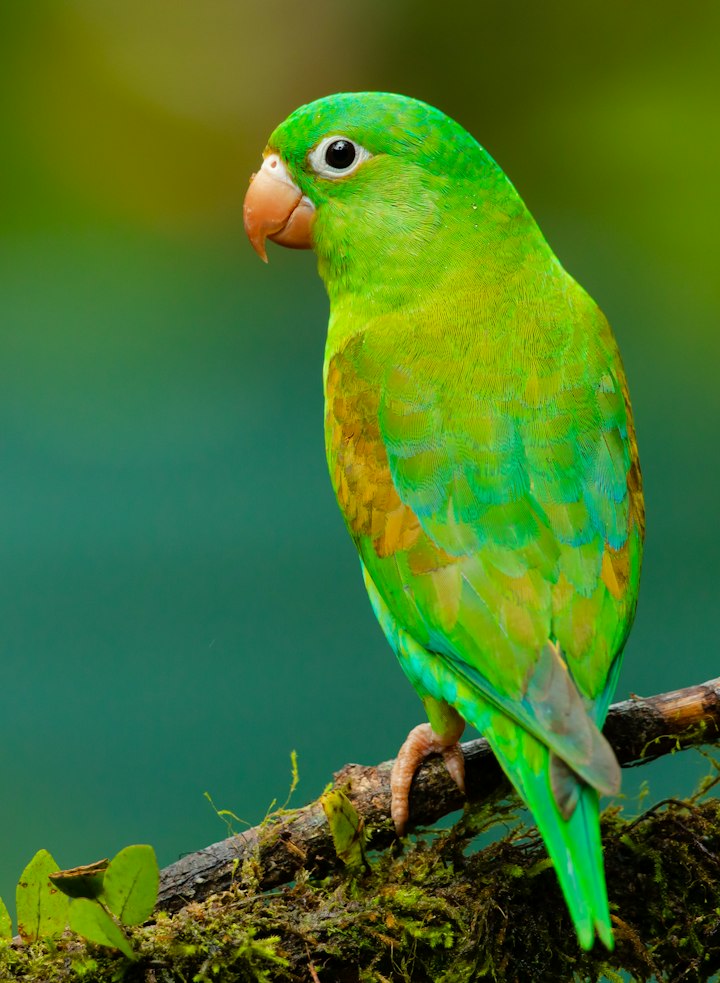
Akikiki: Hawaii's Vanishing Bird
The last wild honeycreeper faces extinction — and climate change is pulling the trigger
Fewer Than 45 Birds Left
The Akikiki (Oreomystis bairdi) is Kauai's rarest bird. Once counted in thousands, the wild population has collapsed to fewer than 45 individuals in 2026.
Climate Brings Malaria Higher
Warming temperatures are pushing malaria-carrying mosquitoes to higher elevations — the last refuge of Hawaiian honeycreepers. Birds evolved with zero immunity to the disease.
50+ Species Already Lost
Hawaii has lost more bird species than any state — over 50 endemic birds have gone extinct since Polynesian settlers arrived. Invasive species and habitat loss started the collapse.
Captive Breeding Gives Hope
The San Diego Zoo and Kauai Endangered Seabird Recovery Project have successfully bred 120+ Akikiki in captivity. A malaria-resistant population could be the key to survival.
Incompatible Insect Technique
Scientists are testing the Incompatible Insect Technique (IIT) — releasing bacteria-infected sterile mosquitoes to collapse wild populations in critical bird habitat across Kauai's highlands.
Canary in the Climate Coal Mine
Hawaii's bird crisis is a preview of what climate change will do to ecosystems globally. Pollinator loss, forest die-back, and invasive species pressure follow warming temperatures everywhere.
Every degree of warming we prevent saves species
The Akikiki's fate depends on stopping climate change. Support organizations fighting for Hawaii's native wildlife and reduce your own carbon footprint. The tools to measure your impact are free.
Measure Your Carbon Footprint
Our Scope 1, 2 & 3 Emissions Engine maps every emission source in your value chain – from direct combustion to purchased electricity to supply chain partners. GHG Protocol-aligned, IPCC AR6 factors. Calculate My Emissions ➔
EU Carbon Border Tax: Know Your Liability
CBAM certificates are mandatory for EU imports of steel, cement, aluminium, fertilisers and hydrogen. Our CBAM Tariff Calculator estimates your duty exposure instantly – before customs does. Check CBAM Liability ➔
Find Your Green Career
10 curated grants, fellowships & jobs in sustainability – from EPA Environmental Justice grants ($1M) to Bezos Earth Fund grants ($10M). SA-written eligibility guides included. Browse Opportunities ➔