Unprecedented Louisiana Wildfires: Evacuations and Burn Bans Amid Extreme Drought
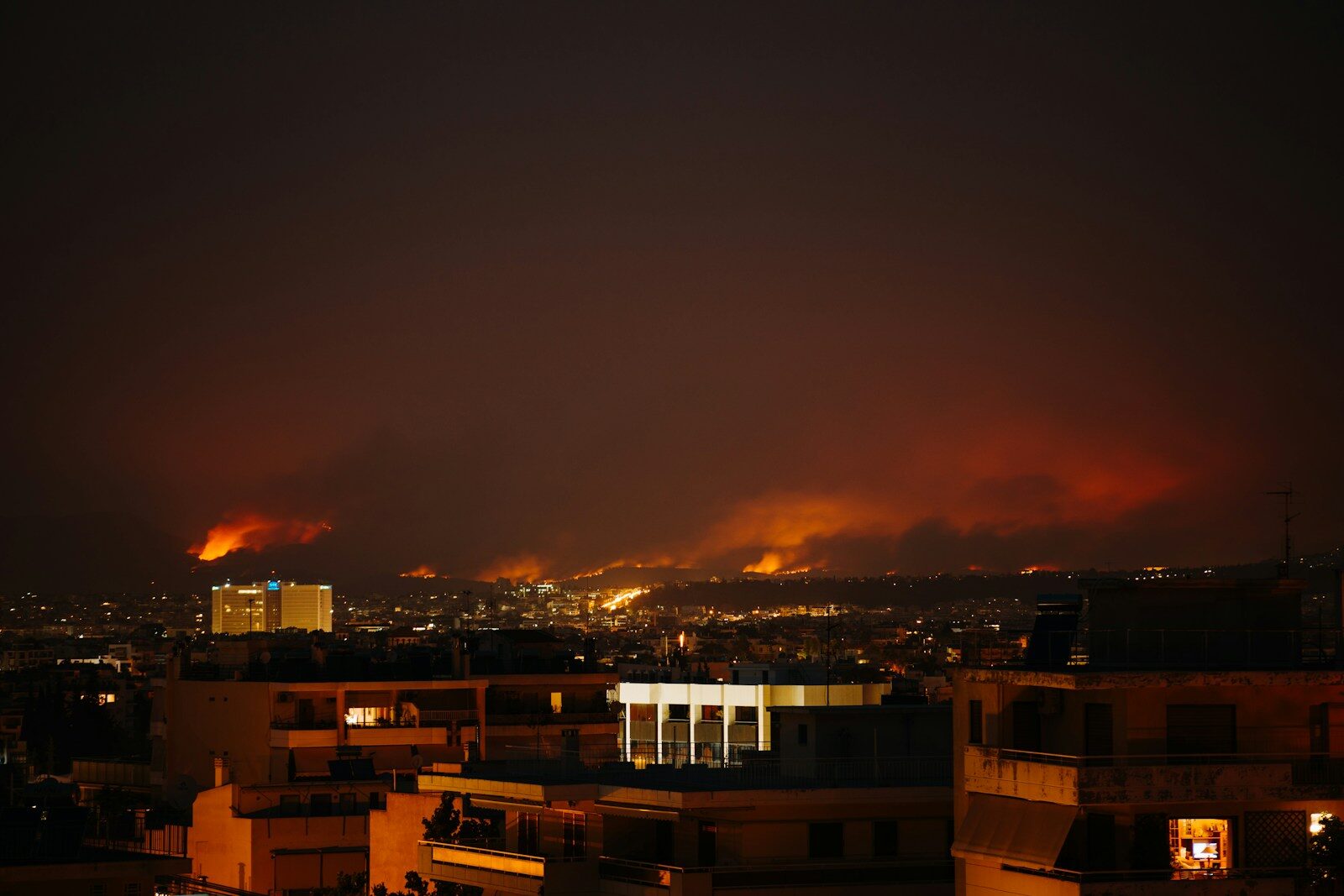
The summer of 2023 brought an unexpected and severe ecological crisis to the American South. The unprecedented Louisiana wildfires forced widespread evacuations and triggered strict statewide burn bans. Historically, this coastal region prepares for hurricanes and floods rather than raging infernos.
Therefore, this drastic shift in weather patterns requires immediate scientific analysis. The event highlights severe climate change impacts that are altering regional vulnerability. Consequently, understanding this crisis is essential for protecting vulnerable communities and fragile ecosystems.
This article explores the fundamental mechanisms driving these fires. Furthermore, it outlines the ecological consequences and proposes strategic solutions for better forest fire management. Ultimately, readers will gain actionable insights into navigating this new environmental reality.
Table of Contents
Key Concepts and Scientific Foundation of the Louisiana Wildfires
Understanding this unprecedented crisis requires a clear grasp of meteorological and ecological mechanisms. The scientific community closely monitored the drastic weather anomalies leading up to the disaster. Together, these factors created the perfect storm for combustion.
Definitions of Extreme Weather
Extreme drought conditions occur when a region experiences a prolonged and severe deficit in precipitation. This deficit drastically reduces soil moisture and dries out vegetation. Consequently, the local landscape transforms into highly combustible fuel.
Fire weather refers to specific atmospheric conditions that promote rapid fire spread. These conditions include high temperatures, low relative humidity, and strong, gusty winds. Therefore, when extreme drought meets fire weather, the risk of uncontrollable blazes skyrockets.
Mechanisms of Ignition and Spread
Fires require heat, oxygen, and fuel to sustain themselves. During the Louisiana wildfires, record-breaking triple-digit temperatures provided the necessary ambient heat. Additionally, the severe lack of rainfall eliminated the natural moisture barrier that usually protects southern pine forests.
Once ignited, these fires spread aggressively through the tree canopy. High winds carried embers miles ahead of the main fire line. Subsequently, these flying embers ignited new spot fires, which made containment incredibly difficult for first responders.
Causes Rooted in Climate Alterations
A persistent high-pressure system, often called a heat dome, trapped hot air over the region for weeks. This phenomenon prevented moisture from the Gulf of Mexico from forming rain clouds. As a result, the state experienced its hottest and driest summer on record.
Furthermore, past natural disasters contributed to the fuel load. Millions of trees blown down by previous hurricanes lay dead and drying on the forest floor. Consequently, this excess timber acted as massive kindling for the advancing flames.
Systems Involved in the Crisis
Forest fire management systems were pushed entirely beyond their operational limits. Local and state agencies lacked the specialized equipment required for massive, fast-moving canopy fires. Therefore, the state had to request emergency assistance from federal agencies and neighboring states.
Environmental and Economic Impacts
The sheer scale of the blazes generated catastrophic real-world outcomes. These impacts severely damaged both local ecosystems and regional economies. Indeed, the recovery process will take decades to complete.
Data on the Devastation
During the peak of the crisis, more than 60,000 acres burned across the state. The Tiger Island Fire alone consumed over 33,000 acres of land. Consequently, this single event accounted for more burned area than the state typically sees in an entire year.
Temperature records shattered across multiple parishes. Cities experienced consecutive days of temperatures exceeding 100 degrees Fahrenheit. Therefore, the statistical anomalies of this event are staggering to climatologists.
Ecological Consequences
The ecological damage from the Louisiana wildfires is profound and long-lasting. Critical habitats for native wildlife were completely incinerated within days. Furthermore, the intense heat sterilized the topsoil, which severely delays the natural regeneration of plant life.
Additionally, the blazes released massive amounts of stored carbon dioxide into the atmosphere. This release creates a dangerous feedback loop that accelerates global warming. Ultimately, the loss of these mature forests removes a vital carbon sink from the regional ecosystem.
Financial Implications
The financial toll on the timber industry is astronomical. Thousands of acres of commercial pine plantations were destroyed. As a result, local economies that rely heavily on logging and paper production face severe long-term economic depression.
Furthermore, the cost of emergency response efforts drained state budgets. Deploying aircraft, heavy machinery, and thousands of personnel required millions of dollars. Therefore, taxpayers will ultimately bear the financial burden of these suppression efforts.
Global and Regional Impacts
The regional impacts extended far beyond the burn scars. Thick plumes of smoke drifted hundreds of miles, which triggered severe air quality alerts across neighboring states. Consequently, vulnerable populations experienced a sharp increase in respiratory illnesses.
Real World Case Studies and Applications
Examining specific events provides a clear picture of the crisis on the ground. The response to these blazes forced local governments to adapt rapidly. Therefore, these case studies offer valuable lessons for future disaster preparedness.
Practical Examples of Displacement
The evacuation of Merryville stands as a stark practical example of the crisis. Over 1,000 residents were ordered to flee as the Tiger Island Fire rapidly approached the town limits. Consequently, emergency planners had to execute rapid evacuation protocols under extreme pressure.
Buses were deployed to transport residents who lacked personal vehicles. Furthermore, local nursing homes were evacuated to protect elderly citizens from the encroaching smoke and flames. Ultimately, this coordinated effort prevented mass casualties.
Policy Examples and Restrictions
In response to the escalating danger, the state government implemented absolute burn bans. The Louisiana Department of Agriculture and Forestry prohibited all agricultural burning. Similarly, the State Fire Marshal banned all private outdoor burning, including campfires and barbecue grills.
These strict policies aimed to eliminate human-caused ignitions. State officials actively issued citations to individuals who violated these emergency orders. Therefore, policy enforcement became a critical tool in preventing new outbreaks.
Technology and Innovation in Firefighting
First responders utilized advanced technology to combat the massive blazes. Helicopters and modified airplanes dropped millions of gallons of water directly onto the fire lines. Additionally, satellite imagery and Geographic Information Systems (GIS) helped commanders track the fire’s progression in real-time.
These technological tools allowed for precise resource allocation. Firefighters used bulldozers to cut extensive containment lines through the thick brush. Consequently, this heavy machinery proved essential in halting the fire’s forward momentum.
Geographic Examples of Vulnerability
Beauregard Parish became the epicenter of the unprecedented destruction. This heavily forested geographic area was particularly vulnerable due to its dense timber plantations. Furthermore, the rural nature of the parish meant that water resources for firefighting were incredibly scarce.
Challenges and Barriers in Forest Fire Management
Managing the Louisiana wildfires revealed significant systemic vulnerabilities. The state was simply not equipped for a disaster of this specific nature. Addressing these barriers is critical for future resilience.
Political Obstacles
Securing immediate federal funding often faces bureaucratic delays. While the state quickly declared an emergency, navigating the Federal Emergency Management Agency (FEMA) requirements takes time. Consequently, local municipalities had to front the initial costs of the disaster response.
Economic Barriers
Rural fire departments operate on severely limited budgets. They rely heavily on volunteer firefighters and aging equipment. Therefore, these small departments were quickly overwhelmed by the massive scale of the blazes.
Upgrading equipment to handle massive canopy fires requires immense capital investment. Most local governments cannot afford specialized aircraft or large fleets of wildland fire engines. Ultimately, economic constraints limit the physical capacity to fight these fires.
Technical Challenges
Water scarcity presented a massive technical challenge during the extreme drought conditions. Many local ponds and creeks had completely dried up. As a result, firefighters had to truck water in from distant locations, which drastically slowed down suppression efforts.
Furthermore, shifting wind patterns constantly altered the fire’s direction. This unpredictability made it dangerous for crews to attack the flames directly. Consequently, firefighters had to rely on defensive strategies rather than offensive containment.
Social Resistance
Despite the extreme danger, some residents resisted the strict burn bans. A lack of public awareness regarding the severity of the drought led to accidental ignitions. Therefore, overcoming public complacency is a major hurdle in preventing future disasters.
Solutions and Strategic Pathways
Adapting to this new climate reality requires proactive and evidence-based strategies. The state must transition from reactive emergency response to proactive hazard mitigation. Fortunately, several strategic pathways offer clear solutions.
Evidence-Based Solutions
Implementing prescribed burns during safer weather windows is a highly effective scientific solution. These controlled fires clear out the dead vegetation that fuels massive blazes. Furthermore, routine prescribed burning mimics natural ecological cycles and promotes a healthier, more resilient forest.
Additionally, state agencies must invest in advanced soil moisture tracking systems. Monitoring drought stress in vegetation allows officials to predict fire danger months in advance. Consequently, early warning systems can trigger preventive measures before a crisis erupts.
Policy Reform Ideas
Legislators must establish permanent funding streams for forest fire management. This funding should explicitly support the purchase of wildland firefighting equipment and specialized training for local crews. Moreover, building codes in vulnerable rural areas should be updated to mandate fire-resistant roofing and siding.
Statewide burn bans must be tied directly to scientific drought indexes. When ecological indicators reach critical thresholds, bans should automatically activate. Therefore, this removes political hesitation from emergency declarations.
Individual Action Steps
- Create a defensible space around your rural home by clearing dead brush and overhanging branches.
- Strictly obey all local and state burn bans without exception.
- Prepare a “go-bag” and establish clear evacuation protocols for your family.
- Support local volunteer fire departments through donations and community advocacy.
Industry Level Transformation
The timber industry must adapt its planting and harvesting practices. Creating wide firebreaks between large plantations can prevent a single fire from destroying tens of thousands of acres. Ultimately, diversifying the types of trees planted can also reduce overall forest flammability.
Frequently Asked Questions
What caused the unprecedented Louisiana wildfires?
The fires were primarily driven by a combination of record-breaking heat and extreme drought conditions. Additionally, high winds and an abundance of dead timber from past hurricanes provided the perfect fuel for the rapidly spreading blazes.
Why were the burn bans so strictly enforced?
Because the vegetation was completely devoid of moisture, any small spark could ignite a massive inferno. State officials enforced strict burn bans to eliminate all human-caused fires and preserve exhausted firefighting resources for existing blazes.
How did the extreme drought conditions affect firefighting efforts?
The drought dried up local water sources like ponds and creeks. Firefighters lacked the necessary water to extinguish the flames quickly, which forced them to transport water over long distances and rely heavily on aerial drops.
Will the Louisiana wildfires happen again?
Climate scientists warn that rising global temperatures will make extreme weather events more frequent. While the state is historically known for floods, residents must now prepare for prolonged dry spells and the increased risk of severe fire seasons.
Conclusion
The historic Louisiana wildfires served as a devastating wake-up call for the American South. The combination of extreme drought conditions, record heat, and abundant fuel created an unstoppable force of nature. Consequently, this crisis forced a rapid reevaluation of how the region handles environmental emergencies.
Effective forest fire management now requires proactive planning and substantial investment. By learning from these mass evacuations and enforcing strict burn bans, communities can better protect themselves. Furthermore, recognizing the undeniable climate change impacts driving these events is essential for long-term survival.
As weather patterns continue to shift, staying informed and prepared is your best defense. Review your local evacuation protocols today and support policies that prioritize proactive ecological management.