The Corporate Grip: Why US Farmers Can’t Escape Pesticide-Coated Seeds
Published on February 8, 2026 by Dr. A. M.
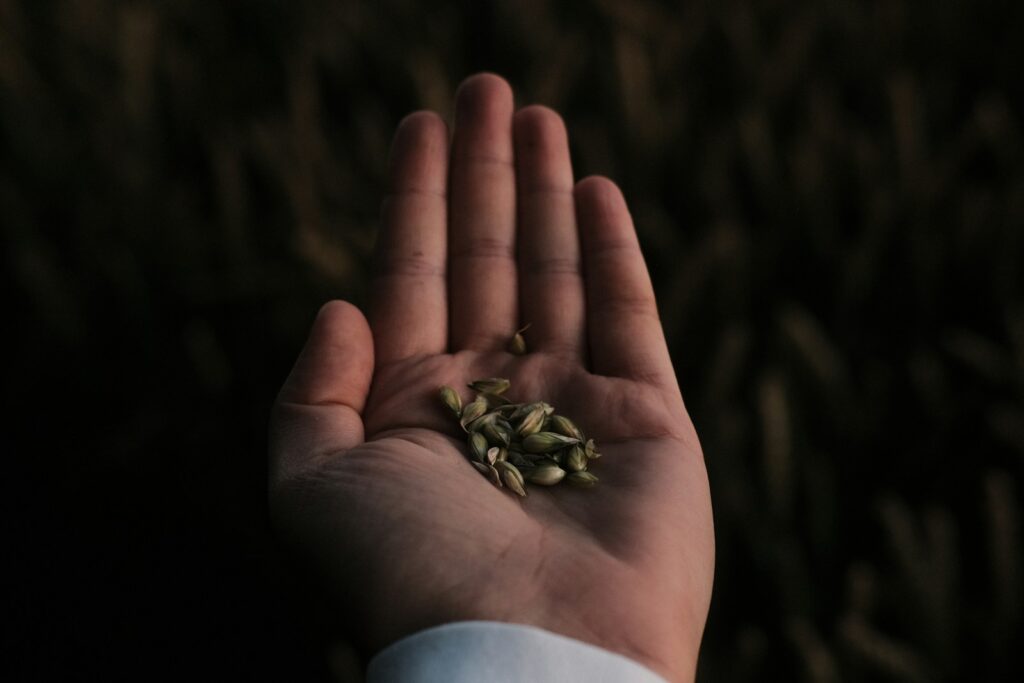
For decades, the American farmer stood as a symbol of independence. Today, however, that independence is fading under the weight of a highly consolidated seed industry. While the environmental toll of pesticide-coated seeds is well-documented, the economic “lock-in” of the farmers themselves is often overlooked.
1. The Illusion of Choice in the Seed Market
At first glance, seed catalogs seem to offer endless varieties. However, four massive global corporations now control over 60% of the world’s proprietary seeds. Because these companies also manufacture the pesticides used for coatings, they have a financial incentive to bundle them together.
Consequently, a farmer in the Midwest often finds it impossible to buy high-yielding corn or soybean seeds without a “pre-applied” chemical treatment. Therefore, the choice isn’t between treated or untreated; it is between using treated seeds or switching to lower-quality, older genetics.
2. The “Insurance” Marketing Trap
Chemical companies market seed coatings as a low-cost insurance policy. They tell farmers that these coatings protect against early-season pests that might appear in the soil.
However, independent research from universities like Penn State shows that these pests are rarely a threat in many regions. Despite this, the industry continues to sell the “insurance” as a standard requirement. Because the cost is bundled into the seed price, many farmers do not even realize how much they are paying for chemicals they may not need.
3. The Death of “Naked” Seeds
In the agricultural world, an untreated seed is known as a “naked seed.” Decades ago, these were the standard. Today, they are nearly extinct in commercial supply chains.
If a farmer wants to order untreated seeds to protect local bee populations, they often face significant hurdles. They might have to order months in advance, pay a premium, or sign waivers. In many cases, the local seed dealer simply does not stock them. This lack of availability forces even environmentally-conscious farmers to participate in the chemical cycle.
4. Patent Laws and Saving Seeds
Transitioning away from this system is made harder by strict patent laws. Most modern seeds are “utility patented,” which means farmers cannot save seeds from one harvest to plant the next year.
Since they must buy new seeds every year, they are permanently tethered to the corporate “technology packages.” These packages almost always include the latest neonicotinoid coatings. This legal framework ensures that the chemical application happens every single spring, regardless of the actual pest pressure on the farm.
5. The Hidden Economic Costs
While coatings are sold as “efficiency tools,” they can actually hurt a farmer’s bottom line. When seed treatments kill beneficial insects like ground beetles, the “bad” pests—like slugs—actually increase.
Since the natural predators are gone, the farmer must then spend more money on additional slug pellets or sprays. Therefore, the “low-cost insurance” of the seed coating often leads to a more expensive, high-input farming model that reduces the farmer’s final profit margin.
6. Moving Toward Integrated Pest Management (IPM)
The solution lies in returning to Integrated Pest Management (IPM). This system teaches farmers to scout their fields for bugs first. They only apply chemicals if a real threat exists.
However, IPM is difficult to practice when the pesticide is already on the seed before it even touches the dirt. To fix the system, we must decouple the seed from the chemical. We need policies that require companies to offer untreated versions of their best-performing seeds.

Summary Table: The Farmer’s Economic Barrier
| Barrier | How it Works | Impact on Farmer |
| Market Consolidation | 4 companies control the majority of supply. | Limited access to “naked” seeds. |
| Product Bundling | Pesticides are pre-applied to the best genetics. | Farmers must accept chemicals to get high yields. |
| Patent Restrictions | Farmers cannot save or breed their own seeds. | Total dependency on annual corporate purchases. |
| False Insurance | Coatings are sold as “standard protection.” | Increased costs for unnecessary chemicals. |