7 Shocking Truths: Brandy Hellville and the Dark Side of Fast Fashion
At the heart of the Brandy Hellville fast fashion phenomenon is the controversial “one size fits most” policy. From an ecological economics perspective, this is not merely a branding choice; it is a strategy to maximize manufacturing efficiency at the cost of consumer inclusivity and resource diversity.
By limiting production to a single sizing template, the brand simplifies its supply chain, reducing the Scope 3 emissions associated with complex inventory management. However, this efficiency fuels a culture of disposability. When garments are designed for a narrow demographic, they are more likely to be discarded as the consumer’s body or the fleeting trend changes. This cycle is a primary driver of the fashion industry’s massive carbon footprint.
The lifecycle of Brandy Hellville fast fashion items often ends thousands of miles away from the boutiques of Soho or Santa Monica. The documentary “Brandy Hellville & The Cult of Fast Fashion” highlights the staggering volume of clothing that ends up in places like the Kantamanto Market in Accra, Ghana.
The environmental impact of this waste is profound. When synthetic fibers—which make up the majority of fast fashion inventory—enter ecosystems, they do not biodegrade. Instead, they break down into microplastics, contaminating water sources and soil. This systemic failure highlights the urgent need for a Circular Economy in Fashion Reshaping Our Closet and Planet.
Industrial runoff remains a critical threat to global freshwater ecosystems.
Ecological Economics: Why Cheap Clothing is Expensive
The low price points of Brandy Hellville fast fashion are an illusion created by “externalizing” costs. In traditional economics, an externality is a cost or benefit not reflected in the final price of a product. For fast fashion, the “cost” is paid by the environment and underpaid labor forces.
Factor
Fast Fashion Model (Brandy Hellville)
Sustainable/Circular Model
Production Volume
High-speed, high-volume
Demand-driven, low-volume
Material Quality
Low-grade synthetics (polyester)
Organic or recycled fibers
Labor Ethics
Opaque supply chains
Transparent, fair-trade certified
End-of-Life
Landfill or incineration
Repair, resale, or textile recycling
Economic Goal
Short-term profit maximization
Long-term ecological balance
According to the United Nations Environment Programme, the fashion industry is responsible for 10% of annual global carbon emissions. This exceeds the emissions of all international flights and maritime shipping combined.
Unmasking the Greenwashing Narrative
As public pressure mounts, many brands attempt to pivot their image without changing their core extractive business models. This is often a form of corporate greenwashing.
In the case of Brandy Hellville fast fashion, the lack of transparent sustainability reporting makes it difficult for consumers to verify claims of ethical sourcing. When a brand promotes “natural” cotton while simultaneously driving a high-velocity turnover of inventory, the net impact remains negative. True sustainability requires a reduction in total output, a concept that stands in direct opposition to the fast fashion growth mandate.
Synthetic fibers are a major source of microplastic pollution in our oceans.
Psychological Scarcity and the Digital Feedback Loop
The Brandy Hellville fast fashion strategy relies heavily on “psychological scarcity.” By constantly rotating stock and utilizing “haul” culture on platforms like TikTok, the brand creates an artificial sense of urgency. This digital feedback loop encourages consumers to purchase items they do not need, further straining the planet’s finite resources.
This behavior is a symptom of a larger disconnection from the physical origins of our clothes. To bridge this gap, we must look at how Everyday Sustainability can be applied to our wardrobes. Choosing quality over quantity is not just a lifestyle preference; it is a necessary resistance against an extractive industrial complex.
Toward a Post-Fast Fashion Future
The critique of Brandy Hellville fast fashion is not just about one brand; it is an indictment of a system that prioritizes “newness” over planetary health. Transitioning to a sustainable model requires three systemic shifts:
Extended Producer Responsibility (EPR): Laws that hold brands accountable for the entire lifecycle of their products, including disposal.
Material Innovation: Moving away from petroleum-based synthetics and toward regenerative natural fibers.
Degrowth in Production: Acknowledging that we cannot have infinite growth on a finite planet.
Research published in Nature Reviews Earth & Environmentsuggests that the fashion industry must fundamentally change its business model to align with the 1.5°C pathway of the Paris Agreement.
The story of Brandy Melville serves as a cautionary tale. It reminds us that the “cool” aesthetic of today often carries the heavy ecological burden of tomorrow. By choosing to support the Circular Economy in Fashion, consumers can begin to dismantle the destructive legacy of the “Hellville” model and advocate for a system that respects both people and the planet.
Life Cycle Assessment: The Scientific Method for Measuring True Sustainability
Introduction
Evaluating the actual environmental impact of a product or service requires rigorous scientific methodology rather than marketing assumptions. Without standardized empirical measurement, corporate sustainability claims inevitably default to deceptive greenwashing. A life cycle assessment provides the necessary scientific framework to quantify ecological footprints accurately. This rigorous methodology tracks all material inputs, energy consumption, and environmental emissions from initial resource extraction through to final disposal.
Understanding this empirical process is absolutely critical for policymakers, responsible investors, and environmentally conscious consumers. Evaluating single environmental attributes, such as basic plastic recyclability, often ignores the massive energy consumption required during the manufacturing phase. Implementing a comprehensive life cycle assessment prevents these blind spots and drives authentic ecological innovation. The following analysis explores the scientific foundation, complex economic impacts, and practical applications of this indispensable sustainability tool.
Table of Contents
Key Concepts and Scientific Foundation
A comprehensive life cycle assessment operates on the foundational principle of complete environmental accounting. This scientific method explicitly prevents organizations from shifting environmental burdens from one stage of production to another phase.
Defining the Methodology and ISO 14040
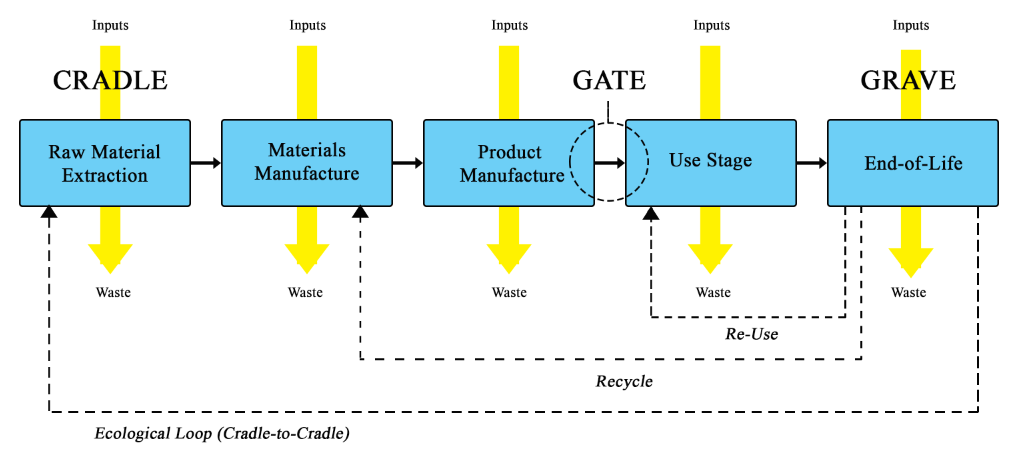
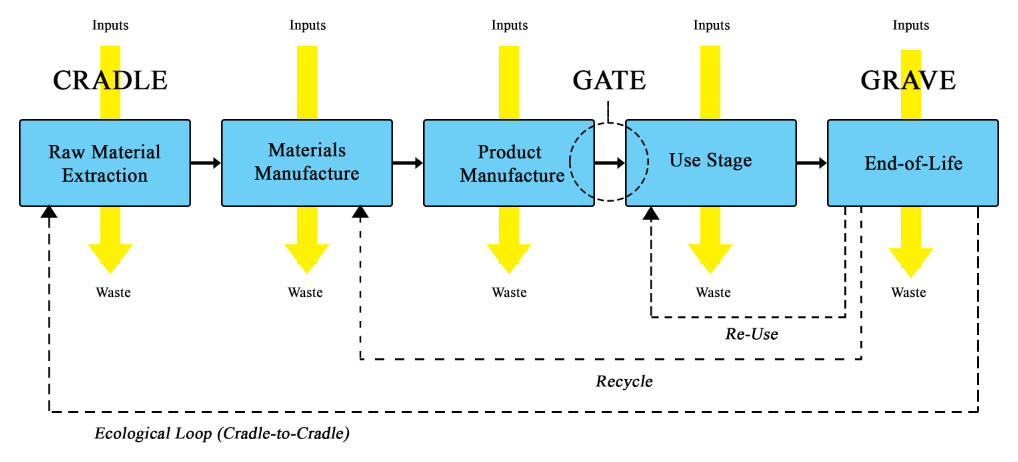
The International Organization for Standardization strictly outlines the specific framework for these evaluations under the ISO 14040 series. The assessment process requires defining highly precise system boundaries. These boundaries mathematically determine which specific industrial processes are included in the final analysis. A standard cradle to grave analysis encompasses raw material extraction, factory manufacturing, global distribution, consumer use, and end of life disposal. Alternatively, a cradle to cradle approach specifically models circular economy systems where waste materials perfectly become raw inputs for new products.
The Four Mechanisms of Evaluation
The methodology relies on four distinct, interconnected mechanisms. First, the goal and scope definition establishes the boundaries and the functional unit of the study. Second, the inventory analysis quantifies all energy inputs, freshwater usage, and chemical emissions released into the biosphere. Third, the impact assessment translates these raw data points into specific ecological consequences, such as global warming potential, stratospheric ozone depletion, or ocean acidification. Finally, the interpretation phase involves analyzing the resulting data to make informed, highly strategic design decisions.
Systems and Supply Chain Intersections
Executing a highly accurate life cycle assessment requires parsing complex global supply chain data. Analysts must track the specific electrical grids powering individual factories in different geopolitical regions. Furthermore, environmental engineers must calculate the precise fuel consumption of international maritime shipping routes. Consequently, this scientific method directly connects industrial engineering metrics to atmospheric and marine science data.
Environmental and Economic Impacts
Implementing rigorous environmental accounting generates profound ecological and financial consequences. The resulting data fundamentally alters how governments regulate heavy industries and how financial institutions allocate global capital.
Measurable Ecological Consequences
Accurate ecological accounting actively prevents well intentioned but ultimately destructive industrial design choices. Replacing lightweight plastic packaging with heavy glass containers can drastically increase greenhouse gas emissions due to transportation weight. A life cycle assessment immediately identifies these hidden ecological trade offs. Consequently, product designers can precisely target the specific supply chain stages responsible for the highest emissions and localized resource depletion.
Corporate Financial Implications
Optimizing product life cycles delivers substantial long term economic benefits. Identifying hidden energy inefficiencies directly reduces manufacturing overhead and transportation costs. Moreover, companies utilizing verified assessment data can easily comply with emerging carbon taxation policies. Institutional investors also heavily rely on this standardized data to accurately price climate risk within their massive global portfolios.
Global Market Standardization
Standardized environmental metrics actively create fair market competition. When government regulations mandate transparent reporting, companies can no longer compete using cheap, deceptive marketing tactics. Genuine sustainability leaders gain an immediate competitive advantage. Furthermore, regional governments use this precise data to establish baseline criteria for highly lucrative green public procurement contracts.
Real World Case Studies and Applications
Practical applications of this scientific method consistently reveal surprising insights across major global industries. Evidence based analysis frequently contradicts popular consumer assumptions regarding true sustainability.
Electric Vehicle Battery Production
The transition to global electrification heavily relies on life cycle assessment data. Critics frequently argue that electric vehicle manufacturing generates more initial carbon pollution than producing standard internal combustion engine vehicles. Rigorous assessments confirm that lithium ion battery manufacturing is indeed highly energy intensive. However, the exact data proves that over the total operational lifespan of the vehicle, electric cars generate significantly fewer absolute emissions, especially when charged via renewable energy grids.
Modern Agricultural Systems
Global food production systems are prime candidates for this type of rigorous evaluation. Assessments comparing industrial beef production to plant based protein alternatives reveal massive, systemic disparities. The data highlights extreme differences in land use footprint, freshwater consumption, and atmospheric methane emissions. Policymakers directly use this data to design national agricultural subsidies that financially incentivize lower impact farming techniques.
Sustainable Packaging Innovations
The fast moving consumer goods sector actively applies this methodology to packaging design. A prominent global beverage company recently utilized a life cycle assessment to compare aluminum cans, glass bottles, and recycled plastics. The scientific data revealed that transportation distances and regional recycling infrastructure drastically altered the most sustainable choice. As a result, the corporation optimized its packaging materials based on specific geographic markets rather than forcing a universal standard.
Challenges and Barriers
Despite its absolute scientific rigor, the widespread global adoption of comprehensive environmental accounting faces several significant structural and technical hurdles.
Technical Data Gaps
The primary technical challenge involves securing highly accurate primary data. Opaque global supply chains constantly obscure the exact geographical origin of raw materials. Consequently, analysts often must rely on secondary industry averages. This heavy reliance on proxy data can introduce significant margins of error into the final impact assessment.
System Boundary Manipulation
Organizations can subtly exploit system boundaries to artificially improve their environmental results. A manufacturing company might completely exclude the consumer use phase of a high energy appliance to present a vastly lower overall carbon footprint. This specific manipulation represents a highly sophisticated form of corporate greenwashing that requires expert third party auditing to detect and penalize.
Economic and Resource Barriers
Conducting a thoroughly verified life cycle assessment is highly expensive and tremendously time consuming. Small and medium enterprises frequently lack the required financial resources or specialized scientific personnel needed to execute these complex studies. Therefore, high cost barriers actively prevent widespread data standardization across smaller manufacturing sectors.
Solutions and Strategic Pathways
Accelerating the global adoption of rigorous environmental measurement requires heavily coordinated action to improve data access and strictly enforce corporate transparency.
Strict Policy Reform and Mandates
Governments must legally mandate Environmental Product Declarations for all heavy industries, including construction and textile manufacturing. These declarations are standardized public documents based directly on life cycle assessment data. The European Union is currently leading this critical transition by actively integrating these requirements into the sweeping Ecodesign for Sustainable Products Regulation.
Open Source Data Integration
Democratizing immediate access to complex supply chain data is totally essential for widespread corporate adoption. Scientific communities and federal governments should rapidly fund robust, open source environmental databases. Providing free, highly accurate inventory data drastically lowers the financial barrier for smaller companies attempting to evaluate their own physical products.
Industry Transformation via Artificial Intelligence
The rapid integration of artificial intelligence is completely transforming the assessment process. Machine learning algorithms can rapidly process massive global supply chain datasets to identify missing variables and optimize raw material choices in real time. Industry leaders must aggressively invest in these advanced technologies to transition from static annual reports to dynamic, continuous environmental monitoring.
Frequently Asked Questions
What is the main purpose of a life cycle assessment?
The primary purpose is to scientifically quantify the total environmental impacts of a product or service across its entire lifespan. This ensures that organizations make data driven decisions to actively reduce resource consumption without simply shifting the ecological damage to another stage of production.
What are the main phases of a life cycle assessment?
The standard phases outlined by ISO 14040 include goal and scope definition, inventory analysis, impact assessment, and final interpretation. These distinct phases provide a highly consistent scientific framework for measuring extremely complex environmental interactions.
How does a life cycle assessment prevent greenwashing?
It actively prevents greenwashing by requiring comprehensive supply chain data rather than isolated marketing claims. If a company claims a product is sustainable simply because it uses recycled plastic, the assessment will strictly verify if the energy used to recycle that plastic actually offsets the claimed environmental benefits.
Why is cradle to grave different from cradle to cradle?
A cradle to grave analysis evaluates a product from raw material extraction straight through to final disposal in a landfill. A cradle to cradle analysis focuses strictly on circular economy principles, ensuring products are designed so their end of life materials perfectly become raw inputs for new manufacturing cycles.
Conclusion
Transitioning to a truly resilient global economy unequivocally requires replacing vague marketing narratives with rigorous scientific measurement. A comprehensive life cycle assessment provides the definitive analytical framework for understanding exactly how human production systems interact with the natural world. By systematically tracking resource extraction, atmospheric emissions, and physical waste, this standardized methodology exposes hidden inefficiencies and highlights genuine pathways for planetary ecological restoration.
Overcoming the existing technical and economic barriers to widespread adoption requires decisive regulatory mandates and heavy investments in open source data infrastructure. Policymakers, industry leaders, and educated consumers must universally demand empirical evidence over superficial environmental claims. Ultimately, mandating transparent environmental accounting via life cycle assessment is an absolutely essential step toward preserving planetary boundaries and ensuring highly sustainable industrial design.
Life Cycle Assessments Explained: The Scientific Method for Measuring True Sustainability
Introduction
Evaluating the true environmental impact of a product requires rigorous scientific methodology. Without standardized measurement, corporate sustainability claims often default to deceptive marketing. A life cycle assessment provides the necessary empirical framework to quantify ecological footprints accurately. This methodology tracks material inputs and emissions from resource extraction through final disposal.
Understanding this process is critical for policymakers, investors, and environmentally conscious consumers. Evaluating single attributes like recyclability often ignores massive energy consumption during manufacturing. Therefore, implementing comprehensive assessments prevents greenwashing and drives authentic ecological innovation. The following analysis explores the scientific foundation, economic impacts, and practical applications of this critical sustainability tool.
Table of Contents
Key Concepts and Scientific Foundation
A life cycle assessment operates on the principle of comprehensive environmental accounting. It prevents organizations from shifting environmental burdens from one stage of production to another.
Defining the Methodology
The International Organization for Standardization outlines the specific framework for these evaluations under ISO 14040. The process requires defining precise system boundaries. These boundaries determine which processes are included in the analysis. A “cradle-to-grave” analysis encompasses raw material extraction, manufacturing, distribution, consumer use, and end-of-life disposal. Alternatively, a “cradle-to-cradle” approach specifically models systems where waste materials become inputs for new products.
Mechanisms of Evaluation
The methodology relies on four distinct mechanisms. First, goal and scope definition establishes the boundaries and functional units of the study. Second, inventory analysis quantifies all energy inputs, water usage, and chemical emissions. Third, impact assessment translates these raw data points into specific ecological consequences like global warming potential or ocean acidification. Finally, interpretation involves analyzing the results to make informed, data-driven decisions.
Systems and Data Intersections
Executing a life cycle assessment requires complex global supply chain data. Analysts must track the electrical grids powering factories in different countries. Furthermore, they must calculate the precise fuel consumption of international shipping routes. Consequently, this scientific method connects industrial engineering metrics directly to atmospheric and marine science data.
Environmental and Economic Impacts
Implementing rigorous environmental accounting generates profound ecological and financial consequences. The data fundamentally alters how governments regulate industries and how corporations allocate capital.
Ecological Consequences
Accurate ecological accounting prevents well-intentioned but destructive design choices. For example, replacing plastic packaging with heavy glass can drastically increase greenhouse gas emissions due to transportation weight. A life cycle assessment identifies these hidden ecological trade-offs. Consequently, designers can target the specific supply chain stages responsible for the highest emissions and resource depletion.
Financial Implications
Optimizing product life cycles delivers substantial economic benefits. Identifying energy inefficiencies directly reduces manufacturing and transportation costs. Moreover, companies utilizing verified data can easily comply with emerging carbon taxation policies. Investors also rely on this data to accurately price climate risk within their portfolios.
Global Market Standardization
Standardized environmental metrics create fair market competition. When regulations mandate transparent reporting, companies can no longer compete using deceptive greenwashing tactics. Genuine sustainability leaders gain a competitive advantage. Furthermore, regional governments use this data to establish baseline criteria for green public procurement contracts.
Real World Case Studies and Applications
Practical applications of this scientific method reveal surprising insights across major global industries. Evidence-based analysis frequently contradicts popular consumer assumptions.
Electric Vehicle Battery Production
The automotive transition heavily relies on life cycle assessment data. Critics frequently argue that electric vehicle manufacturing generates more carbon than producing internal combustion engine vehicles. Rigorous assessments confirm that battery manufacturing is highly energy-intensive. However, the data proves that over the total lifespan of the vehicle, electric cars generate significantly fewer absolute emissions, especially when charged via renewable grids.
Agricultural Systems and Diet
Food production systems are prime candidates for this type of evaluation. Assessments comparing beef production to plant-based protein alternatives reveal massive disparities in land use, water consumption, and methane emissions. Policymakers use this data to design agricultural subsidies that incentivize lower-impact farming techniques.
Sustainable Packaging Innovations
The consumer goods sector actively applies this methodology to packaging design. A prominent beverage company recently utilized an assessment to compare aluminum cans, glass bottles, and recycled plastics. The scientific data revealed that transportation distances and regional recycling infrastructure drastically altered the most sustainable choice. As a result, the company optimized its packaging materials based on specific geographic markets rather than a universal standard.
Challenges and Barriers
Despite its scientific rigor, widespread adoption of comprehensive environmental accounting faces significant structural and technical hurdles.
Technical Data Gaps
The primary technical challenge involves securing accurate primary data. Opaque global supply chains often obscure the exact origin of raw materials. Consequently, analysts must rely on secondary industry averages. This reliance on proxy data can introduce significant margins of error into the final impact assessment.
Boundary Manipulation
Organizations can exploit system boundaries to artificially improve their results. A company might exclude the consumer use phase of a high-energy appliance to present a lower overall carbon footprint. This manipulation represents a sophisticated form of corporate greenwashing that requires expert auditing to detect.
Economic and Resource Barriers
Conducting a thorough life cycle assessment is expensive and highly time-consuming. Small and medium enterprises frequently lack the financial resources or specialized personnel required to execute these studies. Therefore, cost barriers prevent widespread standardization across smaller manufacturing sectors.
Solutions and Strategic Pathways
Accelerating the adoption of rigorous environmental measurement requires coordinated action to improve data access and enforce transparency.
Policy Reform and Mandates
Governments must mandate Environmental Product Declarations for heavy industries like construction and manufacturing. These declarations are standardized documents based directly on life cycle assessment data. The European Union is currently leading this transition by integrating these requirements into the Ecodesign for Sustainable Products Regulation.
Open Source Data Integration
Democratizing access to supply chain data is essential for widespread adoption. Scientific communities and governments should fund robust, open-source environmental databases. Providing free, high-quality inventory data drastically lowers the financial barrier for smaller companies to evaluate their own products.
Industry Transformation and AI
The integration of artificial intelligence is transforming the assessment process. Machine learning algorithms can rapidly process massive supply chain datasets to identify missing variables and optimize material choices in real time. Industry leaders must invest in these technologies to transition from static reports to dynamic, continuous environmental monitoring.
Frequently Asked Questions
What is the main purpose of a life cycle assessment?
The primary purpose is to scientifically quantify the total environmental impacts of a product, process, or service across its entire lifespan. This ensures that organizations make data-driven decisions to reduce resource consumption and pollution without simply shifting the damage to another stage of production.
What are the 4 main phases of a life cycle assessment?
The four standardized phases outlined by ISO 14040 are goal and scope definition, inventory analysis, impact assessment, and interpretation. These phases provide a consistent scientific framework for measuring complex environmental interactions.
How does a life cycle assessment prevent greenwashing?
It prevents greenwashing by requiring comprehensive data rather than isolated marketing claims. If a company claims a product is sustainable because it uses recycled plastic, the assessment will verify if the energy used to recycle that plastic actually offsets the benefits.
Why is cradle-to-grave different from cradle-to-cradle?
Cradle-to-grave evaluates a product from raw material extraction through to final disposal in a landfill. Cradle-to-cradle focuses on circular economy principles, designing products so that at the end of their useful life, their materials can be fully recycled or composted to create new products.
Conclusion
Transitioning to a resilient global economy requires replacing marketing narratives with rigorous scientific measurement. A life cycle assessment provides the definitive framework for understanding how human production systems interact with the natural world. By systematically tracking resource extraction, emissions, and waste, this methodology exposes inefficiencies and highlights genuine pathways for ecological restoration.
Overcoming the technical and economic barriers to widespread adoption requires decisive regulatory mandates and investments in open-source data infrastructure. Policymakers, industry leaders, and consumers must demand empirical evidence over superficial environmental claims. Ultimately, mandating transparent environmental accounting is an essential step toward preserving planetary boundaries and ensuring sustainable industrial design.
Unmasking Corporate Greenwashing: Impacts, Examples, and Strategic Solutions
Introduction
Corporate greenwashing occurs when organizations invest more resources into marketing themselves as environmentally friendly than into minimizing their actual environmental impact. This deceptive practice undermines genuine climate action and misleads well-intentioned stakeholders. Recognizing corporate greenwashing is essential for eco-conscious consumers, responsible investors, and rigorous policymakers. It distorts market realities and delays the critical transition to a sustainable global economy.
Consequently, distinguishing between authentic sustainability initiatives and superficial marketing claims has become a major challenge. The increasing demand for sustainable products has created a financial incentive for companies to exaggerate their ecological credentials. Therefore, understanding the underlying mechanisms of this phenomenon is vital for driving real systemic change. The following analysis examines the scientific foundation, economic impacts, and actionable solutions to combat deceptive environmental claims.
Table of Contents
Key Concepts and Scientific Foundation
Understanding corporate greenwashing requires an examination of how marketing strategies intersect with environmental science. Fundamentally, it involves the dissemination of misleading information to present a falsely positive public image regarding environmental responsibility.
The Mechanisms of Deception
Companies utilize several specific tactics to mislead the public. First, they often use vague terminology like “eco-friendly” or “natural” without providing scientific definitions or verifiable data. Second, they highlight minor environmental improvements while ignoring significant ecological damage caused by their core operations. Furthermore, some organizations create fake eco-labels that lack rigorous third-party verification.
ESG Greenwashing
Environmental, Social, and Governance criteria have become central to modern investment strategies. However, the rise of ESG frameworks has unfortunately led to widespread ESG greenwashing. Financial institutions and corporations frequently manipulate ESG reporting to appear more responsible than their operational realities suggest. As a result, investors unknowingly funnel capital into environmentally destructive enterprises.
Systems Involved
This issue spans multiple global systems. Marketing departments, legal teams, and public relations firms collaborate to craft these deceptive narratives. Simultaneously, regulatory bodies often lack the scientific expertise or legislative authority to effectively monitor and penalize these actions. Therefore, a comprehensive understanding of both corporate communication systems and environmental metrics is necessary to identify these deceptive practices.
Environmental and Economic Impacts
The consequences of corporate greenwashing extend far beyond consumer deception. It generates profound ecological and economic repercussions on a global scale.
Ecological Consequences
When companies falsely claim to reduce emissions, global carbon accounting becomes highly inaccurate. Consequently, actual greenhouse gas concentrations continue to rise while public reports suggest progress. Furthermore, deceptive claims regarding plastic recyclability lead to increased pollution in marine and terrestrial ecosystems. The illusion of sustainability prevents the urgent implementation of scientifically backed ecological interventions.
Financial Implications
Deceptive environmental claims also create severe financial risks. Investors relying on flawed ESG data allocate trillions of dollars inefficiently. Moreover, when regulatory agencies eventually expose greenwashing companies, these organizations face massive financial penalties and severe stock price devaluation. Therefore, corporate greenwashing represents a significant systemic risk to global financial stability.
Global Market Distortion
False environmental marketing heavily distorts market competition. Companies genuinely investing in sustainable materials and low-carbon technologies struggle to compete with entities that simply pay for misleading advertising campaigns. As a result, the transition to a legitimate circular economy is significantly delayed.
Real World Case Studies and Applications
Examining practical examples provides critical insights into how these deceptive practices operate across different industries. Recent search data indicates rising public scrutiny toward specific sectors and corporations.
Fossil Fuel Misdirection
Fossil fuel companies frequently engage in sophisticated misdirection. Shell greenwashing allegations provide a prominent example. The company has heavily promoted its investments in renewable energy. However, actual financial disclosures reveal that the vast majority of its capital expenditure remains strictly allocated to fossil fuel extraction. This highlights the severe disconnect between public relations and operational reality.
Retail and E-Commerce
Amazon greenwashing claims have also faced intense public scrutiny. While the company heavily promotes its “Climate Pledge,” critics point to rapidly increasing absolute carbon emissions driven by its massive logistics network. Furthermore, the promotion of supposedly sustainable packaging often obscures the immense waste generated by rapid delivery models.
Greenwashing in Fashion
The fast fashion industry is notorious for environmental deception. Greenwashing in fashion frequently involves launching small “conscious” clothing lines while the company continues to mass-produce synthetic garments. Brands like Shein and H&M have faced heavy criticism for promoting recycling initiatives that address only a fraction of their total textile waste. Consequently, these campaigns distract from the inherent unsustainability of the fast fashion business model.
Automotive Industry Violations
The automotive sector provides some of the most severe historical examples. Volkswagen greenwashing became globally recognized during the “Dieselgate” scandal. The manufacturer installed software to cheat emissions tests while simultaneously marketing their vehicles as clean diesel. This case demonstrates how corporate deception can involve direct technological manipulation rather than just misleading advertising.
Challenges and Barriers
Eradicating deceptive environmental claims requires overcoming significant structural and political obstacles.
Regulatory and Political Obstacles
Governments face significant challenges in creating standardized environmental definitions. Lobbying by heavily polluting industries frequently waters down proposed regulations. Furthermore, different jurisdictions use contradictory standards for environmental reporting. Therefore, multinational corporations easily exploit these regulatory gaps.
Technical Challenges in Auditing
Verifying environmental claims requires complex life-cycle assessments. Tracing raw materials through opaque global supply chains is technically difficult and highly expensive. Moreover, many carbon offset programs lack scientific rigor, making it difficult for auditors to verify actual carbon sequestration.
Economic and Consumer Barriers
Consumers generally lack the time and scientific training to verify complex ecological claims. In addition, genuinely sustainable products often carry a price premium. Consequently, consumers are easily swayed by cheap products disguised with deceptive green marketing.
Solutions and Strategic Pathways
Addressing corporate greenwashing requires coordinated action across policy, industry, and individual levels. Evidence-based solutions are essential for establishing market transparency.
Policy Reform and Strict Regulation
Governments must implement legally binding definitions for environmental marketing terms. Regulatory agencies need the authority to issue severe financial penalties for unverified claims. Furthermore, the implementation of a standardized global greenwashing index would help regulators quantitatively track and penalize repeat offenders. Mandating comprehensive scope 3 emissions reporting is also a critical legislative step.
Industry Level Transformation
Corporations must transition from marketing-led sustainability to science-based target initiatives. Genuine corporate responsibility requires complete transparency regarding both successes and failures. In addition, companies should subject their environmental data to rigorous, independent third-party scientific auditing.
Consumer and Investor Action
Individual consumers must cultivate a healthy skepticism toward unsubstantiated eco-friendly claims. Searching for verified certifications from established environmental bodies is a practical defensive strategy. Similarly, institutional investors must demand standardized, verifiable ESG data before allocating capital to supposedly green funds.
Frequently Asked Questions
What is the definition of corporate greenwashing?
Corporate greenwashing is the practice of an organization spending more time and money marketing itself as environmentally friendly than actually minimizing its environmental impact. It involves using deceptive marketing to falsely persuade the public that an organization’s products, aims, or policies are environmentally responsible.
How can consumers spot greenwashing products?
Consumers can spot deceptive claims by looking for vague language like “all-natural” or “eco-friendly” that lacks specific evidence. Additionally, checking for recognized, independent third-party certifications helps verify a product’s actual environmental impact.
Why is ESG greenwashing considered a financial risk?
ESG greenwashing misleads investors into funding companies that carry hidden environmental liabilities. When regulators expose these deceptive practices, the resulting fines, lawsuits, and brand damage can severely negatively impact the company’s stock value and investor returns.
What is an example of greenwashing in fashion?
A common example is a fast fashion brand launching a highly publicized “sustainable” collection made from recycled plastics. Meanwhile, the brand continues to produce millions of garments using highly polluting manufacturing processes and exploitative labor practices, offsetting any minor positive impact.
Conclusion
The proliferation of corporate greenwashing poses a severe threat to global environmental stability. By prioritizing marketing over measurable ecological improvements, companies distort the market and delay necessary climate action. Understanding the mechanisms behind these deceptive claims empowers stakeholders to demand rigorous accountability.
Transitioning to a genuinely sustainable global economy requires strict regulatory frameworks, transparent supply chains, and scientifically verified data. Ultimately, combating corporate greenwashing is not merely a marketing challenge; it is a fundamental necessity for planetary survival. Policymakers, investors, and consumers must actively prioritize scientifically validated environmental action over superficial corporate rhetoric.
Earth Day 2024: Navigating the Global Shift Toward a Plastic-Free Future
The arrival of Earth Day 2024 signifies more than an annual celebration; it represents a critical juncture in the global effort to confront the plastic crisis. This year, the international community has shifted its focus toward a singular, ambitious goal: achieving a 60% reduction in plastic production by 2040. Under the banner of “Planet vs. Plastics,” the movement highlights the systemic danger that synthetic polymers pose to human health and ecological stability.
The urgency of Earth Day 2024 is rooted in scientific reality. From microplastics in the human bloodstream to the staggering 380 million tons of plastic produced annually, the scale of the challenge is unprecedented. This article examines the scientific foundations of the plastic crisis, the economic shifts required for a circular economy, and the strategic pathways being paved by international policy.
Table of Contents
Scientific Foundation: The Biological Cost of Plastic
The theme of Earth Day 2024 is supported by a growing body of evidence regarding the “human health” implications of plastic. Unlike organic waste, plastics do not biodegrade; they fragment into microplastics and nanoplastics. These particles act as vectors for endocrine-disrupting chemicals and heavy metals, which have now been detected in human organs and breast milk.
The environmental mechanism is equally devastating. Plastic leakage into the environment is projected to increase by 50% by 2040 if current production remains unchecked. These materials suffocate marine life and disrupt carbon sequestration processes in the ocean, effectively linking the plastic crisis to the broader climate emergency.
Environmental and Economic Impacts
The financial implications of plastic pollution extend far beyond cleanup costs. Environmental degradation caused by plastics results in health-related economic losses exceeding $1.5 trillion annually. When factoring in damage to tourism, fisheries, and carbon sinks, the cumulative cost could reach $281 trillion by 2040.
Ecologically, the fashion industry remains a primary contributor. Approximately 70% of modern clothing is derived from crude oil. During washing, these garments release millions of microfibers into the water supply. Furthermore, 85% of textiles end up in landfills, where they persist for centuries, leaching toxins into the soil and groundwater.
Real World Case Studies and Applications
Innovative responses to the plastic crisis are emerging globally, aligning with the objectives of Earth Day 2024. In Indonesia, the “Wildlife Ecotourism” project demonstrates how community-led conservation can reduce waste while boosting local prosperity. By involving customary peoples in the management of national parks, the initiative ensures that environmental protection produces tangible economic value.
Technological breakthroughs are also scaling. Researchers at the University of Texas have utilized machine learning to engineer enzymes capable of breaking down PET plastics in 24 hours. Meanwhile, companies are adopting “Circular ERP” systems to track and manage reusable containers, proving that digital transformation is essential for a zero-waste supply chain.
“We will not recycle our way out of the plastic pollution crisis; we need a systemic transformation to a circular economy.” — Inger Andersen, UNEP Executive Director.
Challenges and Barriers to Progress
Despite the momentum of Earth Day 2024, significant obstacles remain. The petrochemical industry continues to invest in virgin plastic production, often locating facilities in vulnerable communities, which exacerbates social injustice.
Politically, the Global Plastics Treaty negotiations have faced delays. Disagreements between nations regarding mandatory reduction targets for plastic polymers have slowed the consensus required for a legally binding instrument. Additionally, the prevalence of “downcycling”—where plastic is turned into inferior products rather than new bottles—fails to diminish the overall demand for new plastic.
Solutions and Strategic Pathways
To move beyond awareness, Earth Day 2024 advocates for concrete policy and industry-level shifts:
Extended Producer Responsibility (EPR): Mandating that manufacturers fund the entire life cycle of their products, incentivizing durable and recyclable design.
The 60×40 Goal: A global commitment to reduce plastic production by 60% by the year 2040 to protect human and planetary health.
Phasing Out Fast Fashion: Transitioning the textile industry toward natural fibers like hemp, linen, and organic cotton to eliminate microfiber shedding.
Infrastructure Investment: Scaling AI-powered waste sorting and advanced recycling technologies to improve recovery rates.
Frequently Asked Questions
What is the theme of Earth Day 2024?
The theme is “Planet vs. Plastics,” focusing on the health risks of plastic pollution and the urgent need to phase out single-use plastics globally.
Why is Earth Day 2024 focusing on plastics?
Research shows that plastics are a grave danger to human health, with microplastics now found in human blood and organs. Reducing production is essential to stop this biological contamination.
How can individuals contribute to the Earth Day 2024 goals?
Individuals can reduce their footprint by avoiding single-use plastics, choosing sustainable fashion brands, and supporting legislation like the Global Plastics Treaty.
Conclusion
The legacy of Earth Day 2024 will be defined by our ability to transition from “recycling” to “redesigning.” By addressing the full life cycle of materials—from production to disposal—we can protect our ecosystems and our health. The shift toward a circular economy is no longer just an environmental preference; it is a strategic necessity for global resilience.
Take action today by auditing your plastic consumption and advocating for corporate accountability in your community.
Sustainable Coronation Regalia: Redefining Royal Tradition Through Circularity
The coronation of King Charles III marked a significant departure from historical excess, signaling a new era for the British Monarchy. By prioritizing sustainable coronation regalia, the ceremony served as a global case study in how heritage institutions can adapt to modern environmental imperatives. This shift was not merely aesthetic but a calculated move to align a 1,000-year-old ritual with the urgent demands of the 21st-century climate crisis.
For decades, King Charles III has been a vocal advocate for organic farming, biodiversity, and the circular economy. His coronation provided the ultimate platform to demonstrate these values. Instead of commissioning entirely new sets of vestments, the King opted to reuse and conserve historic pieces, effectively reducing the carbon footprint of the event while championing the “reuse and recycle” philosophy.
The Scientific Foundation of Sustainable Regalia
The concept of sustainable coronation regalia is rooted in the principles of life cycle assessment (LCA) and the circular economy. Traditional garment production, particularly for ceremonial attire involving gold thread, silk, and rare furs, carries a heavy environmental load. The extraction of precious metals and the intensive water usage required for high-grade silk production contribute significantly to ecological degradation.
By choosing to reuse vestments, the Royal Household avoided the “embodied energy” costs associated with new manufacturing. Embodied energy refers to the total energy consumed during the extraction, processing, and transportation of raw materials. In the context of royal textiles, this also includes the reduction of chemical runoff from modern dyeing processes and the preservation of natural resources like water and soil.
Environmental and Economic Impacts of the Sustainable Approach
The decision to utilize existing assets reflects a sophisticated understanding of resource management. From an ecological perspective, the reuse of the Supertunica and the Imperial Mantle—both made of gold silk—prevents the demand for new mining and metallurgical processing. These historic items are effectively “carbon sinks” of craftsmanship, holding value for centuries without requiring further environmental extraction.
Economically, this approach challenges the “fast fashion” mentality that has permeated even luxury sectors. By opting for conservation over new procurement, the ceremony highlighted the financial and cultural value of durability. Data from the textile industry suggests that extending the life of a garment by just nine months can reduce its carbon, water, and waste footprints by 20% to 30%. In the case of regalia being reused for over 200 years, the environmental savings are exponential.
Real World Case Studies in Royal Circularity
The 2023 ceremony showcased several specific examples of sustainable coronation regalia in action. Each piece carried historical weight while serving as a modern emblem of conservation:
The Colobium Sindonis: A simple white linen tunic symbolizing humility. The King chose to reuse the one worn by his grandfather, King George VI, in 1937.
The Supertunica: This gold silk coat, made in 1911, has now served four monarchs. Its reuse eliminates the need for modern gold-gilt metal production.
The Coronation Glove and Sword Belt: Traditionally, new versions are made for each monarch. Breaking this tradition, King Charles III reused the 1937 versions, emphasizing that even the most sacred items can be part of a circular system.
The Anointing Screen: While new, this piece was designed by the Royal School of Needlework using sustainable materials, featuring a design of 56 leaves representing the Commonwealth nations.
Challenges and Barriers to Sustainable Tradition
Integrating sustainability into high-stakes traditional ceremonies is not without obstacles. One major barrier is the “expectation of novelty.” Historically, new monarchs used regalia to signal the wealth and power of their reign, creating a social pressure to commission fresh, extravagant items. Overcoming this requires a significant shift in public perception, moving from valuing “newness” to valuing “stewardship.”
Technical challenges also exist in the conservation of centuries-old textiles. Fabrics like silk and velvet are susceptible to light damage and humidity. Maintaining these items so they are robust enough for a televised, multi-hour ceremony requires specialized, energy-intensive climate control and the expertise of master conservators. Balancing the energy used for preservation against the energy saved by not manufacturing new items is a delicate equation for sustainability professionals.
Solutions and Strategic Pathways for Global Events
The success of the sustainable coronation offers a roadmap for other large-scale cultural and corporate events. The following strategies can be adapted across industries:
Prioritize Asset Life Extension: Before procuring new materials, audit existing inventory for items that can be repaired, refurbished, or repurposed.
Support Ethical Craftsmanship: When new items are necessary, partner with organizations like the Royal School of Needlework that prioritize hand-skills and sustainable sourcing over mass production.
Incorporate Natural Emblems: Use design to tell a story of environmental connection. The use of the “Green Man” and national floral emblems in the coronation decor reinforced the theme of nature.
Policy Realignment: Institutions should update their procurement policies to mandate a “reuse first” approach for all ceremonial and formal functions.
Frequently Asked Questions
What makes the coronation regalia sustainable?
Sustainability is achieved through the circular economy principle of reuse. By wearing vestments from 1821, 1911, and 1937, the King avoided the environmental impact of manufacturing new luxury textiles and mining precious metals.
Did the King wear any new clothing for the coronation?
While most major vestments were reused, some new items were created, such as the Anointing Screen and certain robes for the Queen Consort. However, these were produced using sustainable methods and focused on hand-embroidery rather than industrial processes.
How does reusing old clothes help the environment?
Reusing garments reduces the demand for virgin materials, saves thousands of liters of water used in textile production, and eliminates the carbon emissions associated with the global fashion supply chain.
Conclusion
The shift toward sustainable coronation regalia represents a profound marriage of heritage and hope. By choosing to wear the garments of his ancestors, King Charles III demonstrated that true majesty lies not in the consumption of resources, but in the stewardship of them. This action-oriented approach to tradition serves as a powerful reminder that every sector—even the most traditional—has a role to play in the global transition to a sustainable future.
As we look toward future global events, the coronation stands as a benchmark for how to honor the past without compromising the planet. It is a call to action for leaders and individuals alike: choose durability over disposability, and find value in the enduring rather than the evanescent.