
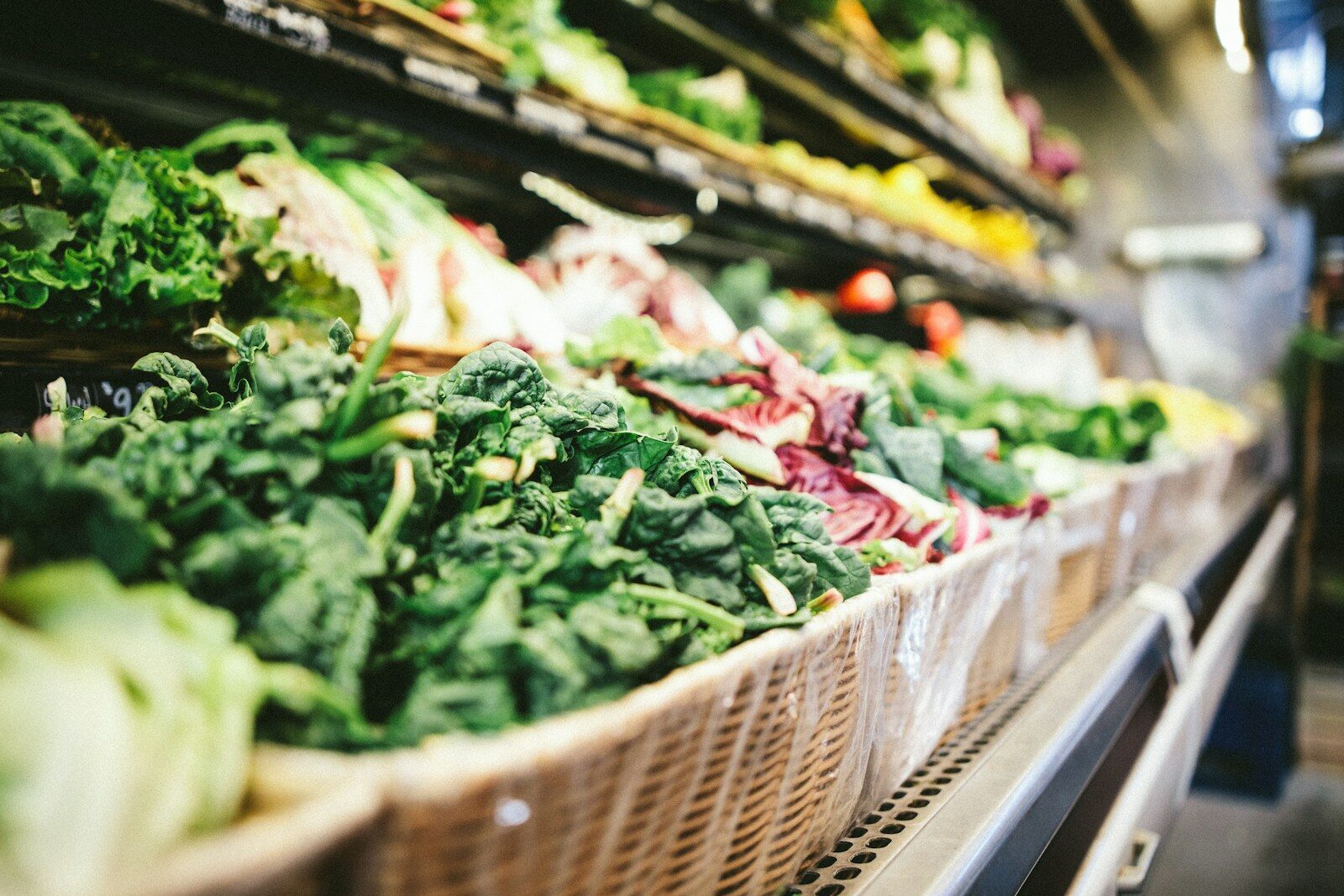
Sustainable Food Systems: Cultivating a Future Where Food Meets Responsibility
Introduction
Sustainable food systems are essential for feeding a growing global population without degrading ecosystems, accelerating climate change, or deepening inequality. Today’s food production accounts for roughly one-third of global greenhouse gas emissions while also driving biodiversity loss and water stress. Therefore, building sustainable food systems is no longer optional—it is a scientific, economic, and ethical necessity.
This comprehensive guide explains what sustainable food systems are, how they work, why they matter, and what actions can move us toward a more responsible food future.
What Are Sustainable Food Systems?
Defining Sustainable Food Systems
Sustainable food systems are food production, processing, distribution, and consumption models that:
- Protect ecosystems
- Reduce greenhouse gas emissions
- Preserve soil and water resources
- Ensure fair labor practices
- Improve nutrition and public health
Importantly, sustainable food systems balance environmental integrity, economic viability, and social equity.
Unlike industrial systems focused solely on yield and profit, sustainable food systems prioritize long-term resilience.
Key Components of Sustainable Food Systems
1. Climate-Smart Agriculture
Agriculture contributes significantly to methane and nitrous oxide emissions. Sustainable food systems promote:
- Regenerative farming practices
- Reduced synthetic fertilizer use
- Crop diversification
- Agroforestry
These approaches improve soil carbon storage while reducing emissions.
2. Soil Health and Biodiversity
Healthy soils are foundational to sustainable food systems. Practices such as:
- Cover cropping
- Reduced tillage
- Organic amendments
enhance microbial life and improve water retention. Consequently, farms become more resilient to drought and extreme weather.
Biodiversity also strengthens pest resistance and stabilizes ecosystems.
3. Water Stewardship
Agriculture accounts for about 70% of global freshwater withdrawals. Sustainable food systems aim to:
- Increase irrigation efficiency
- Restore watersheds
- Reduce runoff pollution
Efficient water management reduces pressure on rivers, aquifers, and wetlands.
4. Local and Regional Food Networks
Shorter supply chains reduce transportation emissions and strengthen local economies. Sustainable food systems encourage:
- Farmers’ markets
- Community-supported agriculture (CSA)
- Urban agriculture initiatives
These models reconnect consumers to producers.
Environmental Benefits of Sustainable Food Systems
Lower Greenhouse Gas Emissions
Sustainable food systems reduce emissions through:
- Reduced livestock intensity
- Improved manure management
- Precision agriculture technologies
Plant-forward dietary patterns further decrease climate impact.
Reduced Deforestation and Habitat Loss
Expansion of farmland drives forest clearing in many regions. Sustainable food systems prioritize:
- Yield efficiency on existing land
- Agroecological intensification
- Protection of high-carbon ecosystems
As a result, natural habitats are preserved.
Improved Carbon Sequestration
Regenerative practices within sustainable food systems enhance carbon storage in soils. This helps mitigate climate change while improving productivity.
Social and Economic Benefits
Food Security and Nutrition
Sustainable food systems improve access to diverse, nutrient-dense foods. Diversified crops enhance dietary quality and reduce reliance on monocultures.
Fair Labor and Equity
Responsible food systems address:
- Fair wages
- Safe working conditions
- Gender equity in agriculture
Social justice is a core pillar of sustainability.
Economic Resilience
Diversified farms and local markets reduce vulnerability to global supply chain disruptions. Therefore, sustainable food systems strengthen rural economies.
Challenges Facing Sustainable Food Systems
Despite clear benefits, sustainable food systems face barriers:
- Policy incentives favor industrial agriculture
- Transition costs for farmers
- Limited consumer awareness
- Global trade pressures
Moreover, climate change itself complicates farming conditions.
Evidence-Based Solutions
Policy Reform
Governments can accelerate sustainable food systems by:
- Redirecting subsidies toward regenerative practices
- Pricing carbon emissions appropriately
- Supporting smallholder farmers
Policy alignment is critical.
Technological Innovation
Precision agriculture, digital monitoring, and improved crop breeding enhance resource efficiency. When used responsibly, technology strengthens sustainable food systems.
Consumer Behavior Shifts
Consumers influence food systems through purchasing decisions. Actions include:
- Reducing food waste
- Choosing seasonal produce
- Supporting sustainable producers
- Moderating meat consumption
Demand drives supply.
Sustainable Food Systems and Climate Change
Sustainable food systems are central to climate mitigation strategies. Food production interacts with:
- Methane emissions from livestock
- Nitrous oxide from fertilizers
- Carbon loss from land conversion
Therefore, transforming food systems is one of the most powerful climate actions available.
Frequently Asked Questions
Why are sustainable food systems important?
Sustainable food systems protect ecosystems, reduce emissions, and improve food security while ensuring social equity.
Can sustainable food systems feed a growing population?
Yes. Research suggests diversified, regenerative systems can maintain productivity while improving resilience and reducing environmental harm.
Is organic farming the same as sustainable food systems?
Not exactly. Organic farming is one approach within sustainable food systems, but sustainability also includes social and economic dimensions.
Conclusion
Sustainable food systems represent a comprehensive solution to interconnected environmental, social, and economic challenges. By aligning agriculture with ecological principles and human well-being, sustainable food systems cultivate a future where food meets responsibility.
Transforming food systems requires coordinated action from policymakers, farmers, businesses, and consumers. However, the scientific evidence is clear: resilient, climate-smart food systems are essential for long-term planetary stability.
Call to Action:
Support sustainable food systems by reducing food waste, choosing responsibly produced foods, and advocating for policies that prioritize environmental stewardship and food equity.