Nature’s Filter: How Constructed Wetlands Can Clean Our Water
Published on January 2, 2026 by Dr. A. M.
Introduction: Letting Nature Do the Work
Modern water pollution feels like a problem only advanced technology can solve. Pharmaceuticals, nutrients, heavy metals, and resistant bacteria flow through our wastewater systems faster than treatment plants can handle. Yet one of the most effective answers may already exist in nature.
The key insight is powerful and hopeful: high-tech problems sometimes have low-tech, nature-based solutions. Through constructed wetlands, engineers and ecologists are rediscovering how plants, soil, and microbes can work together to clean water efficiently, affordably, and sustainably.
The Water Pollution Problem We Can’t Engineer Away
Why Conventional Treatment Is Expensive and Incomplete
Traditional wastewater treatment plants rely on mechanical systems, chemicals, and energy-intensive processes. While effective at removing solids and organic waste, they struggle with trace pollutants such as antibiotics, hormones, and industrial chemicals. Upgrading facilities to handle these pollutants often costs millions.
The Case for Nature-Based Solutions
Nature, however, has filtered water for millions of years. Wetlands naturally trap sediments, absorb nutrients, and break down toxins. Constructed wetlands apply this same logic—intentionally designed ecosystems that treat wastewater using biological processes rather than brute force engineering.
What Are Constructed Wetlands?
Natural vs. Constructed Wetlands
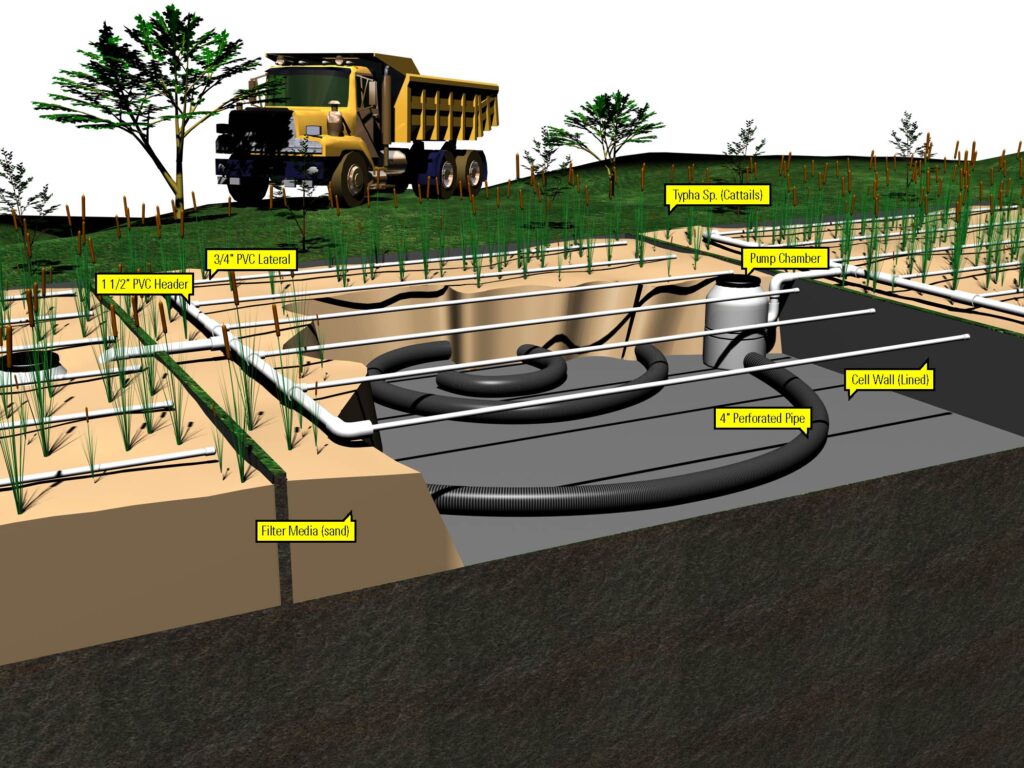
Natural wetlands form over time and support diverse ecosystems. Constructed wetlands are human-made systems designed to mimic these functions. They use shallow basins, specific plant species, and controlled water flow to maximize treatment efficiency.
How These Systems Are Designed
Engineers carefully select plants, soil types, and flow patterns. Water moves slowly through the system, allowing pollutants to settle, absorb, or break down biologically. Despite their simple appearance, constructed wetlands are carefully engineered living systems.
Bioremediation: Nature’s Cleanup Crew
Role of Plants
Plants are the visible workers in bioremediation. Their roots absorb nutrients like nitrogen and phosphorus while providing surfaces for beneficial microbes. Some plants can even take up heavy metals or pharmaceutical residues, storing or transforming them safely.
Role of Microorganisms
Hidden beneath the surface, bacteria and fungi do most of the chemical work. These microbes break down organic pollutants, neutralize pathogens, and transform toxic compounds into less harmful forms. Together, plants and microbes form a powerful biological filter.
How Constructed Wetlands Remove Toxins
Nutrients, Pathogens, and Pharmaceuticals
Slow water movement allows sediments to settle and pathogens to die off naturally. Microbial communities degrade pharmaceuticals and organic chemicals that often pass straight through conventional treatment plants.
Heavy Metals and Organic Pollutants
Wetland soils bind metals and persistent pollutants, preventing them from spreading downstream. Over time, these contaminants become immobilized or transformed, reducing environmental risk.
Constructed Wetlands and Sustainable Wastewater Management
Few solutions align as well with sustainable wastewater management as constructed wetlands. They require:
- Minimal energy
- Low maintenance costs
- No complex chemicals
They also provide side benefits such as wildlife habitat, flood control, and carbon sequestration. For small communities, developing regions, and agricultural areas, wetlands offer a realistic and scalable alternative to expensive infrastructure.
Real-World Success Stories
Constructed wetlands are already in use across Europe, North America, Asia, and Africa. Small towns use them for municipal wastewater. Farms use them to treat runoff. Even hospitals and industrial sites have adopted wetland systems to reduce pollution loads. Organizations such as the World Health Organization increasingly recognize nature-based solutions as essential tools for protecting water quality and public health.
Benefits and Limitations
Benefits
- Cost-effective and energy-efficient
- Highly adaptable to local conditions
- Improves biodiversity and landscapes
Limitations
- Requires land area
- Slower treatment compared to mechanical systems
- Performance depends on climate and design
Despite these limits, wetlands work best as part of a hybrid approach—supporting, not replacing, traditional treatment where needed.
FAQs
1. What is bioremediation?
It is the use of living organisms, such as plants and microbes, to remove or neutralize pollutants.
2. How do constructed wetlands clean wastewater?
They slow water flow and use biological, chemical, and physical processes to remove contaminants.
3. Are constructed wetlands safe?
Yes, when properly designed and managed, they are safe and effective treatment systems.
4. Can wetlands remove pharmaceuticals?
Many studies show they can significantly reduce pharmaceutical residues.
5. Are constructed wetlands expensive to build?
They are usually far cheaper than conventional treatment plants.
6. Where do constructed wetlands work best?
They are ideal for small communities, rural areas, farms, and developing regions.
Conclusion: Low-Tech Solutions for High-Tech Problems
As water pollution grows more complex, the answer is not always more machinery or chemicals. Constructed wetlands show that working with nature—through bioremediation and ecological design—can deliver clean water in a way that is affordable, resilient, and sustainable. In a world searching for smarter solutions, nature may already have the blueprint.