Sustainable Coronation Regalia: Redefining Royal Tradition Through Circularity
Published on March 3, 2026 by Dr. A. M.
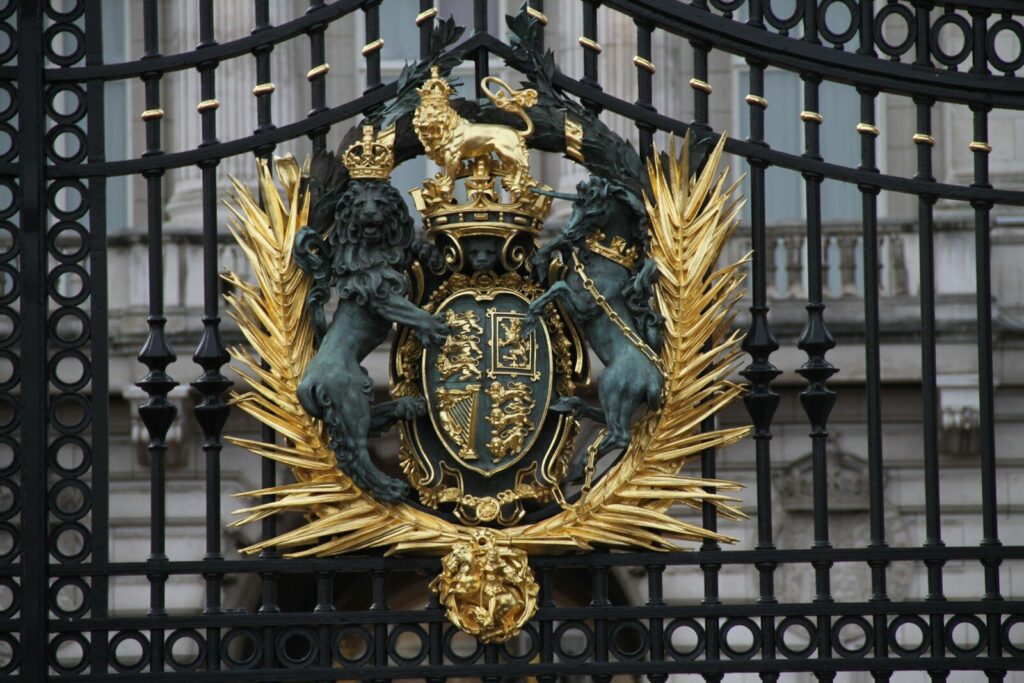
The coronation of King Charles III marked a significant departure from historical excess, signaling a new era for the British Monarchy. By prioritizing sustainable coronation regalia, the ceremony served as a global case study in how heritage institutions can adapt to modern environmental imperatives. This shift was not merely aesthetic but a calculated move to align a 1,000-year-old ritual with the urgent demands of the 21st-century climate crisis.
For decades, King Charles III has been a vocal advocate for organic farming, biodiversity, and the circular economy. His coronation provided the ultimate platform to demonstrate these values. Instead of commissioning entirely new sets of vestments, the King opted to reuse and conserve historic pieces, effectively reducing the carbon footprint of the event while championing the “reuse and recycle” philosophy.
The Scientific Foundation of Sustainable Regalia
The concept of sustainable coronation regalia is rooted in the principles of life cycle assessment (LCA) and the circular economy. Traditional garment production, particularly for ceremonial attire involving gold thread, silk, and rare furs, carries a heavy environmental load. The extraction of precious metals and the intensive water usage required for high-grade silk production contribute significantly to ecological degradation.
By choosing to reuse vestments, the Royal Household avoided the “embodied energy” costs associated with new manufacturing. Embodied energy refers to the total energy consumed during the extraction, processing, and transportation of raw materials. In the context of royal textiles, this also includes the reduction of chemical runoff from modern dyeing processes and the preservation of natural resources like water and soil.
Environmental and Economic Impacts of the Sustainable Approach
The decision to utilize existing assets reflects a sophisticated understanding of resource management. From an ecological perspective, the reuse of the Supertunica and the Imperial Mantle—both made of gold silk—prevents the demand for new mining and metallurgical processing. These historic items are effectively “carbon sinks” of craftsmanship, holding value for centuries without requiring further environmental extraction.
Economically, this approach challenges the “fast fashion” mentality that has permeated even luxury sectors. By opting for conservation over new procurement, the ceremony highlighted the financial and cultural value of durability. Data from the textile industry suggests that extending the life of a garment by just nine months can reduce its carbon, water, and waste footprints by 20% to 30%. In the case of regalia being reused for over 200 years, the environmental savings are exponential.
Real World Case Studies in Royal Circularity
The 2023 ceremony showcased several specific examples of sustainable coronation regalia in action. Each piece carried historical weight while serving as a modern emblem of conservation:
- The Colobium Sindonis: A simple white linen tunic symbolizing humility. The King chose to reuse the one worn by his grandfather, King George VI, in 1937.
- The Supertunica: This gold silk coat, made in 1911, has now served four monarchs. Its reuse eliminates the need for modern gold-gilt metal production.
- The Coronation Glove and Sword Belt: Traditionally, new versions are made for each monarch. Breaking this tradition, King Charles III reused the 1937 versions, emphasizing that even the most sacred items can be part of a circular system.
- The Anointing Screen: While new, this piece was designed by the Royal School of Needlework using sustainable materials, featuring a design of 56 leaves representing the Commonwealth nations.
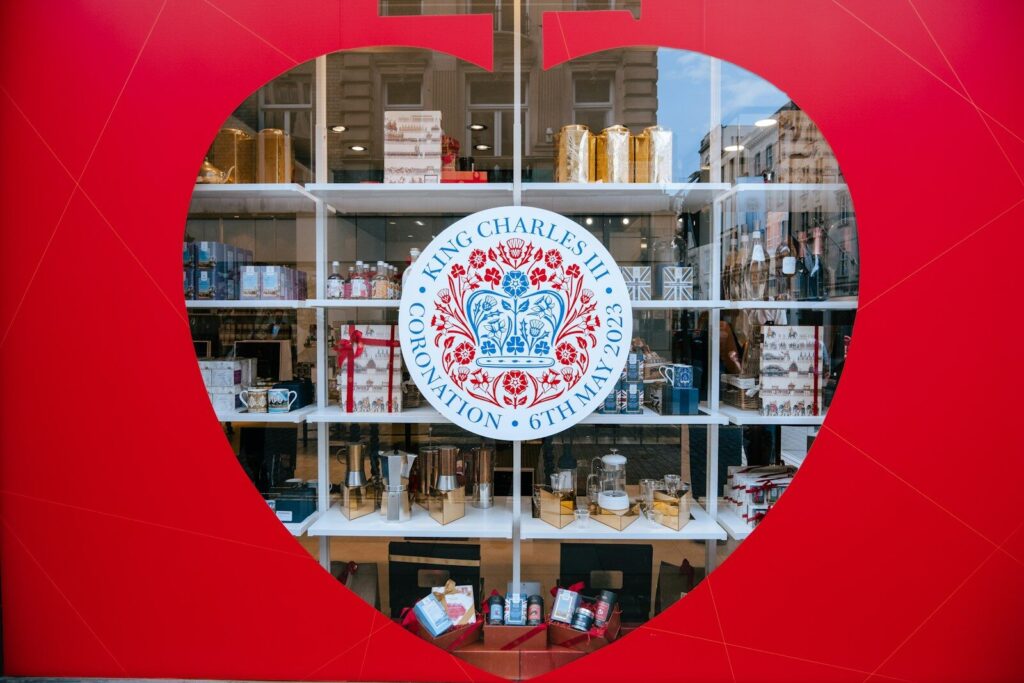
Challenges and Barriers to Sustainable Tradition
Integrating sustainability into high-stakes traditional ceremonies is not without obstacles. One major barrier is the “expectation of novelty.” Historically, new monarchs used regalia to signal the wealth and power of their reign, creating a social pressure to commission fresh, extravagant items. Overcoming this requires a significant shift in public perception, moving from valuing “newness” to valuing “stewardship.”
Technical challenges also exist in the conservation of centuries-old textiles. Fabrics like silk and velvet are susceptible to light damage and humidity. Maintaining these items so they are robust enough for a televised, multi-hour ceremony requires specialized, energy-intensive climate control and the expertise of master conservators. Balancing the energy used for preservation against the energy saved by not manufacturing new items is a delicate equation for sustainability professionals.
Solutions and Strategic Pathways for Global Events
The success of the sustainable coronation offers a roadmap for other large-scale cultural and corporate events. The following strategies can be adapted across industries:
- Prioritize Asset Life Extension: Before procuring new materials, audit existing inventory for items that can be repaired, refurbished, or repurposed.
- Support Ethical Craftsmanship: When new items are necessary, partner with organizations like the Royal School of Needlework that prioritize hand-skills and sustainable sourcing over mass production.
- Incorporate Natural Emblems: Use design to tell a story of environmental connection. The use of the “Green Man” and national floral emblems in the coronation decor reinforced the theme of nature.
- Policy Realignment: Institutions should update their procurement policies to mandate a “reuse first” approach for all ceremonial and formal functions.
Frequently Asked Questions
What makes the coronation regalia sustainable?
Sustainability is achieved through the circular economy principle of reuse. By wearing vestments from 1821, 1911, and 1937, the King avoided the environmental impact of manufacturing new luxury textiles and mining precious metals.
Did the King wear any new clothing for the coronation?
While most major vestments were reused, some new items were created, such as the Anointing Screen and certain robes for the Queen Consort. However, these were produced using sustainable methods and focused on hand-embroidery rather than industrial processes.
How does reusing old clothes help the environment?
Reusing garments reduces the demand for virgin materials, saves thousands of liters of water used in textile production, and eliminates the carbon emissions associated with the global fashion supply chain.
Conclusion
The shift toward sustainable coronation regalia represents a profound marriage of heritage and hope. By choosing to wear the garments of his ancestors, King Charles III demonstrated that true majesty lies not in the consumption of resources, but in the stewardship of them. This action-oriented approach to tradition serves as a powerful reminder that every sector—even the most traditional—has a role to play in the global transition to a sustainable future.
As we look toward future global events, the coronation stands as a benchmark for how to honor the past without compromising the planet. It is a call to action for leaders and individuals alike: choose durability over disposability, and find value in the enduring rather than the evanescent.