5 Shocking Iowa Environmental Cancer Risks Exposed
Published on March 28, 2026 by Dr. A. M.
The convergence of intensive agricultural practices and industrial pollution has created a severe public health crisis, amplifying Iowa environmental cancer risks to unprecedented levels. While the broader United States celebrates a declining overall cancer rate, Iowa presents a stark and alarming contrast. The state currently suffers from the second-highest cancer incidence rate in the nation. More troubling is the fact that Iowa is one of only two states where this incidence rate is actively rising. This divergence from national trends requires a rigorous, PhD-level examination of the underlying ecological and economic systems driving this public health emergency.
To bridge the gap between localized health outcomes and systemic climate patterns, we must analyze the state’s unique environmental landscape. The root causes extend far beyond individual behavioral choices like smoking or ultraviolet light exposure. Instead, the crisis is deeply embedded in the soil, water, and air, driven by decades of unchecked landscape transformation and the externalization of agricultural costs. By examining the proliferation of specific carcinogens, we can begin to understand the complex web of ecological degradation threatening over 170,000 Iowans currently living with a cancer diagnosis.
Table of Contents
The Systemic Roots of Iowa Environmental Cancer Risks
Cancer is inherently multifactorial, yet well-established, peer-reviewed research consistently demonstrates that environmental risk factors are heavily associated with increased incidence rates. In Iowa, 13 of the 16 cancer sites connected to pesticides, nitrate, PFAS, and radon exceeded the national incidence rate between 2017 and 2021. Furthermore, 11 of the 15 adult cancer types associated with these specific environmental factors are increasing across the total population of the state. This is not a statistical anomaly; it is the predictable outcome of an economic model that prioritizes agricultural yield over public health ecology.
The most common cancers in the state—breast, prostate, lung, colorectal, and skin melanoma—all share established associations with these environmental contaminants. For individuals under the age of 50, the data is equally grim, with six out of ten cancer types linked to these toxins currently on the rise. These hazards do not exist in isolation. They combine and build upon one another, creating a cumulative toxicological burden that overwhelms biological defense mechanisms.
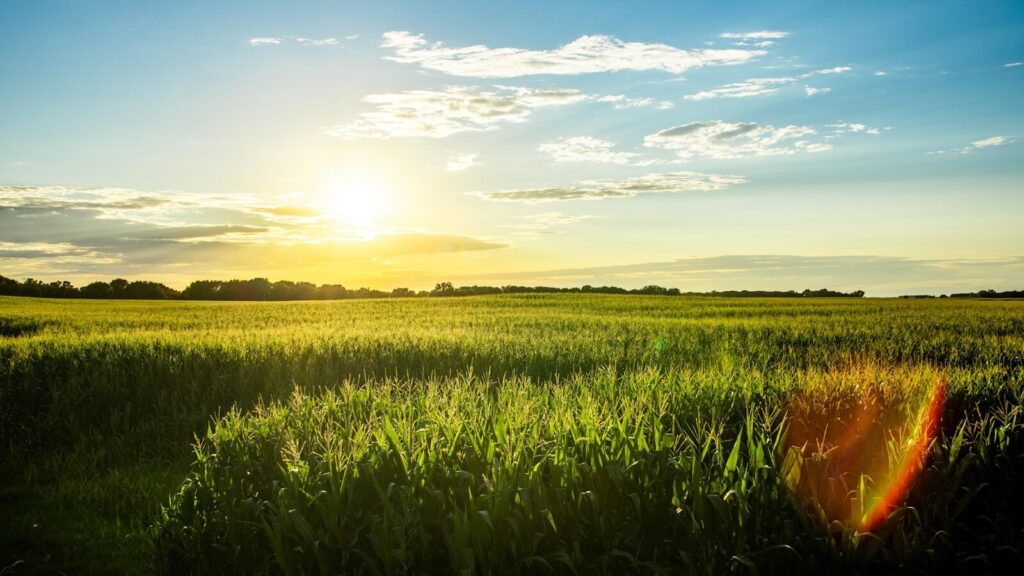
Understanding these Iowa environmental cancer risks requires looking at the state’s intense agricultural footprint. With 85% of its land dedicated to agriculture, the state experiences a volume of chemical application and landscape alteration that is nearly unmatched globally. This massive ecological engineering disrupts natural filtration systems, ensuring that synthetic toxins and organic waste products inevitably find their way into human exposure pathways.
The Core Culprits: Agricultural Toxins and Ecology
Pesticides: A Ubiquitous Threat to Cellular Integrity
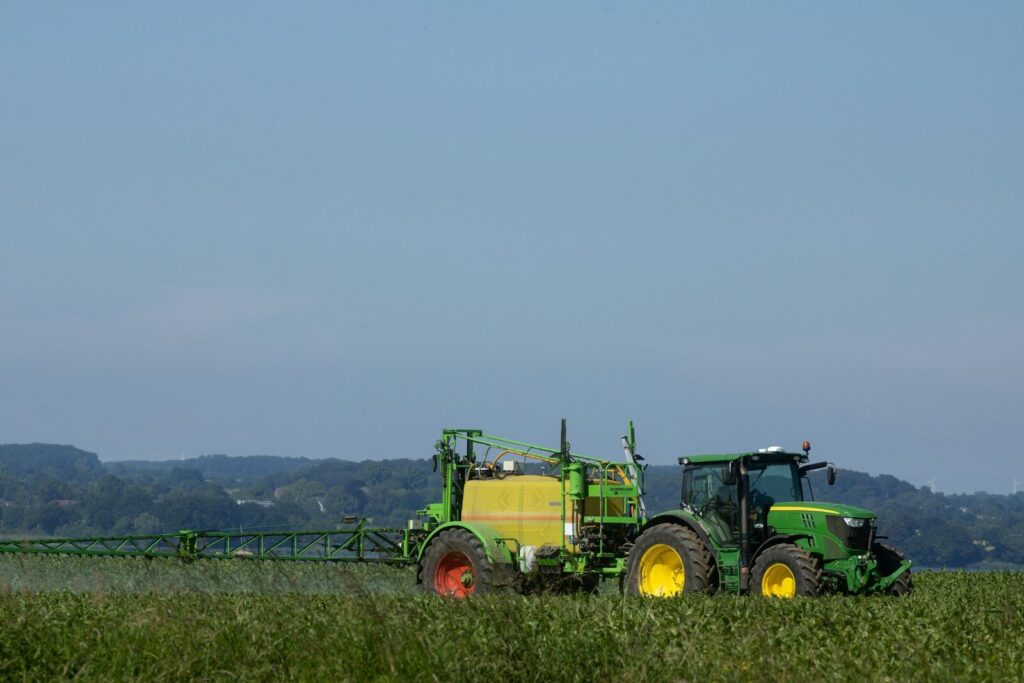
The sheer volume of chemical weed and pest control applied to the midwestern landscape is staggering. Iowa ranks fourth in the nation for total pesticide use by weight, trailing only California, Florida, and Illinois. The state relies heavily on glyphosate, acetochlor, and atrazine, which are applied intensively across millions of acres. These compounds are not transient; they persist in the environment for decades, bioaccumulating in human and animal tissues.
Populations are exposed through multiple vectors, including contaminated drinking water, food residues, toxic drift from fields, and accumulation in household dust. Scientific investigations heavily associate these specific pesticides with elevated risks for prostate, lung, breast, colorectal, pancreatic, and bladder cancers, alongside non-Hodgkin lymphoma and leukemia. Alarmingly, findings suggest that the carcinogenic impact of widespread pesticide use may rival the public health damage historically caused by smoking.
The Economics of Nitrate Water Pollution
The state’s landscape transformation has accelerated the movement of agricultural byproducts into local waterways. Iowa has installed the most subsurface tile drainage of any state in the nation, draining more than 13 million farm acres as of 2022—a staggering 47% more than the next-highest state. This artificial plumbing system rapidly funnels water off fields, carrying highly concentrated fertilizers directly into surface waters.
Compounding this is the massive concentration of livestock. Iowa contains approximately 2.5 times as many Concentrated Animal Feeding Operations (CAFOs) as the next highest state. This creates a largely unregulated waste stream that drives nitrate pollution across the state. Consequently, the Des Moines and Raccoon rivers now rank in the top 1% of rivers nationwide for nitrate concentration, with 80% of this contamination originating directly from agricultural sources.
The public health implications of this ecological imbalance are severe. A growing body of empirical evidence reveals that nitrate levels far below the current EPA standard of 10 mg/L are strongly associated with increased risks of colorectal, ovarian, bladder, thyroid, and prostate cancers. Specifically, research indicates a 200% increased risk of colorectal cancer for individuals consuming well water with nitrate concentrations slightly above 2.5 mg/L, a risk that surges to over 300% after ten years of exposure. Only 4% of the state’s community water systems possess the expensive treatment capabilities required to remove nitrate, leaving the vast majority of populations vulnerable.
Invisible Hazards: PFAS and Radon in the Heartland

PFAS (Forever Chemicals) in the Hydrosphere
Per- and polyfluoroalkyl substances (PFAS) are manufactured chemicals characterized by their extreme persistence in the environment. Out of more than 12,000 distinct types of PFAS, many have been detected throughout Iowa’s local environment, deeply infiltrating the hydrosphere. Recent monitoring reveals that PFAS have been detected in an astonishing 94% of surface waters and 30% of groundwater sources across the state.
The intersection of industrial manufacturing and agriculture is highly relevant here. An estimated 30% of active pesticide ingredients approved over the past decade were formulated with PFAS, directly contaminating the agricultural supply chain. The general public is primarily exposed through continuous, lifelong water ingestion, though inhalation of PFAS attached to fine particulate matter (PM2.5) is an emerging concern. Strong epidemiological evidence links this accumulation to kidney and testicular cancers, while raising concerns regarding prostate and ovarian cancers.
The Radon Exposure Crisis
While agricultural pollutants dominate the discourse surrounding Iowa environmental cancer risks, geological hazards significantly compound the danger. The state suffers from among the highest indoor radon levels in the United States. The statewide average for radon sits at a highly dangerous 8 pCi/L. To contextualize this, the EPA action level is just 4 pCi/L, and no level of radon exposure is considered safe.
Radon gas is unambiguously the second-leading cause of lung cancer in the state, trailing only smoking. An localized study demonstrated that fifteen years of exposure to radon at exactly 4 pCi/L was associated with a 24-83% increase in the odds of developing lung cancer. Furthermore, research highlights a strong association between radon exposure and other malignancies, including melanoma and skin cancers, particularly among women.
Summary of Environmental Hazards and Cancer Associations
| Environmental Risk Factor | Primary Exposure Pathways | Associated Cancer Types | Systemic Driver |
| Pesticides | Drinking water, food residue, agricultural drift | Prostate, lung, breast, colorectal, leukemia, lymphoma | Intensive monoculture farming and reliance on chemical inputs |
| Nitrates | Groundwater, private wells, municipal water supplies | Colorectal, ovarian, bladder, thyroid, prostate | CAFO waste streams and extensive subsurface tile drainage |
| PFAS | Surface water, groundwater, airborne particulate matter | Kidney, testicular, prostate, ovarian, non-Hodgkin lymphoma | Integration into agricultural pesticide formulations and persistence |
| Radon | Indoor air accumulation, drinking water | Lung cancer, skin melanoma, stomach cancer | Natural geology combined with inadequate residential testing |
Bridging the Gap: Systemic Solutions for Public Health
Addressing these escalating Iowa environmental cancer risks requires a paradigm shift away from managing contamination toward eliminating it at the source. The prevailing economic model externalizes the massive costs of water treatment and public health onto the taxpayer, while allowing industrial agriculture to operate with minimal regulatory oversight regarding runoff. We must transition toward sustainable farming practices that prioritize soil health, natural wetlands restoration, and the reduction of synthetic chemical inputs.
To explore how agricultural policies impact global environments, readers should review the detailed findings from the World Resources Institute on creating a sustainable food future. Furthermore, understanding the precise physiological impacts of waterborne toxins requires accessing high-level toxicological data provided by the National Institutes of Health regarding water pollution.
At the local level, implementing rigorous, mandatory testing for private wells and expanding funding for municipal water treatment infrastructure is paramount. For a deeper understanding of how local governance can intervene, explore our related analysis on Understanding Agricultural Runoff and Public Health (Understanding Agricultural Runoff on Public Health). Ultimately, reversing the state’s outlier status requires policymakers to lead with absolute urgency, prioritizing long-term prevention over short-term agricultural yields. The health of our ecology and the health of our communities are inextricably linked; protecting one demands the fierce protection of the other. Read more about the financial dynamics of these changes in our article on The Economics of Sustainable Farming.