International Day for Preventing the Exploitation of the Environment in War: Why Ecological Protection Is Essential for Peace
Published on March 3, 2026 by Dr. A. M.
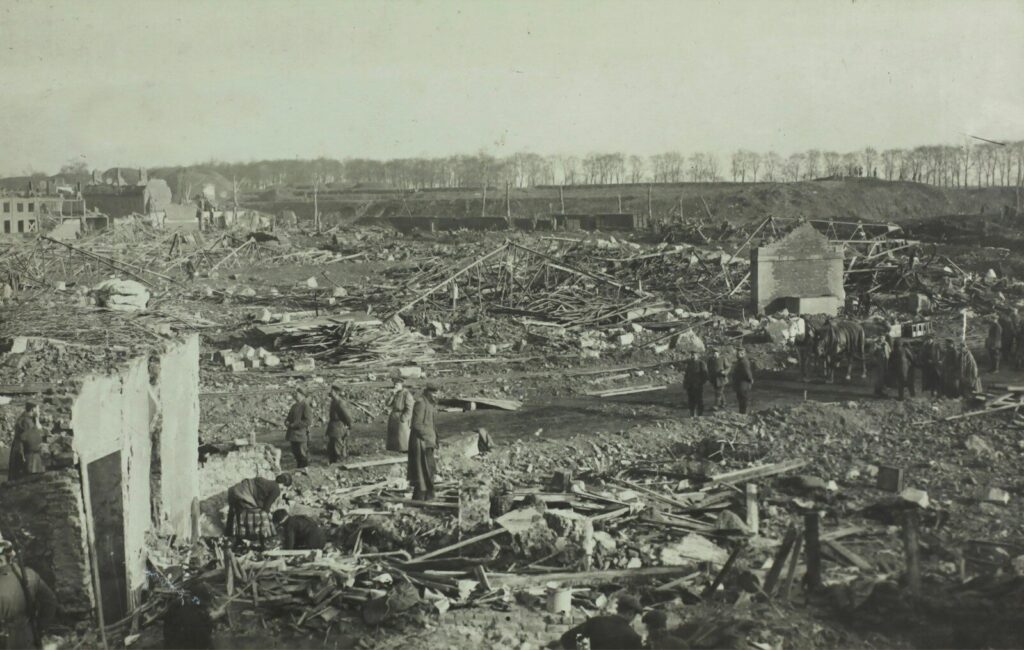
Every year on November 6, the world observes the International Day for Preventing the Exploitation of the Environment in War and Armed Conflict, established by the United Nations in 2001.
At first glance, the day may seem symbolic. But its underlying message is deeply structural: war does not only destroy cities — it destabilizes ecosystems, food systems, water supplies, and climate resilience for decades.
In an era of intensifying climate stress and geopolitical competition, protecting the environment during conflict is no longer a secondary concern. It is a security imperative.
Table of Contents
War’s Environmental Damage Doesn’t End When the Fighting Stops
Modern armed conflicts frequently leave behind:
- Oil spills and toxic fires
- Heavy metal contamination in soil
- Destroyed agricultural land
- Polluted rivers and aquifers
- Deforestation and wildlife loss
- Unexploded ordnance contaminating ecosystems
These damages persist long after ceasefires are signed.
For example, oil well fires in conflict zones have released massive quantities of greenhouse gases and toxic particulates, affecting both local air quality and global climate systems. Agricultural land, once contaminated, can remain unusable for years — undermining food security and rural livelihoods.
Environmental destruction quietly extends the human cost of war.
The Feedback Loop: Resource Scarcity and Conflict
The relationship between conflict and environmental degradation is circular.
1️⃣ Resource Stress Can Trigger Conflict
Water scarcity, degraded farmland, and competition over minerals or fossil fuels can intensify political tensions.
2️⃣ Conflict Accelerates Ecological Collapse
Military operations damage infrastructure, disrupt land management systems, and weaken environmental governance.
3️⃣ Ecological Collapse Prolongs Instability
Without functioning ecosystems, recovery stalls. Food insecurity rises. Public health worsens. Economic resilience weakens.
This feedback loop is especially dangerous under accelerating climate change.
Climate Change Is Raising the Stakes
Climate change is amplifying environmental stress in fragile regions:
- Drought intensifies water disputes
- Crop failures increase food insecurity
- Heat extremes strain infrastructure
- Sea-level rise displaces communities
When conflict erupts in climate-vulnerable areas, environmental degradation compounds existing fragility.
In this context, environmental protection becomes a form of conflict prevention.
Environmental Protection Is Part of International Law
International humanitarian law prohibits widespread, long-term, and severe environmental damage during armed conflict. Yet enforcement remains inconsistent.
There is growing discussion around recognizing ecocide — severe environmental destruction — as an international crime. While not yet codified globally, the concept reflects a shift in legal and ethical thinking.
Environmental protection is increasingly framed not as an optional safeguard, but as a human rights issue.
Environmental Peacebuilding: A Systems Approach
A growing field known as environmental peacebuilding explores how shared natural resource management can reduce conflict risk.
Examples include:
- Cooperative water basin agreements
- Joint forest management initiatives
- Post-conflict ecological restoration programs
- Sustainable land-use reforms
Rather than viewing natural resources solely as triggers for violence, environmental peacebuilding sees them as potential platforms for cooperation.
This systems-level framing aligns with broader sustainability thinking: stability depends on ecological integrity.
Why This Matters for the United States
For U.S. readers, the relevance extends beyond distant battlefields.
- Global food supply chains connect American consumers to fragile agricultural regions.
- Energy markets are influenced by conflict-driven resource disruptions.
- Climate-driven instability abroad affects migration patterns and geopolitical dynamics.
- U.S. military operations increasingly account for climate risk and environmental impact.
Environmental damage in war zones has ripple effects across global systems — including economic and climate systems that directly impact Americans.
The Long-Term Cost of Ignoring Ecology in Conflict
When ecosystems collapse, reconstruction costs multiply.
Rebuilding infrastructure is expensive. Rebuilding soil fertility, groundwater purity, biodiversity, and agricultural productivity is often slower and more complex.
Ignoring environmental damage during war creates long-term development traps — particularly in already vulnerable regions.
Peace agreements that overlook ecological restoration risk producing fragile peace.
Observing November 6: More Than a Symbol
The International Day for Preventing the Exploitation of the Environment in War and Armed Conflict serves as a reminder that:
- Environmental protection is inseparable from human security
- Sustainable resource management reduces conflict risk
- Climate resilience must be integrated into peacebuilding
- Ecological restoration is essential for post-conflict recovery
As climate pressures intensify globally, protecting ecosystems during armed conflict becomes central to future stability.
Frequently Asked Questions
What is the International Day for Preventing the Exploitation of the Environment in War?
It is a United Nations observance held annually on November 6 to raise awareness about environmental damage caused by armed conflict.
Why does war harm the environment?
Military operations can destroy infrastructure, contaminate soil and water, cause deforestation, and release pollutants. Weak governance during conflict often worsens ecological mismanagement.
Is environmental destruction during war illegal?
International humanitarian law restricts widespread, long-term environmental damage, though enforcement mechanisms vary.
How does climate change relate to conflict?
Climate change increases resource stress — such as drought and food insecurity — which can heighten instability and conflict risk.