7 Alarming Hydropower Ecological Impacts Explained
Published on March 26, 2026 by Dr. A. M.
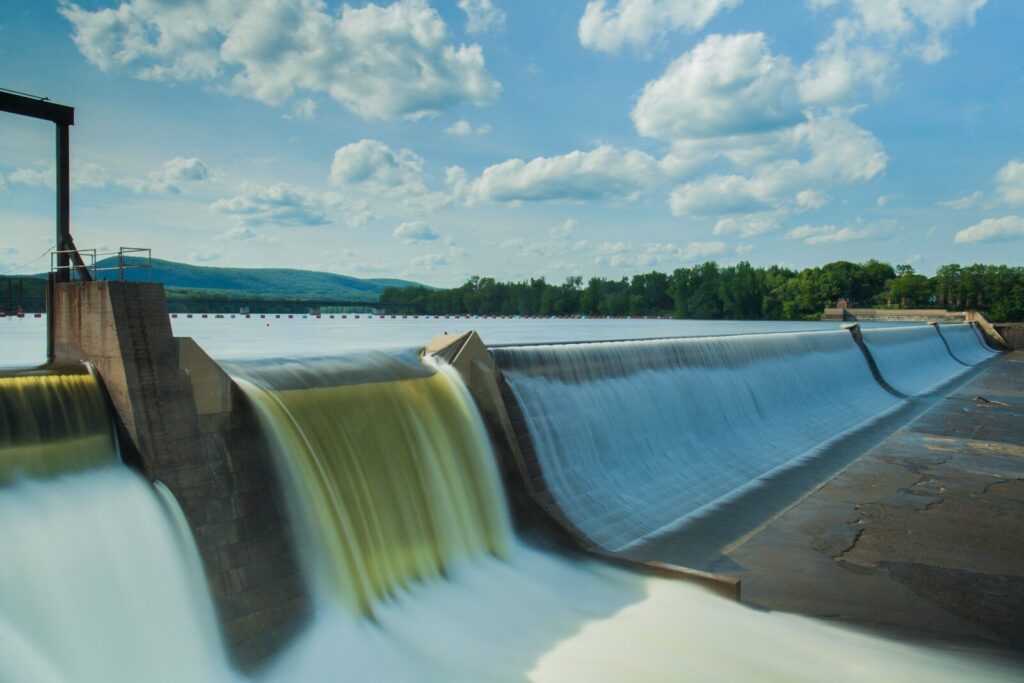
As the global transition toward renewable energy accelerates, we must critically evaluate our foundational energy systems. Among these, large-scale dams are often touted as entirely green solutions. However, the underlying hydropower ecological impacts tell a much more complex story. We must rigorously analyze these hidden environmental costs to fully understand the true nature of global sustainability.
Table of Contents
Understanding Hydropower Ecological Impacts
When we view energy generation through the lens of ecological economics, we see that no power source is without an environmental footprint. For decades, the construction of massive hydroelectric facilities was viewed solely as a triumph of modern engineering. Today, hydro-engineering must answer to the biological sciences, as we observe the profound hydropower ecological impacts across major global river basins.
To bridge the gap between human energy demands and ecological preservation, we must examine river systems holistically. A river is not merely a conduit for water; it is a vital artery transporting nutrients, sediment, and thermal energy from the mountains to the oceans. Severing this artery generates cascading biological consequences. Reading more about the true cost of renewable energy helps contextualize these localized disruptions within broader global climate patterns.
7 Key Environmental Consequences
The anthropogenic forcing caused by dam construction radically alters the geomorphological and biological realities of a watershed. To grasp the full magnitude of these changes, we must break down the specific mechanisms of disruption.
1. Habitat Fragmentation and Barrier Effects
The most immediate and visible consequence of dam construction is the physical barrier it presents to aquatic organisms. Lotic ecosystems rely on connectivity. When a river is segmented, migratory fish populations, such as salmon and sturgeon, are physically blocked from reaching their ancestral spawning grounds.
This fragmentation leads to rapid population declines and, in some cases, localized extinction events. Genetic isolation occurs when populations are trapped in segmented reaches of the river. Over time, this lack of genetic diversity severely weakens the resilience of the species against diseases and changing climate conditions.
2. Thermal Stratification and Chemistry Shifts
Reservoirs created by hydroelectric dams act as massive thermal sinks. In these deep, artificially slow-moving bodies of water, thermal stratification occurs. The sun heats the surface layer (epilimnion), while the bottom layer (hypolimnion) remains cold and dense.
This deep, cold water often becomes anoxic—completely depleted of oxygen. When dam operators release this cold, deoxygenated water downstream, it shocks the native ecosystem. Many native fish species and benthic macroinvertebrates cannot survive these sudden, unnatural temperature and chemical shifts, further exacerbating the localized hydropower ecological impacts.
3. Reservoir Greenhouse Gas Emissions
A pervasive myth surrounding hydroelectricity is that it represents a zero-emission energy source. However, scientific consensus challenges this assumption. When valleys are flooded to create reservoirs, massive amounts of terrestrial vegetation and organic soil matter are submerged.
As this organic material decomposes in the oxygen-poor environment at the bottom of the reservoir, it undergoes anaerobic digestion. This biological process releases substantial quantities of methane (CH4), a greenhouse gas significantly more potent than carbon dioxide over a 20-year timescale. According to reports from the Intergovernmental Panel on Climate Change, these emissions must be factored into the global carbon budget.
4. Analyzing Hydropower Ecological Impacts on Sediment
Rivers act as conveyor belts, naturally transporting sediment and vital nutrients from continental interiors to coastal estuaries. Dams physically trap this sediment, creating a state of “sediment starvation” downstream.
Without the natural replenishment of silt and sand, downstream riverbanks and coastal deltas suffer from severe erosion. Furthermore, the trapped sediment accumulates behind the dam, eventually reducing the reservoir’s water storage capacity and the facility’s overall energy-generating efficiency. This interruption of the geological cycle highlights the profound, long-term hydropower ecological impacts.
5. Terrestrial Biodiversity and Forest Loss
We cannot discuss aquatic disruptions without acknowledging the massive loss of terrestrial ecosystems. The initial flooding required to create a reservoir drowns thousands of hectares of forests, wetlands, and grasslands.
This leads to the immediate displacement and mortality of local wildlife. The loss of these carbon-sequestering ecosystems is a critical blow to regional biodiversity. In tropical regions, the destruction of pristine rainforests for hydroelectric projects represents a tragic intersection of biodiversity loss and systemic ecological mismanagement.
6. Flow Regime Modification
Natural rivers experience dynamic, seasonal flow variations. Spring snowmelts create vital flood pulses that inundate floodplains, providing critical breeding grounds for fish and rich soil for riparian vegetation. Dams replace this dynamic natural rhythm with an artificial flow regime dictated entirely by electrical grid demands.
Water is often held back during critical ecological periods and released rapidly during peak electricity usage hours. This erratic “hydropeaking” washes away aquatic habitats and leaves fish stranded when water levels suddenly drop. Studying river basin conservation strategies reveals that restoring natural flow pulses is essential for ecosystem recovery.
7. The Intersection of Ecological Economics
To fully comprehend these issues, we must apply the principles of ecological economics. Traditional cost-benefit analyses for large dams historically ignored the value of ecosystem services. The loss of commercial fisheries, the degradation of water purification capabilities, and the destruction of eco-tourism are rarely factored into a dam’s initial economic feasibility study.
When we account for these externalized costs, the perceived cheapness of hydroelectricity vanishes. We are essentially liquidating our natural ecological capital to produce electricity. Understanding ecological economics principles allows policymakers to recognize these hydropower ecological impacts as tangible financial and systemic losses.
Comparative Data on River Systems
To visualize the sheer scale of anthropogenic disruption, we must look at the quantitative data. The following table illustrates the dramatic shifts in ecological parameters before and after the implementation of large-scale hydroelectric infrastructure.
| Ecological Parameter | Pre-Dam (Natural Lotic System) | Post-Dam (Regulated System) | Systemic Consequence |
| Flow Dynamics | Seasonal flood pulses, highly variable | Artificially regulated, subject to “hydropeaking” | Loss of floodplain connectivity; habitat destruction |
| Sediment Transport | Continuous downstream deposition | Up to 99% trapped in reservoir | Coastal erosion; delta subsidence; nutrient loss |
| Water Temperature | Gradual seasonal fluctuations | Severe thermal shock from hypolimnetic releases | Localized extinction of thermally sensitive species |
| Dissolved Oxygen | Highly oxygenated throughout water column | Deep reservoir waters become entirely anoxic | Creation of aquatic “dead zones” downstream |
| GHG Emissions | Natural carbon sink (riparian forests) | Significant methane source (anaerobic decomposition) | Acceleration of systemic climate change feedback loops |
Mitigating the Damage: Systemic Watershed Conservation
While the historical hydropower ecological impacts are severe, the future of watershed management does not have to be entirely bleak. The scientific community is actively pioneering systemic mitigation strategies.
Environmental flow regulations are being implemented worldwide, forcing dam operators to mimic natural seasonal water releases. Additionally, retrofitting older facilities with advanced turbine designs reduces fish mortality rates. We must also aggressively pursue the decommissioning of obsolete and ecologically destructive dams to restore free-flowing river habitats.
Can We Balance Energy and Ecology?
The path forward requires a paradigm shift. We can no longer view rivers merely as unexploited kinetic energy waiting to be harnessed. Agencies like the National Oceanic and Atmospheric Administration are increasingly involved in balancing these competing interests through rigorous scientific oversight.
Future energy planning must prioritize decentralized, lower-impact renewable technologies, such as advanced solar and wind, over massive aquatic barriers. When hydroelectricity is deemed absolutely necessary, it must be restricted to smaller, run-of-the-river projects that do not require massive, destructive reservoirs.
Conclusion
The pursuit of sustainable energy is the defining challenge of our era. However, we cannot sacrifice our vital freshwater ecosystems in the name of carbon reduction. The hydropower ecological impacts we observe today—ranging from methane emissions and sediment trapping to the extinction of migratory fish—demonstrate that large dams exact an incredibly high environmental toll. By integrating ecological economics into our policy decisions and respecting the biological limits of our watersheds, we can chart a course toward an energy grid that is truly, and holistically, green.