How Might Climate Change Contribute to a Food Shortage
Published on March 2, 2026 by Dr. A. M.
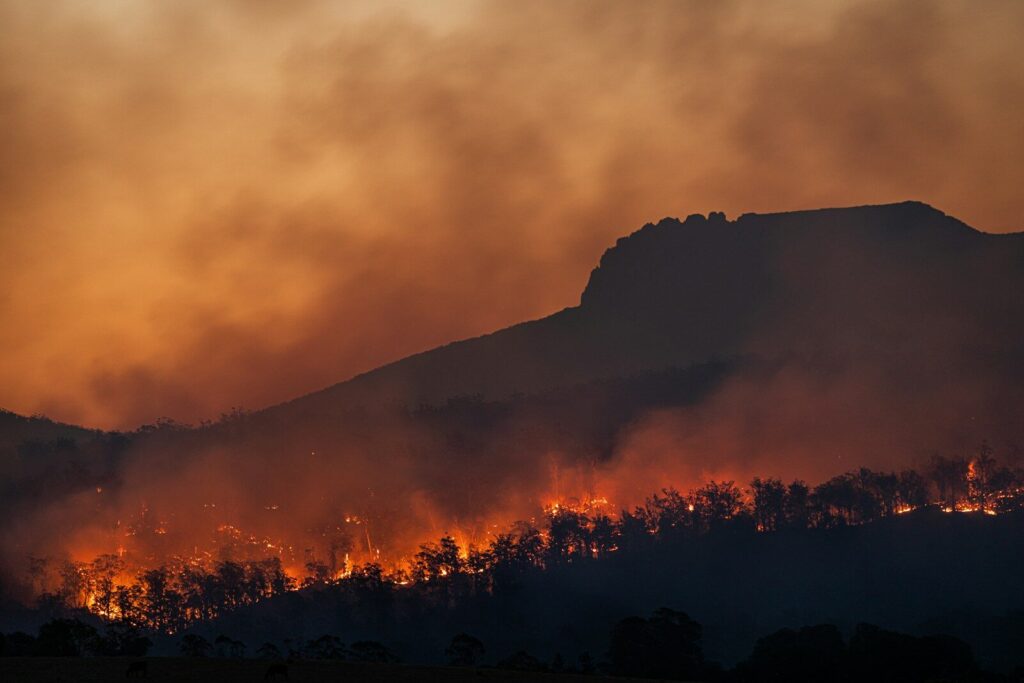
Climate change food shortage risks are rising as temperatures increase, droughts intensify, and extreme weather disrupts farming systems. While food production has expanded over the past century, climate pressure now threatens crop yields, livestock health, and global supply chains.
Understanding how climate change contributes to a food shortage requires examining water availability, soil stability, heat stress, and economic disruption together.
Food systems operate as interconnected networks. Therefore, even localized climate shocks can trigger wider instability.
Rising Temperatures and Crop Yield Decline
One major driver of climate change food shortage risk is rising heat. Many staple crops such as corn, wheat, and rice grow within narrow temperature ranges.
When temperatures exceed optimal thresholds, plants experience stress. As a result:
• Photosynthesis slows
• Pollination declines
• Grain development weakens
Heat waves during flowering stages can sharply reduce harvest volumes.
In the United States, extreme heat increasingly affects key agricultural regions. Therefore, prolonged warming trends may reduce yield reliability over time.


Caption: Heat stress reduces crop yields and increases climate related food risk.
Drought and Water Scarcity
Water availability plays a central role in climate change food shortage scenarios. Agriculture consumes a large share of freshwater resources.
However, warming temperatures increase evaporation. At the same time, shifting rainfall patterns reduce reliable precipitation in many regions.
This combination intensifies drought conditions.
Water stressed regions already face groundwater depletion challenges. You can explore how aquifer decline affects long term water security in our analysis of America’s groundwater crisis.
Without sufficient irrigation, crop productivity declines. Livestock also suffer when pasture dries and feed becomes scarce.
Extreme Weather Disruptions
Climate change increases the frequency and intensity of extreme weather events. Hurricanes, floods, and unseasonal storms damage crops, storage facilities, and transportation routes.
For example, heavy rainfall can destroy seedlings or delay planting. Conversely, floods can wash away fertile topsoil.
Meanwhile, hurricanes disrupt coastal agriculture and food distribution networks.
These patterns compound over time. You can see similar system wide effects in our coverage of marine heatwaves and fisheries stress.
When transportation networks fail, shortages may emerge even if harvest volumes remain adequate elsewhere.
Soil Degradation and Ecosystem Stress
Climate change also affects soil health. Higher temperatures accelerate organic matter breakdown. In addition, heavy rainfall increases erosion.
Healthy soil retains moisture and nutrients. Degraded soil loses resilience.
Furthermore, climate shifts expand the range of invasive pests and crop diseases. Warmer winters allow insects to survive in greater numbers.
These ecological pressures increase the likelihood of crop loss.
You can explore how invasive species affect ecosystems and agriculture in our article on invasive pests impact.


Caption: Extreme weather and ecological stress increase food system vulnerability.
Global Trade and Supply Chain Instability
Modern food systems rely on global trade. Countries import grains, fertilizer, and animal feed from multiple regions.
Therefore, climate disruptions in one major producing country can affect global prices.
For example, drought in a grain exporting nation may reduce supply worldwide. This can increase food prices in regions already facing economic stress.
Because food markets connect globally, climate change food shortage risks extend beyond local farming communities.
Fertilizer and Input Constraints
Climate change also interacts with fertilizer production and distribution. Extreme weather can damage natural gas infrastructure, which supports fertilizer manufacturing.
In addition, water scarcity can limit irrigation dependent farming systems.
These pressures amplify food insecurity risk, especially in low income regions.
Can Technology Offset the Risk
Agricultural innovation offers potential solutions. Drought resistant crop varieties, improved irrigation efficiency, and climate forecasting tools can reduce vulnerability.
However, adaptation requires investment, education, and stable policy support.
In addition, sustainable food systems that reduce waste and diversify crops can improve resilience. You can learn more about structural reform in our article on sustainable food systems.
Does Climate Change Guarantee a Food Shortage
Climate change does not guarantee immediate global famine. However, it increases the probability of localized shortages, price spikes, and instability.
Risk accumulates gradually. Multiple moderate disruptions across regions can combine into broader supply stress.
Therefore, the question is not whether food systems will change. The question is how quickly adaptation can match climate pressure.
The Bigger Picture
Climate change food shortage risks reflect systemic vulnerability. Agriculture depends on stable temperatures, predictable rainfall, healthy soil, and reliable water.
As climate systems shift, these foundations become less certain.
Addressing the risk requires:
• Emission reduction
• Water conservation
• Soil restoration
• Infrastructure resilience
• Policy coordination
Food security ultimately depends on environmental stability.
Understanding how climate change might contribute to a food shortage helps policymakers, farmers, and consumers prepare for long term change.