How Groundwater Pumping Is Tilting Earth’s Axis: What You Need to Know
Published on February 28, 2026 by Dr. A. M.

Groundwater pumping tilting Earth’s axis is no longer a theoretical concept. It is a measurable geophysical phenomenon supported by satellite data and climate research. When humans extract massive volumes of groundwater, we redistribute weight across the planet. That redistribution slightly shifts Earth’s rotation axis.
While the shift is small in physical distance, the implications are scientifically significant. It reflects the scale of global groundwater depletion and its role in sea level rise, climate risk, and planetary stability.
This article explains the science behind groundwater pumping tilting Earth’s axis, its environmental and economic impacts, and the solutions needed to reduce long term risk.
Key Concepts and Scientific Foundation
What Is Groundwater Pumping?
Groundwater pumping refers to extracting water from underground aquifers for agriculture, industry, and urban use. Globally, irrigation accounts for nearly 70 percent of freshwater withdrawals. Many regions rely heavily on aquifers because surface water is unreliable or seasonal.
However, when extraction exceeds natural recharge rates, groundwater depletion occurs.
How Mass Redistribution Affects Earth’s Rotation
Earth rotates around an axis that passes through the North and South Poles. This axis is not fixed. It shifts due to changes in mass distribution on the planet.
When large amounts of groundwater are pumped and eventually flow into oceans through rivers and runoff, mass moves from land to sea. That change alters Earth’s moment of inertia. As a result, the rotation axis shifts slightly, a phenomenon known as polar motion.
Satellite gravity missions such as NASA’s GRACE program have confirmed large scale groundwater loss in regions including northern India, western United States, and parts of the Middle East.
What Research Shows
A 2023 study published in the journal Geophysical Research Letters estimated that from 1993 to 2010, humans pumped approximately 2,150 gigatons of groundwater. This redistribution contributed to a pole shift of about 4.3 centimeters per year.
Importantly, groundwater depletion also contributed roughly 6 millimeters to global sea level rise during that period.
These numbers may appear small. However, in planetary physics, such changes are measurable and meaningful.
Environmental and Economic Impacts
Contribution to Sea Level Rise
Groundwater pumping tilting Earth’s axis is directly linked to sea level rise. Once groundwater is extracted and enters oceans, it becomes part of the global water cycle.
Sea level rise increases:
- Coastal flooding frequency
- Saltwater intrusion into freshwater systems
- Infrastructure damage
- Insurance and property risk
Low lying coastal cities such as Miami and Jakarta are already experiencing compounded risk from subsidence and rising seas.
Aquifer Depletion and Land Subsidence
Excessive pumping causes land to sink. This process, known as land subsidence, damages infrastructure and reduces aquifer storage capacity.
In California’s Central Valley, parts of agricultural land have subsided by several meters over decades due to over extraction. Once aquifers compact, their storage potential permanently declines.
Agricultural and Food Security Risks
Regions that depend on groundwater irrigation face long term productivity risks. Countries such as India and United States rely heavily on groundwater for staple crops.
Declining aquifers can lead to:
- Reduced crop yields
- Increased energy costs for deeper pumping
- Water conflicts
- Rural economic instability
For investors and policymakers, groundwater depletion represents a climate risk multiplier.
Real World Case Studies and Applications
Northern India
Northern India has experienced some of the fastest groundwater depletion rates globally. Satellite data from NASA show significant mass loss in the Indo Gangetic Basin.
Intensive rice and wheat cultivation, combined with subsidized electricity for pumping, has accelerated depletion. Consequently, groundwater pumping tilting Earth’s axis includes measurable contributions from this region.
Western United States
In California, the Sustainable Groundwater Management Act was passed in 2014 to regulate aquifer use. The policy requires local groundwater sustainability agencies to balance extraction with recharge by 2040.
This is an example of policy intervention aimed at reversing depletion trends.
Middle East and North Africa
Arid countries such as Saudi Arabia have historically used fossil groundwater for agriculture. However, recognizing depletion risks, Saudi Arabia reduced domestic wheat production to conserve water.
This shift illustrates how water scarcity can reshape national agricultural strategy.
Challenges and Barriers
Weak Governance
Many countries lack robust groundwater monitoring systems. Aquifers often cross political boundaries, which complicates regulation.
Without clear data and enforcement, over pumping continues unchecked.
Energy Subsidies
Cheap electricity or diesel subsidies lower pumping costs. While politically popular, these incentives accelerate depletion.
Reforming subsidies is politically sensitive but necessary.
Climate Change Interactions
Climate change reduces snowpack and alters rainfall patterns. As surface water becomes less reliable, groundwater extraction increases.
This feedback loop intensifies groundwater pumping tilting Earth’s axis.
Data Gaps
While satellite data provide global insights, local aquifer monitoring remains uneven. Developing countries often lack detailed hydrogeological mapping.
Solutions and Strategic Pathways
Addressing groundwater pumping tilting Earth’s axis requires systemic reform across agriculture, policy, and technology.
1. Sustainable Groundwater Management
Governments must:
- Establish extraction caps
- Implement aquifer recharge programs
- Use real time monitoring systems
- Enforce penalties for over extraction
Water accounting frameworks improve transparency and long term planning.
2. Agricultural Transition
Shifting from water intensive crops to drought resistant varieties reduces demand.
Drip irrigation can cut water use by 30 to 50 percent compared to flood irrigation.
Precision agriculture technologies optimize water delivery and reduce waste.
3. Managed Aquifer Recharge
Capturing stormwater and directing it into aquifers helps restore groundwater levels.
Urban green infrastructure and restored wetlands support recharge.
4. Pricing Reform
Water pricing that reflects scarcity encourages efficiency.
Gradual removal of harmful energy subsidies reduces unsustainable pumping incentives.
5. Consumer and Investor Action
Consumers can:
- Reduce food waste
- Support sustainable agriculture
- Choose products with lower water footprints
Investors can integrate groundwater risk into environmental, social, and governance assessments.
Frequently Asked Questions
Is groundwater pumping really tilting Earth’s axis?
Yes. Peer reviewed research confirms that large scale groundwater depletion redistributes mass enough to shift Earth’s rotational pole slightly.
How much has Earth’s axis shifted?
Between 1993 and 2010, groundwater redistribution contributed to a pole shift of approximately 4.3 centimeters per year.
Does this affect daily life?
The direct tilt does not change day length in noticeable ways. However, the underlying groundwater depletion contributes to sea level rise and water scarcity, which have major societal impacts.
Can the tilt be reversed?
Reducing groundwater extraction and restoring aquifers can slow further shifts. However, full reversal depends on long term hydrological balance.
Visualizing Groundwater Depletion
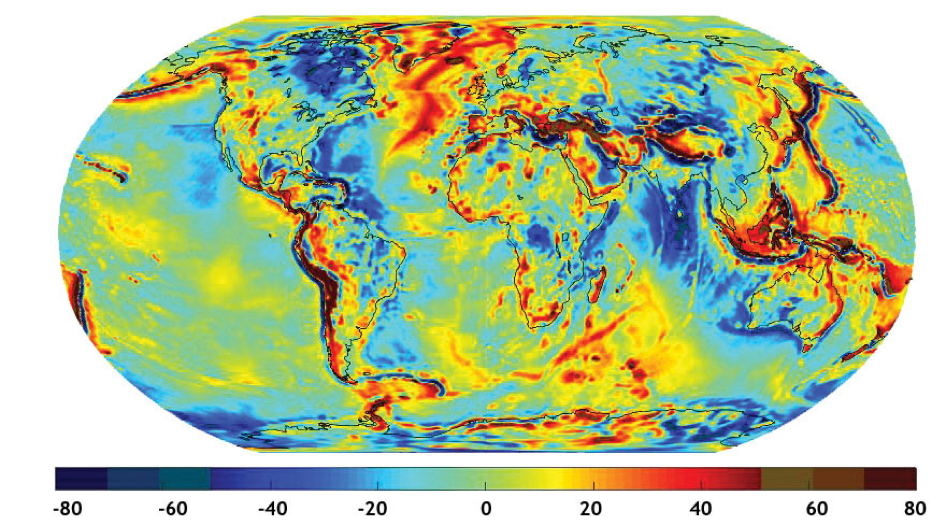
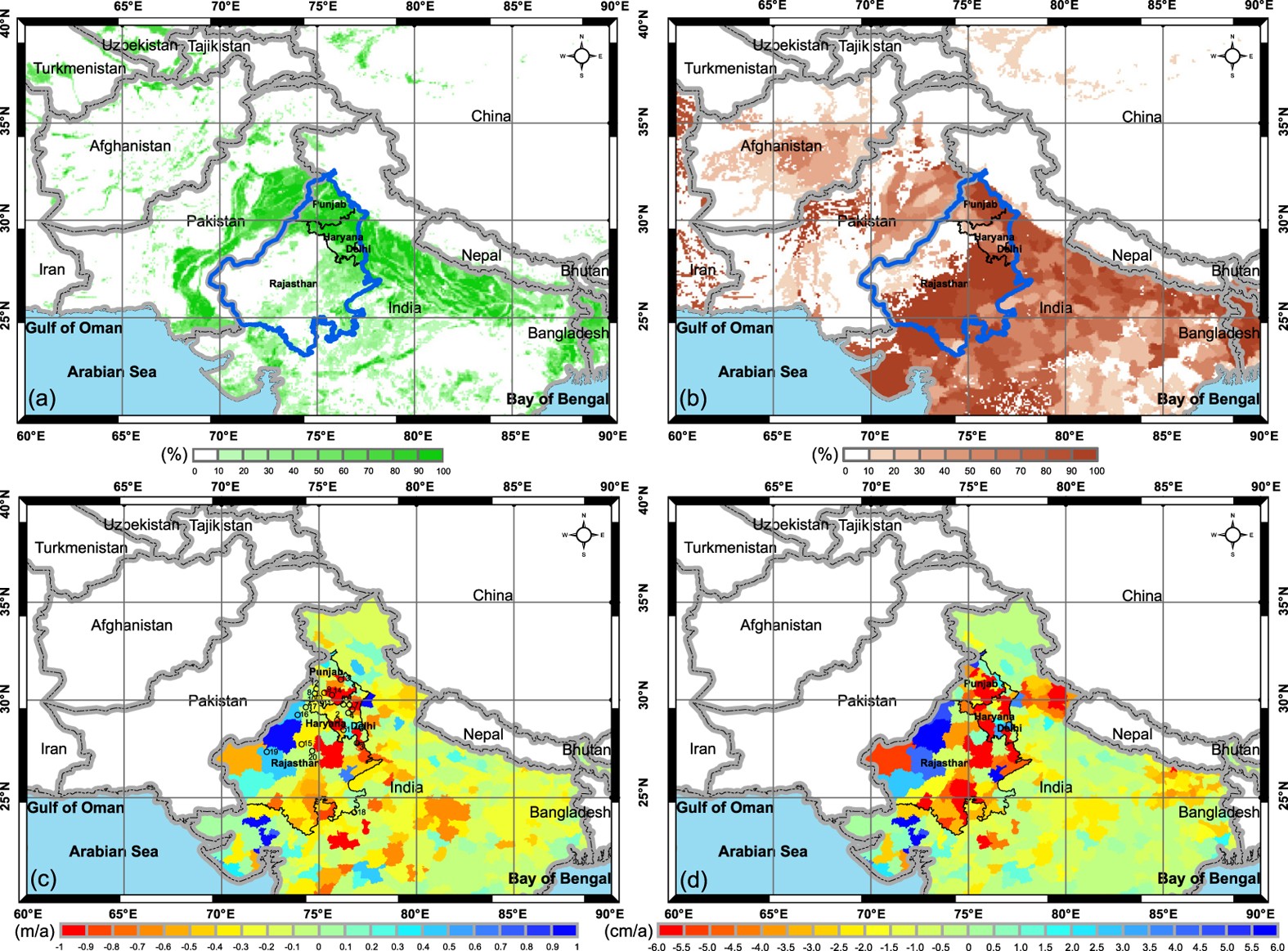
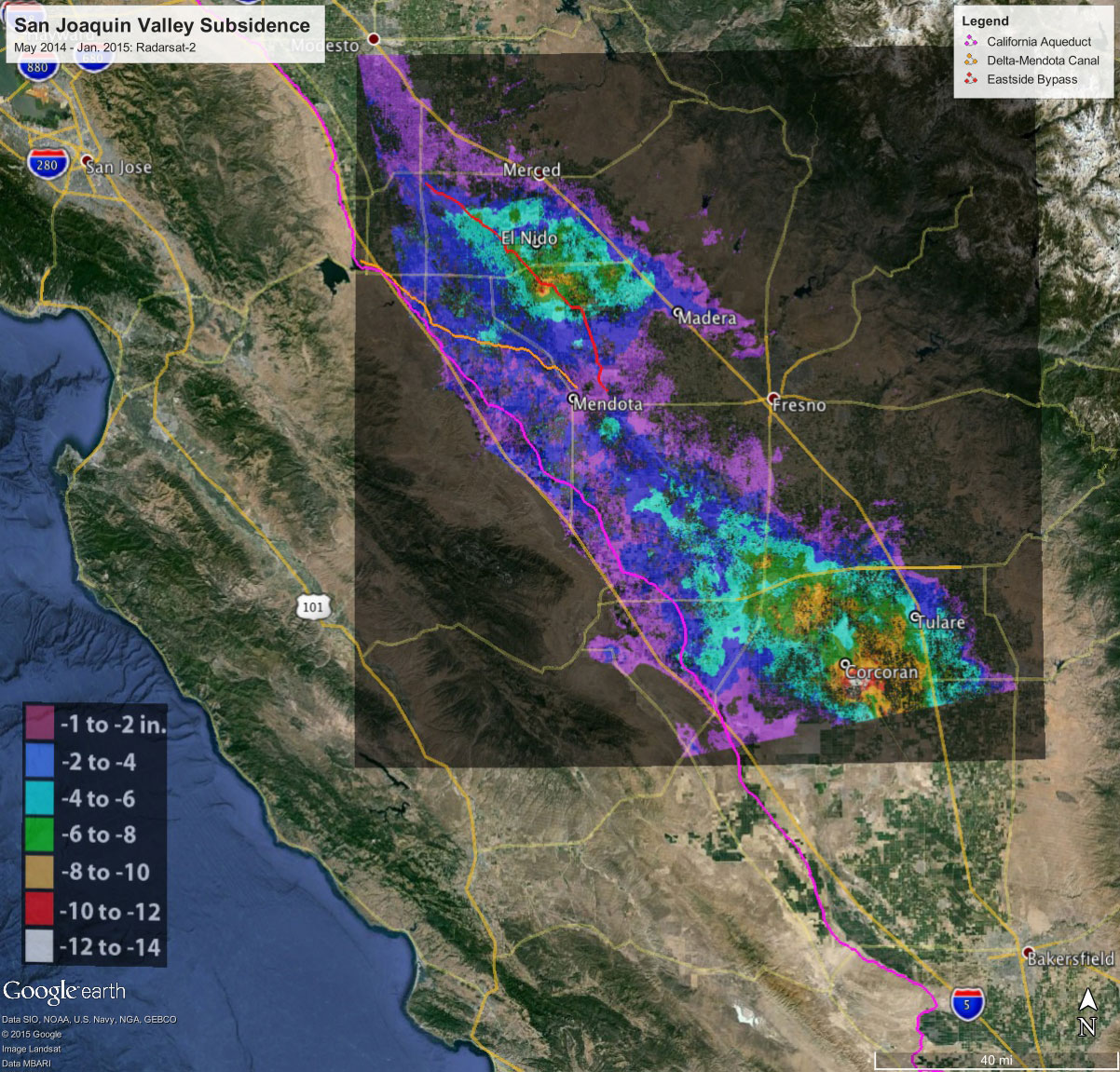
Image Description: Satellite-based gravity and land subsidence maps showing groundwater depletion patterns.
Conclusion
Groundwater pumping tilting Earth’s axis highlights the scale of human impact on planetary systems. Although the axial shift is small, it reflects massive groundwater depletion and its contribution to sea level rise.
More importantly, this phenomenon underscores the urgent need for sustainable water governance. By reforming agricultural practices, implementing groundwater regulation, investing in recharge systems, and aligning financial incentives, societies can reduce long term hydrological risk.
Groundwater is a strategic resource. Protecting it is not only about local water security. It is about planetary stability.
The science is clear. The policy tools exist. What remains is coordinated implementation.