Glyphosate: Health Risks, Food Exposure, Policy, and Sustainable Alternatives
Published on February 23, 2026 by Dr. A. M.
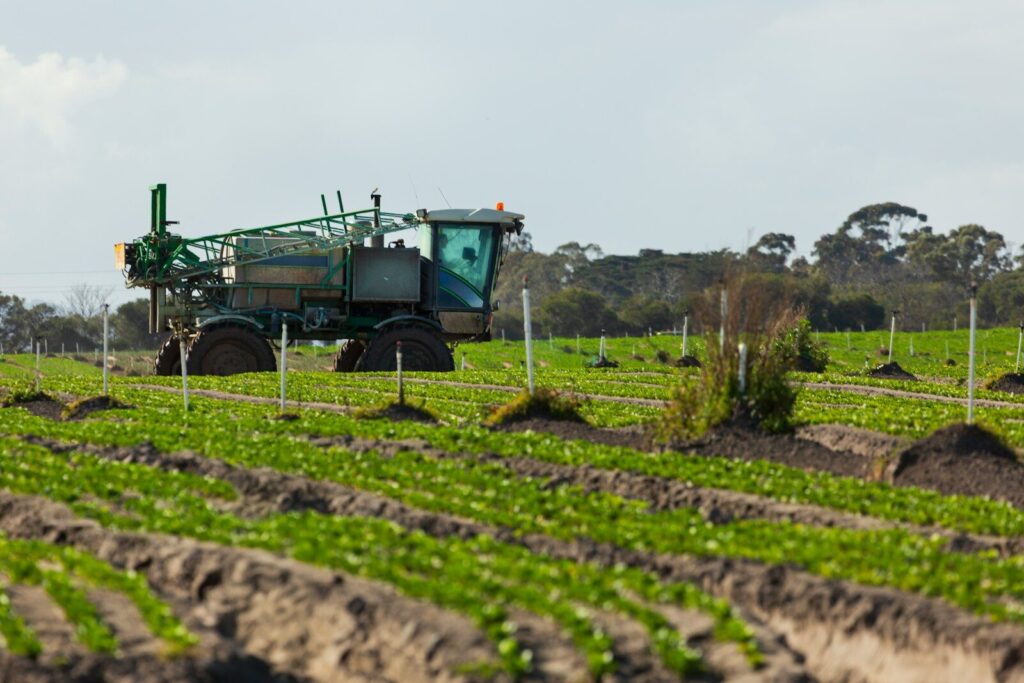
Glyphosate is the most widely used herbicide in modern agriculture. It underpins industrial farming systems, shapes food production, and sits at the center of intense public debate about cancer risk, environmental damage, and regulatory policy.
Since its patenting in 1974 as Roundup, glyphosate use has expanded dramatically. Today, it is sprayed on nearly 300 million acres of U.S. cropland annually. Meanwhile, lawsuits, executive orders, and global regulatory reviews have kept glyphosate in the headlines.
This article answers the most searched questions about glyphosate, including:
• What is glyphosate
• Is glyphosate safe
• Does glyphosate cause cancer
• Glyphosate in food and bread
• Glyphosate executive orders
• Is glyphosate banned in Europe
• How to avoid glyphosate
Importantly, we examine glyphosate through a climate, sustainability, and environmental systems lens.
What Is Glyphosate and How Does It Work
Glyphosate is a broad spectrum systemic herbicide. It kills plants by inhibiting the enzyme EPSPS in the shikimate pathway, which plants use to synthesize essential aromatic amino acids. Without these amino acids, plants cannot survive.
It was first synthesized in 1964 as an industrial descaler. In 1974, Monsanto patented it as a herbicide under the brand Roundup.
Why Did Glyphosate Use Explode
In 1994, glyphosate resistant genetically modified crops were approved. These crops, often called Roundup Ready, allowed farmers to spray fields without harming the crop itself.
As a result:
• Usage increased roughly 15 fold
• Monoculture systems expanded
• No till farming became more common
Today, glyphosate based herbicides are used in:
• Corn
• Soy
• Wheat
• Oats
• Cotton
• Residential lawns
• Roadside vegetation management
Environmental and Climate Impacts of Glyphosate
Glyphosate is often defended as enabling conservation tillage. Reduced tillage can lower soil erosion and decrease short term carbon loss from soil. However, the environmental picture is more complex.
Soil Health
Although glyphosate does not directly target animals, it affects soil microbiomes. Studies show:
• Reduced microbial diversity
• Disruption of beneficial fungi
• Increased vulnerability to soil pathogens
Healthy soil microbiomes are critical for carbon sequestration and climate resilience. Therefore, overreliance on glyphosate can undermine long term regenerative capacity.
Water Contamination
Glyphosate and its breakdown product AMPA have been detected in:
• Rainwater samples in the United States
• Surface waters near agricultural areas
• Groundwater in intensive farming regions
Water contamination increases ecological stress in freshwater systems.
Biodiversity Loss
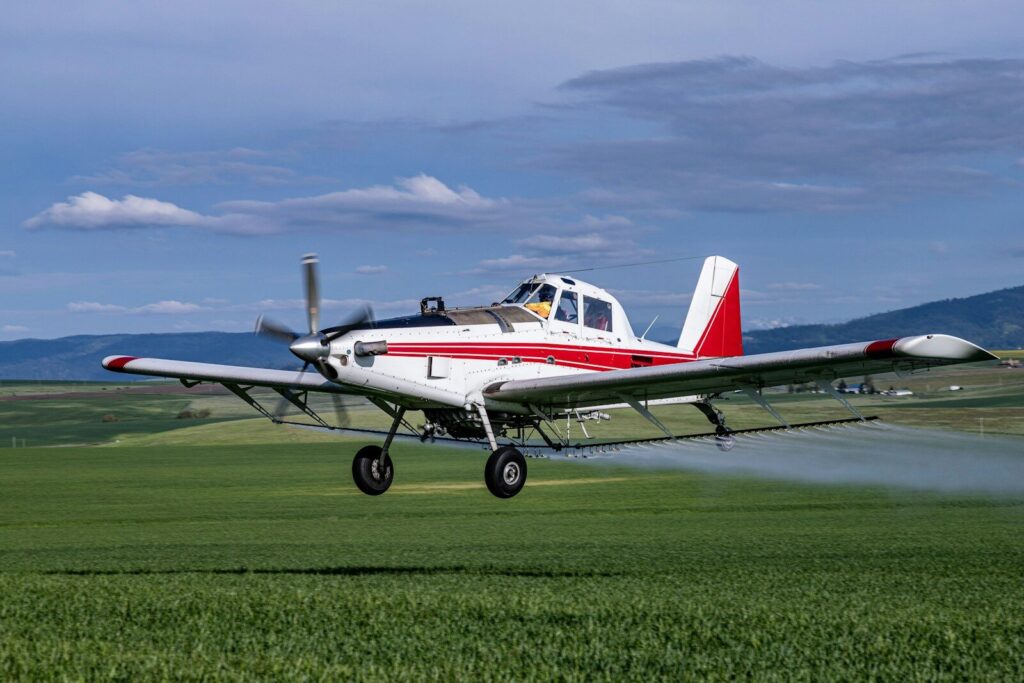
Because glyphosate eliminates broadleaf plants, it reduces habitat and food sources for insects and pollinators. This contributes to:
• Declines in monarch butterfly populations
• Reduced pollinator diversity
• Simplified agroecosystems
Biodiversity loss weakens agricultural resilience under climate stress.
Glyphosate and Human Health
The central public question remains: Is glyphosate safe
Does Glyphosate Cause Cancer
In 2015, the International Agency for Research on Cancer classified glyphosate as probably carcinogenic to humans. This classification was based on limited evidence in humans and sufficient evidence in experimental animals.
However, regulatory agencies such as the U.S. Environmental Protection Agency have maintained that glyphosate is unlikely to pose a cancer risk when used as directed.
This regulatory divergence has fueled public confusion and litigation.
Lawsuits and Legal Developments
After Bayer acquired Monsanto in 2018 for 63 billion dollars, it inherited thousands of lawsuits alleging that Roundup caused non Hodgkin lymphoma.
Key developments include:
• Multi billion dollar jury verdicts in early cases
• Ongoing settlements totaling billions
• U.S. Supreme Court review of federal versus state regulatory authority
These lawsuits have shaped market uncertainty and investor risk assessments.
Glyphosate in Urine and Biomonitoring
A CDC study reported detection of glyphosate in roughly 80 percent of urine samples tested. Detection does not equal toxicity, but it indicates widespread exposure.
Glyphosate Toxicity
Acute toxicity is considered low relative to many other herbicides. However, long term low dose exposure remains controversial. Research continues regarding endocrine disruption, microbiome effects, and chronic disease links.
Glyphosate in Food: Bread, Oats, and Beer
Search interest in glyphosate in food has surged, especially regarding bread, flour, oats, and oatmeal.
Why Is Glyphosate Found in Bread
In some regions, farmers use glyphosate as a pre harvest desiccant on wheat and oats. This practice can leave trace residues in:
• Flour
• Bread
• Breakfast cereals
• Oatmeal
• Beer
Residue levels are regulated and typically below established maximum limits. However, consumer concern persists.
Organic Bread and Glyphosate Free Flour
Certified organic standards prohibit synthetic herbicides like glyphosate. Therefore:
• Organic bread
• Organic oats
• Organic flour
are produced without direct glyphosate application.
However, trace contamination from environmental drift can still occur.
Consumers searching for glyphosate free bread or glyphosate free oats should prioritize certified organic labels and third party residue testing transparency.
Policy, Executive Orders, and Political Debate
Glyphosate has entered national political discourse.
Defense Production Act and Executive Order Context
A recent executive order invoking the Defense Production Act aimed to secure domestic glyphosate supply. The stated rationale was to protect U.S. agricultural productivity.
Supporters argue that without glyphosate, crop yields and food security could suffer.
Critics counter that continued dependence reinforces industrial monocultures and delays transition to sustainable systems.
Is Glyphosate Banned in Europe
Glyphosate is not fully banned in the European Union. However, approval has been politically contentious. Several countries have attempted restrictions or phase out proposals.
The EU periodically re evaluates its authorization based on updated risk assessments.
Real World Case Studies
1. U.S. Cropland Dependence
Approximately 298 million acres of U.S. cropland are treated annually. This scale highlights systemic reliance.
2. Corporate Liability and Investor Risk
Bayer has allocated billions for settlements. Litigation exposure has affected its market valuation and long term strategy.
This demonstrates how environmental health controversies translate into financial risk.
3. Regenerative Agriculture Transition
Farmers adopting regenerative practices often reduce or eliminate glyphosate by using:
• Cover crops
• Crop rotation
• Mechanical weed control
• Integrated pest management
These systems can improve soil carbon sequestration and resilience.
Challenges and Barriers to Change
Despite concerns, reducing glyphosate use is not simple.
Economic Barriers
• Lower short term profitability without chemical weed control
• Higher labor costs
• Equipment investment requirements
Agronomic Barriers
• Herbicide resistant weeds
• Yield uncertainty during transition
• Limited technical support
Political and Legal Barriers
• Federal preemption debates
• Trade implications
• Corporate lobbying
These structural barriers slow systemic reform.
Solutions and Strategic Pathways
A sustainable transition requires multi level action.
1. Diversified Cropping Systems
Crop rotations and polycultures reduce weed pressure naturally.
2. Cover Cropping
Cover crops suppress weeds, enhance soil organic matter, and improve water retention.
3. Precision Agriculture
Targeted application technologies reduce chemical volume per acre.
4. Policy Reform
• Incentivize regenerative agriculture
• Strengthen independent toxicology research
• Improve residue transparency labeling
5. Consumer Action
Consumers can:
• Choose organic products
• Support local regenerative farms
• Advocate for pesticide disclosure laws
Market demand influences supply chains.
Frequently Asked Questions
What is glyphosate found in
Glyphosate residues may be found in grains, oats, wheat products, soy products, and processed foods derived from treated crops.
Is glyphosate harmful to humans
Scientific agencies disagree. Some classify it as probably carcinogenic, while others consider it safe within regulatory limits. Ongoing research continues.
Does glyphosate cause cancer
Epidemiological evidence is mixed. Certain studies link occupational exposure to non Hodgkin lymphoma, but regulatory bodies remain divided.
How can I avoid glyphosate in food
• Buy certified organic
• Wash produce thoroughly
• Diversify diet
• Support regenerative producers
Conclusion
Glyphosate remains central to modern agriculture, yet it raises legitimate environmental, health, and climate resilience questions.
While glyphosate enables high yield industrial systems, it also reinforces monoculture dependence, biodiversity decline, and legal uncertainty.
The long term solution is not a single chemical substitution. Instead, it requires structural transition toward regenerative, diversified, and climate resilient farming systems.
Consumers, investors, and policymakers all influence this trajectory.
If food system sustainability matters to you, begin by understanding glyphosate, demanding transparency, and supporting agricultural practices that regenerate soil rather than degrade it.