Does Groundwater Extraction Cause Earthquakes? The Science Explained
Published on December 30, 2025 by Dr. Ahmad Mahmood
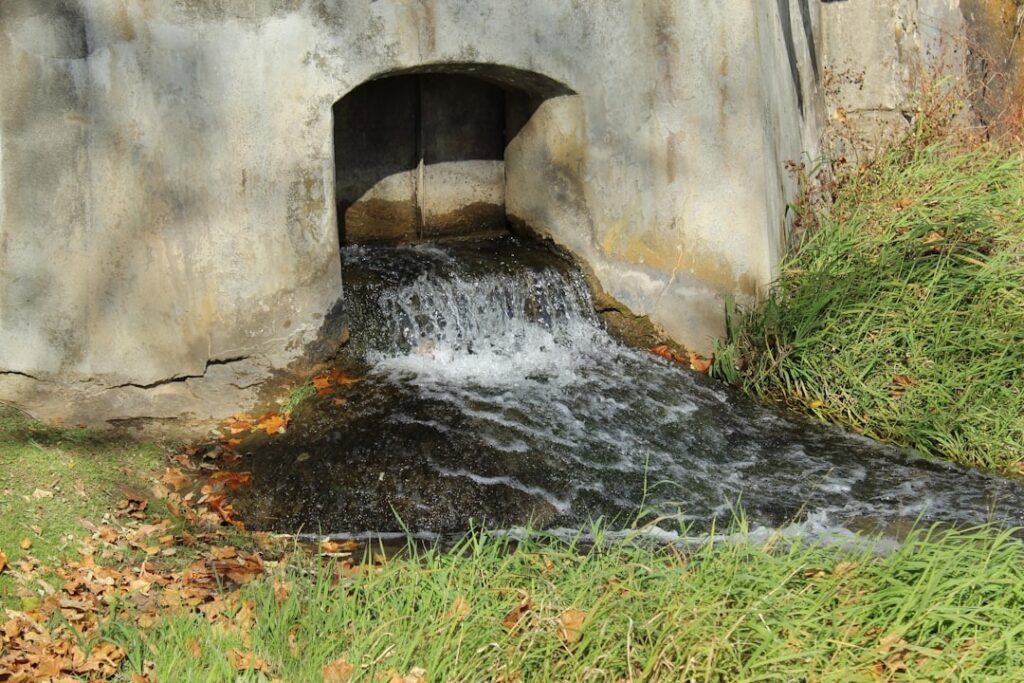
How Removing Water Triggers Earthquakes: The Science of Pore Pressure
We tend to think of earthquakes as massive, unstoppable events driven solely by tectonic plates crashing into each other deep underground. But recent science has uncovered a more human cause: our thirst for water.
It sounds like a disaster movie plot, but the link between extracting groundwater and seismic activity is well-documented. From the valleys of California to the plains of Spain, researchers are finding that when we drain the earth, the earth fights back.
But how does pumping water out of a shallow well cause a massive fault line miles underground to slip? The answer lies in a geological concept called Pore Pressure.
The “Brake Fluid” Analogy
To understand the physics, imagine the fault lines in the earth’s crust like the brakes on a car.
- The Fault: Two massive blocks of rock trying to slide past each other.
- Friction: The force holding them stuck together (the “brakes” are locked).
- Water (Pore Pressure): The fluid inside the cracks and pores of the rock.
Water deep underground is under immense pressure. This pressurized water actually pushes outward against the rock, acting like a lubricant. It reduces the normal stress (friction) between the rocks, allowing them to slide smoothly or stay balanced.
When we pump that water out, we remove the lubricant. The rocks grind together harder, friction increases, and the stress distribution changes. Eventually, the rock structure can no longer hold the tension, and it snaps.
The Physics of “Effective Stress” (The Sponge Effect)
Geologists use a term called Effective Stress. Think of an aquifer like a wet sponge. As long as the sponge is full of water, the water helps support the shape of the sponge.
When you drain the aquifer, the water is no longer there to shoulder the load. The full weight of the earth collapses down onto the rock structure. This sudden shift in weight does two things:
- Subsidence: It compresses the ground, causing the sinking we see in major cities like Jakarta.
- Crustal Unloading: It alters the weight pressing down on nearby fault lines.
If a fault was already close to slipping (a “critically stressed” fault), this tiny change in pressure is often the “straw that breaks the camel’s back.”
Case Study: The 2011 Lorca Earthquake
This isn’t just theoretical physics; it has happened in the real world. In May 2011, a magnitude 5.1 earthquake struck the town of Lorca in southern Spain, killing nine people and causing significant damage.
Scientists studying the event found a disturbing correlation. The region’s groundwater had been heavily over-pumped for decades to support local agriculture, dropping the water table by nearly 250 meters (820 feet).
A study published in the journal Nature Geoscience suggested that this massive removal of water unloaded the weight on the local crust, potentially triggering the slip on the Alhama de Murcia fault earlier than it would have happened naturally.
It’s Not Just About Fracking
When people hear “man-made earthquakes,” they usually think of hydraulic fracturing (fracking) or wastewater injection from oil drilling. While those industrial processes definitely cause tremors, groundwater extraction is a quieter, more widespread risk.
Fracking adds pressure to the ground (by injecting fluid). Groundwater extraction removes pressure. Both extremes can destabilize a fault line, but groundwater extraction is happening in almost every major city and agricultural zone on Earth.
The Bigger Picture
Understanding the mechanics of pore pressure is just the first step. To see the full scope of how climate change, water scarcity, and earthquake risks are all connected, you need to look at the data.
Read our comprehensive investigation here: The Unseen Link Between Climate Change and Seismicity.
-

What Is the Benefit of a Company Publishing a Sustainability Report
-

How the Illegal Sale of Pet Turtles Sparked a Salmonella Outbreak and Why It Matters
-

Hawaiian Bird Extinction Risk as Wildfires and Climate Change Intensify
-
Nuclear Plant Decommissioning Challenges and the Lack of a Permanent Waste Solution
-

Insecticides and Male Fertility: A Looming Threat to Reproductive Health
-
How Groundwater Pumping Is Tilting Earth’s Axis: What You Need to Know
-

Potassium Bromate Ban in the US: What It Means for Food Safety
-

North American Bird Decline Is Accelerating in Agricultural Hotspots
-

El Niño Outlook 2026: ENSO Forecast, Transition Timeline, and Global Risks
-
 Biodiversity & Ecosystem Conservation, Eco-Inspiration & Success Stories, Green Homes & Energy Efficiency, Sustainable Living
Best House Plants for Air Quality: Science, Benefits, and Smart Choices
-
Air Conditioning and Climate Change: A Growing Global Feedback Loop
-
Lake Mead Warming: A Systemic Climate Risk to Water and Energy Infrastructure