Coastal Adaptation Strategies: Building Resilience for U.S. Shorelines
Published on March 24, 2026 by Dr. A. M.
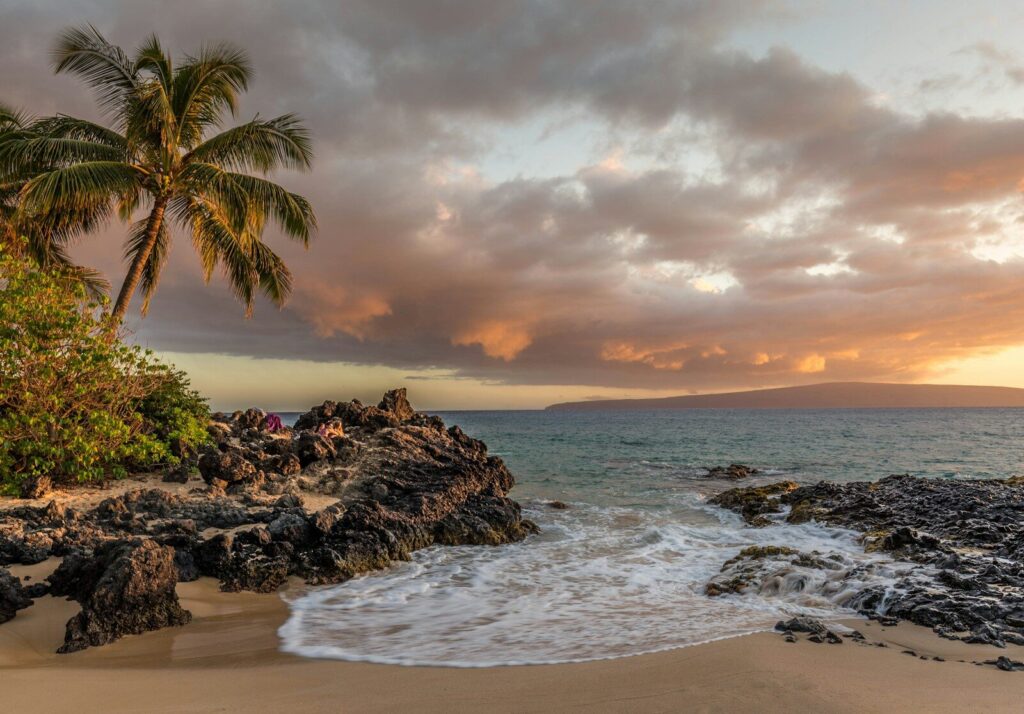
Rising seas, stronger storms, and accelerating erosion are reshaping coastlines across the United States. What once were “future risks” are now daily realities for coastal communities from the Gulf Coast to the Eastern Seaboard to Pacific states dealing with intensifying El Niño cycles.
This guide breaks down the most effective, science-driven coastal adaptation strategies—focusing not just on engineering solutions, but long-term systems thinking that supports resilient communities, ecosystems, and economies.
1. Why Coastal Adaptation Matters Now
Nearly 40% of Americans live in coastal counties, making the U.S. coastline one of the highest-risk population zones for climate impacts.
Sea-level rise, saltwater intrusion, storm surge, land subsidence, and loss of natural buffers all converge into a complex systems challenge.
Adaptation isn’t about fighting nature—it’s about working with ecological processes to reduce risks, preserve livelihoods, and plan for long-term resilience.
2. What’s Driving Coastal Change?
Climate change amplifies multiple processes:
Sea-Level Rise
Thermal expansion + melting land ice increases baseline water levels, pushing high tides further inland.
Stronger, Slower-Moving Storms
Warmer seas intensify hurricanes and nor’easters, producing extreme rainfall and prolonged surge conditions.
Coastal Erosion
Waves and currents remove beaches, dunes, and marshes faster than they can naturally rebuild.
Saltwater Intrusion
Aquifers and soils become saltier, affecting drinking water, crops, and ecosystems.
Human Alterations
Development, dredging, and hardened shorelines reduce natural resilience.
These combined forces make multi-layered adaptation strategies essential.
3. Adaptation Strategy #1: Nature-Based Solutions
Nature-based solutions are emerging as some of the most cost-effective, scalable tools for resilience.
Living Shorelines
- Plantings of marsh grasses
- Oyster reefs
- Coir logs and biodegradable structures
- Nearshore vegetation
They reduce wave energy, stabilize sediment, and provide habitat.
Dune Restoration
Rebuilding and stabilizing dunes with native grasses helps buffer storm surge and wind impacts.
Wetland Protection & Expansion
Wetlands store floodwaters, slow waves, and absorb pollutants—but require space and sediment to survive.
Mangrove and Kelp Restoration (Gulf & Pacific)
These reduce wave energy and support fisheries while sequestering carbon.
Why it works:
Nature-based systems adapt over time, unlike rigid infrastructure that degrades or fails catastrophically.
4. Adaptation Strategy #2: Resilient Infrastructure
Not all risks can be addressed by natural systems alone. Key structural adaptations include:
Elevated and Flood-Resistant Buildings
- Raised homes and utilities
- Breakaway ground-floor walls
- Flood vents
- Moisture-resistant materials
Storm Surge Barriers & Floodgates
Appropriate for highly urbanized zones (e.g., New York, New Orleans) where retreat is not feasible.
Hybrid Shoreline Infrastructure
Combines engineering with ecological design—such as concrete cores beneath restored dunes.
Floodable Parks and Public Spaces
Designed to hold stormwater safely rather than resist it.
5. Adaptation Strategy #3: Managed Retreat & Land-Use Planning
In the most vulnerable zones, long-term resilience may require stepping back from the advancing shoreline.
Voluntary Buyouts
Federal and state programs fund relocations from repeatedly flooded properties.
Rolling Easements
Allow shorelines to migrate naturally while limiting new construction.
Zoning Updates
Restrict development in high-risk floodplains or mandate climate-forward design standards.
Relocation of Critical Infrastructure
Moving roads, schools, wastewater plants, and power lines before they become too costly to protect.
Retreat is not failure—it’s strategic adaptation to unavoidable change.
6. Adaptation Strategy #4: Community and Social Resilience
Coastal adaptation isn’t just technical—it’s social.
Emergency Preparedness
- Updated evacuation routes
- Community hubs for disaster response
- Risk communication systems
Economic Diversification
Helps coastal towns dependent on tourism, fisheries, or ports withstand climate disruptions.
Insurance Reform
Aligns premiums with real climate risks while supporting equitable access.
Communities with strong social networks recover faster than those with only strong infrastructure.
7. Adaptation Strategy #5: Data, Monitoring & Early Warning Systems
Climate resilience depends on actionable intelligence:
- High-resolution flood maps
- Tide, wave, and surge sensors
- Coastal erosion forecasting
- Satellite-based land subsidence detection
Integrating these systems into local planning allows for adaptive, iterative decisions rather than fixed, outdated plans.
8. The Big Picture: Toward Systems-Level Coastal Resilience
Effective coastal adaptation requires thinking across:
- ecological systems
- infrastructure lifecycles
- housing policy
- economic dependencies
- long-term sea-level scenarios
The most resilient communities blend nature, science, governance, and culture into a unified strategy.
This isn’t only about protecting property—it’s about shaping sustainable, thriving coastal futures.
9. Forward-Looking Takeaways
- No single solution is sufficient; layered defenses are essential.
- Nature-based strategies are increasingly cost-effective & Discover-friendly.
- Communities that plan early are less vulnerable and more economically stable.
- Long-term coastal adaptation must consider 2050–2100, not just near-term forecasts.
Resilience is not a one-time project. It’s an evolving partnership between people, ecosystems, and foresight-driven planning.