Climate-Resilient Agriculture: Strategies for a Hotter, Uncertain Future
Published on March 25, 2026 by Dr. A. M.
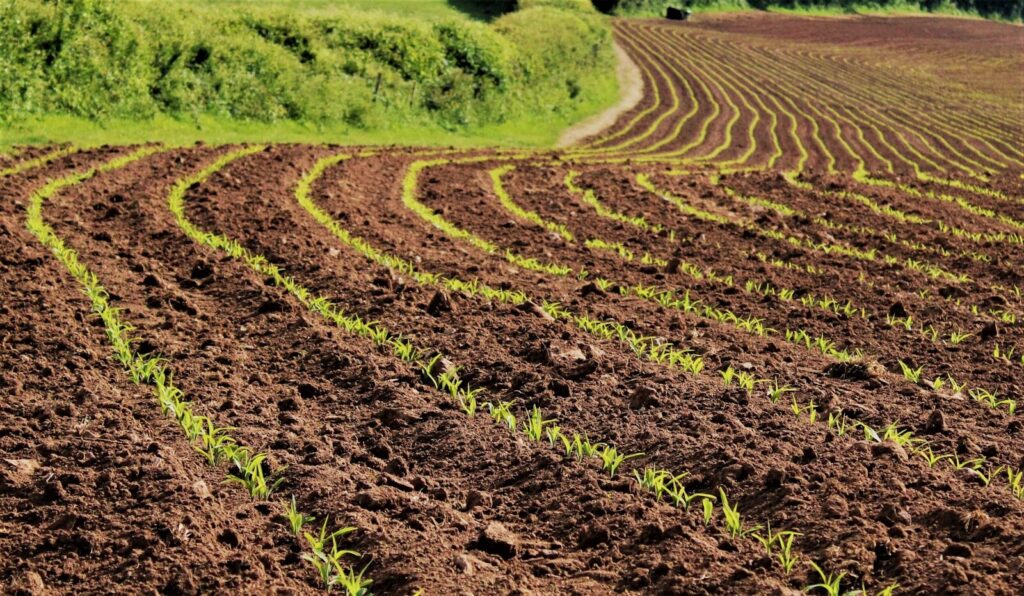
Agriculture sits at the center of the climate challenge. It is simultaneously a victim of climate extremes, a major contributor to global emissions, and one of our most powerful tools for building a more resilient future. Climate-resilient agriculture is not a single practice but a systems-level redesign of how we grow food, manage land, and support communities in an increasingly volatile world.
This article explores the science, the challenges, and the practical pathways to building food systems that can thrive in a changing climate.
What Is Climate-Resilient Agriculture?
Climate-resilient agriculture refers to farming systems that can withstand, adapt to, and recover from climate impacts—while improving productivity, environmental health, and farmer livelihoods.
It integrates:
- Adaptation: reducing vulnerability to droughts, floods, heatwaves, pests, and shifting seasons.
- Mitigation: lowering agricultural emissions from soil, livestock, fertilizers, and land-use change.
- Productivity: ensuring stable yields under uncertain climate conditions.
It is the foundation of future food security.
Why the Food System Is Under Pressure
Climate change is altering every stage of agricultural production:
1. Temperature and Heat Stress
Rising temperatures reduce yields for staples like corn, wheat, and rice. Heat stress affects livestock productivity, fertility, and mortality.
2. Water Scarcity and Drought
Longer, more intense droughts strain irrigation-dependent regions and dryland farming communities alike.
3. Intensified Flooding and Storms
Heavy precipitation events can destroy crops, contaminate soils, and overwhelm drainage systems.
4. Changing Pest and Disease Patterns
Warmer temperatures expand the ranges of pathogens and pests like fall armyworm and locusts.
5. Soil Degradation and Loss
Climate extremes accelerate erosion, nutrient loss, and desertification.
6. Supply Chain Vulnerability
From fertilizer disruptions to yield variability, climate instability is reshaping food economics.
Together, these impacts create systemic risks that require proactive adaptation, not reactive crisis management.
Core Principles of Climate-Resilient Agriculture
Climate resilience is built through interconnected strategies. The most evidence-backed include:
1. Soil Health as Infrastructure
Healthy soils act like natural reservoirs—storing water, cycling nutrients, and buffering against heat.
Key practices:
- cover crops
- reduced tillage
- compost and organic amendments
- diversified crop rotations
- agroforestry
Healthy soils increase infiltration, reduce erosion, and enhance carbon storage.
2. Water Resilience and Smart Irrigation
Agriculture must adapt to a future defined by both scarcity and excess.
Tools and strategies:
- micro-irrigation
- precision irrigation scheduling
- water harvesting systems
- managed aquifer recharge
- drainage improvements
- on-farm water recycling
3. Climate-Smart Crop Varieties
Selective breeding and biotechnology are accelerating crop resilience.
Emerging traits:
- drought tolerance
- heat-tolerant flowering
- salinity resistance
- faster maturation
- pest-resistant cultivars
Regional breeding programs are critical for local adaptation.
4. Diversification to Reduce Risk
Monocultures are highly vulnerable to climate disruptions.
Diverse systems allow farms to:
- spread risk across species
- support beneficial insects
- stabilize soil biology
- enhance ecosystem resilience
Approaches:
- intercropping
- polycultures
- multi-species pastures
- perennials integrated with annual crops
5. Regenerative Grazing and Livestock Strategies
Livestock systems face their own climate pressures.
Climate-resilient approaches:
- adaptive multi-paddock grazing
- feed diversification
- heat-tolerant breeds
- silvopasture (trees + pasture)
- improved manure management
6. Digital and Precision Agriculture
Data-driven tools help farmers optimize inputs and anticipate climate risks.
Examples:
- soil moisture sensors
- satellite-based crop monitoring
- climate-informed planting calendars
- AI-driven pest prediction
- autonomous irrigation systems
These innovations reduce resource use while boosting resilience.
7. Agroecology and Integrated Systems
Agroecology applies ecological principles to agriculture, enhancing long-term sustainability.
Its benefits include:
- increased biodiversity
- reduced chemical dependency
- strengthened local food systems
- improved soil-water-plant interactions
Agroecology builds resilience at farm and community scales.
Climate Resilience Across U.S. Agricultural Regions
To target U.S. readers, we must articulate geographically relevant impacts and pathways.
Midwest (Corn & Soy Belt)
Major climate risks:
- extreme rainfall
- spring planting delays
- summer heat stress
Resilience pathways:
- cover crops
- drainage improvements
- heat-tolerant hybrids
- diversified rotations
- prairie strips
California & Southwest
Risks:
- chronic drought
- water scarcity
- wildfire impacts
Resilience pathways:
- deficit irrigation
- drought-resilient crops
- managed groundwater recharge
- fallowing strategies
- reuse of treated wastewater
Great Plains
Risks:
- prolonged drought
- soil erosion
- variability in rainfall patterns
Resilience:
- regenerative grazing
- drought-tolerant wheat
- soil moisture monitoring
- no-till systems
Southeast
Risks:
- extreme heat
- hurricanes
- new pest pressures
Resilience:
- agroforestry
- flood-resilient crops
- dispersed livestock systems
U.S. agriculture requires regionally tailored adaptation, not one-size-fits-all innovations.
The Economics of Climate-Resilient Agriculture
Climate resilience is both a cost and an investment.
Short-term costs
- new irrigation systems
- improved drainage
- soil amendments
- new seed varieties
- technology adoption
Long-term benefits
- yield stability
- lower input costs
- reduced risk exposure
- higher soil productivity
- eligibility for new incentives or carbon markets
Farmers increasingly recognize that resilience is not optional; it’s economically essential.
Policy Tools and Government Incentives
A climate-resilient agricultural future requires supportive policy.
Essential frameworks:
1. Farm Bill Resilience Programs
- EQIP
- CSP
- RCPP
These programs help fund soil health, conservation, and water efficiency.
2. Crop Insurance Reform
Shifting from yield protection to resilience incentives improves long-term planning.
3. Federal and State Water Policy
Smart water allocation and conservation programs are crucial for western states.
4. Public Funding for R&D
Breeding for climate resilience must accelerate, with emphasis on regional crops.
5. Carbon and Ecosystem Service Markets
Emerging credit systems reward:
- carbon sequestration
- reduced nitrogen emissions
- improved water retention
Policy alignment is crucial for scaling resilience nationwide.
Climate-Resilient Agriculture as Climate Mitigation
Agriculture emits over 10% of U.S. greenhouse gases, but climate-resilient systems can dramatically reduce emissions through:
- soil carbon sequestration
- reduced nitrogen fertilizer use
- improved manure management
- agroforestry expansion
- renewable-energy-powered farms
A resilient food system is also a low-carbon food system.
The Human Side: Building Farmer Resilience
Technical solutions are only half of the equation.
Farmers require:
- financial stability
- mental-health resources
- climate extension services
- access to weather and risk data
- community networks
- fair compensation for stewardship
Resilience is not just agronomic—it’s social.
The Future: From Farm-Level to System-Level Resilience
Long-term resilience requires transformations at multiple scales:
Farm-level
Soil health, water efficiency, crop diversification.
Regional
Climate-adapted supply chains, shared infrastructure.
National
Policy reform, seed innovation, disaster risk financing.
Global
Trade adaptation, seed banks, climate-smart agricultural development.
Climate-resilient agriculture is a coordinated strategy, not an isolated practice.
Key Takeaways
- Climate-resilient agriculture is essential for navigating rising climate volatility.
- Soil health, water management, crop diversity, and technology integration are core pillars.
- U.S. regional strategies must be tailored to specific climate risks.
- Economic and policy frameworks are critical to scaling resilience.
- Climate resilience strengthens both food security and climate mitigation.
A resilient agricultural future is possible—but requires investment, innovation, and long-term systems thinking.
FAQs
What is climate-resilient agriculture?
Agricultural systems designed to withstand, adapt to, and recover from climate impacts while maintaining productivity.
How does climate change impact farming?
Through heat stress, water scarcity, extreme weather, pest shifts, and soil degradation.
Which practices improve resilience?
Soil health management, efficient irrigation, climate-smart crop varieties, diversification, and precision agriculture.
Why is soil health essential?
Healthy soils store more carbon and water, reduce erosion, and stabilize yields.
What role does policy play?
Federal and state programs provide funding, risk protection, and incentives for resilience strategies.