Climate Change and Its Growing Impact on Agriculture
Published on March 24, 2026 by Dr. A. M.
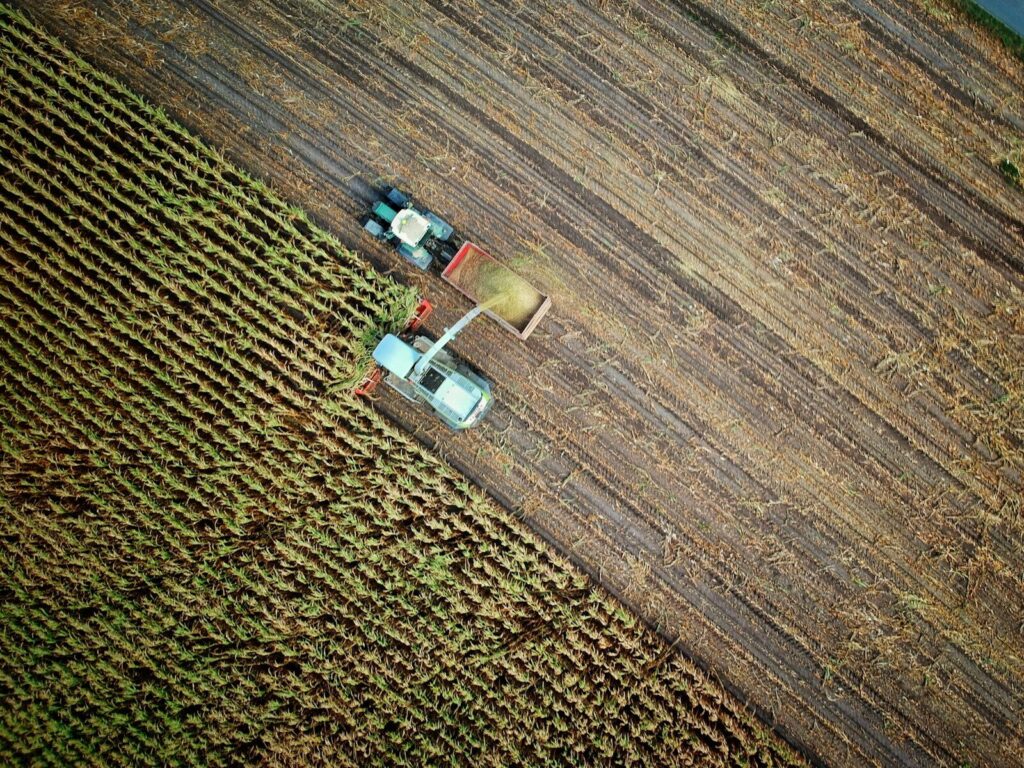
Agriculture in the United States is entering a new era in which familiar climate patterns can no longer be taken for granted. Rising temperatures, shifting rainfall, more extreme weather events, and new pest pressures are already reshaping how food is produced and where it can be grown. Understanding these changes is essential for farmers, policy makers, and anyone concerned with future food security.
Why Agriculture Is So Vulnerable to Climate Shifts
Agriculture depends on stable environmental conditions. Small changes in temperature or rainfall can alter plant growth, soil function, and water cycles. Climate change intensifies these sensitivities by creating wider and less predictable swings across growing seasons. The result is a system under increasing stress, with regional winners and losers emerging.
Rising Temperature Stress on Crops and Livestock
Warmer seasons influence crop development in several ways:
- Heat accelerates plant growth, reducing grain fill periods and lowering yields.
- Extreme heat during flowering stages sharply reduces pollination success.
- Livestock experience greater heat stress, causing reduced milk output, lower weight gain, and higher health risks.
Heat amplified by humidity in the central and southern United States is becoming a major productivity challenge.
Shifting Rainfall and Expanding Water Scarcity
Rainfall is becoming more uneven across the United States. Farmers face both delayed spring planting due to wetter soils and increased summer droughts that reduce soil moisture. Irrigation dependent regions such as the Southwest are already experiencing declining reservoir storage and groundwater depletion.
Water scarcity threatens high value crops including vegetables, fruits, and nuts, as well as staple grains in rain fed systems.
Soil Degradation and Erosion Under a Changing Climate
More frequent intense rain events wash away fertile topsoil while long dry spells reduce soil organic matter. These combined pressures lead to:
- Reduced soil structure
- Lower water infiltration
- Greater nutrient loss
- Higher vulnerability to drought
Healthy soil is a foundation for productive agriculture. Climate stress is pushing many regions toward long term degradation if protective practices are not adopted.
Rising Pest and Disease Pressures
Warmer winters allow pests to survive in greater numbers and expand their range. Crop diseases that once faded away with cold seasons are now persisting longer. This shift affects crops across the Midwest, the Southeast, and the Pacific Coast, increasing the need for monitoring and integrated pest management.
Regional Patterns Emerging Across the United States
The impact of climate change is not uniform. Patterns are beginning to appear:
- The Midwest may face more planting delays and greater flood risk in spring
- The Southwest is expected to experience escalating water scarcity
- The Southeast may see more heat stress days for both crops and livestock
- The Northern Plains and parts of the Northeast may gain longer frost free seasons
These shifting boundaries indicate that future growing maps for many crops will look different from today.
Climate Change and Food System Stability
Agricultural stress does not stop at the farm. Supply chains, food prices, rural economies, and national food security are all influenced by climate-driven changes. Greater variability in yields will likely contribute to price swings, with disproportionate effects on lower-income households.
Strategies for Building a More Resilient Agricultural Future
A resilient future will depend on coordinated action. Promising approaches include:
- Climate ready crop varieties designed for heat and drought tolerance
- Soil rebuilding practices such as cover crops, reduced tillage, and agroforestry
- Investment in efficient irrigation systems and water recycling
- Expansion of climate informed advisory services for farmers
- Regional diversification to reduce dependency on single crops
Adaptation combined with sustained mitigation of greenhouse gas emissions offers the best path to long term food system stability.
Looking Ahead
Climate change agricultural impacts are no longer distant projections. They are active forces already shaping harvests, landscapes, and farm decisions. The next decade will be critical as the United States develops policies that support both resilience and climate smart agriculture.
A sustainable food future is possible, but it requires clear understanding, bold planning, and a commitment to rebuild agricultural systems with climate risk at the center.