Life Cycle Assessment: The Scientific Method for Measuring True Sustainability
Introduction
Evaluating the actual environmental impact of a product or service requires rigorous scientific methodology rather than marketing assumptions. Without standardized empirical measurement, corporate sustainability claims inevitably default to deceptive greenwashing. A life cycle assessment provides the necessary scientific framework to quantify ecological footprints accurately. This rigorous methodology tracks all material inputs, energy consumption, and environmental emissions from initial resource extraction through to final disposal.
Understanding this empirical process is absolutely critical for policymakers, responsible investors, and environmentally conscious consumers. Evaluating single environmental attributes, such as basic plastic recyclability, often ignores the massive energy consumption required during the manufacturing phase. Implementing a comprehensive life cycle assessment prevents these blind spots and drives authentic ecological innovation. The following analysis explores the scientific foundation, complex economic impacts, and practical applications of this indispensable sustainability tool.
Table of Contents
Key Concepts and Scientific Foundation
A comprehensive life cycle assessment operates on the foundational principle of complete environmental accounting. This scientific method explicitly prevents organizations from shifting environmental burdens from one stage of production to another phase.
Defining the Methodology and ISO 14040
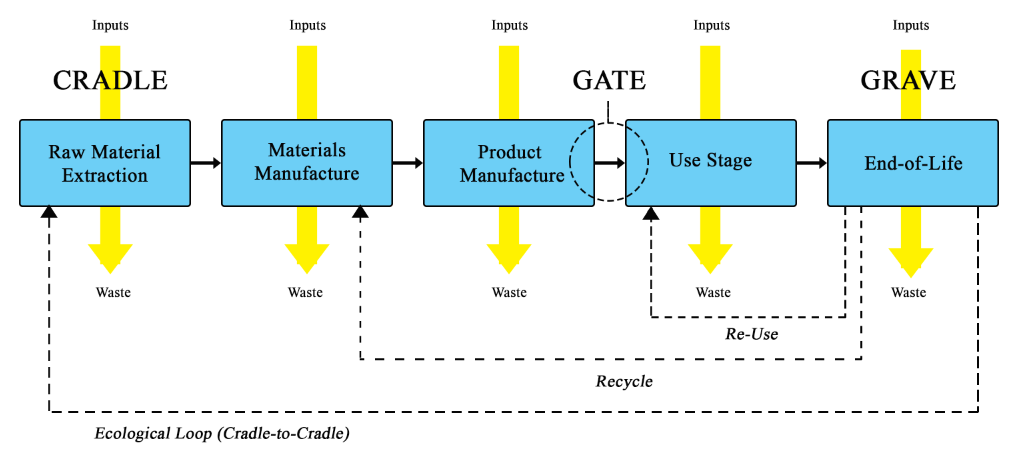
The International Organization for Standardization strictly outlines the specific framework for these evaluations under the ISO 14040 series. The assessment process requires defining highly precise system boundaries. These boundaries mathematically determine which specific industrial processes are included in the final analysis. A standard cradle to grave analysis encompasses raw material extraction, factory manufacturing, global distribution, consumer use, and end of life disposal. Alternatively, a cradle to cradle approach specifically models circular economy systems where waste materials perfectly become raw inputs for new products.
The Four Mechanisms of Evaluation
The methodology relies on four distinct, interconnected mechanisms. First, the goal and scope definition establishes the boundaries and the functional unit of the study. Second, the inventory analysis quantifies all energy inputs, freshwater usage, and chemical emissions released into the biosphere. Third, the impact assessment translates these raw data points into specific ecological consequences, such as global warming potential, stratospheric ozone depletion, or ocean acidification. Finally, the interpretation phase involves analyzing the resulting data to make informed, highly strategic design decisions.
Systems and Supply Chain Intersections
Executing a highly accurate life cycle assessment requires parsing complex global supply chain data. Analysts must track the specific electrical grids powering individual factories in different geopolitical regions. Furthermore, environmental engineers must calculate the precise fuel consumption of international maritime shipping routes. Consequently, this scientific method directly connects industrial engineering metrics to atmospheric and marine science data.
Environmental and Economic Impacts
Implementing rigorous environmental accounting generates profound ecological and financial consequences. The resulting data fundamentally alters how governments regulate heavy industries and how financial institutions allocate global capital.
Measurable Ecological Consequences
Accurate ecological accounting actively prevents well intentioned but ultimately destructive industrial design choices. Replacing lightweight plastic packaging with heavy glass containers can drastically increase greenhouse gas emissions due to transportation weight. A life cycle assessment immediately identifies these hidden ecological trade offs. Consequently, product designers can precisely target the specific supply chain stages responsible for the highest emissions and localized resource depletion.
Corporate Financial Implications
Optimizing product life cycles delivers substantial long term economic benefits. Identifying hidden energy inefficiencies directly reduces manufacturing overhead and transportation costs. Moreover, companies utilizing verified assessment data can easily comply with emerging carbon taxation policies. Institutional investors also heavily rely on this standardized data to accurately price climate risk within their massive global portfolios.
Global Market Standardization
Standardized environmental metrics actively create fair market competition. When government regulations mandate transparent reporting, companies can no longer compete using cheap, deceptive marketing tactics. Genuine sustainability leaders gain an immediate competitive advantage. Furthermore, regional governments use this precise data to establish baseline criteria for highly lucrative green public procurement contracts.
Real World Case Studies and Applications
Practical applications of this scientific method consistently reveal surprising insights across major global industries. Evidence based analysis frequently contradicts popular consumer assumptions regarding true sustainability.
Electric Vehicle Battery Production
The transition to global electrification heavily relies on life cycle assessment data. Critics frequently argue that electric vehicle manufacturing generates more initial carbon pollution than producing standard internal combustion engine vehicles. Rigorous assessments confirm that lithium ion battery manufacturing is indeed highly energy intensive. However, the exact data proves that over the total operational lifespan of the vehicle, electric cars generate significantly fewer absolute emissions, especially when charged via renewable energy grids.
Modern Agricultural Systems
Global food production systems are prime candidates for this type of rigorous evaluation. Assessments comparing industrial beef production to plant based protein alternatives reveal massive, systemic disparities. The data highlights extreme differences in land use footprint, freshwater consumption, and atmospheric methane emissions. Policymakers directly use this data to design national agricultural subsidies that financially incentivize lower impact farming techniques.
Sustainable Packaging Innovations
The fast moving consumer goods sector actively applies this methodology to packaging design. A prominent global beverage company recently utilized a life cycle assessment to compare aluminum cans, glass bottles, and recycled plastics. The scientific data revealed that transportation distances and regional recycling infrastructure drastically altered the most sustainable choice. As a result, the corporation optimized its packaging materials based on specific geographic markets rather than forcing a universal standard.
Challenges and Barriers
Despite its absolute scientific rigor, the widespread global adoption of comprehensive environmental accounting faces several significant structural and technical hurdles.
Technical Data Gaps
The primary technical challenge involves securing highly accurate primary data. Opaque global supply chains constantly obscure the exact geographical origin of raw materials. Consequently, analysts often must rely on secondary industry averages. This heavy reliance on proxy data can introduce significant margins of error into the final impact assessment.
System Boundary Manipulation
Organizations can subtly exploit system boundaries to artificially improve their environmental results. A manufacturing company might completely exclude the consumer use phase of a high energy appliance to present a vastly lower overall carbon footprint. This specific manipulation represents a highly sophisticated form of corporate greenwashing that requires expert third party auditing to detect and penalize.
Economic and Resource Barriers
Conducting a thoroughly verified life cycle assessment is highly expensive and tremendously time consuming. Small and medium enterprises frequently lack the required financial resources or specialized scientific personnel needed to execute these complex studies. Therefore, high cost barriers actively prevent widespread data standardization across smaller manufacturing sectors.
Solutions and Strategic Pathways
Accelerating the global adoption of rigorous environmental measurement requires heavily coordinated action to improve data access and strictly enforce corporate transparency.
Strict Policy Reform and Mandates
Governments must legally mandate Environmental Product Declarations for all heavy industries, including construction and textile manufacturing. These declarations are standardized public documents based directly on life cycle assessment data. The European Union is currently leading this critical transition by actively integrating these requirements into the sweeping Ecodesign for Sustainable Products Regulation.
Open Source Data Integration
Democratizing immediate access to complex supply chain data is totally essential for widespread corporate adoption. Scientific communities and federal governments should rapidly fund robust, open source environmental databases. Providing free, highly accurate inventory data drastically lowers the financial barrier for smaller companies attempting to evaluate their own physical products.
Industry Transformation via Artificial Intelligence
The rapid integration of artificial intelligence is completely transforming the assessment process. Machine learning algorithms can rapidly process massive global supply chain datasets to identify missing variables and optimize raw material choices in real time. Industry leaders must aggressively invest in these advanced technologies to transition from static annual reports to dynamic, continuous environmental monitoring.
Frequently Asked Questions
What is the main purpose of a life cycle assessment?
The primary purpose is to scientifically quantify the total environmental impacts of a product or service across its entire lifespan. This ensures that organizations make data driven decisions to actively reduce resource consumption without simply shifting the ecological damage to another stage of production.
What are the main phases of a life cycle assessment?
The standard phases outlined by ISO 14040 include goal and scope definition, inventory analysis, impact assessment, and final interpretation. These distinct phases provide a highly consistent scientific framework for measuring extremely complex environmental interactions.
How does a life cycle assessment prevent greenwashing?
It actively prevents greenwashing by requiring comprehensive supply chain data rather than isolated marketing claims. If a company claims a product is sustainable simply because it uses recycled plastic, the assessment will strictly verify if the energy used to recycle that plastic actually offsets the claimed environmental benefits.
Why is cradle to grave different from cradle to cradle?
A cradle to grave analysis evaluates a product from raw material extraction straight through to final disposal in a landfill. A cradle to cradle analysis focuses strictly on circular economy principles, ensuring products are designed so their end of life materials perfectly become raw inputs for new manufacturing cycles.
Conclusion
Transitioning to a truly resilient global economy unequivocally requires replacing vague marketing narratives with rigorous scientific measurement. A comprehensive life cycle assessment provides the definitive analytical framework for understanding exactly how human production systems interact with the natural world. By systematically tracking resource extraction, atmospheric emissions, and physical waste, this standardized methodology exposes hidden inefficiencies and highlights genuine pathways for planetary ecological restoration.
Overcoming the existing technical and economic barriers to widespread adoption requires decisive regulatory mandates and heavy investments in open source data infrastructure. Policymakers, industry leaders, and educated consumers must universally demand empirical evidence over superficial environmental claims. Ultimately, mandating transparent environmental accounting via life cycle assessment is an absolutely essential step toward preserving planetary boundaries and ensuring highly sustainable industrial design.
Decoding Eco-Labels: A Consumer’s Guide to Authentic Environmental Certifications
Introduction
The rapid expansion of sustainable consumerism has created a highly confusing marketplace. Shoppers routinely encounter thousands of products displaying green logos, leaves, and vague eco-friendly claims. However, distinguishing a mere marketing graphic from authentic environmental certifications requires specific knowledge and rigorous scrutiny. This distinction is critical for ensuring that consumer capital actually funds ecological restoration rather than deceptive corporate greenwashing.
Navigating this complex landscape matters immensely. Misdirected consumer spending rewards heavily polluting industries and penalizes companies investing in genuine sustainability. Therefore, identifying scientifically backed eco-labels is essential for driving systemic market transformation. The following analysis explores the scientific foundation of eco-labels, their economic impacts, and practical strategies for verifying legitimate sustainability claims.
Table of Contents
Key Concepts and Scientific Foundation
Understanding how eco-labels function requires examining the standards that govern them. Not all green logos carry the same scientific weight or legal authority.
The Three Types of Eco-Labels
The International Organization for Standardization provides a strict framework for categorizing environmental claims under the ISO 14020 series. Type I labels are voluntary, multi-criteria, and verified by an independent third party. These represent the highest standard of authentic environmental certifications. Type II labels are self-declared environmental claims made directly by the manufacturer without independent verification. Type III labels provide quantified environmental data derived from a life cycle assessment, acting much like a nutritional label for ecological impact.
The Necessity of Third-Party Verification
Third-party verification forms the scientific core of legitimate sustainability claims. This process ensures that an independent, unbiased organization evaluates a product against strict, publicly available criteria. Consequently, organizations cannot simply invent their own standards or grade their own performance. Rigorous third-party auditing prevents companies from hiding supply chain emissions or utilizing exploitative labor practices.
Systems and Supply Chain Tracking
Authentic environmental certifications require extensive supply chain tracking systems. Auditors must trace raw materials from the point of extraction through manufacturing facilities and distribution networks. This systemic approach guarantees that an eco-label reflects the entire ecological footprint of a product, rather than just the final assembly stage.
Environmental and Economic Impacts
The presence or absence of legitimate eco-labels heavily influences global ecological health and economic fairness.
Ecological Consequences
When consumers successfully identify and purchase products with authentic environmental certifications, they directly fund measurable ecological benefits. Certified sustainable forestry preserves crucial carbon sinks and protects biodiversity. Conversely, purchasing products with fake eco-labels accelerates habitat destruction and resource depletion. The ecological impact of a verified label is scientifically quantifiable in terms of reduced carbon emissions and minimized water pollution.
Financial Implications
Verified sustainability standards create massive economic shifts. Companies achieving legitimate certifications often command a premium price for their products. Furthermore, these organizations frequently secure lower interest rates from banks that incentivize sustainable business practices. Therefore, authentic environmental certifications function as a powerful financial mechanism to reward responsible corporate behavior.
Global Market Distortion
Unregulated self-declared claims create severe market distortion. Companies investing heavily in sustainable materials and third-party audits face unfair competition from competitors using cheap, deceptive marketing. This dynamic suppresses green innovation. Eliminating fake eco-labels is necessary to create a level playing field where genuine sustainability leaders can thrive economically.
Real World Case Studies and Applications
Examining recognized global standards provides practical examples of how these verification systems operate across different industries.
Forest Stewardship Council (FSC)
The FSC label remains a gold standard for sustainable timber and paper products. This certification guarantees that wood is harvested from forests managed to preserve biological diversity and benefit the lives of local workers. Crucially, FSC maintains a strict chain of custody standard. This ensures that certified wood is tracked precisely from the forest to the final consumer product.
Energy Star Certification
Energy Star operates as a government-backed symbol for energy efficiency. The United States Environmental Protection Agency strictly manages this program. Products earning this label must meet stringent energy efficiency specifications based on rigorous scientific testing. Consequently, this program has helped consumers save trillions of kilowatt-hours of electricity, drastically reducing global greenhouse gas emissions.
B Corporation Certification
B Corp certification represents a holistic approach to corporate sustainability. Rather than certifying a single product, this standard evaluates the entire social and environmental performance of a company. Organizations must undergo a rigorous assessment covering governance, workers, community, and ecological impact. Therefore, this certification provides consumers with confidence that the entire corporate entity prioritizes sustainable operations.
Challenges and Barriers
Despite their importance, the effectiveness of eco-labels faces several significant structural and economic obstacles.
Eco-Label Proliferation and Fatigue
The primary challenge for consumers is the sheer volume of available labels. Over four hundred different eco-labels currently exist globally. This massive proliferation causes severe consumer confusion and label fatigue. When shoppers encounter too many competing standards, they often abandon the effort to verify claims entirely.
High Costs of Compliance
Securing authentic environmental certifications requires significant financial investment. Companies must pay for independent audits, implement new tracking software, and often upgrade their manufacturing equipment. These high costs create a substantial barrier for small and medium enterprises. Consequently, many genuinely sustainable small businesses operate without official certification.
Regulatory Fragmentation
Global markets lack a unified regulatory framework for environmental claims. Different countries enforce vastly different standards for what constitutes an eco-friendly product. This regulatory fragmentation allows multinational corporations to exploit loopholes in regions with weaker consumer protection laws.
Solutions and Strategic Pathways
Overcoming these barriers requires coordinated action from policymakers, technology innovators, and educated consumers.
Utilizing Verification Databases
Consumers can utilize independent databases to verify claims instantly. Platforms like the Ecolabel Index track and evaluate hundreds of global sustainability standards. By referencing these databases, shoppers can quickly differentiate authentic environmental certifications from unregulated marketing logos. This proactive research is a highly effective defense against corporate greenwashing.
Strict Legislative Reform
Governments must implement strict legislation to penalize deceptive environmental claims. The European Union is advancing the Green Claims Directive, which will legally require companies to substantiate their environmental labels with scientific evidence before marketing them to consumers. Similar legislative mandates are urgently needed globally to protect consumers and standardize environmental terminology.
Supply Chain Technology Integration
Integrating blockchain technology offers a profound solution for supply chain transparency. Blockchain provides an immutable digital ledger that tracks every stage of a product’s journey. Consequently, auditors and consumers can instantly verify the origin of raw materials and the legitimacy of an eco-label without relying on easily manipulated paper records.
Frequently Asked Questions
What makes an environmental certification authentic?
An authentic certification is voluntary, relies on multiple scientific criteria, and is strictly evaluated by an independent third-party auditor. This independent verification ensures the company is not manipulating data to make its products appear more sustainable than they actually are.
How can I verify if an eco-label is legitimate?
You can verify an eco-label by researching the organization that issues it. Legitimate certifiers publish their evaluation standards publicly on their websites. Additionally, utilizing third-party databases like the Ecolabel Index helps identify which labels are scientifically rigorous and which are merely marketing tactics.
Why do some sustainable products lack certification?
The process of acquiring independent certification is highly expensive and requires massive data collection. Many small businesses or local farmers utilize genuinely sustainable practices but simply cannot afford the high auditing fees required to display the official logo.
What is the difference between first-party and third-party labels?
A first-party label is a claim made directly by the company selling the product, often using unregulated terms like “eco-friendly.” A third-party label requires an independent, external organization to scientifically test the product and verify that it meets strict environmental standards.
Conclusion
Navigating the modern consumer marketplace requires a critical eye and an understanding of scientific verification. Relying on vague marketing graphics enables corporate deception and harms global ecosystems. Conversely, supporting products backed by authentic environmental certifications actively drives the transition toward a sustainable global economy.
Creating a transparent marketplace requires a collective effort. Consumers must prioritize independently verified products, while policymakers must enact strict legislation to standardize ecological claims. By demanding absolute transparency and scientific rigor, society can eliminate deceptive greenwashing and ensure that every consumer purchase contributes to genuine planetary restoration.
Life Cycle Assessments Explained: The Scientific Method for Measuring True Sustainability
Introduction
Evaluating the true environmental impact of a product requires rigorous scientific methodology. Without standardized measurement, corporate sustainability claims often default to deceptive marketing. A life cycle assessment provides the necessary empirical framework to quantify ecological footprints accurately. This methodology tracks material inputs and emissions from resource extraction through final disposal.
Understanding this process is critical for policymakers, investors, and environmentally conscious consumers. Evaluating single attributes like recyclability often ignores massive energy consumption during manufacturing. Therefore, implementing comprehensive assessments prevents greenwashing and drives authentic ecological innovation. The following analysis explores the scientific foundation, economic impacts, and practical applications of this critical sustainability tool.
Table of Contents
Key Concepts and Scientific Foundation
A life cycle assessment operates on the principle of comprehensive environmental accounting. It prevents organizations from shifting environmental burdens from one stage of production to another.
Defining the Methodology
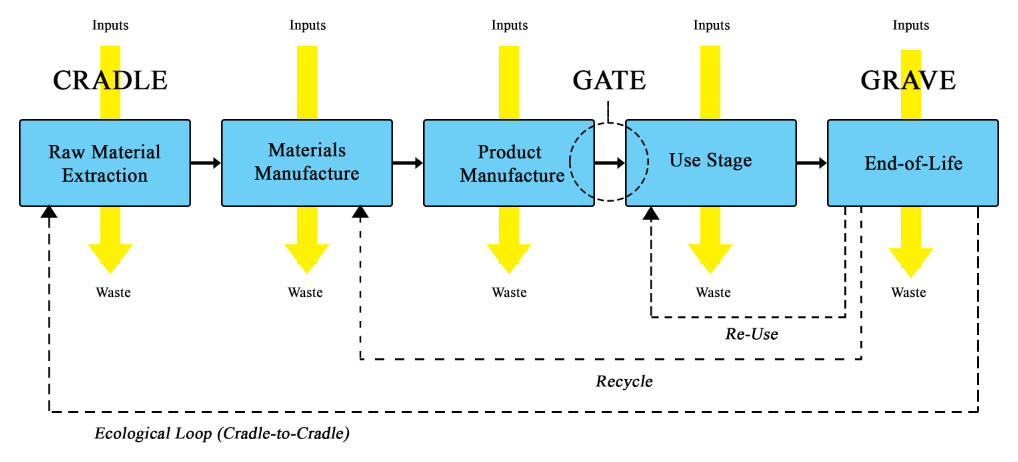
The International Organization for Standardization outlines the specific framework for these evaluations under ISO 14040. The process requires defining precise system boundaries. These boundaries determine which processes are included in the analysis. A “cradle-to-grave” analysis encompasses raw material extraction, manufacturing, distribution, consumer use, and end-of-life disposal. Alternatively, a “cradle-to-cradle” approach specifically models systems where waste materials become inputs for new products.
Mechanisms of Evaluation
The methodology relies on four distinct mechanisms. First, goal and scope definition establishes the boundaries and functional units of the study. Second, inventory analysis quantifies all energy inputs, water usage, and chemical emissions. Third, impact assessment translates these raw data points into specific ecological consequences like global warming potential or ocean acidification. Finally, interpretation involves analyzing the results to make informed, data-driven decisions.
Systems and Data Intersections
Executing a life cycle assessment requires complex global supply chain data. Analysts must track the electrical grids powering factories in different countries. Furthermore, they must calculate the precise fuel consumption of international shipping routes. Consequently, this scientific method connects industrial engineering metrics directly to atmospheric and marine science data.
Environmental and Economic Impacts
Implementing rigorous environmental accounting generates profound ecological and financial consequences. The data fundamentally alters how governments regulate industries and how corporations allocate capital.
Ecological Consequences
Accurate ecological accounting prevents well-intentioned but destructive design choices. For example, replacing plastic packaging with heavy glass can drastically increase greenhouse gas emissions due to transportation weight. A life cycle assessment identifies these hidden ecological trade-offs. Consequently, designers can target the specific supply chain stages responsible for the highest emissions and resource depletion.
Financial Implications
Optimizing product life cycles delivers substantial economic benefits. Identifying energy inefficiencies directly reduces manufacturing and transportation costs. Moreover, companies utilizing verified data can easily comply with emerging carbon taxation policies. Investors also rely on this data to accurately price climate risk within their portfolios.
Global Market Standardization
Standardized environmental metrics create fair market competition. When regulations mandate transparent reporting, companies can no longer compete using deceptive greenwashing tactics. Genuine sustainability leaders gain a competitive advantage. Furthermore, regional governments use this data to establish baseline criteria for green public procurement contracts.
Real World Case Studies and Applications
Practical applications of this scientific method reveal surprising insights across major global industries. Evidence-based analysis frequently contradicts popular consumer assumptions.
Electric Vehicle Battery Production
The automotive transition heavily relies on life cycle assessment data. Critics frequently argue that electric vehicle manufacturing generates more carbon than producing internal combustion engine vehicles. Rigorous assessments confirm that battery manufacturing is highly energy-intensive. However, the data proves that over the total lifespan of the vehicle, electric cars generate significantly fewer absolute emissions, especially when charged via renewable grids.
Agricultural Systems and Diet
Food production systems are prime candidates for this type of evaluation. Assessments comparing beef production to plant-based protein alternatives reveal massive disparities in land use, water consumption, and methane emissions. Policymakers use this data to design agricultural subsidies that incentivize lower-impact farming techniques.
Sustainable Packaging Innovations
The consumer goods sector actively applies this methodology to packaging design. A prominent beverage company recently utilized an assessment to compare aluminum cans, glass bottles, and recycled plastics. The scientific data revealed that transportation distances and regional recycling infrastructure drastically altered the most sustainable choice. As a result, the company optimized its packaging materials based on specific geographic markets rather than a universal standard.
Challenges and Barriers
Despite its scientific rigor, widespread adoption of comprehensive environmental accounting faces significant structural and technical hurdles.
Technical Data Gaps
The primary technical challenge involves securing accurate primary data. Opaque global supply chains often obscure the exact origin of raw materials. Consequently, analysts must rely on secondary industry averages. This reliance on proxy data can introduce significant margins of error into the final impact assessment.
Boundary Manipulation
Organizations can exploit system boundaries to artificially improve their results. A company might exclude the consumer use phase of a high-energy appliance to present a lower overall carbon footprint. This manipulation represents a sophisticated form of corporate greenwashing that requires expert auditing to detect.
Economic and Resource Barriers
Conducting a thorough life cycle assessment is expensive and highly time-consuming. Small and medium enterprises frequently lack the financial resources or specialized personnel required to execute these studies. Therefore, cost barriers prevent widespread standardization across smaller manufacturing sectors.
Solutions and Strategic Pathways
Accelerating the adoption of rigorous environmental measurement requires coordinated action to improve data access and enforce transparency.
Policy Reform and Mandates
Governments must mandate Environmental Product Declarations for heavy industries like construction and manufacturing. These declarations are standardized documents based directly on life cycle assessment data. The European Union is currently leading this transition by integrating these requirements into the Ecodesign for Sustainable Products Regulation.
Open Source Data Integration
Democratizing access to supply chain data is essential for widespread adoption. Scientific communities and governments should fund robust, open-source environmental databases. Providing free, high-quality inventory data drastically lowers the financial barrier for smaller companies to evaluate their own products.
Industry Transformation and AI
The integration of artificial intelligence is transforming the assessment process. Machine learning algorithms can rapidly process massive supply chain datasets to identify missing variables and optimize material choices in real time. Industry leaders must invest in these technologies to transition from static reports to dynamic, continuous environmental monitoring.
Frequently Asked Questions
What is the main purpose of a life cycle assessment?
The primary purpose is to scientifically quantify the total environmental impacts of a product, process, or service across its entire lifespan. This ensures that organizations make data-driven decisions to reduce resource consumption and pollution without simply shifting the damage to another stage of production.
What are the 4 main phases of a life cycle assessment?
The four standardized phases outlined by ISO 14040 are goal and scope definition, inventory analysis, impact assessment, and interpretation. These phases provide a consistent scientific framework for measuring complex environmental interactions.
How does a life cycle assessment prevent greenwashing?
It prevents greenwashing by requiring comprehensive data rather than isolated marketing claims. If a company claims a product is sustainable because it uses recycled plastic, the assessment will verify if the energy used to recycle that plastic actually offsets the benefits.
Why is cradle-to-grave different from cradle-to-cradle?
Cradle-to-grave evaluates a product from raw material extraction through to final disposal in a landfill. Cradle-to-cradle focuses on circular economy principles, designing products so that at the end of their useful life, their materials can be fully recycled or composted to create new products.
Conclusion
Transitioning to a resilient global economy requires replacing marketing narratives with rigorous scientific measurement. A life cycle assessment provides the definitive framework for understanding how human production systems interact with the natural world. By systematically tracking resource extraction, emissions, and waste, this methodology exposes inefficiencies and highlights genuine pathways for ecological restoration.
Overcoming the technical and economic barriers to widespread adoption requires decisive regulatory mandates and investments in open-source data infrastructure. Policymakers, industry leaders, and consumers must demand empirical evidence over superficial environmental claims. Ultimately, mandating transparent environmental accounting is an essential step toward preserving planetary boundaries and ensuring sustainable industrial design.
The Evolution of ESG Investing: How to Identify and Avoid ESG Greenwashing
Introduction
The integration of environmental, social, and governance criteria into financial markets represents a monumental shift in global capital allocation. Investors increasingly demand portfolios that align with planetary boundaries and social equity. However, this massive influx of capital has catalyzed a systemic problem known as ESG greenwashing. Financial institutions frequently exaggerate the sustainability metrics of their investment products to capture environmentally conscious capital.
Understanding this deception is critical for responsible investors and policymakers. Capital allocated to fake green funds provides financial lifelines to heavily polluting industries while starving genuine climate solutions of necessary funding. Therefore, distinguishing scientifically backed sustainable finance from marketing manipulation is paramount. The following analysis outlines the trajectory of sustainable investing, the mechanisms of financial deception, and strategic pathways to ensure authentic environmental impact.
Table of Contents
Key Concepts and Scientific Foundation
To combat financial deception, investors must first understand the structural evolution of sustainable finance. The gap between marketing narratives and scientific reality forms the core of this issue.
The Origins of Sustainable Finance
Early socially responsible investing primarily relied on exclusionary screening. Funds would simply remove inherently harmful sectors like tobacco or weapons from their portfolios. Over time, this evolved into comprehensive ESG integration. Modern frameworks attempt to quantify how climate risk and resource depletion affect long term corporate valuations. Unfortunately, the rapid growth of these frameworks outpaced the development of rigorous, standardized environmental metrics.
Mechanisms of ESG Greenwashing
ESG greenwashing occurs when asset managers misrepresent the ecological credentials of a financial product. Fund managers often utilize vague inclusion criteria. For instance, a fund might label itself “sustainable” simply because it excludes coal, even while retaining massive investments in oil and gas exploration. Furthermore, many ratings agencies rely on unverified corporate self-reporting rather than independent scientific audits.
The Illusion of Best-in-Class
The “best-in-class” selection method is a primary driver of fake green funds. Fund managers evaluate companies relative to their industry peers rather than against absolute planetary boundaries. Consequently, an oil company with slightly better emissions reporting than its competitors might receive a high ESG rating. This systemic flaw allows highly polluting assets to easily infiltrate ostensibly sustainable portfolios.
Environmental and Economic Impacts
The consequences of misallocating capital stretch across both ecological systems and global financial markets.
Ecological Consequences
When capital flows into fake green funds, the physical environment suffers measurable harm. The ongoing financing of high-emission industries accelerates global temperature rise. Furthermore, investing in companies with deceptive supply chains exacerbates deforestation and marine habitat destruction. Every dollar diverted by ESG greenwashing is a dollar stolen from legitimate renewable energy projects and circular economy innovations.
Financial and Systemic Risks
Deceptive financial products introduce severe systemic risks into the global economy. Investors unknowingly expose their portfolios to massive unpriced climate risk. When governments inevitably tighten environmental regulations, the underlying assets in these deceptive funds will suffer rapid devaluation. These “stranded assets” can trigger cascading financial losses across major institutional portfolios.
Market Distortion and Trust
False sustainability claims heavily distort market competition. Authentic green enterprises face higher costs of capital because they must compete with conventional companies masquerading as sustainable. This dynamic penalizes genuine innovation. Furthermore, repeated exposure of fake green funds degrades public trust in sustainable finance, threatening the long term viability of the entire sector.
Real World Case Studies and Applications
Examining recent enforcement actions provides practical insight into how financial regulators are beginning to address this global challenge.
Regulatory Enforcement in Asset Management
The raid on DWS Group by German authorities serves as a watershed moment for sustainable finance. Whistleblowers alleged that the massive asset manager routinely exaggerated the integration of environmental criteria into its investment processes. Subsequent investigations revealed stark discrepancies between internal fund realities and external marketing materials. This case proved that regulators are increasingly willing to treat ESG greenwashing as actionable financial fraud.
The Problem with Green Bonds
Green bonds theoretically fund specific climate-positive projects. However, the lack of strict legal enforcement often allows proceeds to fund routine corporate operations. Several multinational corporations have issued green bonds to finance supposedly sustainable infrastructure, only for auditors to later discover the funds supporting traditional, high-emission supply chains.
Repackaging Conventional Funds
A common industry tactic involves simply renaming existing conventional funds. Asset managers frequently take underperforming legacy portfolios, add a few technology stocks, append the word “Sustainable” to the title, and raise the management fees. These renamed funds rarely demonstrate any shift toward measurable environmental impact.
The foundational barrier to authentic sustainable finance is the quality of corporate data. Most companies report their environmental metrics voluntarily. Scope 3 emissions, which represent the vast majority of a company’s carbon footprint, are notoriously difficult to calculate and frequently omitted from public disclosures. Without reliable raw data, creating accurate investment products is nearly impossible.
Lack of Standardized Taxonomy
Global financial markets lack a unified dictionary for sustainability. What qualifies as an environmentally friendly investment in one jurisdiction may be classified as highly polluting in another. The European Union has attempted to solve this with its Sustainable Finance Disclosure Regulation. However, the United States and other major markets continue to rely on a fragmented patchwork of voluntary guidelines.
Conflicts of Interest in Ratings Agencies
ESG rating agencies operate under a fundamentally flawed business model. The companies being rated often pay the agencies conducting the assessments. This conflict of interest incentivizes lenient grading. Consequently, ratings scores vary wildly between different providers, leaving investors without a reliable baseline for comparison.
Solutions and Strategic Pathways
Protecting the integrity of sustainable finance requires decisive action from regulators, institutions, and individual investors.
Regulatory Frameworks and Mandates
Governments must mandate comprehensive, scientifically audited environmental reporting for all publicly traded companies. Standardized global taxonomies are essential to define exactly what constitutes a sustainable economic activity. Furthermore, regulatory bodies must aggressively prosecute ESG greenwashing under existing anti-fraud statutes to establish a strong deterrent.
Rigorous Investor Diligence
Investors must look beyond fund titles and marketing materials. Reviewing the actual prospectus and analyzing the top ten holdings of any mutual fund or ETF is a critical defensive strategy. If a supposedly green fund holds major positions in fossil fuels, fast fashion, or industrial agriculture, investors should immediately look elsewhere.
Shifting to Impact Investing
Moving capital from generic integrated funds toward strict impact investing offers a highly effective solution. Impact funds mandate measurable, verifiable ecological outcomes alongside financial returns. By prioritizing funds that directly finance renewable energy infrastructure or sustainable agriculture, investors can ensure their capital drives genuine real-world change.
Frequently Asked Questions
What is the difference between traditional investing and ESG investing?
Traditional investing focuses exclusively on maximizing financial returns by evaluating standard accounting metrics. ESG investing incorporates environmental, social, and governance factors into the financial analysis to assess long term sustainability and hidden non-financial risks.
How does ESG greenwashing affect my investment portfolio?
ESG greenwashing exposes your portfolio to hidden climate risk and regulatory fines. If you invest in a fake green fund, you may hold assets in highly polluting companies that are vulnerable to rapid devaluation as global environmental laws become stricter.
How can I identify a fake green fund?
You can identify fake green funds by reviewing the fund’s actual prospectus and top holdings. Look out for generic marketing terms, a lack of transparent reporting on carbon emissions, and the presence of heavy-polluting companies masquerading as sustainable leaders.
Are there standardized rules to prevent financial greenwashing?
Regulations are currently fragmented. The European Union has implemented strict taxonomy rules to categorize sustainable investments. However, many other global markets still rely on voluntary reporting, making independent verification essential for investors.
Conclusion
The evolution of sustainable finance represents a critical tool for combating global ecological degradation. However, the rapid proliferation of ESG greenwashing threatens to derail this progress by misdirecting essential capital. Financial institutions must move beyond superficial compliance and commit to scientifically verifiable ecological metrics.
Eradicating fake green funds requires a unified effort. Regulators must enforce strict reporting standards, ratings agencies must eliminate conflicts of interest, and investors must practice rigorous due diligence. By demanding radical transparency and measurable environmental impact, the global community can eliminate ESG greenwashing and build a truly resilient, sustainable financial system.
Unmasking Corporate Greenwashing: Impacts, Examples, and Strategic Solutions
Introduction
Corporate greenwashing occurs when organizations invest more resources into marketing themselves as environmentally friendly than into minimizing their actual environmental impact. This deceptive practice undermines genuine climate action and misleads well-intentioned stakeholders. Recognizing corporate greenwashing is essential for eco-conscious consumers, responsible investors, and rigorous policymakers. It distorts market realities and delays the critical transition to a sustainable global economy.
Consequently, distinguishing between authentic sustainability initiatives and superficial marketing claims has become a major challenge. The increasing demand for sustainable products has created a financial incentive for companies to exaggerate their ecological credentials. Therefore, understanding the underlying mechanisms of this phenomenon is vital for driving real systemic change. The following analysis examines the scientific foundation, economic impacts, and actionable solutions to combat deceptive environmental claims.
Table of Contents
Key Concepts and Scientific Foundation
Understanding corporate greenwashing requires an examination of how marketing strategies intersect with environmental science. Fundamentally, it involves the dissemination of misleading information to present a falsely positive public image regarding environmental responsibility.
The Mechanisms of Deception
Companies utilize several specific tactics to mislead the public. First, they often use vague terminology like “eco-friendly” or “natural” without providing scientific definitions or verifiable data. Second, they highlight minor environmental improvements while ignoring significant ecological damage caused by their core operations. Furthermore, some organizations create fake eco-labels that lack rigorous third-party verification.
ESG Greenwashing
Environmental, Social, and Governance criteria have become central to modern investment strategies. However, the rise of ESG frameworks has unfortunately led to widespread ESG greenwashing. Financial institutions and corporations frequently manipulate ESG reporting to appear more responsible than their operational realities suggest. As a result, investors unknowingly funnel capital into environmentally destructive enterprises.
Systems Involved
This issue spans multiple global systems. Marketing departments, legal teams, and public relations firms collaborate to craft these deceptive narratives. Simultaneously, regulatory bodies often lack the scientific expertise or legislative authority to effectively monitor and penalize these actions. Therefore, a comprehensive understanding of both corporate communication systems and environmental metrics is necessary to identify these deceptive practices.
Environmental and Economic Impacts
The consequences of corporate greenwashing extend far beyond consumer deception. It generates profound ecological and economic repercussions on a global scale.
Ecological Consequences
When companies falsely claim to reduce emissions, global carbon accounting becomes highly inaccurate. Consequently, actual greenhouse gas concentrations continue to rise while public reports suggest progress. Furthermore, deceptive claims regarding plastic recyclability lead to increased pollution in marine and terrestrial ecosystems. The illusion of sustainability prevents the urgent implementation of scientifically backed ecological interventions.
Financial Implications
Deceptive environmental claims also create severe financial risks. Investors relying on flawed ESG data allocate trillions of dollars inefficiently. Moreover, when regulatory agencies eventually expose greenwashing companies, these organizations face massive financial penalties and severe stock price devaluation. Therefore, corporate greenwashing represents a significant systemic risk to global financial stability.
Global Market Distortion
False environmental marketing heavily distorts market competition. Companies genuinely investing in sustainable materials and low-carbon technologies struggle to compete with entities that simply pay for misleading advertising campaigns. As a result, the transition to a legitimate circular economy is significantly delayed.
Real World Case Studies and Applications
Examining practical examples provides critical insights into how these deceptive practices operate across different industries. Recent search data indicates rising public scrutiny toward specific sectors and corporations.
Fossil Fuel Misdirection
Fossil fuel companies frequently engage in sophisticated misdirection. Shell greenwashing allegations provide a prominent example. The company has heavily promoted its investments in renewable energy. However, actual financial disclosures reveal that the vast majority of its capital expenditure remains strictly allocated to fossil fuel extraction. This highlights the severe disconnect between public relations and operational reality.
Retail and E-Commerce
Amazon greenwashing claims have also faced intense public scrutiny. While the company heavily promotes its “Climate Pledge,” critics point to rapidly increasing absolute carbon emissions driven by its massive logistics network. Furthermore, the promotion of supposedly sustainable packaging often obscures the immense waste generated by rapid delivery models.
Greenwashing in Fashion
The fast fashion industry is notorious for environmental deception. Greenwashing in fashion frequently involves launching small “conscious” clothing lines while the company continues to mass-produce synthetic garments. Brands like Shein and H&M have faced heavy criticism for promoting recycling initiatives that address only a fraction of their total textile waste. Consequently, these campaigns distract from the inherent unsustainability of the fast fashion business model.
Automotive Industry Violations
The automotive sector provides some of the most severe historical examples. Volkswagen greenwashing became globally recognized during the “Dieselgate” scandal. The manufacturer installed software to cheat emissions tests while simultaneously marketing their vehicles as clean diesel. This case demonstrates how corporate deception can involve direct technological manipulation rather than just misleading advertising.
Challenges and Barriers
Eradicating deceptive environmental claims requires overcoming significant structural and political obstacles.
Regulatory and Political Obstacles
Governments face significant challenges in creating standardized environmental definitions. Lobbying by heavily polluting industries frequently waters down proposed regulations. Furthermore, different jurisdictions use contradictory standards for environmental reporting. Therefore, multinational corporations easily exploit these regulatory gaps.
Technical Challenges in Auditing
Verifying environmental claims requires complex life-cycle assessments. Tracing raw materials through opaque global supply chains is technically difficult and highly expensive. Moreover, many carbon offset programs lack scientific rigor, making it difficult for auditors to verify actual carbon sequestration.
Economic and Consumer Barriers
Consumers generally lack the time and scientific training to verify complex ecological claims. In addition, genuinely sustainable products often carry a price premium. Consequently, consumers are easily swayed by cheap products disguised with deceptive green marketing.
Solutions and Strategic Pathways
Addressing corporate greenwashing requires coordinated action across policy, industry, and individual levels. Evidence-based solutions are essential for establishing market transparency.
Policy Reform and Strict Regulation
Governments must implement legally binding definitions for environmental marketing terms. Regulatory agencies need the authority to issue severe financial penalties for unverified claims. Furthermore, the implementation of a standardized global greenwashing index would help regulators quantitatively track and penalize repeat offenders. Mandating comprehensive scope 3 emissions reporting is also a critical legislative step.
Industry Level Transformation
Corporations must transition from marketing-led sustainability to science-based target initiatives. Genuine corporate responsibility requires complete transparency regarding both successes and failures. In addition, companies should subject their environmental data to rigorous, independent third-party scientific auditing.
Consumer and Investor Action
Individual consumers must cultivate a healthy skepticism toward unsubstantiated eco-friendly claims. Searching for verified certifications from established environmental bodies is a practical defensive strategy. Similarly, institutional investors must demand standardized, verifiable ESG data before allocating capital to supposedly green funds.
Frequently Asked Questions
What is the definition of corporate greenwashing?
Corporate greenwashing is the practice of an organization spending more time and money marketing itself as environmentally friendly than actually minimizing its environmental impact. It involves using deceptive marketing to falsely persuade the public that an organization’s products, aims, or policies are environmentally responsible.
How can consumers spot greenwashing products?
Consumers can spot deceptive claims by looking for vague language like “all-natural” or “eco-friendly” that lacks specific evidence. Additionally, checking for recognized, independent third-party certifications helps verify a product’s actual environmental impact.
Why is ESG greenwashing considered a financial risk?
ESG greenwashing misleads investors into funding companies that carry hidden environmental liabilities. When regulators expose these deceptive practices, the resulting fines, lawsuits, and brand damage can severely negatively impact the company’s stock value and investor returns.
What is an example of greenwashing in fashion?
A common example is a fast fashion brand launching a highly publicized “sustainable” collection made from recycled plastics. Meanwhile, the brand continues to produce millions of garments using highly polluting manufacturing processes and exploitative labor practices, offsetting any minor positive impact.
Conclusion
The proliferation of corporate greenwashing poses a severe threat to global environmental stability. By prioritizing marketing over measurable ecological improvements, companies distort the market and delay necessary climate action. Understanding the mechanisms behind these deceptive claims empowers stakeholders to demand rigorous accountability.
Transitioning to a genuinely sustainable global economy requires strict regulatory frameworks, transparent supply chains, and scientifically verified data. Ultimately, combating corporate greenwashing is not merely a marketing challenge; it is a fundamental necessity for planetary survival. Policymakers, investors, and consumers must actively prioritize scientifically validated environmental action over superficial corporate rhetoric.
Newly Discovered Mosasaur Fossil Could Help Solve Evolutionary Mystery
A New Mosasaur Fossil Is Giving Scientists Clues About Marine Evolution
A newly discovered mosasaur fossil is giving paleontologists an important opportunity to investigate one of the lingering mysteries of marine reptile evolution: how mosasaurs adapted from land-dwelling ancestors into powerful ocean predators.
Mosasaurs dominated the world’s oceans during the Late Cretaceous period, roughly 100–66 million years ago, just before the mass extinction that wiped out the dinosaurs. Although their fossils have been studied for over a century, the details of their early evolutionary transition into marine ecosystems remain incomplete.
The newly analyzed fossil may help fill a crucial gap.
Table of Contents
What Were Mosasaurs?
Mosasaurs were large marine reptiles related to modern monitor lizards and snakes. Some species grew more than 15 meters (50 feet) long, making them among the most formidable predators in prehistoric seas.
Key characteristics included:
Long, streamlined bodies
Paddle-like limbs adapted for swimming
Powerful jaws filled with sharp teeth
Flexible skulls capable of swallowing large prey
They occupied ecological roles similar to those of today’s killer whales and large sharks, preying on fish, turtles, and even other marine reptiles.
But how these reptiles evolved from land-based ancestors into fully aquatic hunters has remained one of paleontology’s most intriguing puzzles.
The Newly Discovered Fossil
The newly discovered mosasaur fossil contains well-preserved skeletal features, particularly in the limbs, vertebrae, and skull structure. These elements are critical because they reveal how early mosasaurs adapted their bodies for life in water.
Researchers believe the fossil represents a transitional species — one that still retains features of terrestrial reptiles while showing clear adaptations for marine movement.
Early findings suggest:
Limbs that are intermediate between walking legs and swimming flippers
A body structure optimized for side-to-side swimming motion
Skull adaptations linked to marine feeding strategies
These traits could help scientists map out how quickly mosasaurs evolved into fully marine predators.
Why This Discovery Matters for Evolutionary Science
The fossil may help answer a broader evolutionary question: how rapidly animals can transition between major environments, such as land and sea.
Several well-known groups made this transition, including:
Whales
Sea turtles
Ichthyosaurs
Mosasaurs
However, mosasaurs appear to have undergone one of the fastest evolutionary transformations into marine life among reptiles.
The newly discovered fossil could provide evidence about:
The sequence of anatomical changes
The ecological pressures driving adaptation
The timeline of mosasaur diversification
Understanding this transition improves our knowledge of evolutionary flexibility in vertebrates.
A Window Into Late Cretaceous Oceans
Mosasaurs lived during a time when global sea levels were significantly higher, creating vast inland seas across parts of North America, Europe, and Asia.
These environments supported complex marine ecosystems including:
Ammonites
Large predatory fish
Sea turtles
Plesiosaurs
Mosasaurs eventually rose to the top of this food web.
Studying fossils from this period helps scientists reconstruct ancient marine ecosystems and predator-prey dynamics.
The Broader Scientific Value of Fossil Discoveries
Each fossil discovery adds a small but essential piece to the larger evolutionary puzzle.
Even partial skeletons can reveal:
Growth patterns
Muscle attachments
Swimming mechanics
Feeding behaviors
Evolutionary relationships between species
As paleontologists refine evolutionary timelines using new fossils, they can better understand how ancient ecosystems functioned and how species adapted to changing environments.
What Researchers Will Study Next
The fossil is likely to undergo detailed scientific analysis including:
CT scanning of bone structures
Comparative anatomy studies
Evolutionary modeling
Phylogenetic analysis
These studies will help determine where this species fits within the mosasaur family tree and whether it represents a previously unknown species.
If confirmed as a transitional form, the fossil could become one of the most important discoveries for understanding mosasaur evolution.
A Reminder of How Much of Earth’s History Remains Hidden
Despite more than a century of paleontological research, scientists continue to uncover fossils that reshape our understanding of prehistoric life.
Large predators like mosasaurs once ruled ancient oceans — yet their evolutionary origins are still being pieced together from scattered fossils around the world.
Each discovery brings researchers closer to understanding how life on Earth adapts, evolves, and transforms over millions of years.
FAQs
What is a mosasaur?
A mosasaur was a large marine reptile that lived during the Late Cretaceous period and was related to modern monitor lizards and snakes.
When did mosasaurs live?
Mosasaurs lived between about 100 and 66 million years ago, disappearing during the mass extinction that ended the age of dinosaurs.
Why is this new fossil important?
The fossil may represent a transitional species, helping scientists understand how mosasaurs evolved from land reptiles into ocean predators.
How large could mosasaurs grow?
Some species reached over 15 meters (50 feet) in length.