Best House Plants for Air Quality: Science, Benefits, and Smart Choices
Published on February 27, 2026 by Dr. A. M.
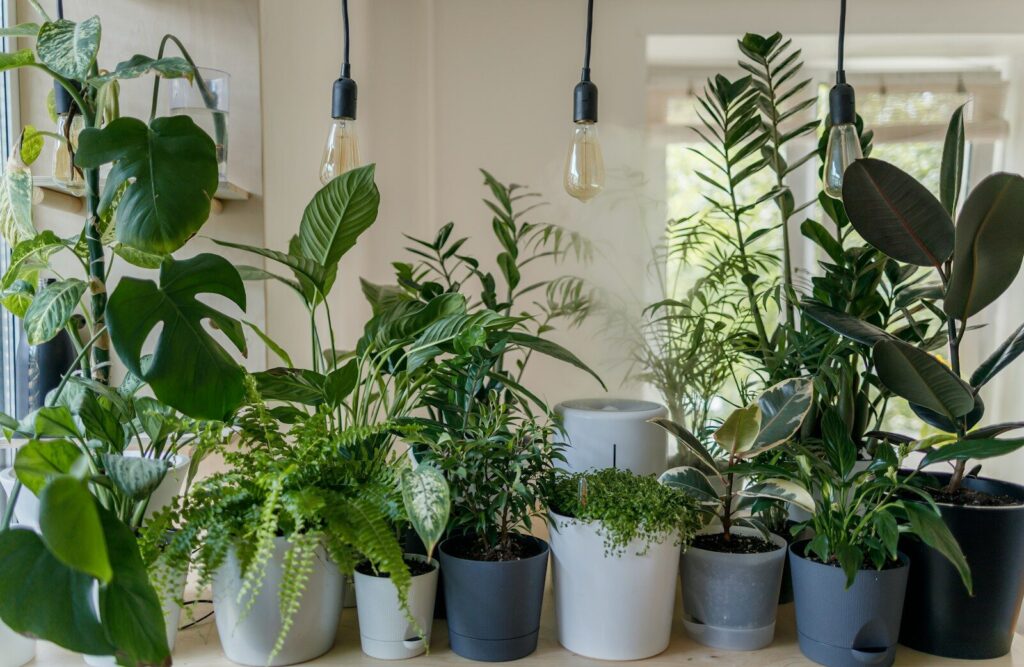
Indoor air pollution is a measurable environmental health concern. According to global environmental health assessments, people spend up to 90 percent of their time indoors, where concentrations of certain pollutants can exceed outdoor levels.
The best house plants for air quality are often promoted as natural solutions for cleaner indoor environments. However, separating scientific evidence from marketing claims is essential. This guide explains how indoor plants influence air quality, which species show measurable benefits, and how to integrate them effectively into a healthy home strategy.
If you are building a sustainable living space, understanding both the capabilities and limits of indoor plants is critical.
Scientific Foundation: How Plants Influence Indoor Air
What Pollutants Are Found Indoors?
Common indoor air pollutants include:
- Volatile organic compounds such as formaldehyde and benzene
- Nitrogen dioxide from gas stoves
- Carbon dioxide accumulation in poorly ventilated rooms
- Particulate matter from cooking and candles
- Mold spores in humid conditions
These pollutants can contribute to respiratory irritation, headaches, and long term health risks when exposure is chronic.
How Plants Interact With Air
The potential of the best house plants for air quality is based on three mechanisms:
- Photosynthesis
Plants absorb carbon dioxide and release oxygen during daylight hours. - Phytoremediation
Roots and associated microbes in potting soil can break down certain airborne chemicals. - Humidity Regulation
Through transpiration, plants release moisture, which can reduce dryness in air conditioned or heated spaces.
The well known NASA Clean Air Study demonstrated that specific species could remove measurable amounts of certain VOCs in sealed chambers. However, real homes have air exchange, which reduces the relative impact of individual plants.
Therefore, plants should complement ventilation and filtration rather than replace them.
The Best House Plants for Air Quality
Below are plant species most consistently associated with indoor air benefits and ease of care.
1. Snake Plant


Scientific name: Dracaena trifasciata
Snake plant is frequently listed among the best house plants for air quality due to its resilience and unique metabolism.
Key features:
- Performs Crassulacean Acid Metabolism, absorbing carbon dioxide at night
- Tolerates low light and irregular watering
- Associated with removal of formaldehyde and benzene in controlled tests
Because it releases oxygen at night, many people place it in bedrooms. While the oxygen increase is modest, its durability makes it ideal for long term indoor greenery.
2. Spider Plant


Scientific name: Chlorophytum comosum
Spider plants are low maintenance and adaptable.
Research observations show:
- Tolerance to fluctuating temperatures
- Rapid growth and propagation
- Ability to absorb carbon monoxide and certain VOCs in controlled settings
Additionally, spider plants are non toxic to pets, making them suitable for households with animals.
3. Peace Lily


Scientific name: Spathiphyllum
Peace lilies are frequently included among the best house plants for air quality because of their broad leaves and transpiration rate.
Potential benefits:
- Reduction of airborne mold spores
- Removal of acetone and alcohol vapors in test environments
- Increased indoor humidity
However, they require moderate light and consistent watering. They are also mildly toxic to pets if ingested.
4. Areca Palm


Scientific name: Dypsis lutescens
The Areca palm is valued for both aesthetic and air humidifying properties.
Key advantages:
- High transpiration rate
- Effective natural humidifier
- Suitable for large living areas
Because of its size, it can increase leaf surface area, which theoretically enhances pollutant interaction.
5. Boston Fern


Scientific name: Nephrolepis exaltata
Boston ferns have been studied for formaldehyde removal under laboratory conditions.
Strengths include:
- High transpiration
- Dense foliage surface area
- Effective moisture regulation
However, they require higher humidity and indirect light to thrive.
Environmental and Economic Impacts
Health and Productivity
Improved indoor air quality is associated with:
- Reduced sick days
- Better concentration
- Lower respiratory irritation
While the best house plants for air quality alone will not eliminate pollutants, they contribute to biophilic design. Research in environmental psychology consistently shows that visible greenery improves mental wellbeing and productivity.
Energy and Sustainability
Plants can modestly:
- Improve humidity balance, reducing overreliance on humidifiers
- Lower stress, which indirectly supports healthy living behaviors
- Enhance property value through improved interior aesthetics
From a sustainability perspective, indoor plants represent low energy, low carbon additions to home environments.
Real World Applications
Biophilic Office Design
Corporate sustainability strategies increasingly incorporate indoor vegetation. Green building certifications encourage integration of natural elements to improve occupant wellness.
Urban Apartments
In high density housing with limited ventilation, layering the best house plants for air quality with mechanical filtration improves indoor resilience.
Healthcare and Education Settings
Hospitals and schools are integrating plants to reduce stress levels and create restorative environments. Although air purification is not solely dependent on plants, they complement ventilation systems.
Challenges and Barriers
Overstated Expectations
A common misconception is that a few plants can replace air purifiers. Modeling studies indicate that dozens of plants per room would be required to significantly reduce VOC concentrations in typical air exchange conditions.
Maintenance Requirements
Plants require:
- Adequate light
- Proper watering
- Pest management
- Periodic repotting
Neglected plants can accumulate dust or mold, reducing potential benefits.
Allergen Considerations
Certain individuals may be sensitive to mold in overwatered soil. Therefore, proper drainage and airflow are essential.
Solutions and Strategic Pathways
Combine Plants With Ventilation
The best house plants for air quality perform optimally when combined with:
- High efficiency particulate air filtration
- Regular natural ventilation
- Low emission building materials
Choose High Leaf Surface Area
Select plants with:
- Broad or numerous leaves
- Healthy root systems
- Active growth
Distribute Strategically
Place plants near:
- Workspaces
- Bedrooms
- Areas with higher VOC exposure such as kitchens
Maintain Soil Health
Healthy soil microbiomes enhance phytoremediation capacity. Use quality potting mix and avoid overwatering.
Frequently Asked Questions
Do house plants really improve indoor air quality?
Yes, but modestly. Laboratory studies show pollutant removal capability. However, real world air exchange limits the scale of impact.
How many plants are needed for noticeable air improvement?
Scientific modeling suggests many plants would be needed for measurable chemical reduction. Therefore, plants should complement filtration systems.
Which plant is best for bedrooms?
Snake plant is commonly recommended because it tolerates low light and performs nighttime carbon dioxide uptake.
Are air purifiers better than plants?
Mechanical purifiers remove particulate matter more efficiently. However, plants provide psychological and humidity benefits alongside limited pollutant absorption.
Conclusion
The best house plants for air quality provide measurable but moderate environmental benefits. More importantly, they support mental wellbeing, improve humidity balance, and enhance sustainable interior design.
For optimal indoor health, integrate plants with proper ventilation, low emission materials, and high efficiency filtration. When selected thoughtfully and maintained correctly, indoor greenery becomes part of a comprehensive air quality strategy.
Start with resilient species like snake plant or spider plant. Then scale your indoor ecosystem intentionally.
Cleaner air requires systems thinking. Plants are one practical and visually powerful component of that system.