Rare Green Comet Nishimura: A Spectacular Celestial Event Returns After Centuries
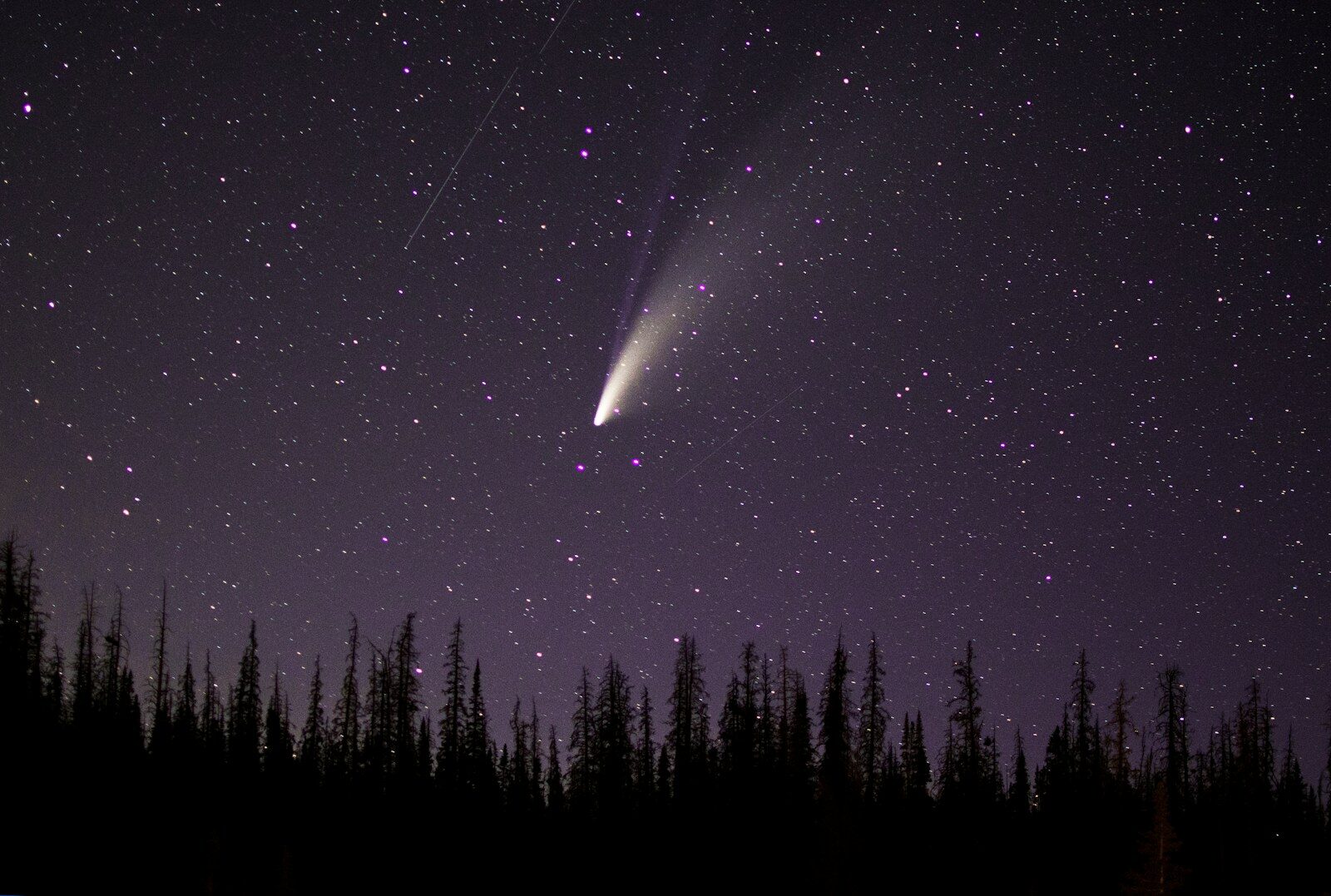
In September 2023, skywatchers around the world witnessed a remarkable astronomical event — the appearance of Comet Nishimura, a rare green comet that passed through the inner solar system for the first time in centuries.
For a brief period, the comet glowed in the dawn sky, offering astronomers and enthusiasts a rare glimpse into one of the most ancient remnants of the solar system. Events like this remind us that the solar system is far from static; it is a dynamic system still revealing its history.
Table of Contents
What Is Comet Nishimura?

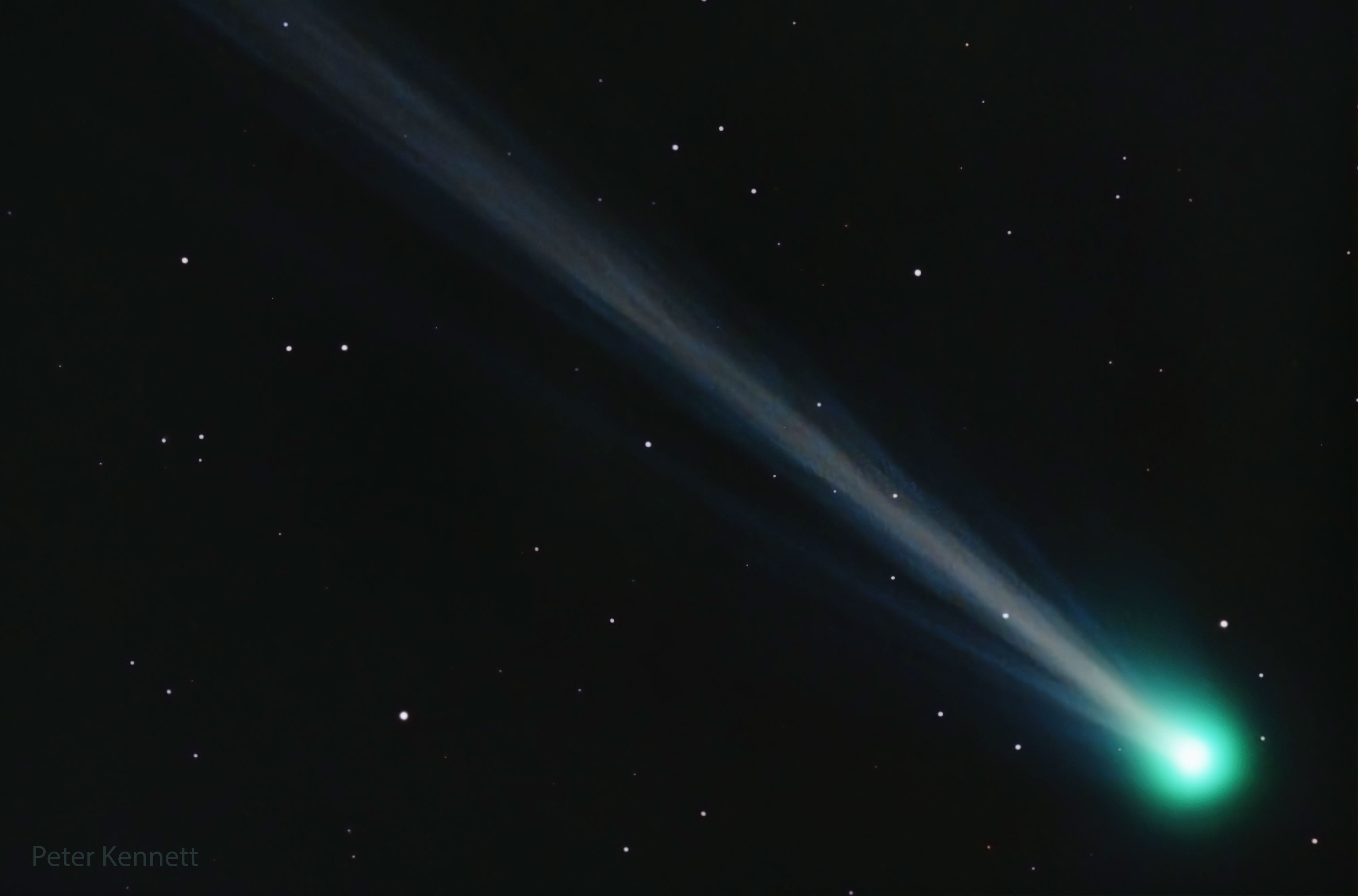
Comet Nishimura, officially designated C/2023 P1, was discovered in August 2023 by Japanese amateur astronomer Hideo Nishimura.
Unlike periodic comets that return frequently, Nishimura appears to follow a long-period orbit, meaning it may take hundreds of years—or longer—to return.
Key facts about the comet:
- Discovery date: August 11, 2023
- Discoverer: Japanese amateur astronomer Hideo Nishimura
- Orbital type: Long-period comet
- Closest approach to the Sun: September 17, 2023
- Visibility: Mostly visible shortly before sunrise
Because of its orbital path, the comet spent most of its time far beyond the outer planets before entering the inner solar system.
Why Did the Comet Appear Green?
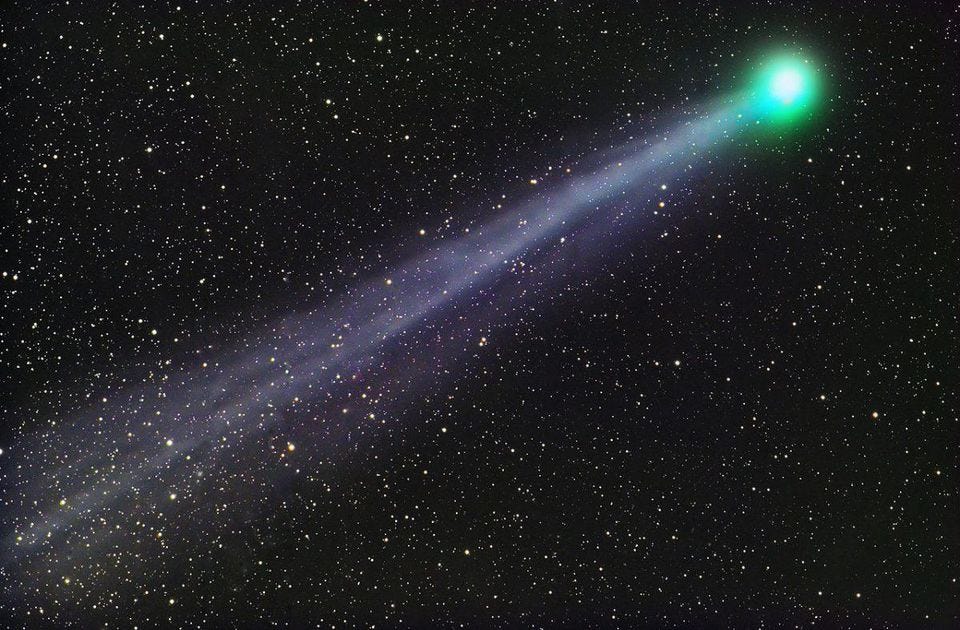
One of the most striking features of Comet Nishimura was its green glow.
This color is caused by diatomic carbon (C₂) molecules released as the comet warms near the Sun.
When sunlight energizes these molecules:
- They emit green wavelengths of light
- The gas forms a glowing coma around the comet’s nucleus
- The color becomes visible in telescopes and long-exposure photography
Many comets show this effect, but Nishimura’s brightness and timing made the color especially noticeable.
Interestingly, the tail usually appears white or bluish, because solar radiation quickly breaks down the carbon molecules responsible for the green glow.
Why Rare Comets Matter to Science
Comets are often described as “time capsules of the early solar system.”
They formed about 4.6 billion years ago, when the solar system was still a swirling disk of gas and dust.
Studying comets helps scientists understand:
- The chemical ingredients of early planets
- The origin of water on Earth
- How planetary systems form around stars
Many researchers believe that comet impacts may have delivered water and organic molecules to the early Earth — potentially helping create conditions for life.
Each newly observed comet therefore provides a valuable opportunity to analyze ancient cosmic material.
The Challenge of Seeing Comet Nishimura
Despite the excitement surrounding the comet, seeing it with the naked eye proved difficult for many observers.
Several factors limited visibility:
- The comet stayed very close to the Sun in the sky
- It was visible mainly before sunrise
- Atmospheric haze near the horizon often obscured it
As a result, binoculars, telescopes, and astrophotography equipment offered the best viewing experience.
Still, many observers managed to capture stunning images of the comet rising through the dawn sky.
Are Rare Comets Becoming More Common?
Not necessarily.
However, modern sky surveys and digital telescopes have dramatically improved our ability to detect faint objects in space.
Advanced programs now continuously scan the sky, discovering:
- Near-Earth asteroids
- Previously unknown comets
- Transient cosmic events
This technological progress means we are discovering more comets than ever before, even though the actual number of comets entering the inner solar system has not changed.
A Reminder of the Solar System’s Ancient Past
Events like the appearance of Comet Nishimura are brief but profound.
For a few days in 2023, a celestial object that had traveled through the dark outer reaches of the solar system for centuries became visible from Earth.
Moments like this connect us to the deep history of our cosmic neighborhood — a reminder that the solar system still carries traces of its ancient origins.
And somewhere beyond Neptune, countless other comets are waiting for their own moment to shine.
FAQs
How often does Comet Nishimura return?
Its orbit is not precisely known yet, but it is believed to be a long-period comet, meaning it may take hundreds or thousands of years to return.
Why are some comets green?
The green color comes from diatomic carbon gas that glows when exposed to sunlight.
Could the comet be seen without a telescope?
Some observers reported seeing it with the naked eye under very dark skies, but binoculars were generally recommended.
Are comets dangerous to Earth?
Most comets pass safely through the solar system. Astronomers carefully track those that could pose any potential risk.