

What Is the Benefit of a Company Publishing a Sustainability Report
The benefit of a company publishing a sustainability report extends far beyond public relations. Today, investors, regulators, customers, and employees expect transparency about environmental and social impact. Therefore, when a company publishes a sustainability report, it signals accountability, strategic awareness, and long term thinking.
However, the true value lies not just in disclosure, but in how reporting reshapes decision making inside the company.
Understanding the Benefit of a Company Publishing a Sustainability Report
A sustainability report outlines how a company manages environmental impact, social responsibility, and governance practices. While some businesses treat reporting as compliance, others use it as a strategic management tool.
The benefit of a company publishing a sustainability report includes improved risk assessment, stronger investor confidence, operational efficiency, and reputational strength.
In addition, structured reporting often reveals inefficiencies that reduce profitability over time.

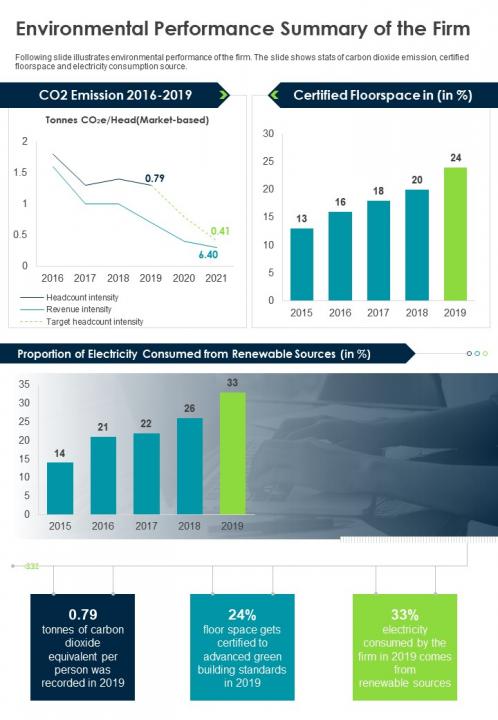
Sustainability reporting often becomes part of strategic planning and investor communication.
Investor Confidence and Capital Access
One major benefit of a company publishing a sustainability report is improved investor trust. Institutional investors increasingly evaluate climate risk, supply chain exposure, and governance practices before allocating capital.
As a result, transparent reporting can reduce perceived risk.
For example, funds that integrate environmental criteria often require clear sustainability disclosures. Without reporting, companies may struggle to access these capital pools.
This shift reflects broader economic trends that intersect with carbon markets and environmental accountability. You can explore this connection in our analysis of carbon credits guide.
Risk Management and Regulatory Preparedness
Another important benefit of a company publishing a sustainability report involves risk management. Climate change, water scarcity, supply chain disruption, and regulatory change create financial exposure.
When companies measure emissions, water use, or resource dependence, they identify vulnerabilities early.
Moreover, governments increasingly require climate related disclosures. Therefore, voluntary reporting today can reduce compliance stress tomorrow.
Regulatory shifts in environmental policy demonstrate how quickly standards can change. You can see similar dynamics in our coverage of environmental regulation and public health standards.
Operational Efficiency and Cost Savings
Although sustainability reporting requires resources, it often uncovers inefficiencies. For example, tracking energy consumption may reveal unnecessary waste. Monitoring water use can expose leakage or overconsumption.
Consequently, reporting can drive operational improvements.
Energy efficiency upgrades reduce costs. Waste reduction lowers disposal expenses. Supply chain audits identify redundant logistics steps.
Therefore, the benefit of a company publishing a sustainability report includes measurable financial gains.
Brand Trust and Market Position
Consumers increasingly evaluate companies based on environmental and social impact. While marketing claims may attract attention, documented reporting builds credibility.
Transparent reporting also strengthens employee engagement. Younger professionals often prefer employers with clear sustainability commitments.
Because of this, companies that publish sustainability reports may gain both customer loyalty and talent retention advantages.

Caption: Transparency in sustainability reporting can strengthen customer trust and employee engagement.
Strategic Planning and Long Term Resilience
The benefit of a company publishing a sustainability report also includes better long term planning. When executives assess emissions, resource dependence, or climate exposure, they develop a clearer picture of future constraints.
For instance, water intensive industries must anticipate supply risk. You can see how water stress shapes broader economic stability in our analysis of global water risk.
Similarly, companies that understand their exposure to extreme weather or supply disruption can adapt faster.
Therefore, sustainability reporting becomes a resilience strategy rather than a communication exercise.
Accountability and Corporate Governance
Publishing a sustainability report creates internal accountability. Data must be collected, verified, and reviewed. Leadership teams must set measurable targets.
This process improves governance discipline.
Furthermore, boards increasingly oversee environmental risk. When reporting becomes routine, oversight improves.
As transparency increases, stakeholder trust follows.
Common Criticisms and Greenwashing Concerns
Despite clear benefits, critics argue that some sustainability reports lack substance. In some cases, companies highlight minor initiatives while ignoring major impacts.
However, reporting standards continue to evolve. Independent verification, standardized metrics, and regulatory oversight reduce greenwashing risk.
Ultimately, the credibility of reporting depends on data quality and leadership commitment.
Is Publishing a Sustainability Report Worth It
The benefit of a company publishing a sustainability report depends on how the company uses it. If treated as marketing, the value remains limited.
However, if integrated into strategy, governance, and investment planning, reporting strengthens competitiveness.
Transparency builds trust. Measurement improves efficiency. Accountability reduces risk.
Therefore, sustainability reporting has shifted from optional disclosure to strategic necessity.
Companies that understand this transition position themselves for long term resilience in a changing economic and environmental landscape.