Africa Splitting Sixth Ocean: How Earth’s New Ocean Is Forming
Introduction
The idea of Africa splitting sixth ocean may sound like science fiction, yet it reflects a real geological process unfolding across East Africa. Deep beneath the continent, tectonic forces are slowly pulling land apart. Over millions of years, this rifting could create a new ocean basin — potentially becoming Earth’s sixth ocean. Understanding how Africa is splitting to form a sixth ocean reveals not only dramatic planetary change, but also important implications for ecosystems, climate systems, and local communities.
What Is Africa Splitting Sixth Ocean?
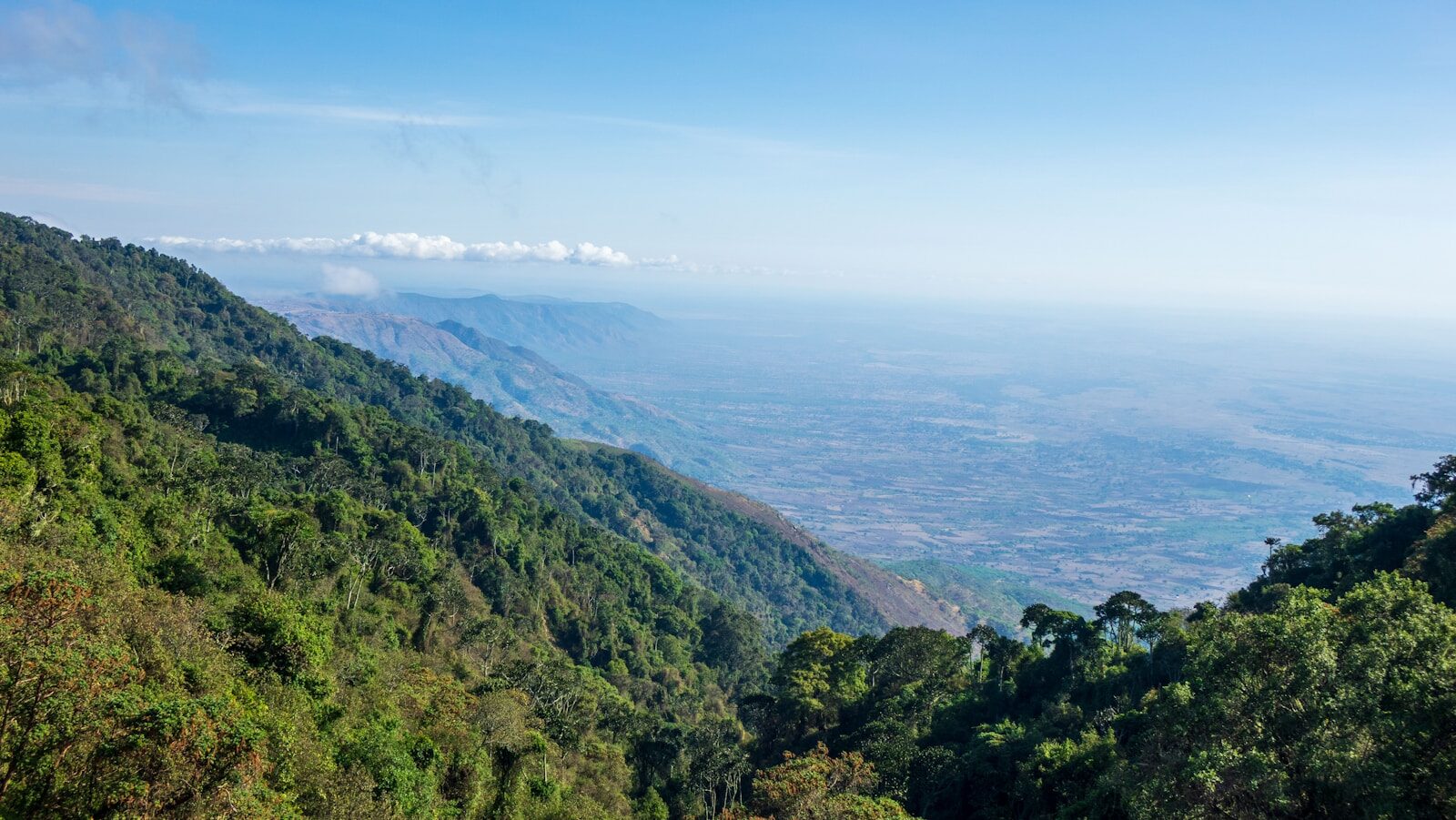
The phrase Africa splitting sixth ocean refers to tectonic rifting occurring along the East African Rift System (EARS) — a massive geological feature stretching from the Red Sea down through eastern Africa.


The rift marks a boundary where the African tectonic plate is slowly dividing into two smaller plates:
- The Nubian Plate
- The Somali Plate
As these plates drift apart, magma rises from below, thinning and stretching the crust. Eventually, if the process continues, seawater could flood the gap — forming a new ocean basin.
How Africa Splitting Sixth Ocean Happens: The Science of Rifting
Tectonic Plates and Continental Breakup
Earth’s outer shell is divided into rigid plates that float over the semi-fluid mantle. When plates move apart, they create divergent boundaries.
In East Africa:
- The crust stretches.
- Faults form.
- Valleys sink.
- Volcanic activity increases.
Over time, this stretching weakens the continent.
Importantly, similar processes formed:
- The Atlantic Ocean when South America split from Africa millions of years ago.
- The Red Sea, which is already an example of a young ocean formed by continental rifting.
Therefore, Africa splitting a sixth ocean follows a known geological pattern — just at an early stage.
Evidence That a Sixth Ocean Is Forming
Scientists rely on several lines of evidence to confirm that Africa splitting sixth ocean is not speculation.
1. Expanding Rift Valleys
Large visible cracks have appeared in countries like Kenya and Ethiopia. While these dramatic fissures attract media attention, the deeper process is gradual plate divergence measured at millimeters per year.
2. Increased Volcanic and Seismic Activity
The East African Rift is volcanically active. Magma upwelling thins the crust, making separation easier.
3. GPS Measurements
High-precision satellite data confirms that the Somali Plate is moving eastward away from the Nubian Plate. This measurable movement supports the theory of eventual ocean formation.
Timeline: When Will Africa Split?
The formation of a sixth ocean will not happen overnight. In fact, scientists estimate:
- Significant oceanic spreading could take 5–10 million years.
- Full ocean basin development may require tens of millions of years.
Although the process is slow, it is geologically active today.
Environmental and Climate Impacts of Africa Splitting Sixth Ocean
Regional Ecosystem Transformation
As rifting progresses:
- New lakes may form.
- Drainage systems may shift.
- Biodiversity patterns may change.
Over geological time, a new coastline could reshape habitats across East Africa.
Climate System Effects
Ocean formation alters atmospheric circulation and regional climate patterns. If Africa splitting sixth ocean eventually connects to the Indian Ocean:
- New marine currents could emerge.
- Coastal climates could shift.
- Weather systems may be modified.
However, these effects would unfold gradually over millions of years.
Economic and Social Implications
Although large-scale ocean formation is distant, current rifting already affects local communities.
Infrastructure Risk
Fault lines and seismic events can:
- Damage roads and railways.
- Disrupt agriculture.
- Affect water access.
Tourism and Scientific Research
Conversely, the East African Rift attracts:
- Geologists
- Ecotourists
- Researchers studying plate tectonics and early ocean formation
Therefore, Africa splitting sixth ocean is both a risk and an opportunity.
Comparing Africa’s Rift to Past Ocean Formation
To understand Africa splitting sixth ocean, it helps to compare it to historical examples.
The Atlantic Ocean
The Atlantic formed when Africa and South America separated approximately 180 million years ago. Initially, it looked similar to today’s East African Rift.
The Red Sea
The Red Sea represents a more advanced stage of rifting. It shows how continental separation evolves into seafloor spreading and eventually into a mature ocean basin.
Thus, East Africa may represent the early blueprint of a future ocean.
Challenges and Scientific Uncertainty
Although evidence strongly supports rifting, uncertainties remain:
- The exact speed of separation may vary.
- Some segments of the rift may progress faster than others.
- Volcanic activity could accelerate local changes.
Nevertheless, most geologists agree that continental breakup is underway.
Frequently Asked Questions
Is Africa really splitting in two?
Yes. GPS measurements confirm that eastern Africa is slowly moving away from the rest of the continent along the East African Rift.
Will a new ocean form soon?
No. While Africa splitting sixth ocean is happening, full ocean formation will take millions of years.
Does this pose immediate danger?
Localized earthquakes and volcanic activity can pose regional risks. However, continental separation itself is extremely slow.
Conclusion
The phenomenon of Africa splitting sixth ocean illustrates the dynamic nature of our planet. Beneath East Africa, tectonic forces are gradually reshaping the continent. Although the creation of a sixth ocean lies millions of years in the future, the geological process is active today.
Understanding Africa splitting sixth ocean not only deepens our appreciation of Earth science but also highlights how landscapes, climates, and ecosystems evolve over time.
Call to Action:
Stay informed about geological changes shaping our planet, and support science education and climate awareness initiatives that enhance global understanding of Earth’s dynamic systems.