A Collective Failing: The World’s Dismal Performance in Tackling Climate Change
Introduction: A Crisis Measured in Missed Deadlines
Climate change is no longer a distant or abstract threat. It is unfolding in real time, through heatwaves, floods, droughts, wildfires, and rising seas. Yet despite decades of warnings, the world’s performance in tackling climate change remains deeply inadequate.
This is not a failure of science. Nor is it a failure of awareness. It is, increasingly, a collective failing of political will, economic priorities, and global cooperation. Each year of delay narrows the window for meaningful action, pushing societies closer to irreversible damage.
Table of Contents
The State of the Climate: What the Latest Data Shows

Global Temperature, Emissions, and Extreme Weather Trends
According to assessments synthesized by the Intergovernmental Panel on Climate Change, the planet has already warmed by approximately 1.2°C above pre-industrial levels. Recent years have ranked among the hottest ever recorded, with atmospheric greenhouse gas concentrations continuing to rise.
At the same time:
- Global carbon dioxide emissions remain near record highs
- Extreme weather events are becoming more frequent and severe
- Climate impacts are accelerating faster than adaptation efforts
These trends underscore a troubling reality: current actions are not aligned with stated climate goals.
Why Governments Are Failing to Deliver
The Gap Between Pledges and Policies
Most governments have made climate pledges, net-zero targets, emissions reductions, or adaptation plans. However, analyses consistently show a wide gap between what countries promise and what their policies actually deliver.
National climate plans often:
- Lack enforcement mechanisms
- Rely on future technologies rather than immediate cuts
- Are undermined by continued fossil fuel expansion
This disconnect has become one of the defining features of global climate governance.
The Limits of International Climate Agreements
Global cooperation has produced landmark agreements, yet results remain limited. The Paris Agreement set an ambitious goal of limiting warming to well below 2°C, preferably 1.5°C. Still, collective national commitments fall far short of this trajectory.
One key limitation is that international agreements depend heavily on voluntary compliance. Without binding enforcement, ambition often yields to domestic political pressures.
Fossil Fuel Dependence: The Core Structural Problem

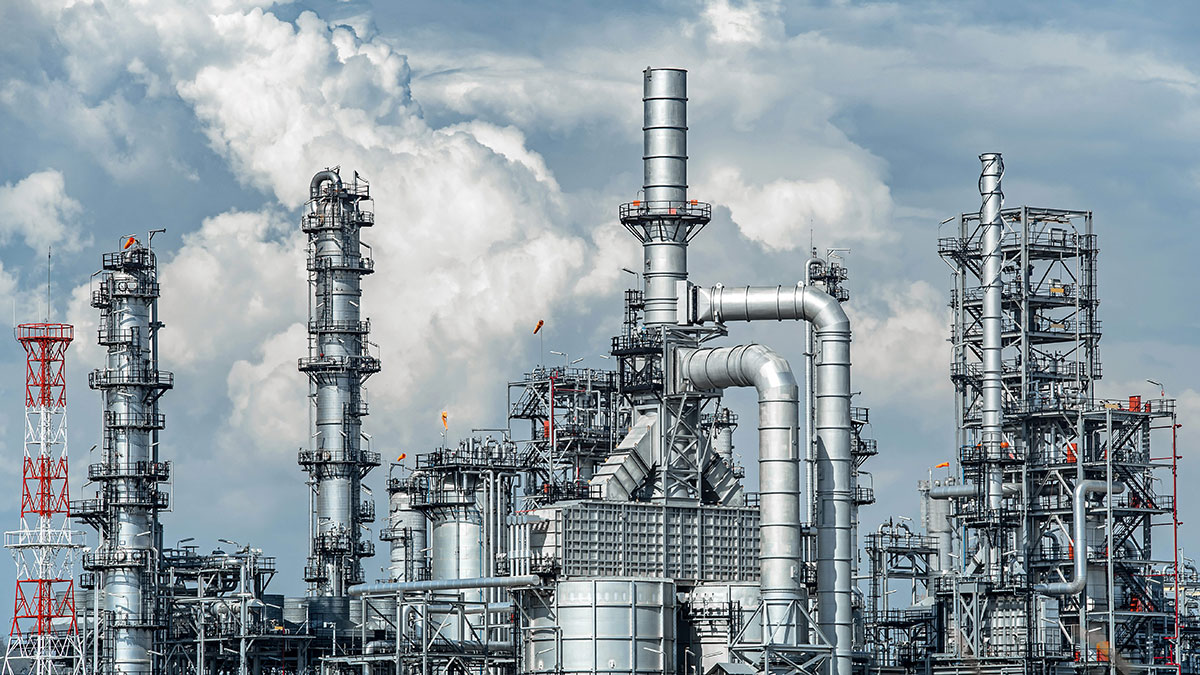
Despite climate warnings, global investment in coal, oil, and gas remains substantial. Fossil fuels continue to underpin energy systems, trade, and geopolitics.
This dependence creates a structural contradiction:
- Governments pledge emissions reductions
- Industries expand fossil fuel production
- Financial systems continue to fund carbon-intensive assets
Until this contradiction is resolved, climate progress will remain incremental at best.
Climate Finance: Promises Made, Promises Broken
Wealthy nations have repeatedly committed to supporting climate action in developing countries. Yet funding for mitigation, adaptation, and loss and damage remains insufficient.
For many vulnerable nations, the failure to deliver climate finance means:
- Limited capacity to adapt to climate impacts
- Increased debt burdens
- Greater exposure to climate-related disasters
This shortfall undermines trust and reinforces global inequality.
Inequality and the Uneven Burden of Climate Impacts
Climate change does not affect all people equally. Communities that contributed least to the problem often face the greatest risks, from sea-level rise to food insecurity.
This imbalance raises profound ethical questions. Climate change is not only an environmental crisis but also a justice crisis, shaped by historical emissions, economic power, and political influence.
Corporate Influence and Delayed Transitions

Corporate actors play a dual role. Some companies drive innovation in clean energy and sustainability. Others, however, continue to lobby against regulations, promote greenwashing, or delay meaningful change.
This influence can weaken climate policies and distort public debate, slowing the transition away from high-emission activities.
Public Fatigue, Misinformation, and Political Paralysis
Climate communication faces growing challenges. Repeated warnings can lead to fatigue, while misinformation undermines trust in science.
In polarized political environments, climate policy becomes a cultural battleground rather than a shared survival issue—further delaying action.
The Cost of Inaction vs the Cost of Action
Economic analyses increasingly show that inaction is far more expensive than transition. Climate-related disasters already impose massive costs through infrastructure damage, healthcare impacts, and lost productivity.
Yet short-term political thinking often prioritizes immediate costs over long-term benefits, reinforcing the cycle of delay.
Signs of Progress — and Why They’re Not Enough
There are genuine areas of progress:
- Rapid growth of renewable energy
- Declining costs of solar and wind
- Increased climate awareness among younger generations
However, these gains are being outpaced by rising emissions and escalating impacts. Progress exists—but not at the speed or scale required.
What Real Climate Leadership Would Look Like
Meaningful climate leadership would involve:
- Rapid fossil fuel phase-out plans
- Binding emissions targets
- Scaled-up climate finance
- Transparent accountability mechanisms
- Policies centered on equity and resilience
Above all, it would require treating climate change as the defining global challenge of this century.
Frequently Asked Questions
Why is the world failing to tackle climate change?
Because political, economic, and structural barriers continue to outweigh scientific urgency.
Are international climate agreements effective?
They set important frameworks but lack strong enforcement.
Who is most affected by climate inaction?
Vulnerable and low-income communities face the greatest risks.
Is climate action still possible?
Yes—but the window for avoiding the worst impacts is rapidly closing.
What role do corporations play?
They can accelerate solutions or delay progress, depending on incentives.
What must change now?
Immediate emissions cuts, stronger policies, and global cooperation.
Conclusion: A Narrowing Window for Collective Action
The world’s dismal performance in tackling climate change is not the result of ignorance, but of delay, division, and misplaced priorities. Each year of insufficient action compounds the challenge, turning manageable risks into systemic crises.
History will judge this moment not by what was known—but by what was done. The question is whether collective action will arrive in time, or whether this era will be remembered as a profound and preventable failure.