The First Draft of the Plastics Treaty: A Powerful Step-by-Step Guide to Combat Plastic Pollution (2026 Update)
Introduction to the Global Plastics Crisis
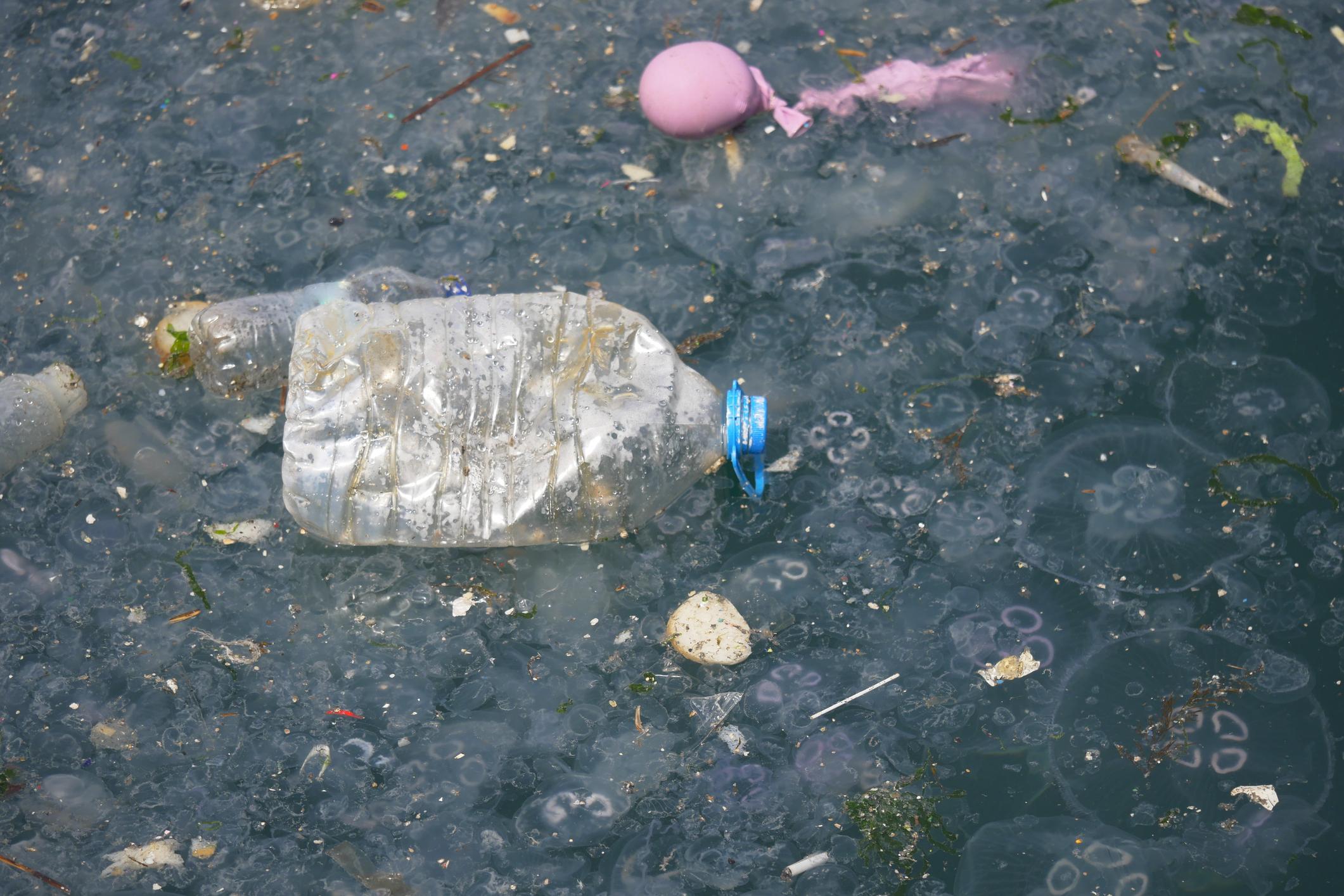
Plastic pollution has quietly become one of the most severe environmental threats of our time. From oceans filled with microplastics to landfills overflowing with single-use waste, the problem is no longer local—it’s global. That urgency led to the creation of the first draft of the plastics treaty, a landmark international effort aimed at tackling plastic pollution at its source.
The treaty is being developed under the guidance of the United Nations and coordinated through the United Nations Environment Programme. Its goal is simple but ambitious: end plastic pollution worldwide through legally binding global action.
Why Plastic Pollution Became a Global Emergency
Plastic production has increased more than twentyfold since the 1960s. Much of it is designed for single use, yet it persists in the environment for hundreds of years. Oceans, rivers, soil, wildlife, and even the human body now contain plastic particles.
Developing countries often bear the heaviest burden, lacking the infrastructure to manage waste generated by global consumption. This imbalance made it clear that isolated national policies were not enough—global rules were needed.
What Is the First Draft of the Plastics Treaty?

The first draft of the plastics treaty is the initial legal framework proposed to guide international negotiations toward a binding agreement on plastic pollution. It was developed through the Intergovernmental Negotiating Committee (INC), which brings together nearly every country in the world.
Origins of the Treaty Proposal
In 2022, UN member states formally agreed to develop a global treaty addressing plastic pollution across its entire lifecycle—from production to disposal. The first draft reflects years of scientific evidence, policy discussions, and pressure from civil society.
Role of Global Institutions
UNEP provides scientific and technical backing, while the INC handles negotiations. This structure mirrors successful environmental agreements, such as the Paris Agreement.
Key Objectives of the Plastics Treaty
Ending Plastic Pollution Across the Lifecycle
Unlike previous agreements focused only on waste, the first draft addresses:
- Raw material extraction
- Plastic production
- Product design
- Consumption patterns
- Waste management
This lifecycle approach is one of the treaty’s most groundbreaking features.
Promoting Circular Economy Principles
Countries are encouraged to reduce virgin plastic use, improve product durability, and expand reuse and refill systems—moving away from the traditional “take-make-dispose” model.
Scope and Structure of the First Draft


Upstream Measures: Plastic Production
The draft proposes controls on problematic and unnecessary plastics, including possible global reduction targets for virgin plastic production.
Midstream Measures: Design and Use
Manufacturers would be required to design products that are reusable, recyclable, and free from harmful additives.
Downstream Measures: Waste and Recycling
Improved waste collection, environmentally sound recycling, and restrictions on plastic waste exports are central elements.
Binding vs Voluntary Commitments
A major strength—and controversy—of the first draft of the plastics treaty lies in its legal ambition. Many provisions are designed to be legally binding, ensuring countries are accountable rather than relying on voluntary pledges.
However, flexibility mechanisms allow nations to adapt measures to national circumstances, a compromise necessary for global participation.
Financial Mechanisms and Support for Developing Nations
Recognizing unequal capacities, the draft includes provisions for:
- Dedicated international funding
- Technology transfer
- Capacity-building programs
These measures aim to ensure that low- and middle-income countries can meet treaty obligations without sacrificing development goals.
Monitoring, Reporting, and Compliance
Transparency is critical. Countries would be required to:
- Submit national action plans
- Report plastic production and waste data
- Participate in regular review cycles
An independent scientific body may be established to assess progress and recommend updates.
Major Areas of Debate and Controversy


Production Caps vs Waste Management
Some nations push for strict limits on plastic production, while others prefer focusing on recycling and waste management alone.
Role of Fossil Fuel and Petrochemical Industries
Since plastics are closely linked to fossil fuels, industry influence remains a sensitive issue throughout negotiations.
Comparison With Other Environmental Treaties
Unlike climate agreements that mainly target emissions, this treaty directly regulates materials and products. Its comprehensive scope makes it one of the most ambitious environmental treaties ever attempted.
Expected Global Impact if Adopted
If fully implemented, the treaty could:
- Dramatically reduce ocean plastic pollution
- Protect human health
- Drive innovation in sustainable materials
- Create green jobs worldwide
Experts widely agree it could reshape the global plastics economy.
Frequently Asked Questions
1. What is the first draft of the plastics treaty?
It is the initial legal text proposing global rules to end plastic pollution across its entire lifecycle.
2. Is the treaty legally binding?
Many core obligations are designed to be legally binding, though flexibility is included.
3. Which countries are involved?
Nearly all UN member states are participating in negotiations.
4. Does it ban plastic completely?
No, it focuses on reducing unnecessary plastics and making essential plastics safer and more sustainable.
5. How does it help developing countries?
Through financial assistance, technology transfer, and capacity building.
6. When will the treaty be finalized?
Negotiations are ongoing, with adoption expected once consensus is reached.
Conclusion: The Road Ahead
The first draft of the plastics treaty represents a historic turning point in global environmental governance. While challenges remain, its comprehensive scope and binding ambition signal a serious commitment to ending plastic pollution. If nations rise to the moment, this treaty could become one of the most impactful environmental agreements of the 21st century.